What is Bitcoin block? Interesting facts about Bitcoin…

0 reactions
What is Bitcoin block?
Interesting facts about Bitcoin Blocks :
1. Time Between Blocks : It takes about 10 minutes to create a new block in the Bitcoin system, forming the basic structure of its digital ledger.
2. Reward for Miners : Miners get new bitcoins as a reward for successfully adding a block. This reward reduces by half roughly every four years in what's known as the "halving."
3. Block Size Limit : Bitcoin blocks have a maximum size of 1 megabyte to control how quickly new blocks are added to the ledger.
4. Mining Difficulty : The difficulty of mining adjusts every two weeks to keep the average block creation time at around 10 minutes, ensuring the stability of the Bitcoin network.
5. Merkle Tree : Each block has a Merkle tree summarizing all its transactions, making it easy to check if the included transactions are valid.
6. Nonce : Miners tweak a parameter called the nonce to find the right hash for a block, a process known as proof-of-work.
7. Timestamp : Blocks include a timestamp indicating when they were created, helping maintain the order of transactions in the ledger.
8. Previous Block Hash : Each block contains the hash of the previous one, creating a chain of blocks and ensuring the integrity of the whole ledger.
9. Transaction Data : Blocks have a list of valid transactions, forming the decentralized ledger.
10. Block Header : The block header contains various details like version, previous block hash, Merkle root, timestamp, difficulty target, and nonce, crucial for validating the block and securing the blockchain.
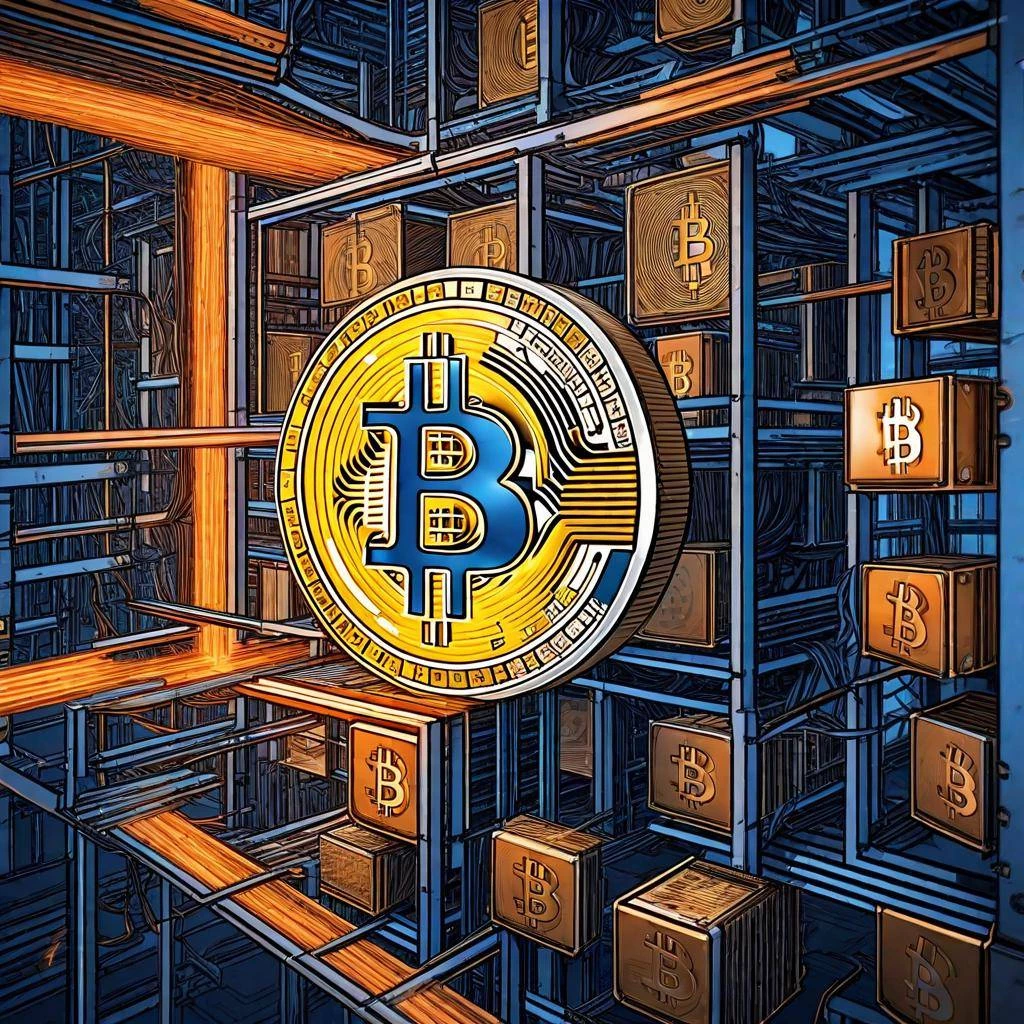
Bonus: Bitcoin Block NFT
https://bit.ly/3Hq6Eec
#btc #Bitcoin #btcblocks #bitcoinblocks #blocks #cryptocurrency #crypto #blockchain #nft #nftartist #nftart #btcnft #nftartwork #nftcollectibles #nftcollection
Interesting facts about Bitcoin Blocks :
1. Time Between Blocks : It takes about 10 minutes to create a new block in the Bitcoin system, forming the basic structure of its digital ledger.
2. Reward for Miners : Miners get new bitcoins as a reward for successfully adding a block. This reward reduces by half roughly every four years in what's known as the "halving."
3. Block Size Limit : Bitcoin blocks have a maximum size of 1 megabyte to control how quickly new blocks are added to the ledger.
4. Mining Difficulty : The difficulty of mining adjusts every two weeks to keep the average block creation time at around 10 minutes, ensuring the stability of the Bitcoin network.
5. Merkle Tree : Each block has a Merkle tree summarizing all its transactions, making it easy to check if the included transactions are valid.
6. Nonce : Miners tweak a parameter called the nonce to find the right hash for a block, a process known as proof-of-work.
7. Timestamp : Blocks include a timestamp indicating when they were created, helping maintain the order of transactions in the ledger.
8. Previous Block Hash : Each block contains the hash of the previous one, creating a chain of blocks and ensuring the integrity of the whole ledger.
9. Transaction Data : Blocks have a list of valid transactions, forming the decentralized ledger.
10. Block Header : The block header contains various details like version, previous block hash, Merkle root, timestamp, difficulty target, and nonce, crucial for validating the block and securing the blockchain.
Bonus: Bitcoin Block NFT
https://bit.ly/3Hq6Eec
#btc #Bitcoin #btcblocks #bitcoinblocks #blocks #cryptocurrency #crypto #blockchain #nft #nftartist #nftart #btcnft #nftartwork #nftcollectibles #nftcollection


| 18,000 mlx | |
| 19 | |
| 0 |