Global shipping disruptions are quietly pushing food…
0 reactions
Global shipping disruptions are quietly pushing food prices higher in import-dependent countries
Most of us notice rising grocery prices long before we hear about the supply chain issues causing them.
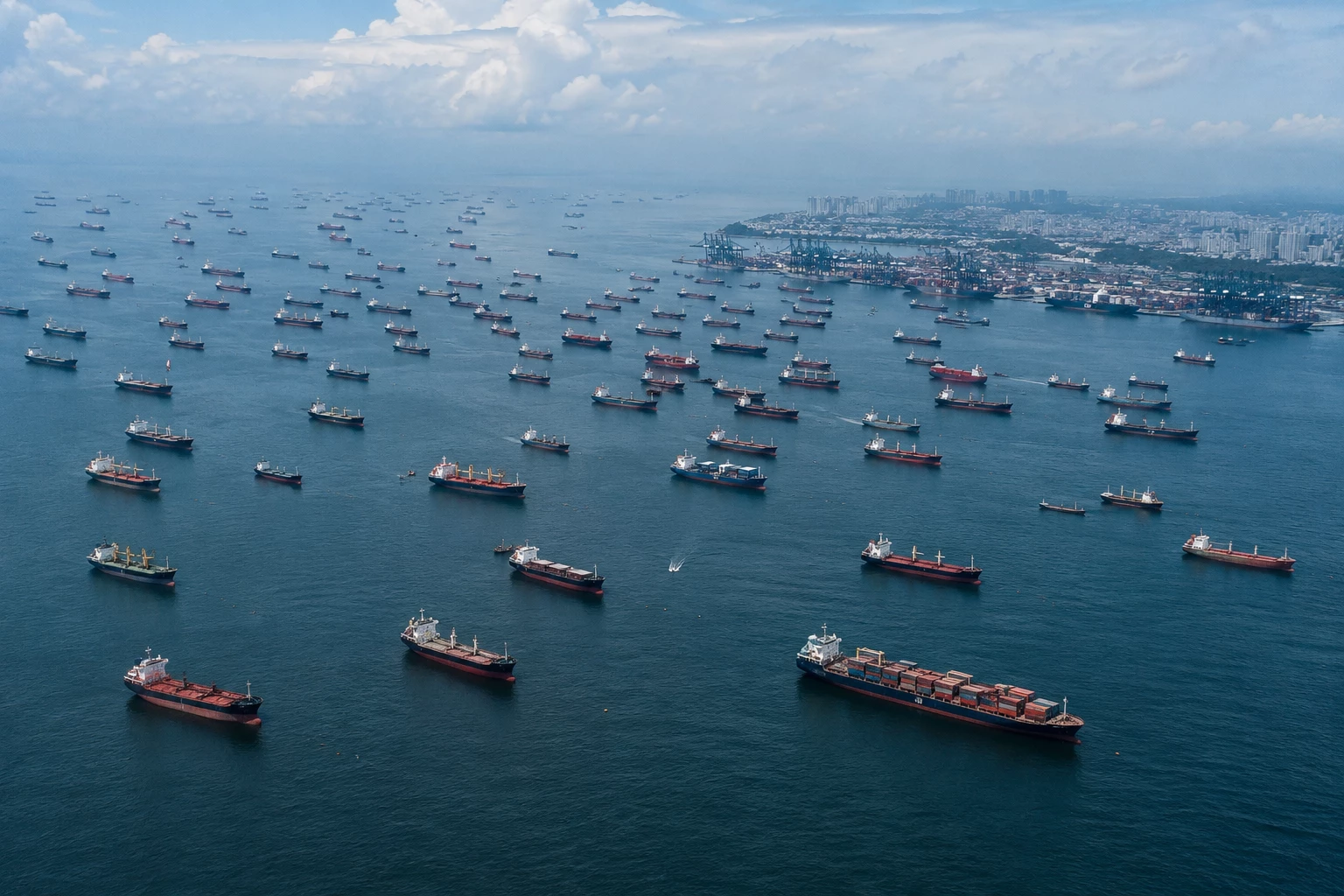
While global attention is often focused on wars, diplomatic disputes, and political headlines, some of the biggest economic effects happen behind the scenes. Shipping delays, rerouted cargo vessels, airspace restrictions, and higher transportation costs can all make it more expensive to move food and essential goods around the world.
For countries that rely heavily on imports, those extra costs don't just disappear. They eventually work their way through the supply chain and show up on store shelves, sometimes months after the original disruption occurred.
It's a good reminder that global events rarely stay local. A conflict, shipping bottleneck, or transportation disruption in one part of the world can end up affecting prices and availability thousands of miles away.
**What do you think?**
Should countries invest more in domestic production and supply chain resilience, or is global trade still the most efficient long-term approach despite these vulnerabilities?
#current_events
Most of us notice rising grocery prices long before we hear about the supply chain issues causing them.
While global attention is often focused on wars, diplomatic disputes, and political headlines, some of the biggest economic effects happen behind the scenes. Shipping delays, rerouted cargo vessels, airspace restrictions, and higher transportation costs can all make it more expensive to move food and essential goods around the world.
For countries that rely heavily on imports, those extra costs don't just disappear. They eventually work their way through the supply chain and show up on store shelves, sometimes months after the original disruption occurred.
It's a good reminder that global events rarely stay local. A conflict, shipping bottleneck, or transportation disruption in one part of the world can end up affecting prices and availability thousands of miles away.
**What do you think?**
Should countries invest more in domestic production and supply chain resilience, or is global trade still the most efficient long-term approach despite these vulnerabilities?
#current_events


| 3,000 mlx | |
| 3 | |
| 0 |