
0 reactions
The intersection of cycling and climate change
In the realm of sustainability within the bike industry, progress has been gradual, marked by a hesitancy to fully embrace eco-conscious practices. This reluctance can often leave companies uncertain where to begin their sustainability journey. While some companies are making significant strides towards sustainability, others are dragging their feet, displaying a reluctance to integrate eco-friendly practices into their operations.
The road to sustainability also comes with financial considerations. With the bike industry experiencing periods of upheaval, including the COVID-induced cycling surge followed by significant losses for major brands, allocating resources to sustainability initiatives requires careful reevaluation of priorities.
Despite the challenges, there’s an optimistic outlook for the industry. Globally valued at about $64.6 billion in 2022, the bike industry is projected to double in value by 2030. This growth coincides with many companies setting ambitious targets for emissions reduction by that same year.
However, achieving sustainability goals goes beyond mere financial investment. It requires a holistic approach, ensuring that companies allocate the necessary resources to drive meaningful innovation and foster resilience in the face of evolving market dynamics. As industry experts emphasise, sustainability efforts should not be treated as mere checkboxes but as opportunities to transform and strengthen businesses for the future.
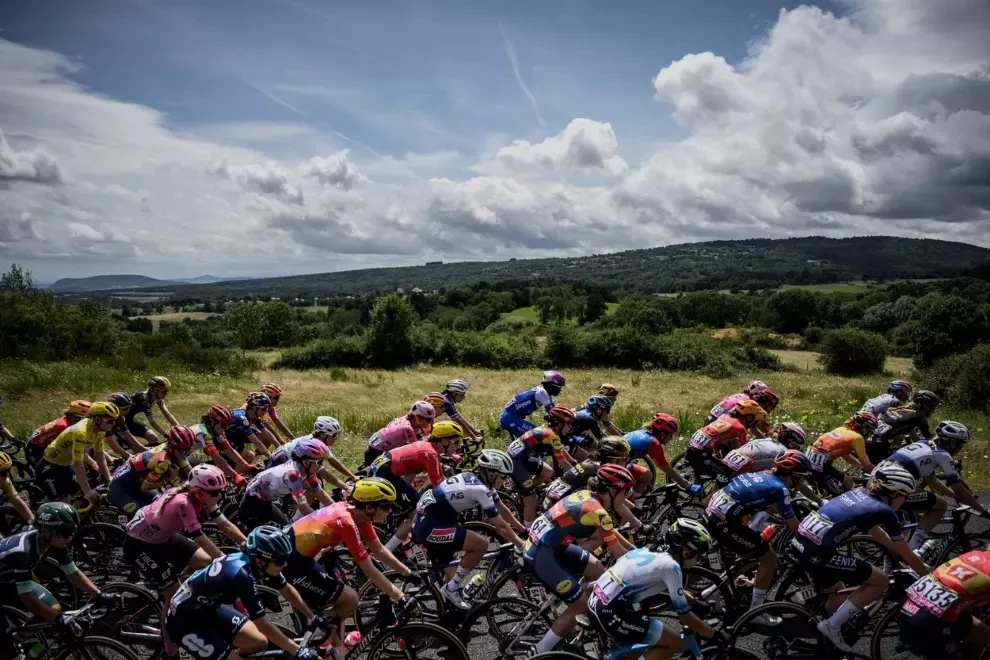
It does look promising, though.The cycling community, both at the grassroots level and within professional circles, is increasingly coming into its role as a steward in combating climate change. Major cycling events like the Tour de France and the Giro d’Italia have started implementing sustainability measures, including waste reduction, carbon offsetting, and eco-friendly transportation options. Additionally, cycling teams and sponsors are investing in green initiatives, from using recycled materials in team kits to supporting reforestation projects. This is a hugely important step if the sport we all love will be able to hold on to its sustainability badge of honour.
In the realm of sustainability within the bike industry, progress has been gradual, marked by a hesitancy to fully embrace eco-conscious practices. This reluctance can often leave companies uncertain where to begin their sustainability journey. While some companies are making significant strides towards sustainability, others are dragging their feet, displaying a reluctance to integrate eco-friendly practices into their operations.
The road to sustainability also comes with financial considerations. With the bike industry experiencing periods of upheaval, including the COVID-induced cycling surge followed by significant losses for major brands, allocating resources to sustainability initiatives requires careful reevaluation of priorities.
Despite the challenges, there’s an optimistic outlook for the industry. Globally valued at about $64.6 billion in 2022, the bike industry is projected to double in value by 2030. This growth coincides with many companies setting ambitious targets for emissions reduction by that same year.
However, achieving sustainability goals goes beyond mere financial investment. It requires a holistic approach, ensuring that companies allocate the necessary resources to drive meaningful innovation and foster resilience in the face of evolving market dynamics. As industry experts emphasise, sustainability efforts should not be treated as mere checkboxes but as opportunities to transform and strengthen businesses for the future.
It does look promising, though.The cycling community, both at the grassroots level and within professional circles, is increasingly coming into its role as a steward in combating climate change. Major cycling events like the Tour de France and the Giro d’Italia have started implementing sustainability measures, including waste reduction, carbon offsetting, and eco-friendly transportation options. Additionally, cycling teams and sponsors are investing in green initiatives, from using recycled materials in team kits to supporting reforestation projects. This is a hugely important step if the sport we all love will be able to hold on to its sustainability badge of honour.


| 4,000 mlx | |
| 4 | |
| 0 |