
0 reactions
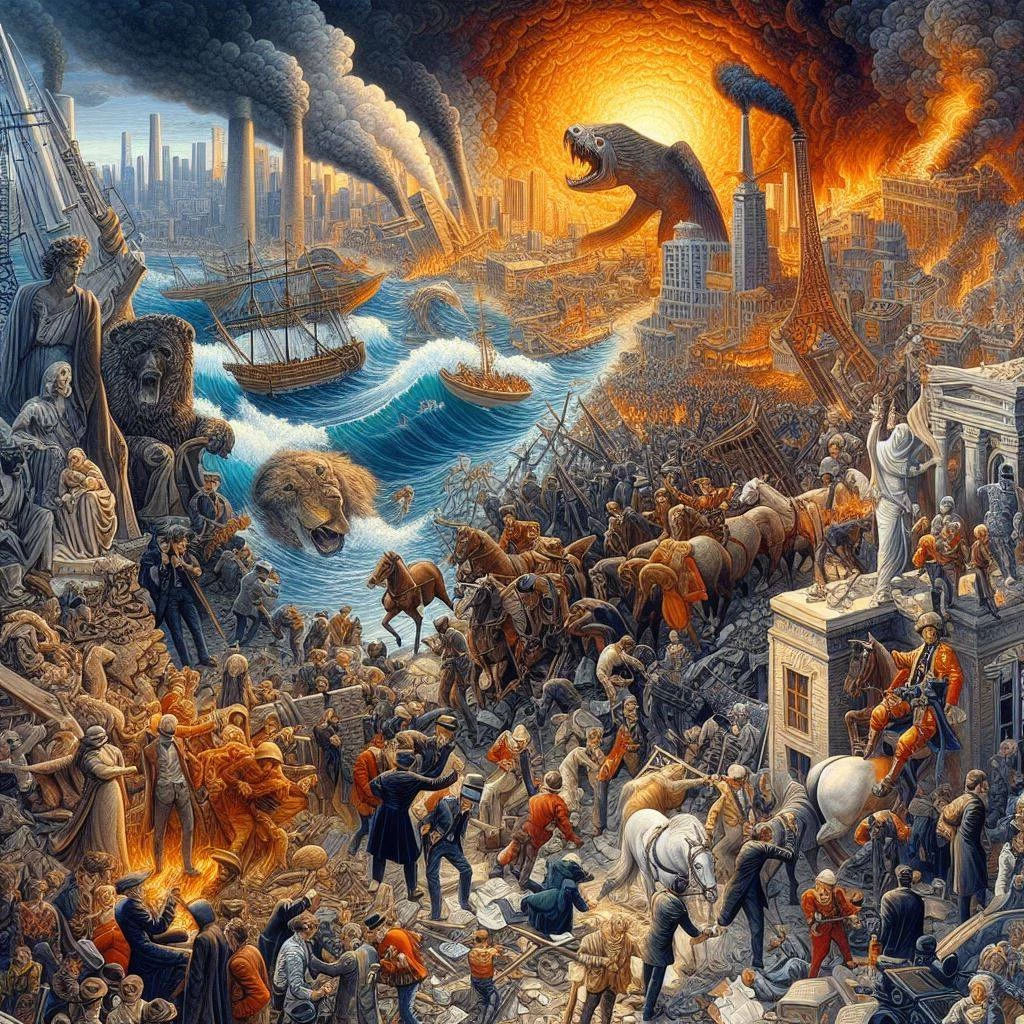
The assessment of what constitutes the "biggest tragedy" in human history is subjective and can vary depending on individual perspectives, cultural backgrounds, and values. Slavery has undeniably been a grave and enduring injustice that has affected countless individuals and communities throughout history. However, it's important to acknowledge that there are other tragic events and atrocities, each with its own significant impact.
Other examples of major tragedies in human history include:
World Wars: The scale of destruction, loss of life, and global impact during World War I and World War II.
Genocides: Instances such as the Holocaust, the Armenian Genocide, the Rwandan Genocide, and others have led to the mass extermination of specific ethnic or religious groups.
Colonialism and Imperialism: The exploitation, displacement, and suffering caused by colonial and imperialist endeavors have had profound and lasting effects on many regions of the world.
Pandemics: The devastating impact of pandemics, such as the Black Death in the 14th century and more recent events like the Spanish flu or the COVID-19 pandemic.
Natural Disasters: Catastrophic events like earthquakes, tsunamis, hurricanes, and famines have caused immense suffering and loss of life throughout history.
Political Oppression: Systems of authoritarianism, totalitarianism, and oppressive regimes that have subjected populations to violence, persecution, and deprivation.
It is challenging to definitively label one tragedy as the "biggest" due to the complexity and diversity of human experiences. Each of these events has had profound consequences, and discussions about their significance often involve nuanced considerations of historical, cultural, and ethical perspectives.


| 14,000 mlx | |
| 14 | |
| 0 |