
0 reactions
African culture
**African Culture: A Tapestry of Diversity and Dynamism**
**1. Continental Diversity:**
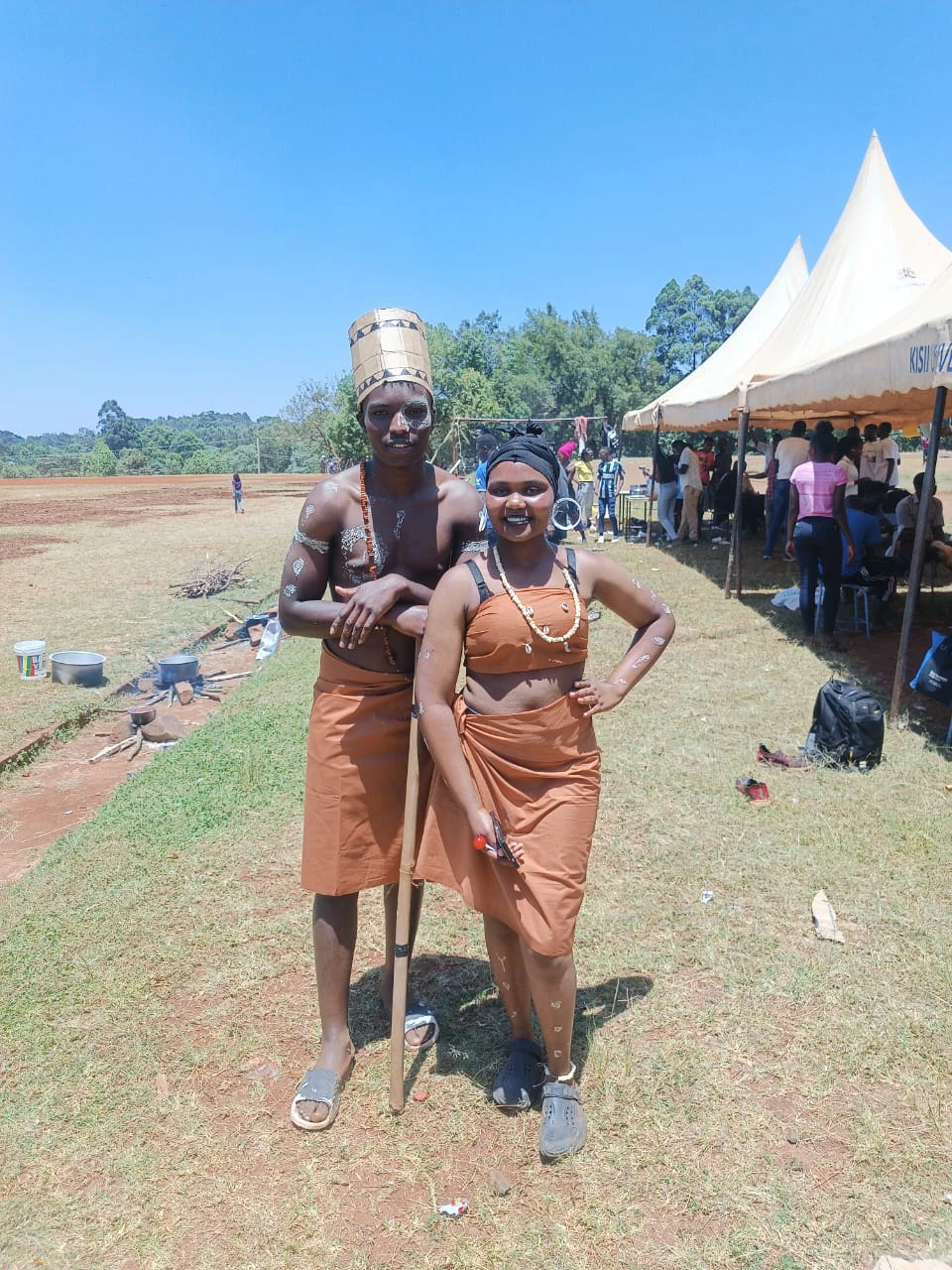
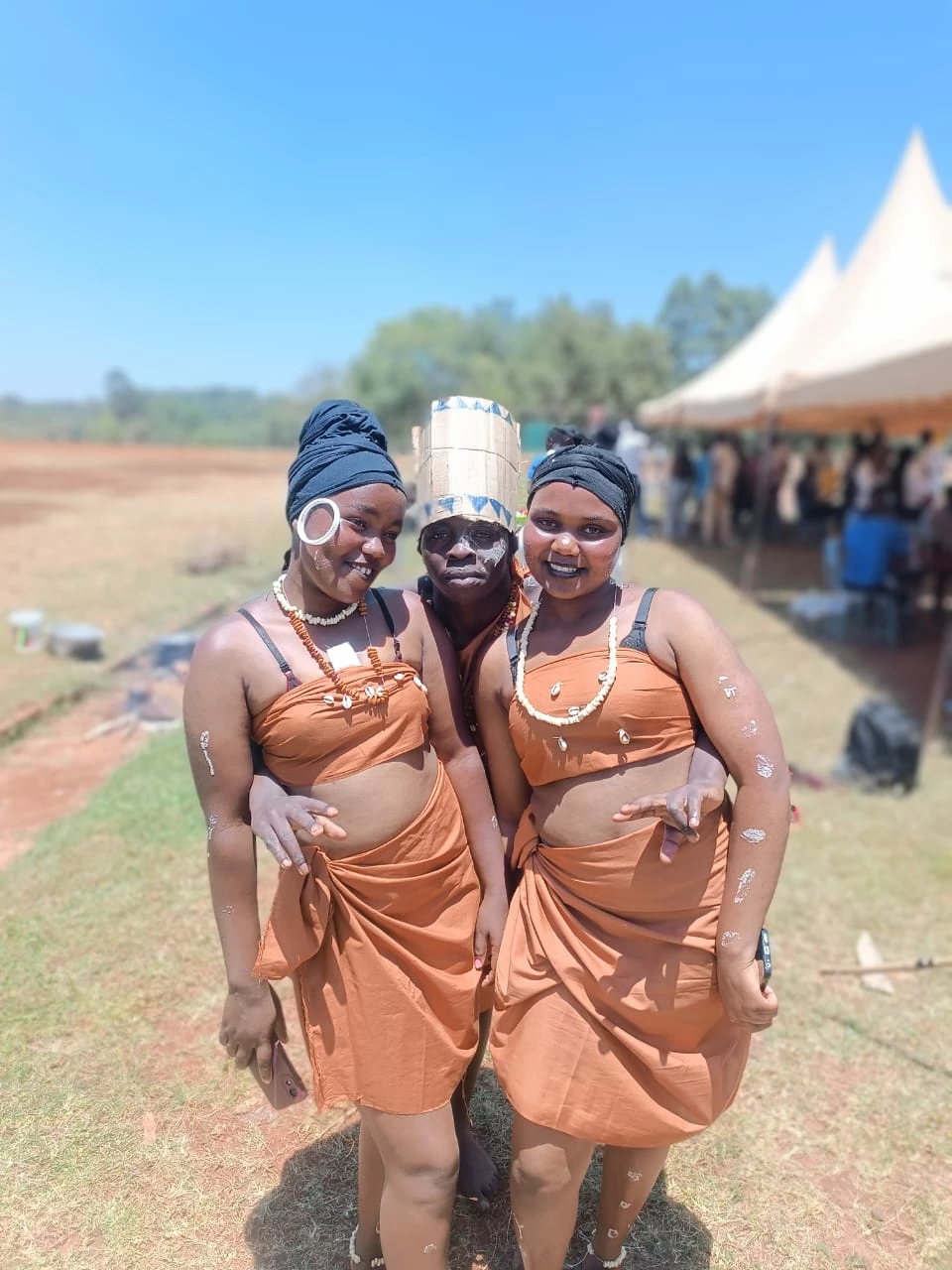
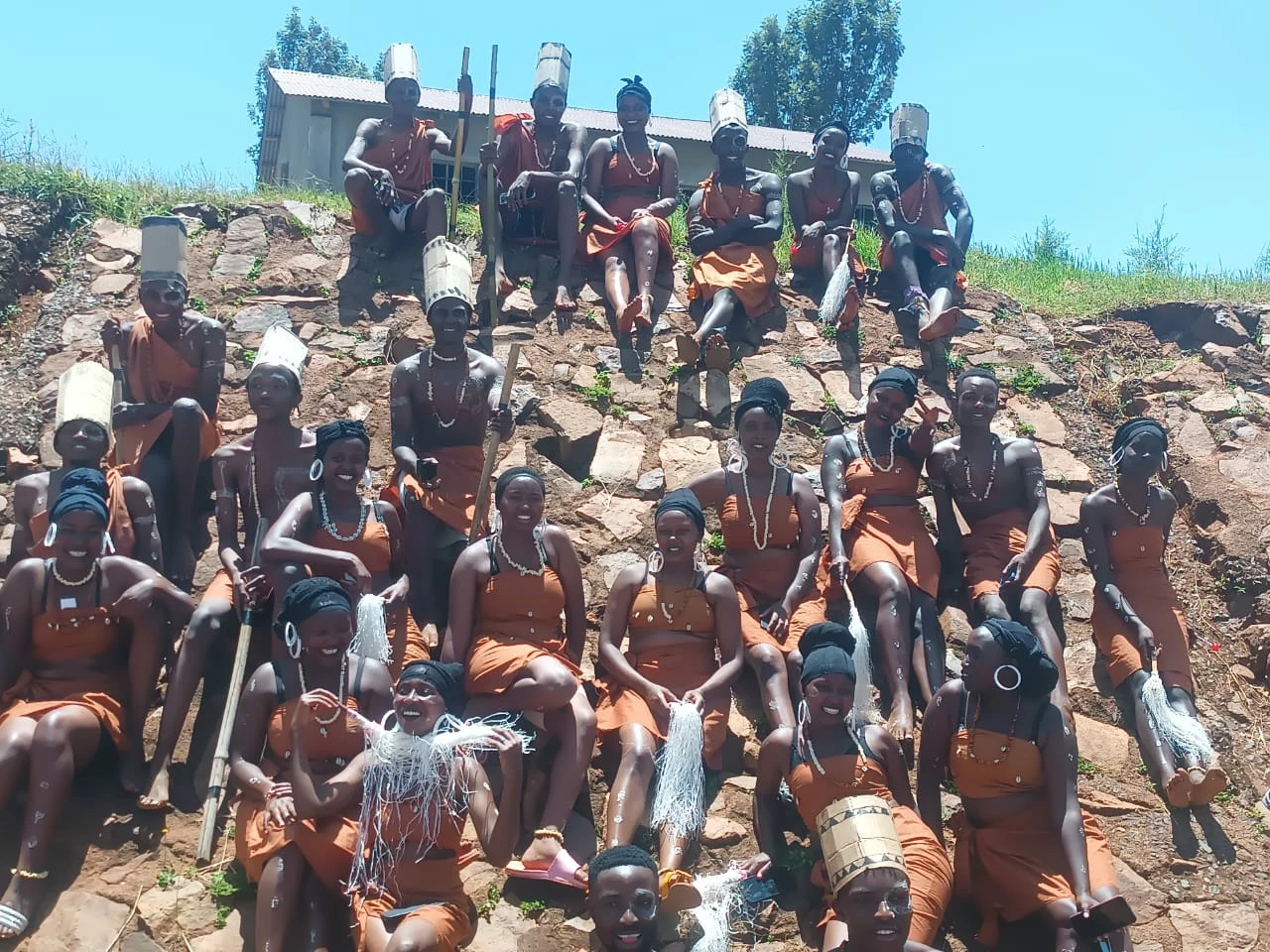
Africa, the second-largest continent, comprises 54 countries and over 3,000 ethnic groups, each with distinct traditions, languages, and histories. Its cultural landscape is shaped by vast geographic and historical variations, from the Sahara Desert to rainforests, savannas, and coastal regions.
**2. Regional Cultural Blocs:**
- **North Africa:** Influenced by Arab, Berber, and Mediterranean cultures. Predominantly Muslim, with languages like Arabic and Tamazight. Traditions include tea ceremonies, Sufi music, and festivals like Eid.
- **West Africa:** Known for vibrant music (Afrobeat, Highlife), oral storytelling (griots), and textiles like kente and adire. Major ethnic groups include the Yoruba, Hausa, and Ashanti.
- **East Africa:** Swahili coastal culture blends Bantu, Arab, and Indian influences. The Ethiopian Orthodox Church and Maasai warrior traditions are iconic. Staple foods include injera (Ethiopia) and ugali (Kenya/Tanzania).
- **Central Africa:** Rich in Bantu traditions, rainforest hunter-gatherer communities (e.g., BaAka), and vibrant rituals like the Bwiti spiritual practice.
- **Southern Africa:** Zulu, Xhosa, and Sotho cultures thrive alongside Afrikaans influences. Ubuntu philosophy ("I am because we are") underscores community values.
**3. Languages:**
Over 2,000 languages are spoken, including Afro-Asiatic (e.g., Amharic), Niger-Congo (e.g., Swahili, Yoruba), and Nilo-Saharan families. European languages like French, English, and Portuguese remain official in many countries due to colonialism.
**4. Religion and Spirituality:**
- Indigenous beliefs often center on ancestor veneration, nature spirits, and a supreme creator (e.g., Nyame in Akan, Olodumare in Yoruba).
- Islam dominates North and West Africa, while Christianity is widespread in Sub-Saharan Africa. Syncretic practices, such as Vodun (Benin) or Santería, blend traditional and Abrahamic faiths.
**5. Arts and Expression:**
- **Visual Arts:** Benin bronzes, Ethiopian illuminated manuscripts, and Makonde carvings. Masks and sculptures often serve ritual purposes.
- **Music & Dance:** Drumming (djembe, talking drum), genres like Soukous (DR Congo) and Mbube (South Africa). Dance forms include the Adumu (Maasai jumping dance) and Gumboot dance.
- **Literature & Film:** Authors like Chinua Achebe and Chimamanda Ngozi Adichie; Nollywood (Nigeria) and Riverwood (Kenya) film industries.
**6. Social Structures:**
- **Family:** Extended families and communal living are common. Concepts like *harambee* (Kenya, collective effort) emphasize solidarity.
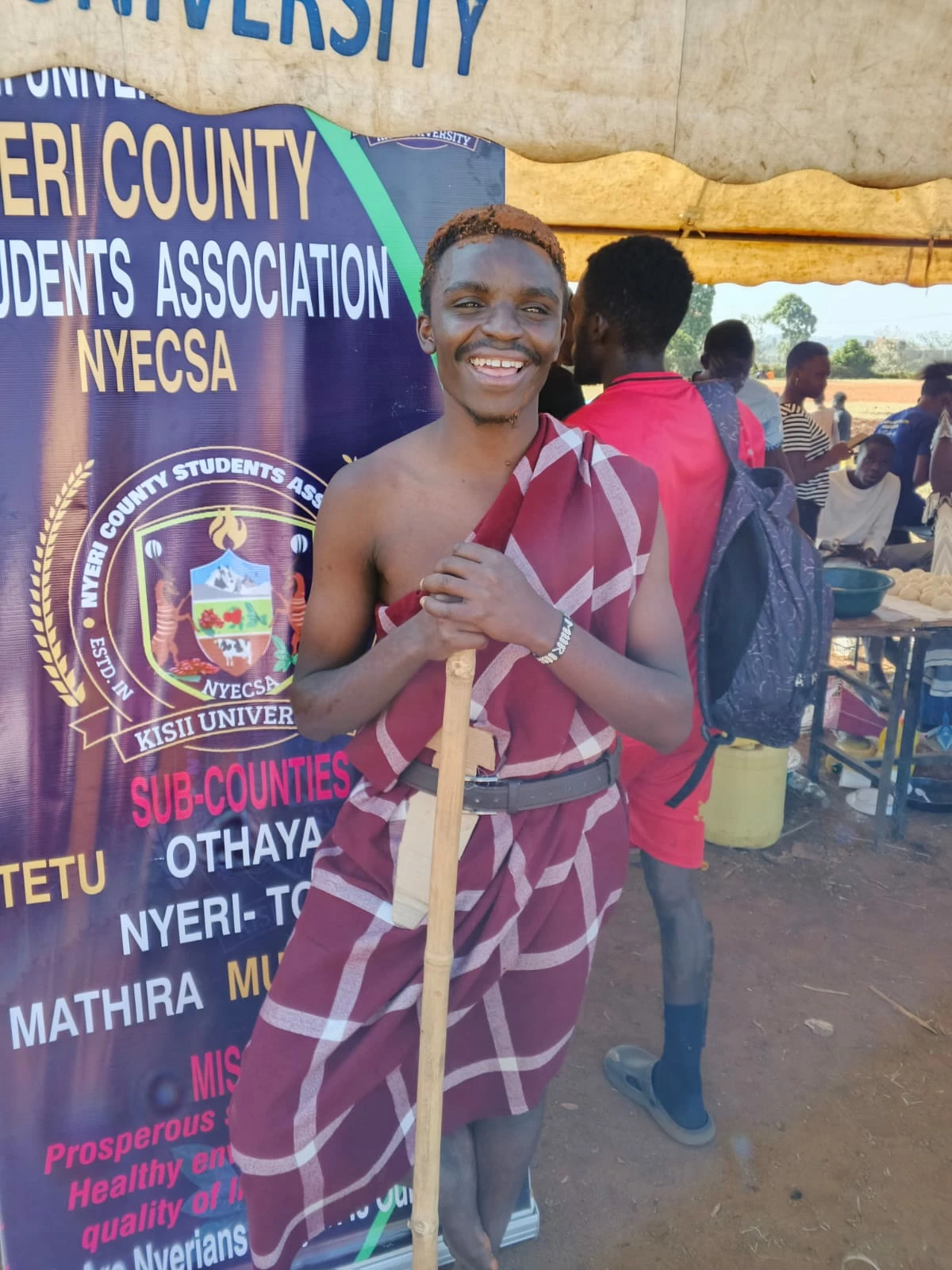
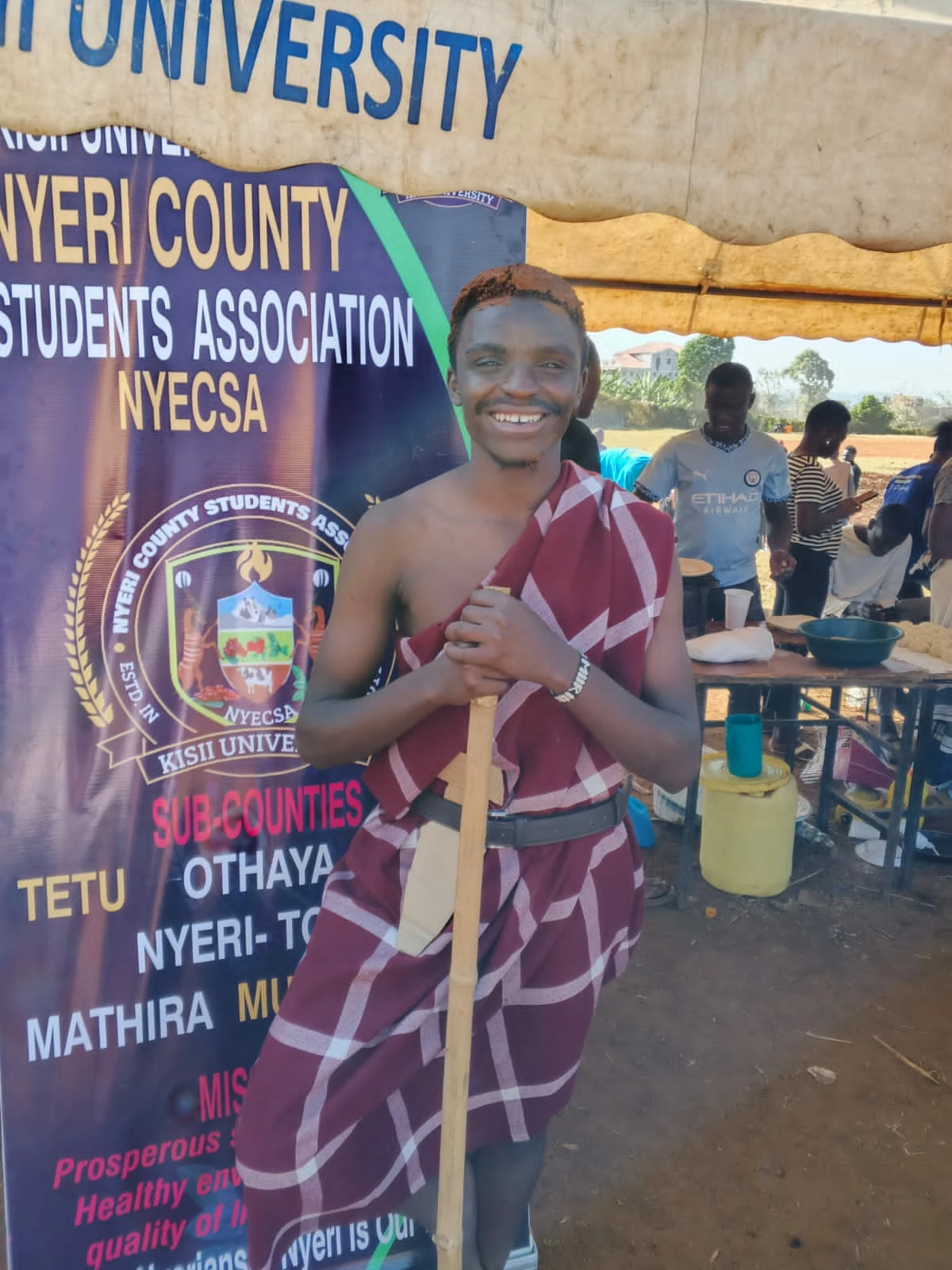
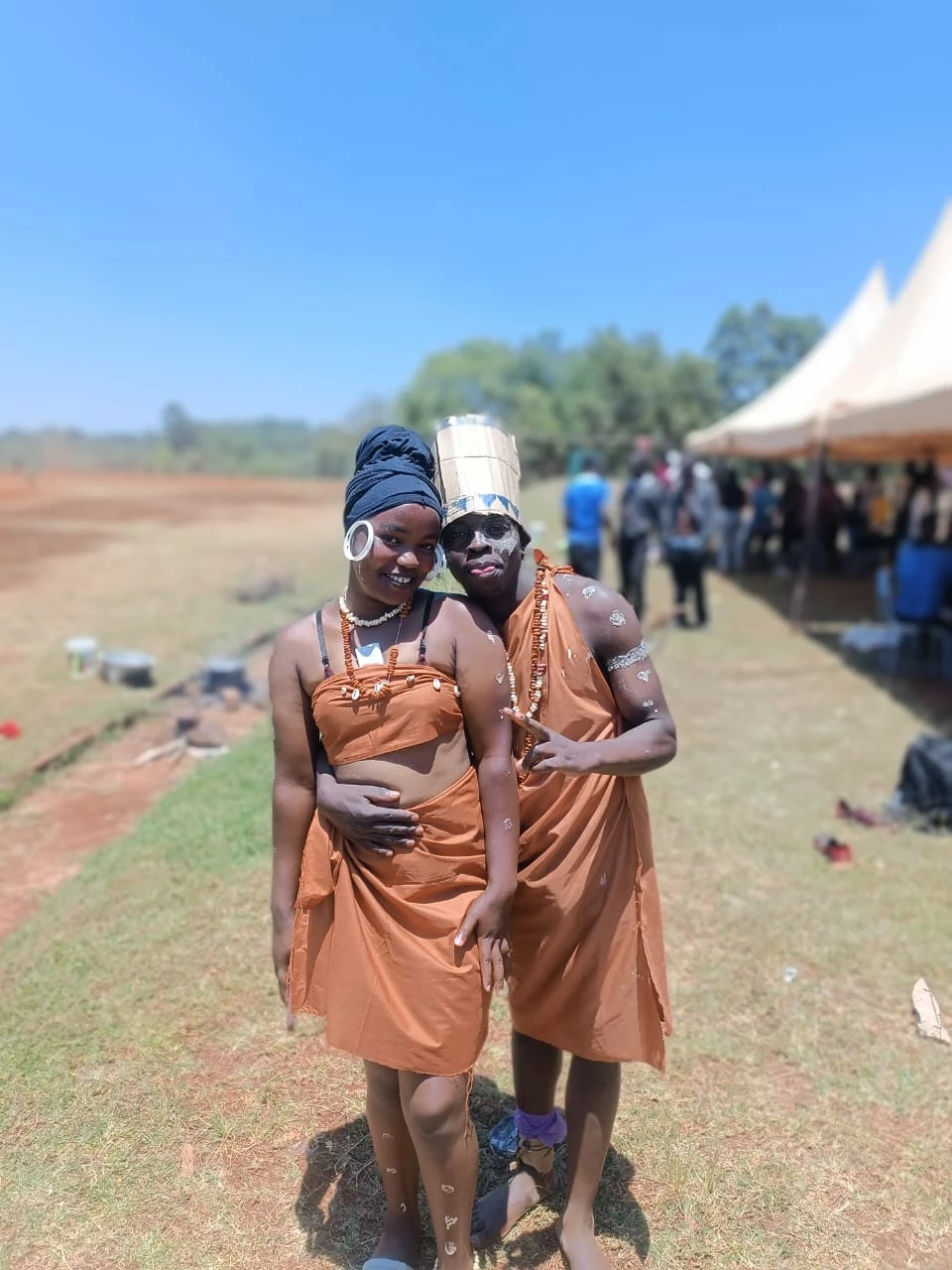
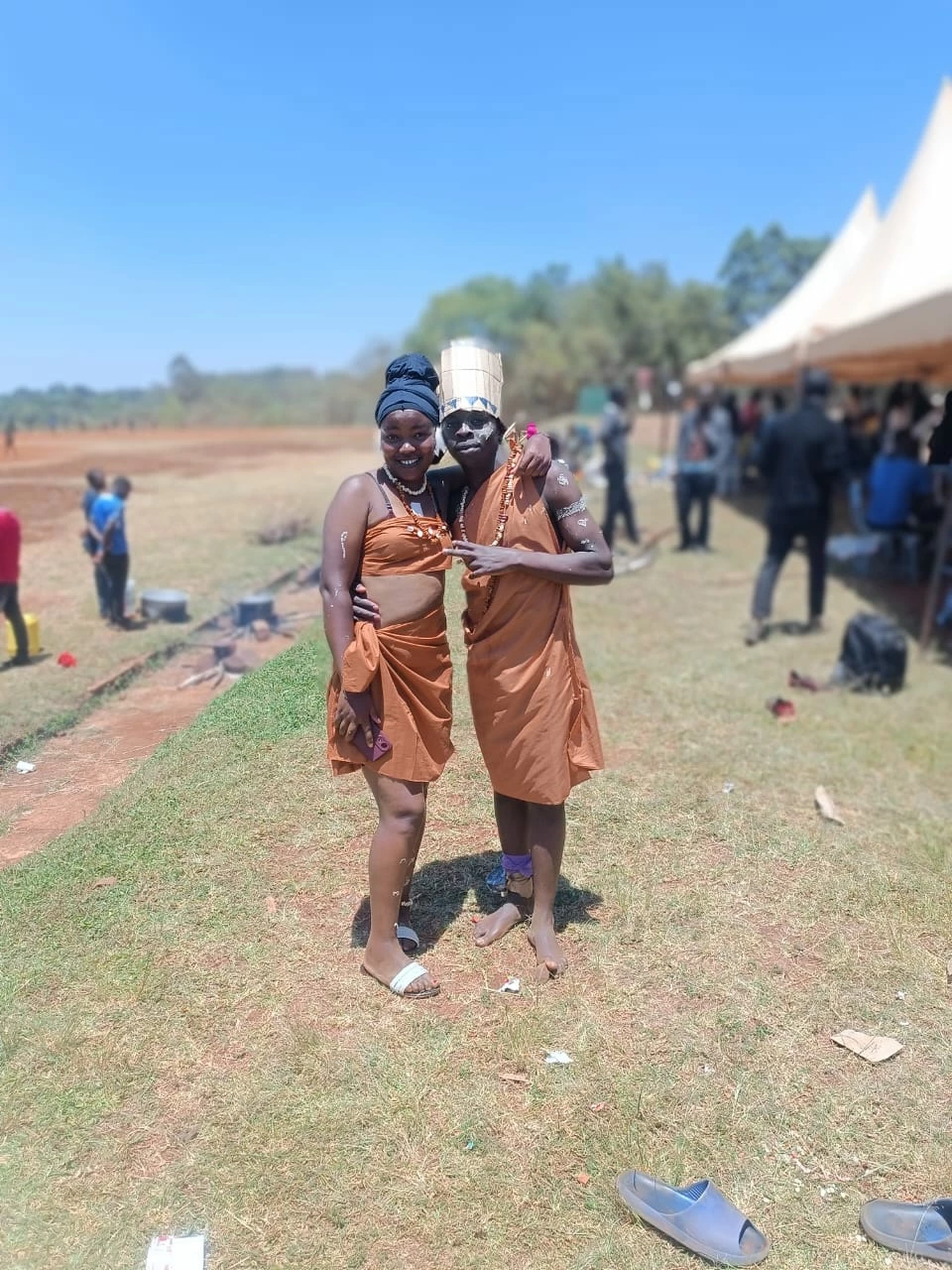
- **Rites of Passage:** Initiation rituals, such as the Xhosa ulwaluko (circumcision) or Lebollo (Sotho).
**7. Cuisine:**
Staples vary by region: couscous (North Africa), fufu (West Africa), and sadza (Southern Africa). Dishes like tagine (Morocco), jollof rice (West Africa), and bobotie (South Africa) reflect local ingredients and trade influences.
**8. Colonial Legacy & Modernity:**
Colonialism introduced new languages, religions, and borders, often disrupting traditional systems. Post-independence, African nations navigate preserving heritage while embracing modernity. Urbanization and globalization fuel trends like Afrobeats music, tech hubs (e.g., Silicon Savannah in Kenya), and fashion revolutions (e.g., Ankara prints).
**9. Challenges & Preservation:**
Globalization threatens some traditions, but revitalization movements thrive. UNESCO recognizes practices like the Ifá divination system (Nigeria) and Gule Wamkulu dance (Malawi). Diaspora communities (e.g., Afro-Caribbean, African-American) also sustain and reinvent cultural ties.
**10. Contemporary Contributions:**
- **Music:** Artists like Burna Boy and Angelique Kidjo globalize African sounds.
- **Fashion:** Designers like Ozwald Boateng and Adama Paris redefine African aesthetics.
- **Tech & Innovation:** Startups tackle challenges from healthcare to finance, fostering a pan-African identity.
**Conclusion:**
African culture is not static; it’s a dynamic interplay of tradition and innovation. Its richness lies in its ability to adapt while retaining deep-rooted heritage, offering the world a mosaic of resilience, creativity, and communal spirit.
**African Culture: A Tapestry of Diversity and Dynamism**
**1. Continental Diversity:**
Africa, the second-largest continent, comprises 54 countries and over 3,000 ethnic groups, each with distinct traditions, languages, and histories. Its cultural landscape is shaped by vast geographic and historical variations, from the Sahara Desert to rainforests, savannas, and coastal regions.
**2. Regional Cultural Blocs:**
- **North Africa:** Influenced by Arab, Berber, and Mediterranean cultures. Predominantly Muslim, with languages like Arabic and Tamazight. Traditions include tea ceremonies, Sufi music, and festivals like Eid.
- **West Africa:** Known for vibrant music (Afrobeat, Highlife), oral storytelling (griots), and textiles like kente and adire. Major ethnic groups include the Yoruba, Hausa, and Ashanti.
- **East Africa:** Swahili coastal culture blends Bantu, Arab, and Indian influences. The Ethiopian Orthodox Church and Maasai warrior traditions are iconic. Staple foods include injera (Ethiopia) and ugali (Kenya/Tanzania).
- **Central Africa:** Rich in Bantu traditions, rainforest hunter-gatherer communities (e.g., BaAka), and vibrant rituals like the Bwiti spiritual practice.
- **Southern Africa:** Zulu, Xhosa, and Sotho cultures thrive alongside Afrikaans influences. Ubuntu philosophy ("I am because we are") underscores community values.
**3. Languages:**
Over 2,000 languages are spoken, including Afro-Asiatic (e.g., Amharic), Niger-Congo (e.g., Swahili, Yoruba), and Nilo-Saharan families. European languages like French, English, and Portuguese remain official in many countries due to colonialism.
**4. Religion and Spirituality:**
- Indigenous beliefs often center on ancestor veneration, nature spirits, and a supreme creator (e.g., Nyame in Akan, Olodumare in Yoruba).
- Islam dominates North and West Africa, while Christianity is widespread in Sub-Saharan Africa. Syncretic practices, such as Vodun (Benin) or Santería, blend traditional and Abrahamic faiths.
**5. Arts and Expression:**
- **Visual Arts:** Benin bronzes, Ethiopian illuminated manuscripts, and Makonde carvings. Masks and sculptures often serve ritual purposes.
- **Music & Dance:** Drumming (djembe, talking drum), genres like Soukous (DR Congo) and Mbube (South Africa). Dance forms include the Adumu (Maasai jumping dance) and Gumboot dance.
- **Literature & Film:** Authors like Chinua Achebe and Chimamanda Ngozi Adichie; Nollywood (Nigeria) and Riverwood (Kenya) film industries.
**6. Social Structures:**
- **Family:** Extended families and communal living are common. Concepts like *harambee* (Kenya, collective effort) emphasize solidarity.
- **Rites of Passage:** Initiation rituals, such as the Xhosa ulwaluko (circumcision) or Lebollo (Sotho).
**7. Cuisine:**
Staples vary by region: couscous (North Africa), fufu (West Africa), and sadza (Southern Africa). Dishes like tagine (Morocco), jollof rice (West Africa), and bobotie (South Africa) reflect local ingredients and trade influences.
**8. Colonial Legacy & Modernity:**
Colonialism introduced new languages, religions, and borders, often disrupting traditional systems. Post-independence, African nations navigate preserving heritage while embracing modernity. Urbanization and globalization fuel trends like Afrobeats music, tech hubs (e.g., Silicon Savannah in Kenya), and fashion revolutions (e.g., Ankara prints).
**9. Challenges & Preservation:**
Globalization threatens some traditions, but revitalization movements thrive. UNESCO recognizes practices like the Ifá divination system (Nigeria) and Gule Wamkulu dance (Malawi). Diaspora communities (e.g., Afro-Caribbean, African-American) also sustain and reinvent cultural ties.
**10. Contemporary Contributions:**
- **Music:** Artists like Burna Boy and Angelique Kidjo globalize African sounds.
- **Fashion:** Designers like Ozwald Boateng and Adama Paris redefine African aesthetics.
- **Tech & Innovation:** Startups tackle challenges from healthcare to finance, fostering a pan-African identity.
**Conclusion:**
African culture is not static; it’s a dynamic interplay of tradition and innovation. Its richness lies in its ability to adapt while retaining deep-rooted heritage, offering the world a mosaic of resilience, creativity, and communal spirit.


| 3,000 mlx | |
| 3 | |
| 0 |