Inside the Barrel [II] Both the discourses and processes…

1 reactions
Inside the Barrel [II]
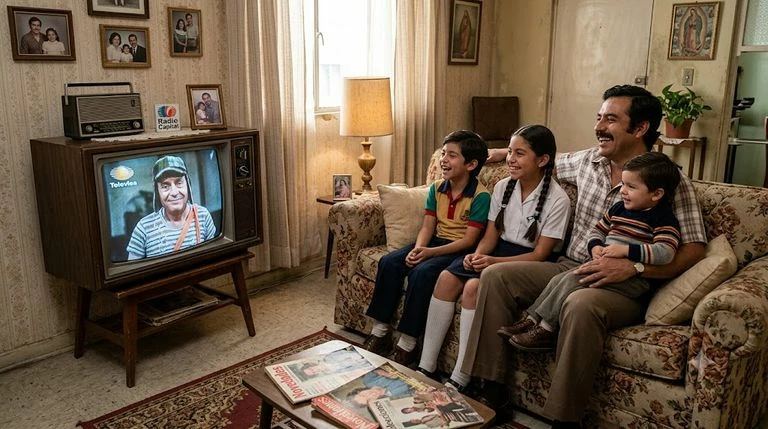
Both the discourses and processes of audiovisual production were changing to adapt to the demands of a "modernization" of the peripheries, in which the expansion of urban areas (and the depopulation of rural spaces) were linked to the imposition of cultural consumption patterns dominated by the Hollywood machine. Thus, to paraphrase Omar Rincón, television had no authors or artists; it was made by filmmakers and craftspeople.
Can Read Full Story Here: https://blurt.blog/blurt-192372/@bigbdp/dentro-del-barril-deep-series-review-1783516732085
Both the discourses and processes of audiovisual production were changing to adapt to the demands of a "modernization" of the peripheries, in which the expansion of urban areas (and the depopulation of rural spaces) were linked to the imposition of cultural consumption patterns dominated by the Hollywood machine. Thus, to paraphrase Omar Rincón, television had no authors or artists; it was made by filmmakers and craftspeople.
Can Read Full Story Here: https://blurt.blog/blurt-192372/@bigbdp/dentro-del-barril-deep-series-review-1783516732085


1
| 5,000 mlx | |
| 18 | |
| 1 |