These recommendations are generally true: a diet rich in…

0 reactions
These recommendations are generally true: a diet rich in vegetables and whole grains, combined with regular physical activity and limiting junk food, does indeed contribute to cardiovascular health. However, the idea that blood becomes "thick" in winter is an oversimplification: cold weather can influence blood pressure and cardiovascular risk, but not in such a direct way.
Diet and Heart Health
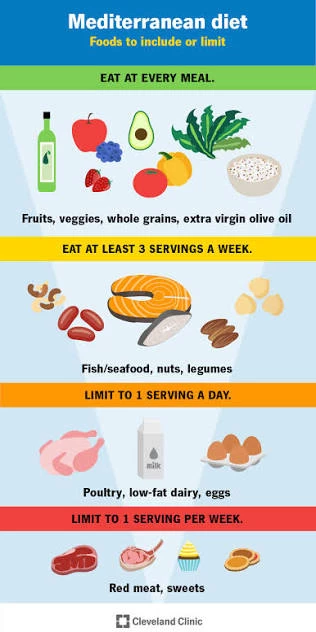
Doctors and specialized associations confirm that consuming vegetables, fruits, and whole grains is beneficial for the heart. These foods provide fiber, vitamins, and minerals that help maintain a healthy weight, reduce cholesterol, and improve arterial health. Conversely, junk food and processed foods increase cardiovascular risks. It is therefore recommended to prioritize a varied and balanced diet.
Effects of cold on the cardiovascular system
In winter, cold weather can cause a rise in blood pressure and a narrowing of blood vessels, which increases the risk of stroke or heart attack, especially in vulnerable individuals. However, the blood does not become “thick” in the medical sense: rather, it is the blood vessels’ reaction to the cold that increases the load on the heart. This explains why doctors recommend increased vigilance during periods of extreme cold.
Medical guidelines for a healthy heart
Official recommendations emphasize several points:
Maintain a balanced weight throughout life.
Engage in at least 150 minutes of physical activity per week.
Adjust calorie intake with age, as energy needs gradually decrease.
Regularly monitor your diet and blood pressure.
These measures, combined with a diet rich in vegetables and whole grains, significantly reduce the risk of cardiovascular disease.
In summary: the advice is well-founded on medical recommendations, but the notion of "thick blood in winter" is a simplistic image. The real risk comes from the body's reaction to the cold, and it is indeed advisable to reinforce good eating and exercise habits during this season.
Diet and Heart Health
Doctors and specialized associations confirm that consuming vegetables, fruits, and whole grains is beneficial for the heart. These foods provide fiber, vitamins, and minerals that help maintain a healthy weight, reduce cholesterol, and improve arterial health. Conversely, junk food and processed foods increase cardiovascular risks. It is therefore recommended to prioritize a varied and balanced diet.
Effects of cold on the cardiovascular system
In winter, cold weather can cause a rise in blood pressure and a narrowing of blood vessels, which increases the risk of stroke or heart attack, especially in vulnerable individuals. However, the blood does not become “thick” in the medical sense: rather, it is the blood vessels’ reaction to the cold that increases the load on the heart. This explains why doctors recommend increased vigilance during periods of extreme cold.
Medical guidelines for a healthy heart
Official recommendations emphasize several points:
Maintain a balanced weight throughout life.
Engage in at least 150 minutes of physical activity per week.
Adjust calorie intake with age, as energy needs gradually decrease.
Regularly monitor your diet and blood pressure.
These measures, combined with a diet rich in vegetables and whole grains, significantly reduce the risk of cardiovascular disease.
In summary: the advice is well-founded on medical recommendations, but the notion of "thick blood in winter" is a simplistic image. The real risk comes from the body's reaction to the cold, and it is indeed advisable to reinforce good eating and exercise habits during this season.


| 21,000 mlx | |
| 39 | |
| 0 |