
2 reactions
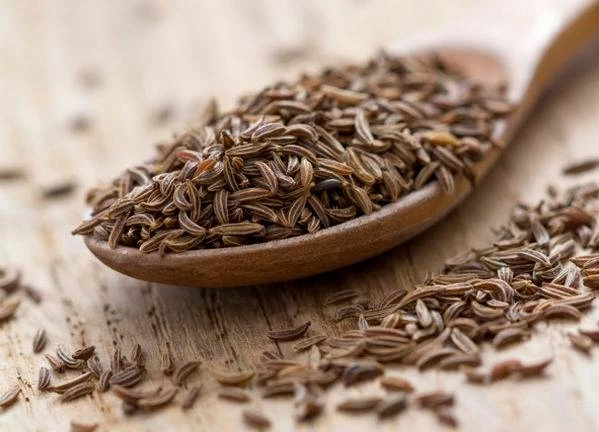
Fűszerkömény, az évezredes gyógyító
A minden bizonnyal Délnyugat-Ázsia területéről, illetőleg a Földközi-tenger partvidékéről eredeztethető, mára világszerte elterjedt növény igencsak jól alkalmazkodott a szélsőséges természeti viszonyokhoz, ezért is termesztik nagyon sokfelé, és ennek köszönheti kedvező árát is. A fűszerkömény (tudományos neve: Carum carvi) jelenleg ismert legkorábbi régészeti leletei a Kr. e. 3. évezredből származó sírok feltárása során kerültek elő. Így hát nem csoda, hogy az egyik legrégebbi fűszerként tartják számon világszerte. Már a Bibliában is találkozunk a kömény cséplésével. A mag kinyerése számos országban ma is a biblikus időkéhez hasonlóan történik – persze modernebb eszközökkel. Az sem meglepő, hogy a Kr. e. 3. századból fennmaradt, Apicius nevéhez köthető De re coqinaria címen fennmaradt könyvben is szerepel: itt található az első fűszerként alkalmazott említése is, legalábbis ennél korábbi írásos nyom még nem bukkant fel.
Összetevőinek köszönhetően elsősorban az emésztőszervrendszerre gyakorol igen kedvező hatást. Étvágygerjesztőként és görcsoldóként éppúgy bizonyított már a köménymag, mint szélhajtóként. Épp ezért gyakori összetevője méregtelenítő, puffadás gátló vagy épp görcsoldó teakeverékeknek is, de a köménymagból magunk is egyszerűen készíthetünk teát. ½ teáskanál kissé összetört köménymagot 2 dl forrásban lévő vízzel öntsünk le, 10-12 percet hagyjuk állni, majd leszűrve, lassan kortyoljuk. Meglepően gyors és hatékony segítség emésztési problémák esetén.
🍽️
Cumin, the ancient healer
The plant, which can certainly originate from the area of South-West Asia or the Mediterranean coast, and is now widespread worldwide, is very well adapted to extreme natural conditions, which is why it is grown in many places, and thanks to this, its favorable price. The currently known earliest archaeological finds of cumin (scientific name: Carum carvi) date back to BC. They were found during the excavation of graves from the 3rd millennium. So it is no wonder that it is considered one of the oldest spices worldwide. Even in the Bible, we encounter cumin threshing. In many countries, seed extraction is still done in the same way as in biblical times - of course with more modern tools. It is also not surprising that the B.C. It is also mentioned in the book De re coqinaria from the 3rd century, which is related to the name of Apicius: it is also mentioned here as the first use as a spice, at least no earlier written traces have emerged.
Thanks to its ingredients, it mainly has a very favorable effect on the digestive system. Cumin seeds have been proven as an appetite stimulant and antispasmodic as well as a carminative. That is why it is a common ingredient in detoxifying, anti-bloating or even antispasmodic tea mixtures, but you can also easily make tea from cumin seeds yourself. Pour ½ teaspoon of slightly crushed cumin seeds with 2 dl of boiling water, let it stand for 10-12 minutes, then strain and sip slowly. Surprisingly fast and effective help for digestive problems.
A minden bizonnyal Délnyugat-Ázsia területéről, illetőleg a Földközi-tenger partvidékéről eredeztethető, mára világszerte elterjedt növény igencsak jól alkalmazkodott a szélsőséges természeti viszonyokhoz, ezért is termesztik nagyon sokfelé, és ennek köszönheti kedvező árát is. A fűszerkömény (tudományos neve: Carum carvi) jelenleg ismert legkorábbi régészeti leletei a Kr. e. 3. évezredből származó sírok feltárása során kerültek elő. Így hát nem csoda, hogy az egyik legrégebbi fűszerként tartják számon világszerte. Már a Bibliában is találkozunk a kömény cséplésével. A mag kinyerése számos országban ma is a biblikus időkéhez hasonlóan történik – persze modernebb eszközökkel. Az sem meglepő, hogy a Kr. e. 3. századból fennmaradt, Apicius nevéhez köthető De re coqinaria címen fennmaradt könyvben is szerepel: itt található az első fűszerként alkalmazott említése is, legalábbis ennél korábbi írásos nyom még nem bukkant fel.
Összetevőinek köszönhetően elsősorban az emésztőszervrendszerre gyakorol igen kedvező hatást. Étvágygerjesztőként és görcsoldóként éppúgy bizonyított már a köménymag, mint szélhajtóként. Épp ezért gyakori összetevője méregtelenítő, puffadás gátló vagy épp görcsoldó teakeverékeknek is, de a köménymagból magunk is egyszerűen készíthetünk teát. ½ teáskanál kissé összetört köménymagot 2 dl forrásban lévő vízzel öntsünk le, 10-12 percet hagyjuk állni, majd leszűrve, lassan kortyoljuk. Meglepően gyors és hatékony segítség emésztési problémák esetén.
🍽️
Cumin, the ancient healer
The plant, which can certainly originate from the area of South-West Asia or the Mediterranean coast, and is now widespread worldwide, is very well adapted to extreme natural conditions, which is why it is grown in many places, and thanks to this, its favorable price. The currently known earliest archaeological finds of cumin (scientific name: Carum carvi) date back to BC. They were found during the excavation of graves from the 3rd millennium. So it is no wonder that it is considered one of the oldest spices worldwide. Even in the Bible, we encounter cumin threshing. In many countries, seed extraction is still done in the same way as in biblical times - of course with more modern tools. It is also not surprising that the B.C. It is also mentioned in the book De re coqinaria from the 3rd century, which is related to the name of Apicius: it is also mentioned here as the first use as a spice, at least no earlier written traces have emerged.
Thanks to its ingredients, it mainly has a very favorable effect on the digestive system. Cumin seeds have been proven as an appetite stimulant and antispasmodic as well as a carminative. That is why it is a common ingredient in detoxifying, anti-bloating or even antispasmodic tea mixtures, but you can also easily make tea from cumin seeds yourself. Pour ½ teaspoon of slightly crushed cumin seeds with 2 dl of boiling water, let it stand for 10-12 minutes, then strain and sip slowly. Surprisingly fast and effective help for digestive problems.


| 29,000 mlx | |
| 18 | |
| 2 |