11 reactions
September is National Preparedness Month in the United States.
The Federal Emergency Management Agency (FEMA) established this observance in 2004 to raise awareness of what is needed for safety and well-being in any potential disaster situation until assistance arrives. From devising an emergency plan to stocking up on essential supplies, National Preparedness Month is the ideal opportunity to insure against the future, if you haven't done so, already.
Things To Do During National Preparedness Month
1. Create an emergency plan. An emergency plan for your family will provide peace of mind, with everyone knowing what to do in an emergency.
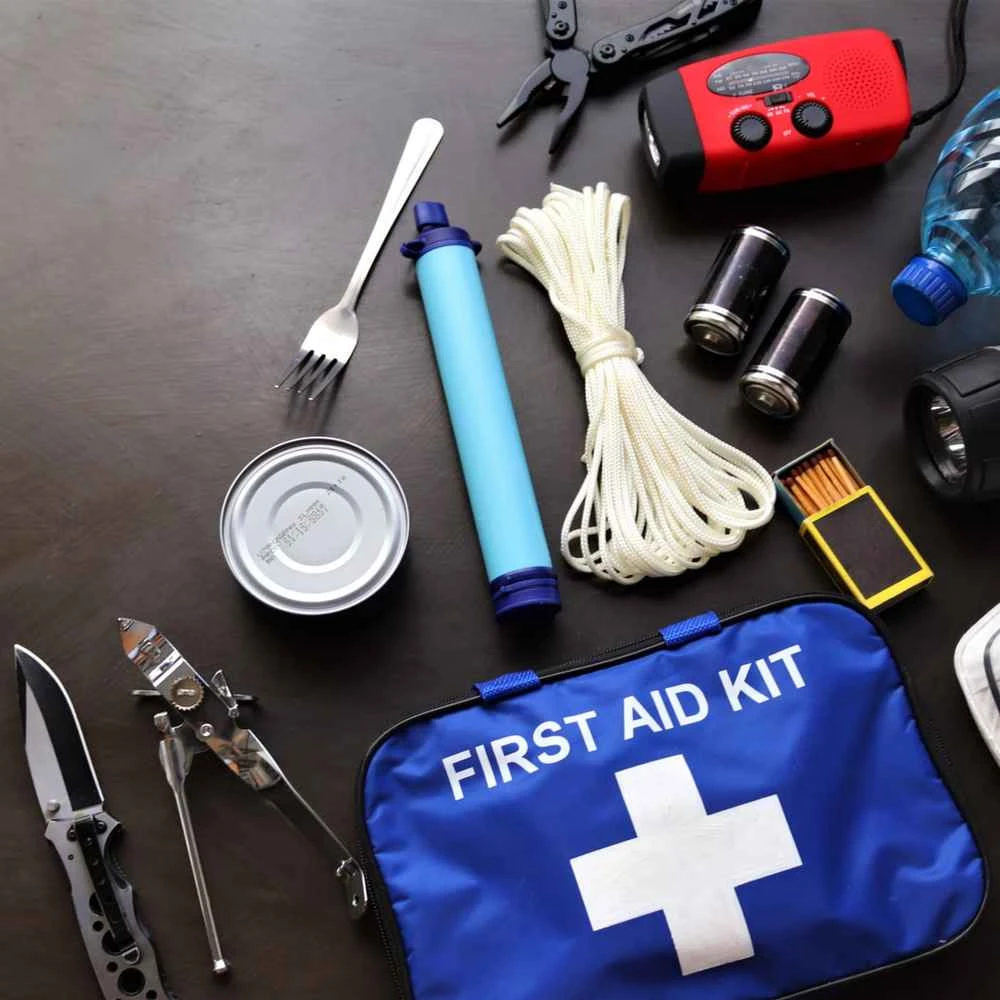
2. Update your supplies. Check your emergency supplies like flashlights, batteries, first aid kits, food and water; restock, if necessary.
3. Organize documents. Be sure to have all important documents in one place and organized, such as insurance policies, birth certificates, Social Security cards, etc.
4. Medications. If you take prescription medications, ensure your emergency supplies include enough until disaster recovery begins.
5. Participate in a drill. A disaster drill with your family or organization practises what to do during an emergency.
6. Educate yourself. Read about natural disasters and other emergencies that may occur in your area, so you know what to expect and the best ways to respond.
Importance of National Preparedness Month
1. It protects you and your family. National Preparedness Month is an important reminder to take safety precautions in any disasters or emergencies. A plan for your family and the necessary emergency supplies will ensure everyone remains safe in a crisis.
2. It helps reduce the impact of disasters. An emergency preparedness plan can help limit the damage caused by a disaster and reduce recovery time. Knowing what is needed on hand and where it is stored will facilitate access when required, allowing responders to focus on those who need help most.
3. It encourages community involvement. Get involved in National Preparedness Month activities and meet other people in the community who are interested in staying safe during disasters. Working together to create emergency plans and build an emergency supply kit can foster trust and understanding amongst neighbors, leading to stronger, more resilient communities.
• Guidance from FEMA for individuals, families and organizations .
• Reach out to your local Fire Department for Community Emergency Response Team (CERT) classes, so you can organize the people around you when a disaster strikes.
• Wishing
#NationalPreparednessMonth #tangled
The Federal Emergency Management Agency (FEMA) established this observance in 2004 to raise awareness of what is needed for safety and well-being in any potential disaster situation until assistance arrives. From devising an emergency plan to stocking up on essential supplies, National Preparedness Month is the ideal opportunity to insure against the future, if you haven't done so, already.
Things To Do During National Preparedness Month
1. Create an emergency plan. An emergency plan for your family will provide peace of mind, with everyone knowing what to do in an emergency.
2. Update your supplies. Check your emergency supplies like flashlights, batteries, first aid kits, food and water; restock, if necessary.
3. Organize documents. Be sure to have all important documents in one place and organized, such as insurance policies, birth certificates, Social Security cards, etc.
4. Medications. If you take prescription medications, ensure your emergency supplies include enough until disaster recovery begins.
5. Participate in a drill. A disaster drill with your family or organization practises what to do during an emergency.
6. Educate yourself. Read about natural disasters and other emergencies that may occur in your area, so you know what to expect and the best ways to respond.
Importance of National Preparedness Month
1. It protects you and your family. National Preparedness Month is an important reminder to take safety precautions in any disasters or emergencies. A plan for your family and the necessary emergency supplies will ensure everyone remains safe in a crisis.
2. It helps reduce the impact of disasters. An emergency preparedness plan can help limit the damage caused by a disaster and reduce recovery time. Knowing what is needed on hand and where it is stored will facilitate access when required, allowing responders to focus on those who need help most.
3. It encourages community involvement. Get involved in National Preparedness Month activities and meet other people in the community who are interested in staying safe during disasters. Working together to create emergency plans and build an emergency supply kit can foster trust and understanding amongst neighbors, leading to stronger, more resilient communities.
• Guidance from FEMA for individuals, families and organizations .
• Reach out to your local Fire Department for Community Emergency Response Team (CERT) classes, so you can organize the people around you when a disaster strikes.
• Wishing
#NationalPreparednessMonth #tangled


| 130,000 mlx | |
| 53 | |
| 11 |