Game System Principle The system is based on a 7x7 grid…

0 reactions
Game System Principle
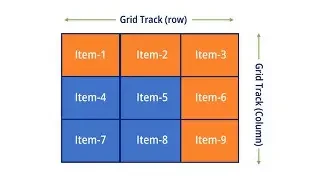
The system is based on a 7x7 grid where two players (A in blue and B in dark blue) fill in the squares. Each filled square costs $0.07, which is added to the shared pot. The goal is to complete entire lines: each completed line triggers a payout equivalent to 90% of the pot to the player who completed it. In the event of a tie (no lines completed), each player simply gets their initial stake back.
Risk of Addiction
This system can pose a risk of addiction because it combines three typical elements of gambling:
- Low, repetitive stakes ($0.07 per square), which encourages prolonged play without immediately seeing the total cost.
- High, random rewards (90% of the pot), which create high expectations and stimulate compulsive behavior. - Constant suspense linked to the progressive filling of the grid and the possibility of a tie, which pushes players to continue in order to "not lose the advantage."
Consequences and Perception
Addiction can develop because the player associates each action (filling in a square) with an expected gain disproportionate to the cost. The system exploits the psychological mechanism of intermittent reward: sometimes a line pays out a lot, sometimes nothing, but the uncertainty fuels the desire to play again. In the long term, this can lead to cumulative financial loss and behavioral dependence, especially if the player does not perceive the boundary between entertainment and investment.
The system is based on a 7x7 grid where two players (A in blue and B in dark blue) fill in the squares. Each filled square costs $0.07, which is added to the shared pot. The goal is to complete entire lines: each completed line triggers a payout equivalent to 90% of the pot to the player who completed it. In the event of a tie (no lines completed), each player simply gets their initial stake back.
Risk of Addiction
This system can pose a risk of addiction because it combines three typical elements of gambling:
- Low, repetitive stakes ($0.07 per square), which encourages prolonged play without immediately seeing the total cost.
- High, random rewards (90% of the pot), which create high expectations and stimulate compulsive behavior. - Constant suspense linked to the progressive filling of the grid and the possibility of a tie, which pushes players to continue in order to "not lose the advantage."
Consequences and Perception
Addiction can develop because the player associates each action (filling in a square) with an expected gain disproportionate to the cost. The system exploits the psychological mechanism of intermittent reward: sometimes a line pays out a lot, sometimes nothing, but the uncertainty fuels the desire to play again. In the long term, this can lead to cumulative financial loss and behavioral dependence, especially if the player does not perceive the boundary between entertainment and investment.


| 32,000 mlx | |
| 56 | |
| 0 |