
0 reactions
Kevin Costner’s 'Horizon' revisits painful moments in Native American history. Why Indigenous actors said yes to helping tell the story.
In Kevin Costner’s first installment of his four-part epic Horizon: An American Saga, bands of settlers head west in search of a so-called promised land, where they can park their wagons and set up a new town. The only problem is that they’re trespassing on Apache land, and the Indigenous inhabitants aren’t happy about it.
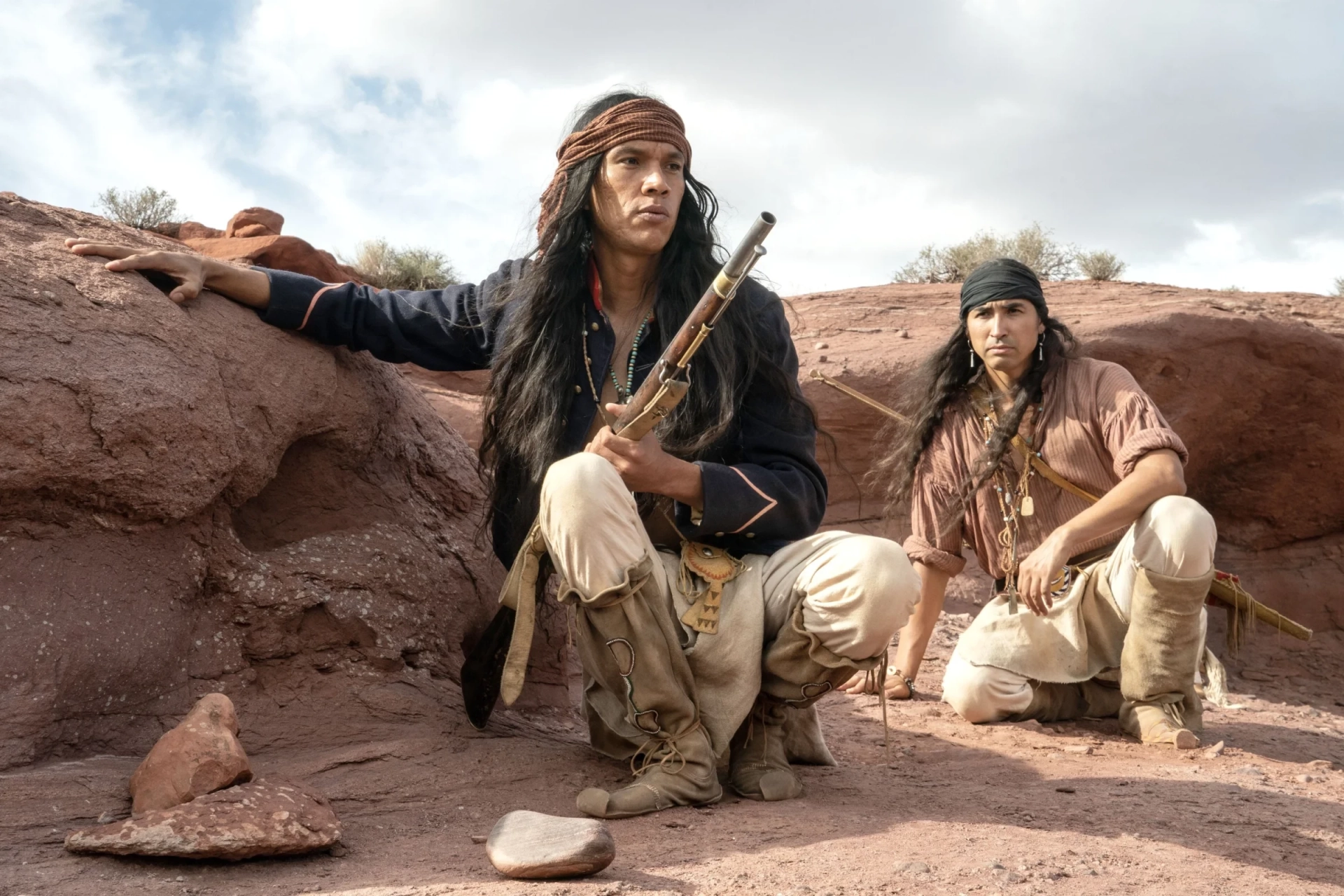
While Chapter 1 of the Civil War-era saga, in theaters June 28, focuses mainly on white settlers and the U.S. military, the film also takes viewers into the White Mountain Apache community as its chief and his sons discuss the encroachment — as well as their varying takes on the violent response from some in the tribe.
Given the historically insensitive portrayals of Native Americans in film over the years, the Indigenous actors who signed on to Horizon wanted to make sure that their storylines and depictions wouldn’t be problematic — as in, the men wouldn’t just be the bad guys and the women their “over-sexualized” accessories.
“As a Native actor, when Westerns come along, you kind of have to be very, very careful and wary of what you get involved with,” Tatanka Means, who is Navajo, Oglala Lakota, Yankton Dakota and Omaha, told Yahoo Entertainment.
While he said that digging into the script, “doing your investigations and ripping it apart,” is always key, Means, who also starred in Killers of the Flower Moon, said that who’s involved in the storytelling makes a big difference as well.
Among many Natives, Costner has earned that respect after his 1990 Academy Award-winning film Dances With Wolves not only employed many Indigenous actors but also offered empathetic portrayals.
“I think with Kevin and the way he handled things with Dances with Wolves and other Westerns that he's done, I think that trust was kind of established there,” explained Means, who plays Apache warrior Taklishim in Horizon.
“For me, as a Native woman, it was really important that we were portrayed accurately,” said Wasé Chief, who is Oglala Lakota.
Chief plays Liluye, the wife of Taklishim, who doesn’t hesitate to speak up when it comes to her family’s next move.
“We were matriarchal societies, and we didn't necessarily have to do everything that men were telling us to do,” she told Yahoo. “So it was nice that Kevin made sure to portray Native women really strong and independent and free of any kind of restraint from men.”
Owen Crow Shoe, a First Nations actor from the Piikani Nation and Blood Tribe of the Blackfoot Confederacy who plays Taklishim’s brother Pionsenay, echoed Means’s perspective.
“Knowing that it was a Kevin Costner film and just knowing already how passionate he is about the portrayal of Native Americans [made a difference],” he said, “and how the characters, reading the script, it's not just the one-dimensional warriors, like, we're just kill, kill, kill all the time.”
That said, there is violence in the film — not only between the settlers and the Apaches but also among the settlers themselves. And yes, there is scalping — of Natives — which Chief admitted could be “triggering.”
In Kevin Costner’s first installment of his four-part epic Horizon: An American Saga, bands of settlers head west in search of a so-called promised land, where they can park their wagons and set up a new town. The only problem is that they’re trespassing on Apache land, and the Indigenous inhabitants aren’t happy about it.
While Chapter 1 of the Civil War-era saga, in theaters June 28, focuses mainly on white settlers and the U.S. military, the film also takes viewers into the White Mountain Apache community as its chief and his sons discuss the encroachment — as well as their varying takes on the violent response from some in the tribe.
Given the historically insensitive portrayals of Native Americans in film over the years, the Indigenous actors who signed on to Horizon wanted to make sure that their storylines and depictions wouldn’t be problematic — as in, the men wouldn’t just be the bad guys and the women their “over-sexualized” accessories.
“As a Native actor, when Westerns come along, you kind of have to be very, very careful and wary of what you get involved with,” Tatanka Means, who is Navajo, Oglala Lakota, Yankton Dakota and Omaha, told Yahoo Entertainment.
While he said that digging into the script, “doing your investigations and ripping it apart,” is always key, Means, who also starred in Killers of the Flower Moon, said that who’s involved in the storytelling makes a big difference as well.
Among many Natives, Costner has earned that respect after his 1990 Academy Award-winning film Dances With Wolves not only employed many Indigenous actors but also offered empathetic portrayals.
“I think with Kevin and the way he handled things with Dances with Wolves and other Westerns that he's done, I think that trust was kind of established there,” explained Means, who plays Apache warrior Taklishim in Horizon.
“For me, as a Native woman, it was really important that we were portrayed accurately,” said Wasé Chief, who is Oglala Lakota.
Chief plays Liluye, the wife of Taklishim, who doesn’t hesitate to speak up when it comes to her family’s next move.
“We were matriarchal societies, and we didn't necessarily have to do everything that men were telling us to do,” she told Yahoo. “So it was nice that Kevin made sure to portray Native women really strong and independent and free of any kind of restraint from men.”
Owen Crow Shoe, a First Nations actor from the Piikani Nation and Blood Tribe of the Blackfoot Confederacy who plays Taklishim’s brother Pionsenay, echoed Means’s perspective.
“Knowing that it was a Kevin Costner film and just knowing already how passionate he is about the portrayal of Native Americans [made a difference],” he said, “and how the characters, reading the script, it's not just the one-dimensional warriors, like, we're just kill, kill, kill all the time.”
That said, there is violence in the film — not only between the settlers and the Apaches but also among the settlers themselves. And yes, there is scalping — of Natives — which Chief admitted could be “triggering.”


| 16,000 mlx | |
| 16 | |
| 0 |