
9 reactions
From vinyl records to digital streaming, trace the changing trends in music genres, artists, and iconic albums that have defined each era.
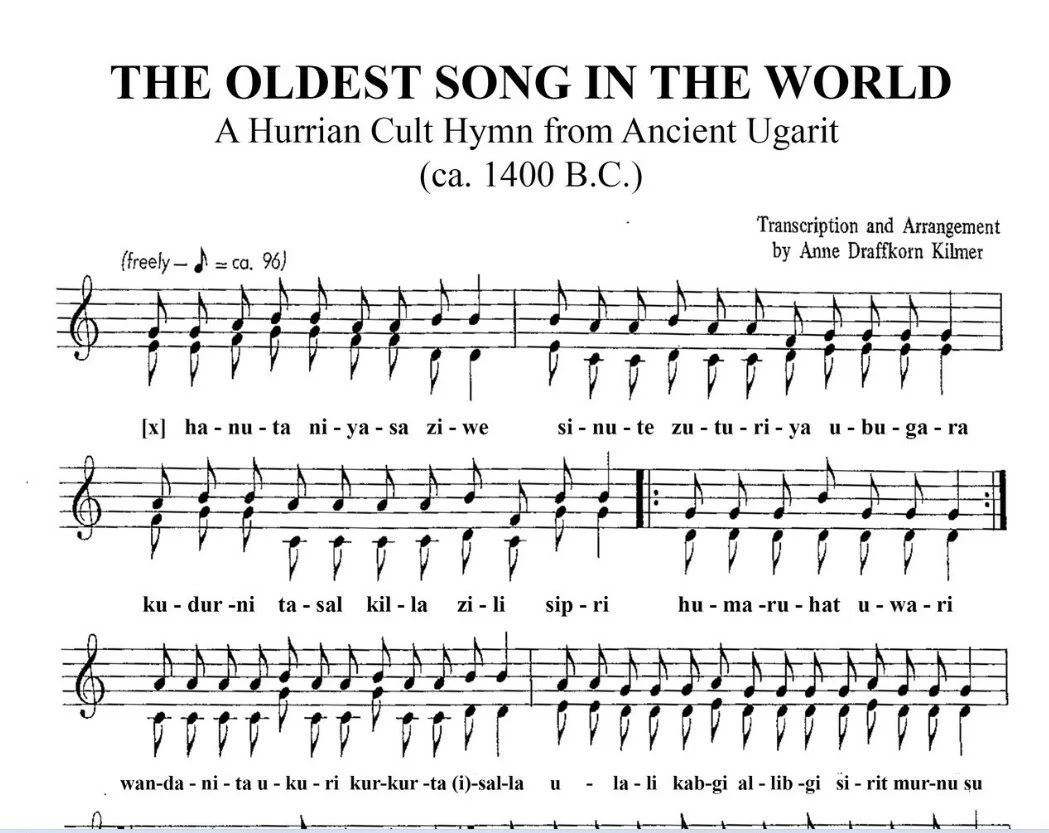
As a bonus to this post, I would like to join two pictures about the oldest song in the world. A Hurrian Cult Hymn from Ancient Ugarit (ca.1400 B. C.)
Over the past century, the landscape of music has undergone a remarkable transformation, shaped by technological advancements, cultural shifts, and the creative endeavors of countless artists. From the nostalgic crackle of vinyl records to the seamless convenience of digital streaming platforms, the way we consume music has evolved dramatically, reflecting the changing tastes and preferences of audiences worldwide.
In the early 20th century, vinyl records emerged as the dominant medium for music consumption, revolutionizing the way people experienced their favorite songs and albums. With the advent of record players and phonographs, music lovers could enjoy the rich sound quality of analog recordings in the comfort of their own homes, sparking a golden age of jazz, blues, and swing music.
As the decades unfolded, new music genres began to emerge, each leaving an indelible mark on the cultural landscape. From the rock and roll revolution of the 1950s to the psychedelic sounds of the 1960s, artists pushed the boundaries of creativity, experimenting with new sounds, instruments, and production techniques to captivate audiences around the world.
The 1970s and 1980s witnessed the rise of disco, punk rock, and hip-hop, each genre bringing its own unique energy and attitude to the music scene. Iconic albums like Michael Jackson's "Thriller," Pink Floyd's "The Dark Side of the Moon," and Nirvana's "Nevermind" became synonymous with their respective eras, shaping the musical zeitgeist and inspiring generations of artists to come.
With the dawn of the digital age in the late 20th century, the music industry underwent a seismic shift, as CDs, MP3s, and eventually streaming services revolutionized the way music was produced, distributed, and consumed. Platforms like Spotify, Apple Music, and YouTube have made it easier than ever for listeners to discover new music, connect with their favorite artists, and create personalized playlists tailored to their tastes.
Today, the music industry continues to evolve at a rapid pace, with emerging technologies like artificial intelligence and virtual reality offering new avenues for artistic expression and fan engagement. As we look to the future, one thing remains clear: music will always be a powerful force for connection, creativity, and cultural expression, transcending borders and bringing people together in shared moments of joy and inspiration.
As a bonus to this post, I would like to join two pictures about the oldest song in the world. A Hurrian Cult Hymn from Ancient Ugarit (ca.1400 B. C.)
Over the past century, the landscape of music has undergone a remarkable transformation, shaped by technological advancements, cultural shifts, and the creative endeavors of countless artists. From the nostalgic crackle of vinyl records to the seamless convenience of digital streaming platforms, the way we consume music has evolved dramatically, reflecting the changing tastes and preferences of audiences worldwide.
In the early 20th century, vinyl records emerged as the dominant medium for music consumption, revolutionizing the way people experienced their favorite songs and albums. With the advent of record players and phonographs, music lovers could enjoy the rich sound quality of analog recordings in the comfort of their own homes, sparking a golden age of jazz, blues, and swing music.
As the decades unfolded, new music genres began to emerge, each leaving an indelible mark on the cultural landscape. From the rock and roll revolution of the 1950s to the psychedelic sounds of the 1960s, artists pushed the boundaries of creativity, experimenting with new sounds, instruments, and production techniques to captivate audiences around the world.
The 1970s and 1980s witnessed the rise of disco, punk rock, and hip-hop, each genre bringing its own unique energy and attitude to the music scene. Iconic albums like Michael Jackson's "Thriller," Pink Floyd's "The Dark Side of the Moon," and Nirvana's "Nevermind" became synonymous with their respective eras, shaping the musical zeitgeist and inspiring generations of artists to come.
With the dawn of the digital age in the late 20th century, the music industry underwent a seismic shift, as CDs, MP3s, and eventually streaming services revolutionized the way music was produced, distributed, and consumed. Platforms like Spotify, Apple Music, and YouTube have made it easier than ever for listeners to discover new music, connect with their favorite artists, and create personalized playlists tailored to their tastes.
Today, the music industry continues to evolve at a rapid pace, with emerging technologies like artificial intelligence and virtual reality offering new avenues for artistic expression and fan engagement. As we look to the future, one thing remains clear: music will always be a powerful force for connection, creativity, and cultural expression, transcending borders and bringing people together in shared moments of joy and inspiration.



| 35,000 mlx | |
| 29 | |
| 9 |