
18 reactions
"Cooling Atoms to Absolute Zero: Quantum Effects and State Transitions"
Cooling atoms to absolute zero, which is the theoretical lowest possible temperature (0 Kelvin or -273.15 degrees Celsius), presents intriguing effects according to the principles of quantum mechanics.
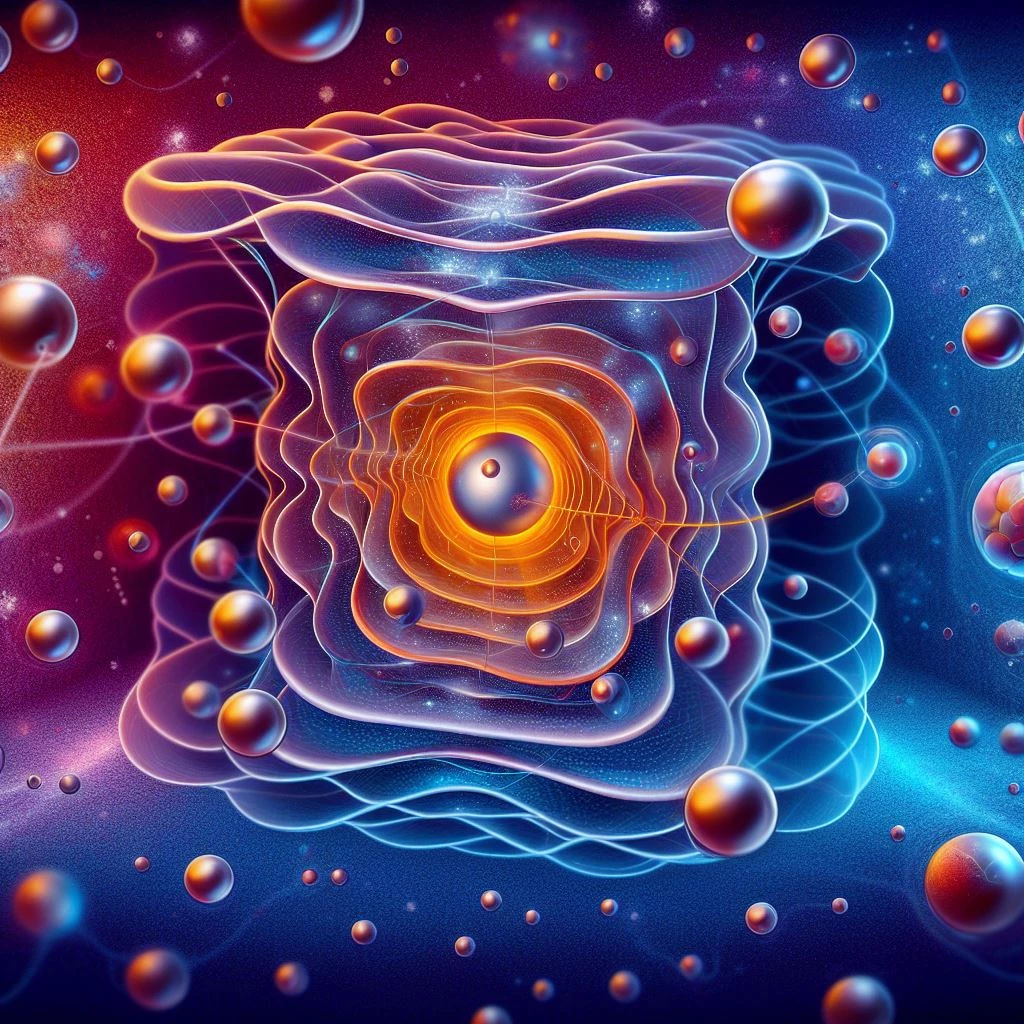
At absolute zero, atoms would lose all their thermal energy and come to a state of minimal motion, reaching their ground state. However, due to the Heisenberg Uncertainty Principle, which states that you cannot know both the exact position and momentum of a particle simultaneously, atoms would still possess a minimum amount of uncertainty in their motion, known as zero-point energy.
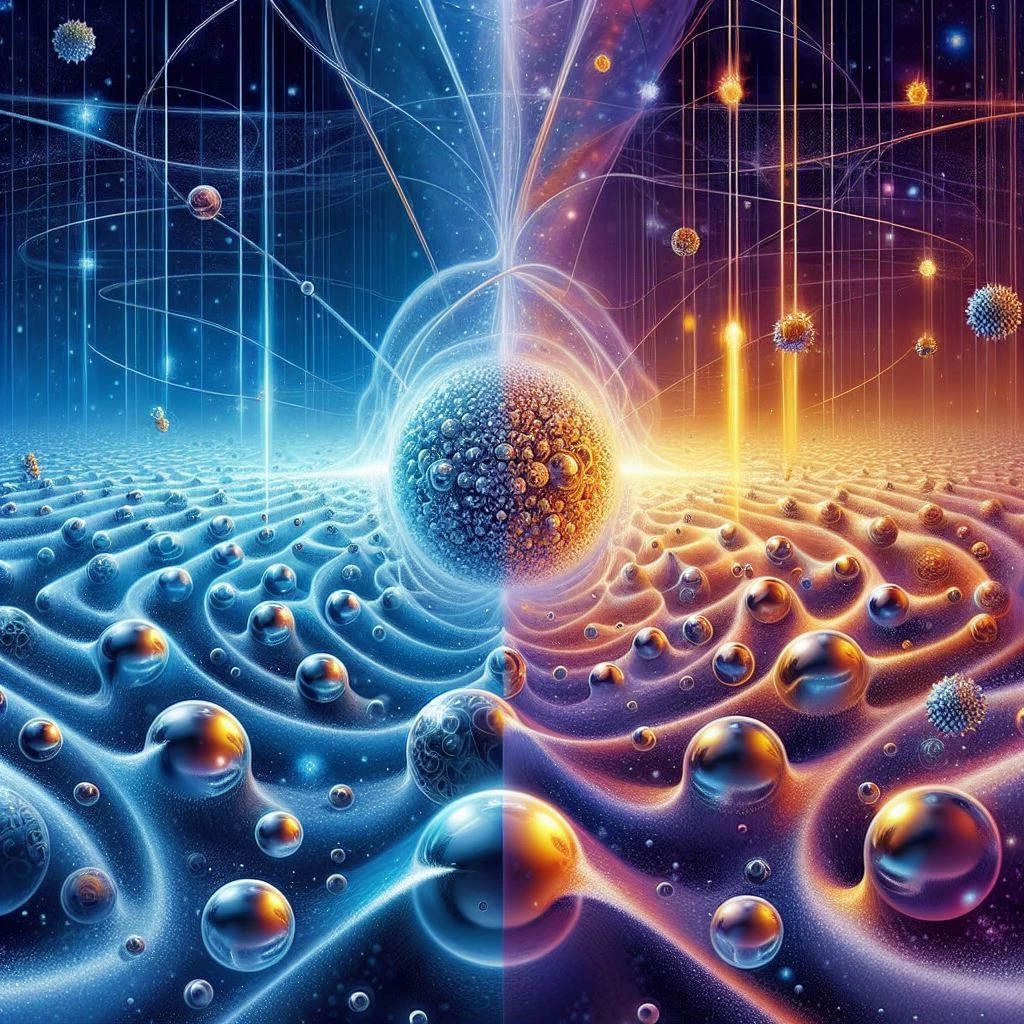
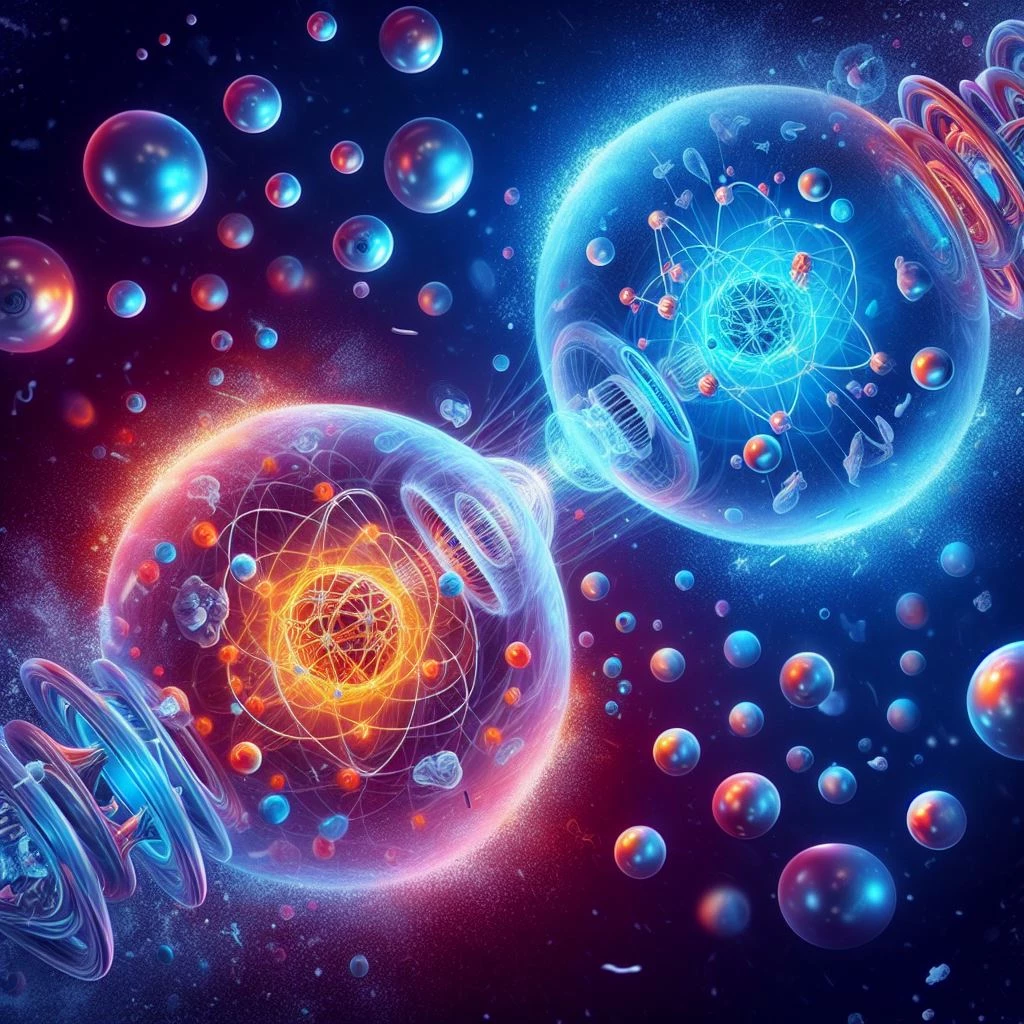
For fermions (particles like electrons that obey the Pauli exclusion principle), they would occupy the lowest energy levels available, filling up quantum states according to the Fermi-Dirac statistics. This results in the formation of a degenerate matter state, where no two fermions can occupy the same quantum state.
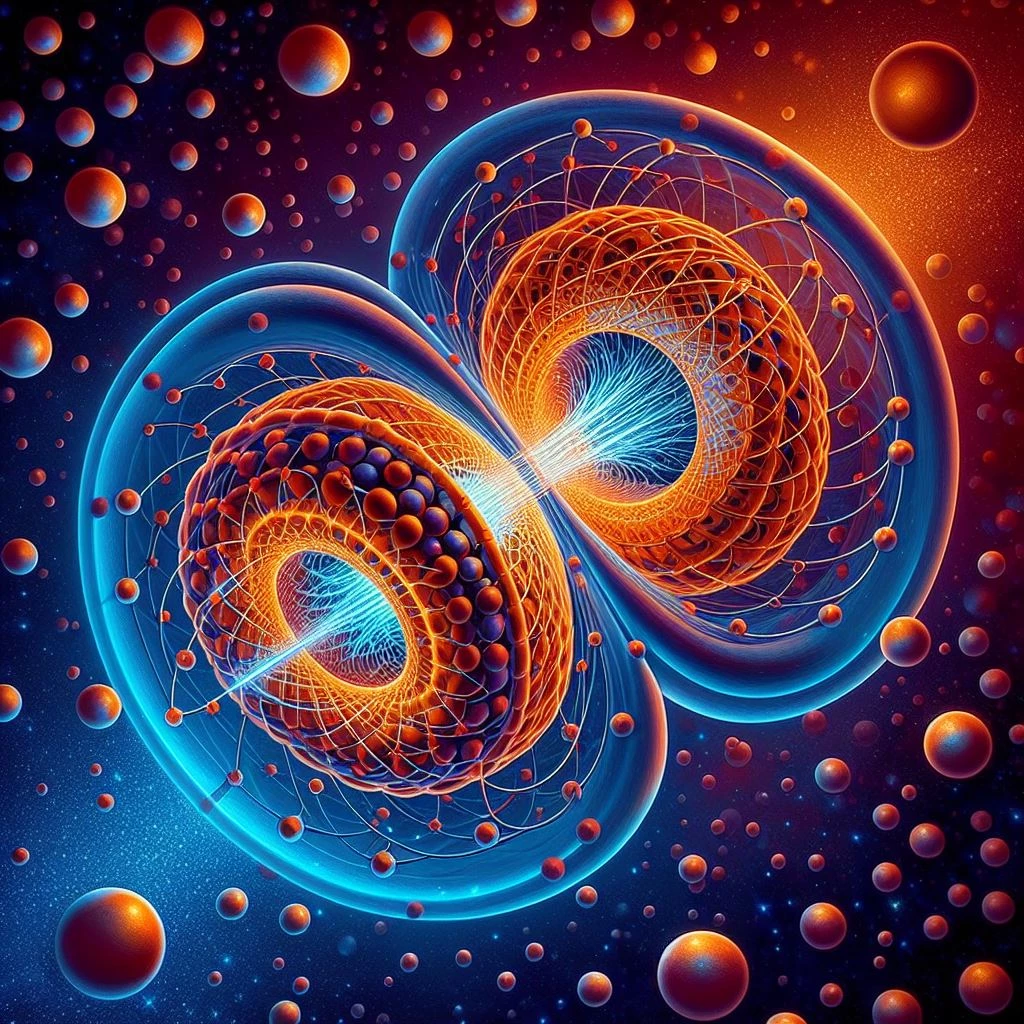
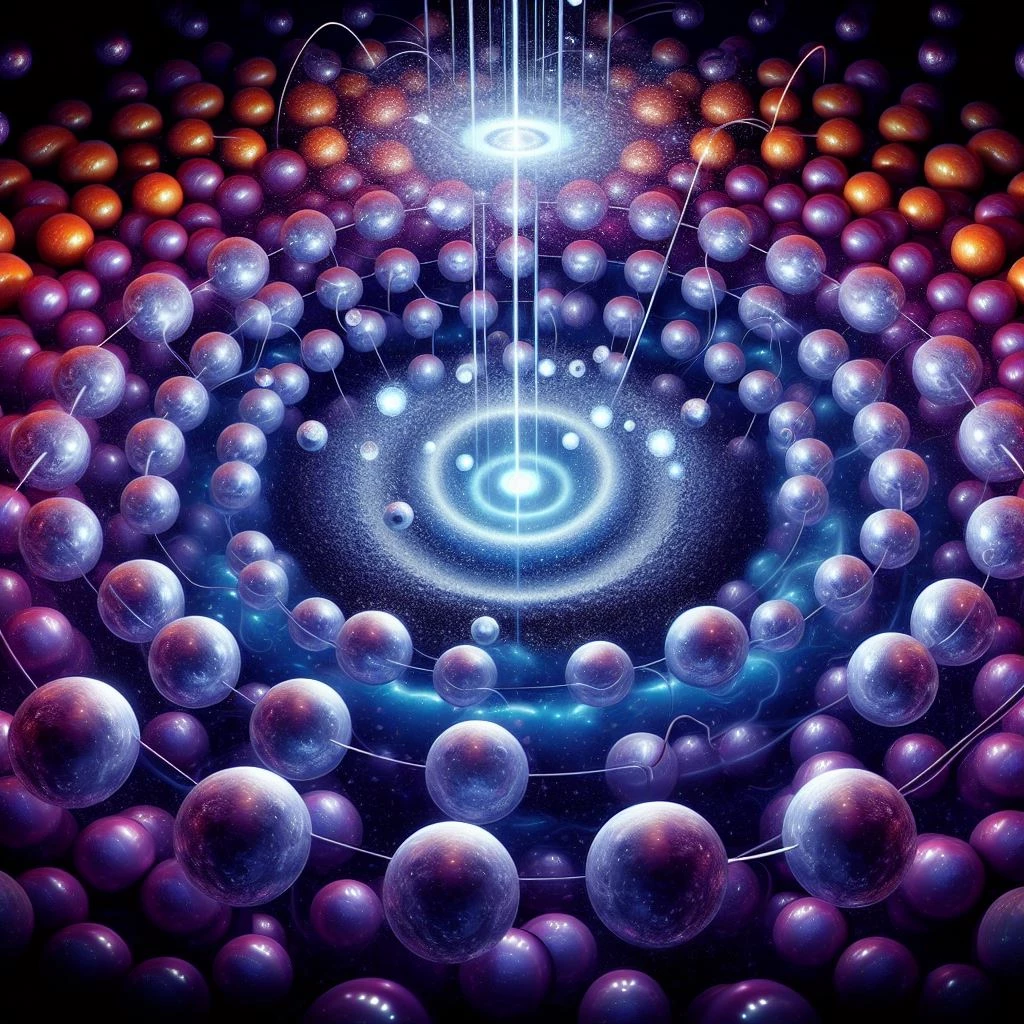
Bosons, on the other hand, follow Bose-Einstein statistics. Some bosons would condense into the same quantum state, forming a Bose-Einstein condensate (BEC). This BEC is characterized by the macroscopic occupation of the lowest quantum state, displaying unique quantum properties like superfluidity and coherence at the macroscopic level.
In summary, atoms at absolute zero exhibit fascinating quantum behavior, with fermions reaching their lowest energy states, forming degenerate matter, while bosons can condense into a single quantum state, forming a Bose-Einstein condensate. These phenomena have been experimentally observed and studied in the field of ultracold physics.
#AbsoluteZeroAtoms #QuantumEffects #FermionsVsBosons #BoseEinsteinCondensate #UltracoldPhysics
Cooling atoms to absolute zero, which is the theoretical lowest possible temperature (0 Kelvin or -273.15 degrees Celsius), presents intriguing effects according to the principles of quantum mechanics.
At absolute zero, atoms would lose all their thermal energy and come to a state of minimal motion, reaching their ground state. However, due to the Heisenberg Uncertainty Principle, which states that you cannot know both the exact position and momentum of a particle simultaneously, atoms would still possess a minimum amount of uncertainty in their motion, known as zero-point energy.
For fermions (particles like electrons that obey the Pauli exclusion principle), they would occupy the lowest energy levels available, filling up quantum states according to the Fermi-Dirac statistics. This results in the formation of a degenerate matter state, where no two fermions can occupy the same quantum state.
Bosons, on the other hand, follow Bose-Einstein statistics. Some bosons would condense into the same quantum state, forming a Bose-Einstein condensate (BEC). This BEC is characterized by the macroscopic occupation of the lowest quantum state, displaying unique quantum properties like superfluidity and coherence at the macroscopic level.
In summary, atoms at absolute zero exhibit fascinating quantum behavior, with fermions reaching their lowest energy states, forming degenerate matter, while bosons can condense into a single quantum state, forming a Bose-Einstein condensate. These phenomena have been experimentally observed and studied in the field of ultracold physics.
#AbsoluteZeroAtoms #QuantumEffects #FermionsVsBosons #BoseEinsteinCondensate #UltracoldPhysics


| 276,000 mlx | |
| 39 | |
| 18 |
This is awesome. Science and math were my favorite classes in school. The art is awesome and goes great with the info you shared.

Someone on twitter asked what would happen to an atom at absolute zero so I learned.