
22 reactions
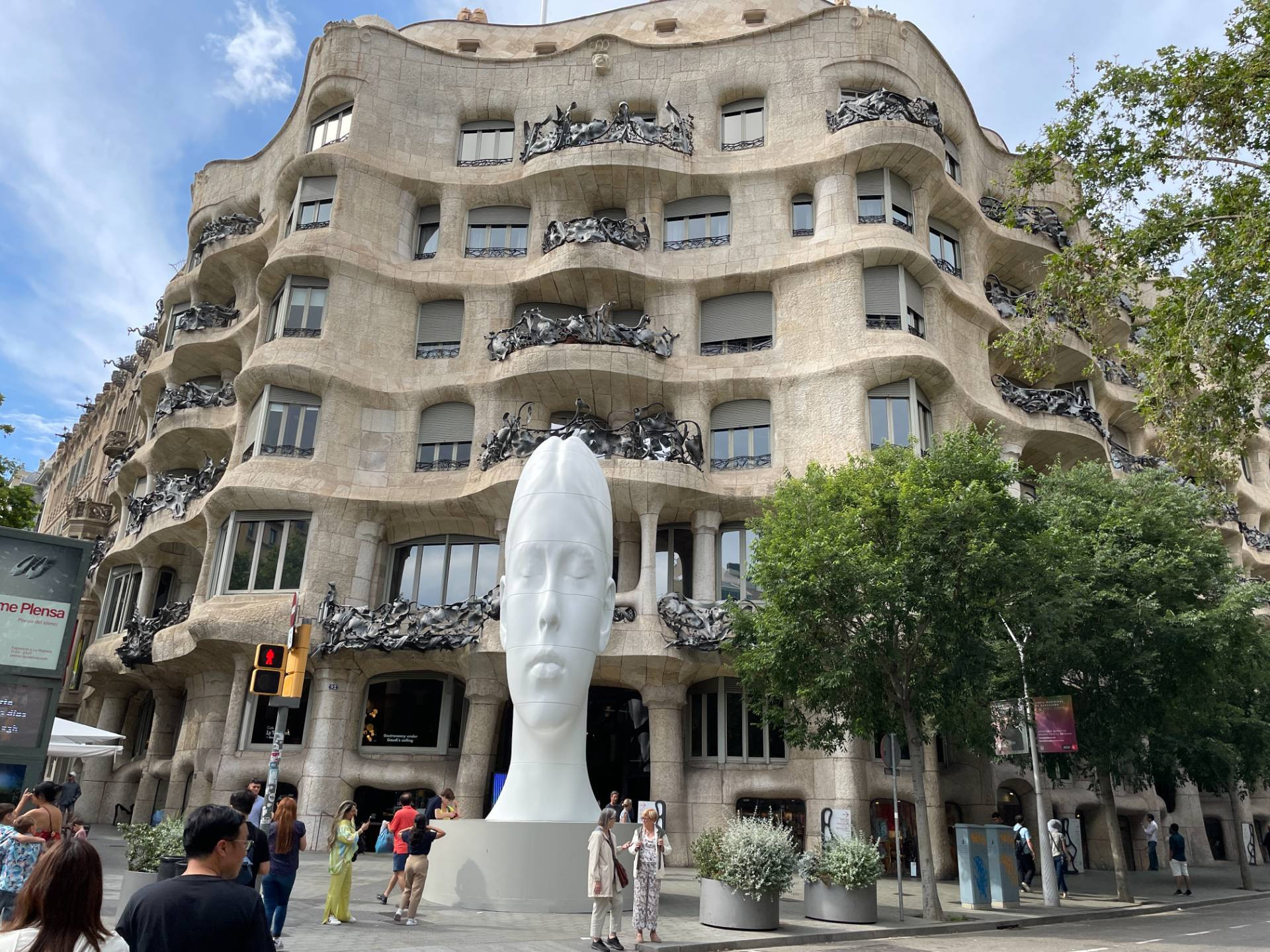
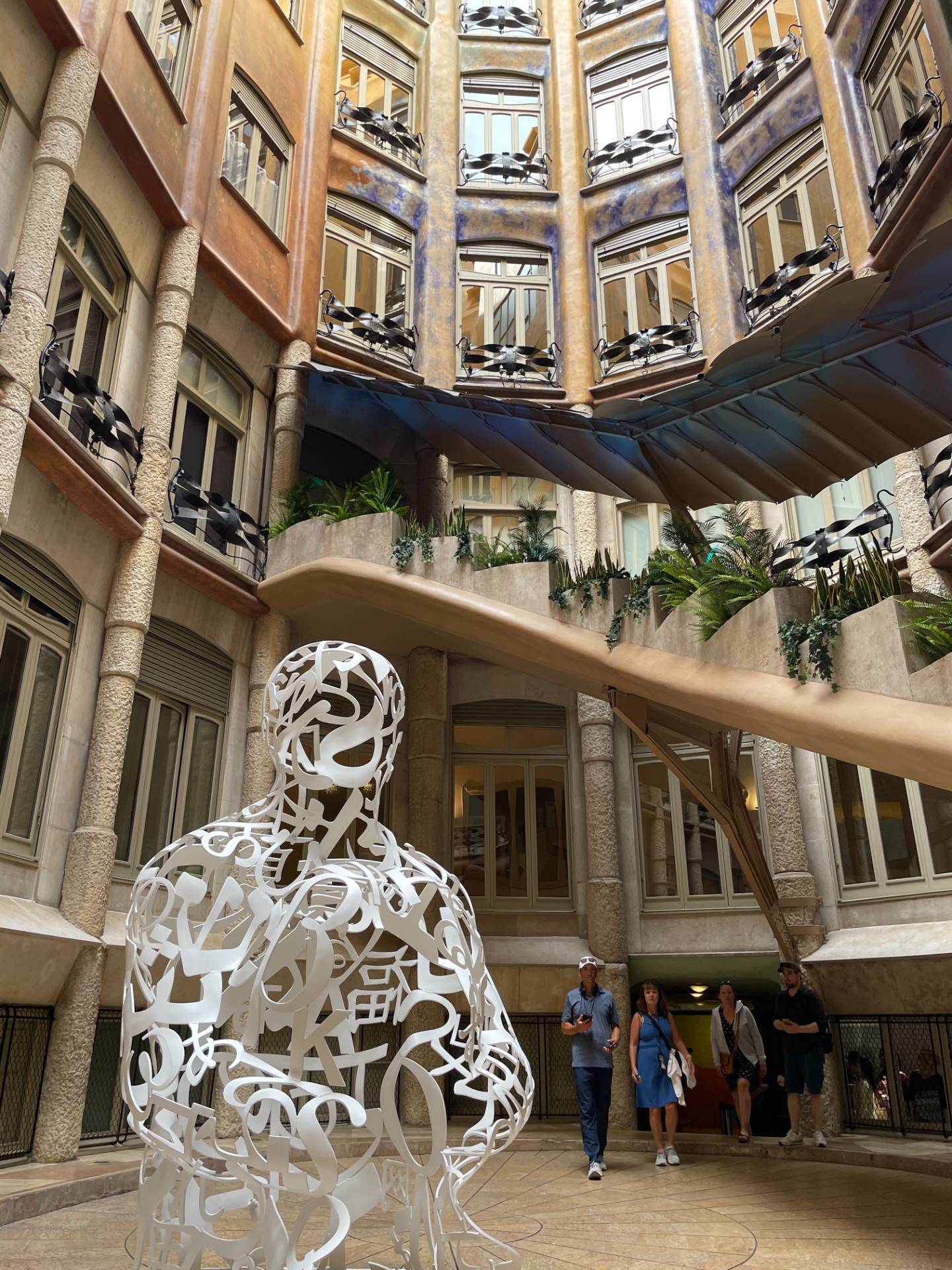
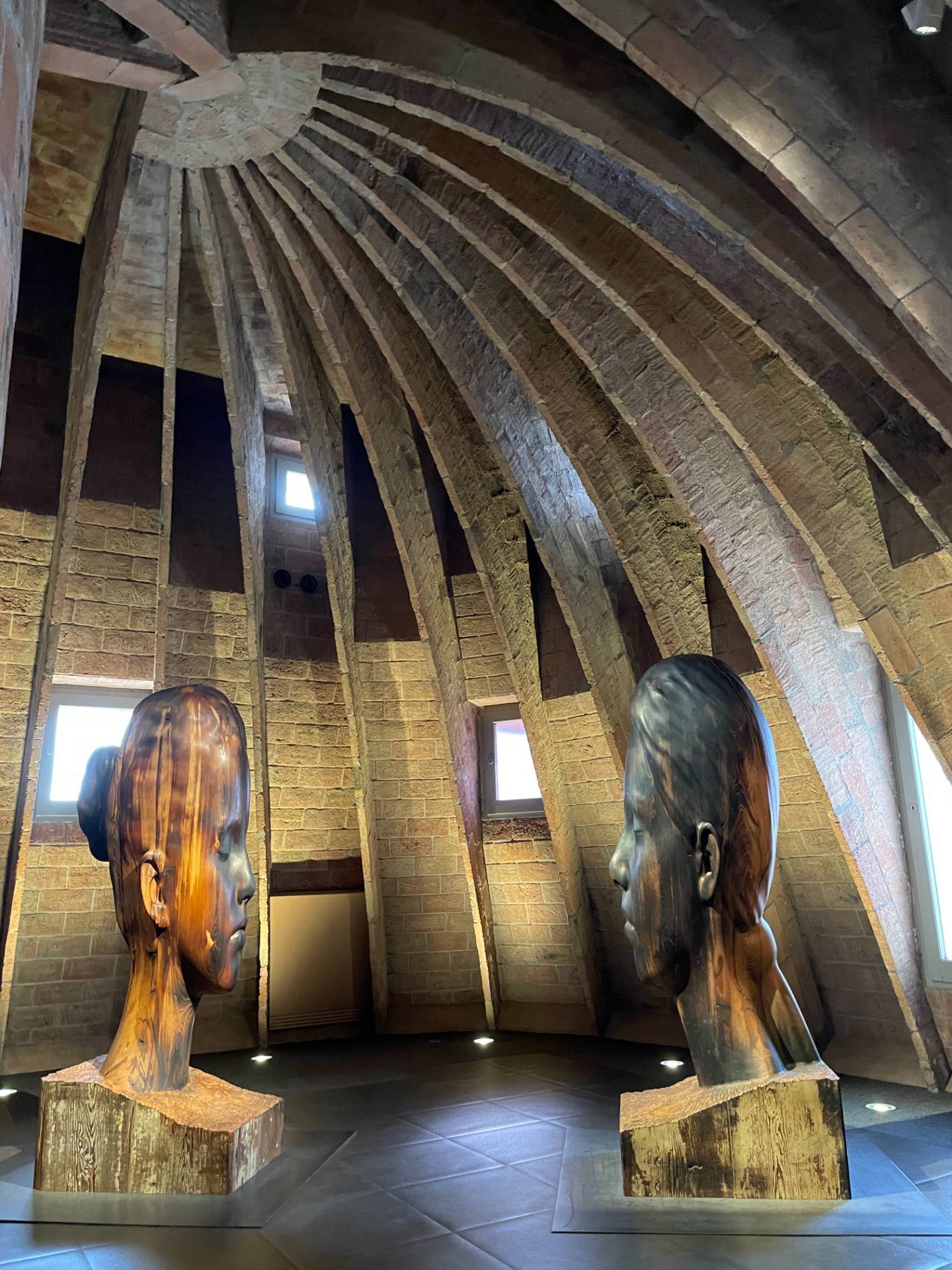
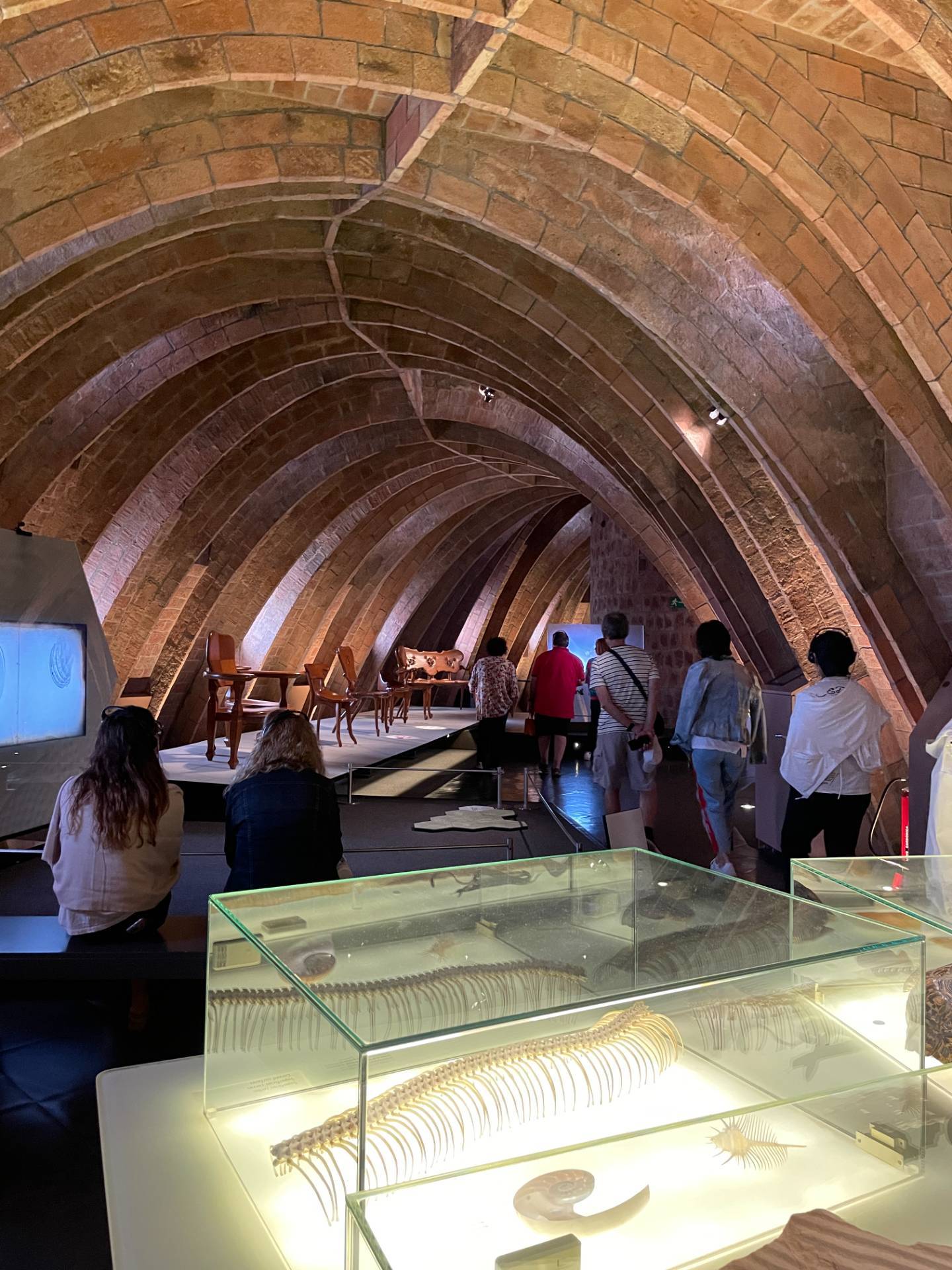
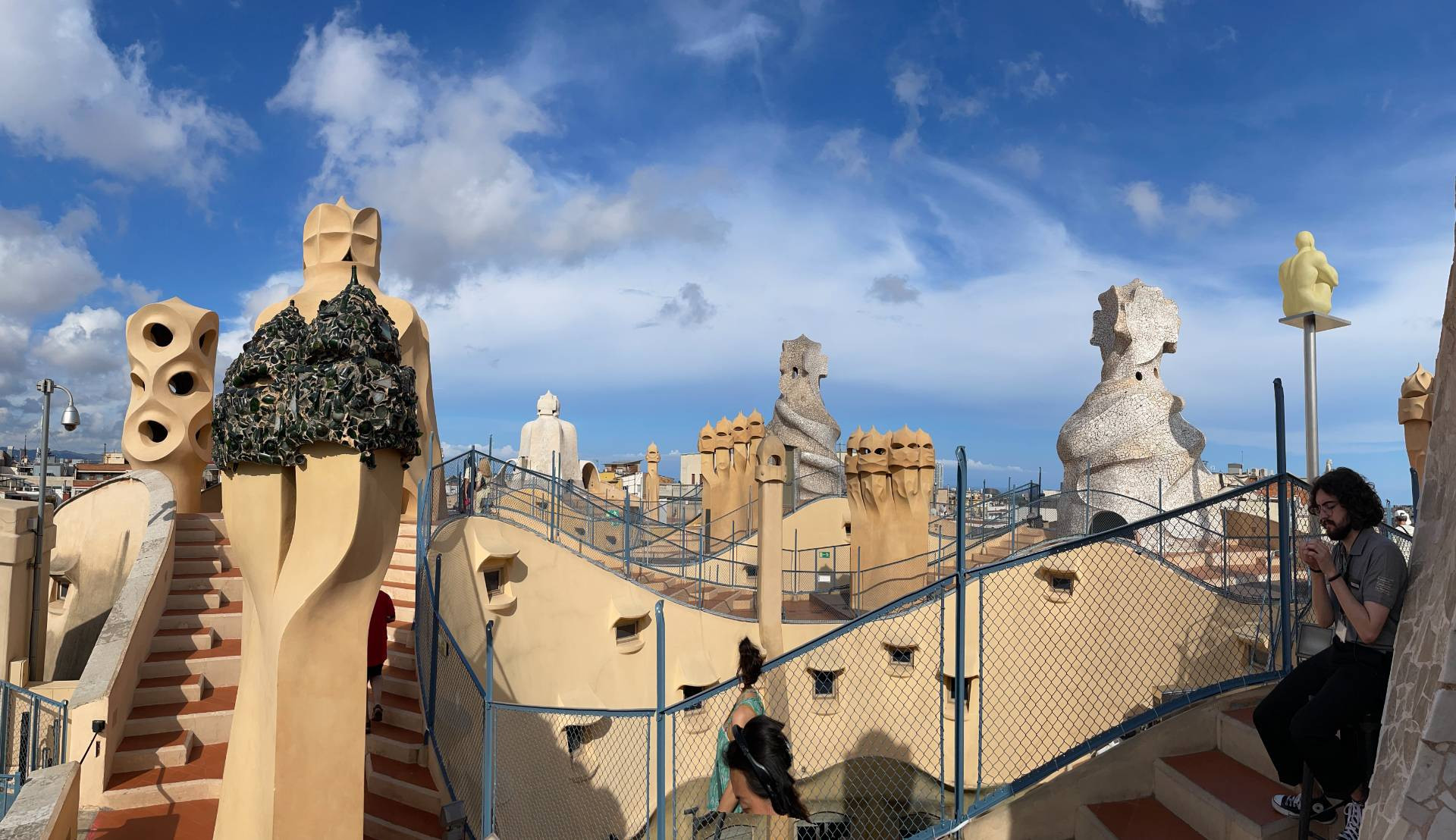
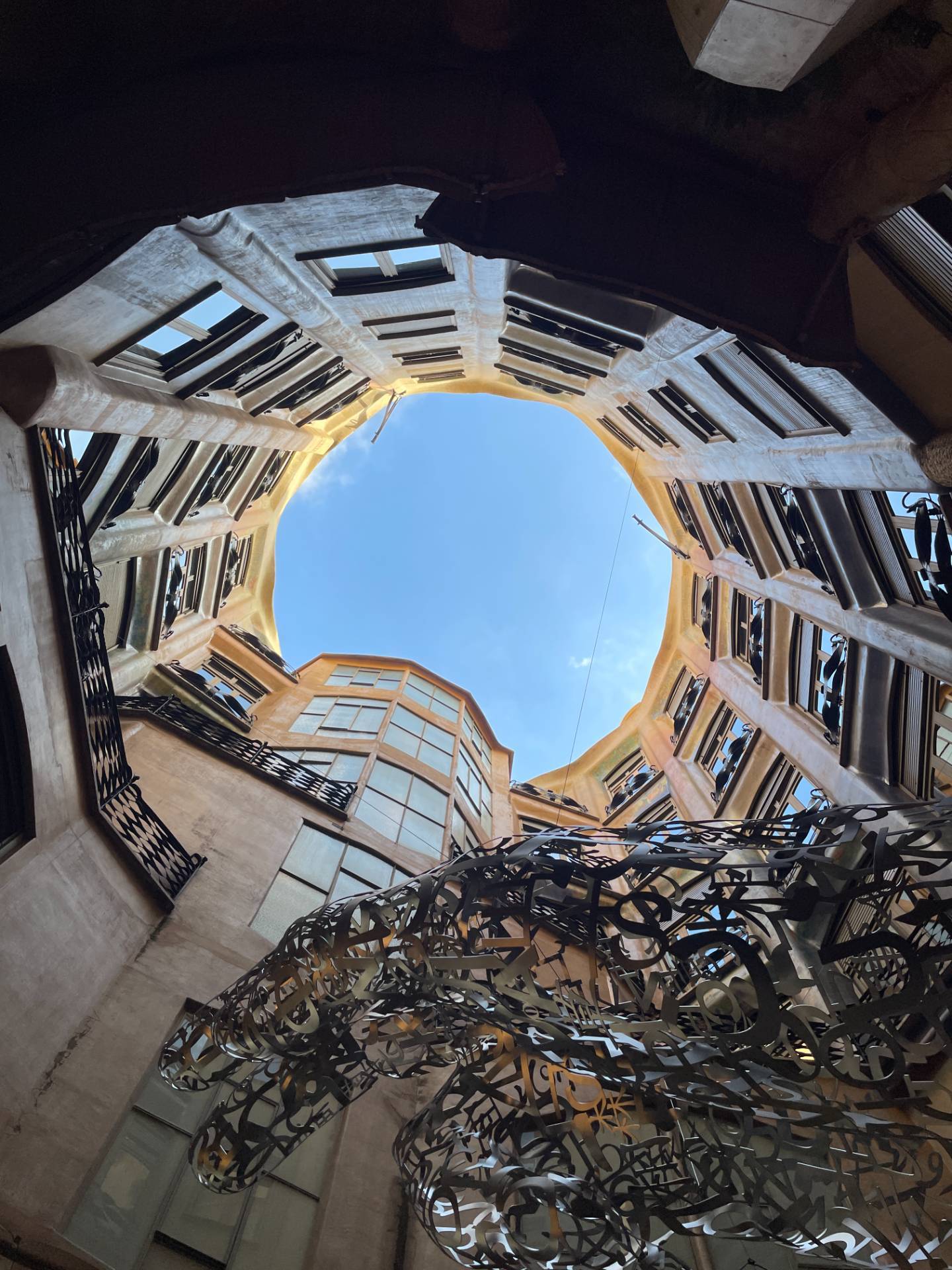
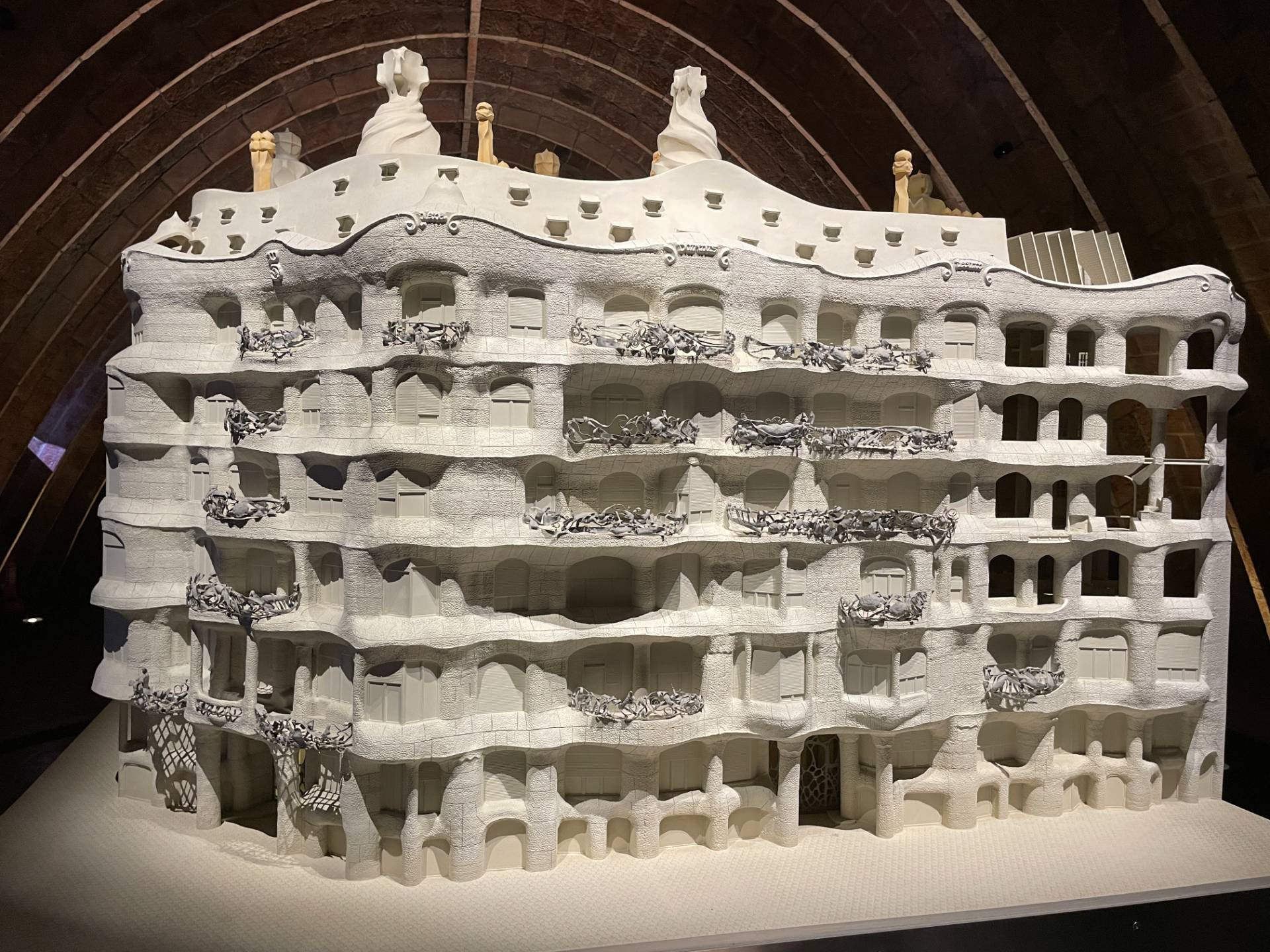
More of Gaudí's amazing work, "La Pedrera" ,also known as Casa Milà.
In my opinion, it's a must visit in Barcelona! 🙌
Antoni Gaudí was a Catalan architect whose distinctive style is characterized by freedom of form, voluptuous colour and texture, and organic unity.
You're going to find the history of this house fascinating 🤓
In 1900 Paseo de Gracia was the most important avenue in the city, where emblematic buildings began to be built, the best theaters and cinemas and the most exclusive shops, restaurants and cafes were installed.
It was also where the wealthiest and most energetic bourgeois decided to build their houses and, in a race of daring and exhibitionism, commissioned the projects to the most prestigious architects of the day.
In 1905 Pere Milà and Roser Segimon got married. Attracted by the fame of Paseo de Gràcia, they bought a tower with a garden that occupies an area of 1,835 square meters and commissioned the architect Antoni Gaudí to build their new residence with the intention of occupying the main floor and renting out the rest of the houses. : Casa Mila .
It is explained that Gaudí was concerned with satisfying the needs of modern life "without the nature of the materials or their conditions of resistance being an obstacle that limits his freedom of action", and he describes the structure of columns as a novelty to achieve spaces of large dimensions and very bright.
The construction of the building was complex, with financial and legal problems, and was not without controversy. Gaudí constantly changed his projects to model the appearance and structures of the building.
The architect went far beyond the planned budget estimate and did not respect the regulations of the City Council: the building was illegal in the built volume. The part of the attic and the roof terrace exceeded the maximum allowed and one of the pillars of the façade occupied a part of the Paseo de Gràcia sidewalk.
When Gaudí found out that an inspector had come by to alert the builder, Mr. Bayó, of these illegalities, he left very precise instructions. If he passed by again and the column had to be cut, he would have a plaque put up "the missing piece of column has been cut by order of the City Council."
Finally, the Eixample Commission certified that the building had a monumental character and should not strictly conform to municipal ordinances, although the Milàs had to pay a fine of 100,000 pesetas. to legalize it.
The Milá couple argued with Gaudí over his fees until they went to court. Gaudí won the lawsuit and Roser Segimon had to mortgage the Casa Milà to pay the 105,000 pesetas to the architect, who made a donation to a nunnery.
The singular structure of La Pedrera , and the relationship between Antoni Gaudí and Pere Milà were the object of ridicule and public ridicule and caricatured in numerous satirical publications of the time.
First tenants:
In the early years , various advertisements were published in the newspaper La Vanguardia highlighting rooms for rent in Casa Milà , requesting service for one of the tenants and there was even a teacher who gave English classes, Miss Dick.
Among the tenants, the Hispano-Americana Pension (1912-1918) located on the mezzanine; Alberto I. Gache (Buenos Aires, 1854-Montevideo, 1933), consul of the Argentine Republic in Barcelona, who resided in the 1st-2nd from August 5, 1911 until the end of 1919; the Abadal family , who settled in the 3º 1ª, and lived from 1912 until the end of 1930. Likewise, we have news that the Egyptian prince Ibrahim Hassan (Cairo, 1879 - Barcelona, 1918) died at his home in La Pedrera in Paseo de Gracia 92.
And the Baladia family , textile industrialists, had rented the 2nd 2a floor as a pied a terre, that is, a central, practical and "small" place to stay the nights they left the Liceo opera house late, from the Palau de la Música, the theater or a party in the city.
Starting in 1929, shops were settling in the basement of the building, such as the famous Mosella Tailoring , which was there for more than 80 years.
In 1947 Roser Segimon, a widow for 7 years, sold the building to Provence Real Estate, but continued to live on the main floor until her death in 1964.
Recent history
After many years of neglect, Casa Milà "La Pedrera" - declared a UNESCO World Heritage Site in 1984, was restored and opened to the public as a cultural center in 1996.
Currently, since January 2013, the building is the headquarters of the Catalunya La Pedrera Foundation and houses an important cultural center of reference in the city of Barcelona for the set of activities it organizes and for the different museum and public use spaces it houses. hosts.


15

1
| 177,000 mlx | |
| 103 | |
| 22 |

I would love to see Casa Mila. I spent a few days in Barcelona many years ago, would definitely go back and spend more time.
Pop culture and Casa Mila... it inspired and is featured prominently in Dan Brown's book "Origin"
https://www.lapedrera.com/en/blog/origen-book-dan-brown-inspired-casa-mila
Pop culture and Casa Mila... it inspired and is featured prominently in Dan Brown's book "Origin"
https://www.lapedrera.com/en/blog/origen-book-dan-brown-inspired-casa-mila

1