What happened to us? Reading What Happened to Us? early…

0 reactions
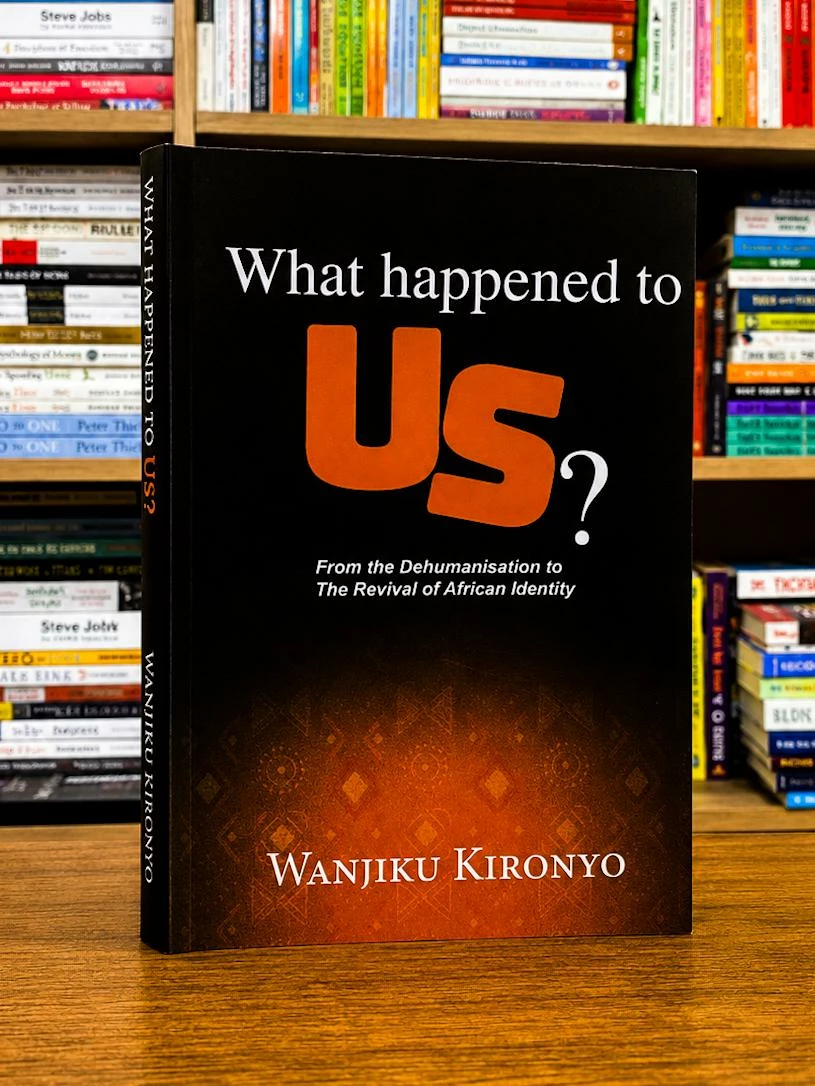
What happened to us?
Reading What Happened to Us? early this year felt emotionally different from many other postcolonial readings I had encountered because it did not treat Africa merely as a geopolitical object, developmental statistic, or humanitarian narrative. Instead, it felt like a deeper civilizational and psychological question directed toward identity itself — what happens to a people after centuries of slavery, colonial extraction, racial dehumanization, epistemic violence, imposed borders, elite corruption, and continued neo-colonial dependency?
Coming into this book after already reading Fanon, Walter Rodney, Ngũgĩ wa Thiong’o, Achebe, Chinua Achebe’s political essays, Basil Davidson, and parts of African decolonial thought, I realized something important: colonialism in Africa was never only territorial occupation. It was psychological restructuring. Entire populations were made to internalize inferiority while external systems extracted labor, land, minerals, language, memory, and even civilizational confidence itself.
What stayed with me emotionally while reading this book was not simply anger toward colonial Europe alone, but sadness toward how power structures continuously reproduce themselves even after formal independence. Across many African countries, ordinary people often remain trapped between global capital, corrupt domestic elites, militarized politics, ethnic fragmentation, resource exploitation, debt dependency, foreign strategic interests, and weak institutional development. In many places, independence politically arrived faster than psychological, economic, and institutional liberation.
And yet, despite all this, I never came away from African history feeling hopeless. In fact, quite the opposite. I increasingly felt that African societies still preserve something many hyper-industrialized societies have lost — stronger communal memory, cultural rootedness, oral traditions, spiritual continuity, ecological intimacy, emotional collectivism, and resistance-oriented social consciousness.
One thing I kept thinking about repeatedly while reading was how colonial powers deliberately prevented long-term endogenous industrial and institutional development. Artificial borders fragmented pre-existing cultural and economic systems. Extractive colonial economies were designed around exporting raw materials rather than building self-sustaining manufacturing, research, education, or technological ecosystems. Even today, many global relationships with African nations remain resource-centered instead of human-centered. Rare earths, cobalt, oil, diamonds, lithium, agriculture, strategic waterways — Africa is constantly discussed through extraction frameworks.
Psychologically too, colonialism created deep fractures. Language itself became political. European education systems often produced elites alienated from indigenous knowledge systems while simultaneously dependent on Western validation structures. Ngũgĩ’s work on language and decolonizing the mind felt especially relevant here. Many postcolonial African societies still struggle between recovering indigenous identity and participating within global capitalist modernity.
What affected me most was thinking about ordinary Africans — farmers, laborers, women, miners, migrants, teachers, fishermen, students, informal workers, children growing up in unstable systems they did not create. The common people carry the heaviest historical burden while holding the least structural power. Yet they are also the ones sustaining societies culturally and economically every day.
I think one of the most important things African societies can continue doing is rebuilding confidence in indigenous intellectual, cultural, linguistic, and institutional capacities without isolating themselves from modernity. True development cannot emerge purely through imitation of Western political-economic models detached from local realities. Japan, China, parts of Southeast Asia, and even India modernized differently because they negotiated modernity while retaining stronger civilizational continuity. Africa too requires models rooted in African realities rather than externally imposed developmental abstractions.
Education is absolutely central here — but not education designed merely to produce labor for global markets. Education that teaches history honestly, encourages scientific temper, technological innovation, ecological sustainability, civic ethics, entrepreneurship, and critical consciousness simultaneously. A society disconnected from its own history becomes easier to manipulate economically and politically.
Regional cooperation is also deeply important. Colonial borders fragmented natural economic and cultural continuities. Greater African economic integration, infrastructural cooperation, regional manufacturing, local value addition, technological investment, and intra-African trade could reduce dependency structures significantly over time. The African Continental Free Trade Area itself carries enormous long-term potential if implemented meaningfully.
At the same time, I think African societies must remain cautious of replacing older colonial dependencies with newer geopolitical dependencies. Modern neo-colonialism does not always arrive through armies. Sometimes it arrives through debt structures, digital monopolies, extractive investment, unequal trade agreements, private military influence, media narratives, institutional conditionalities, or political capture by transnational capital.
Another thing I deeply respected while studying African societies was resilience. Despite centuries of violence, extraction, and systemic destabilization, African literature, music, spirituality, social structures, resistance movements, and cultural creativity remain profoundly alive. That itself is a form of civilizational survival. Achebe, Soyinka, Ngũgĩ, Fanon, Angelou, and many others repeatedly reminded me that reclaiming narrative itself becomes political resistance.
Personally, these readings changed how I understand development and geopolitics entirely. I no longer see “development” merely as GDP growth, skyscrapers, or financial indicators. A society is truly developing when ordinary people gain dignity, education, institutional trust, healthcare, cultural confidence, ecological stability, historical awareness, and meaningful participation in shaping their future.
And honestly, what I ultimately felt while reading African postcolonial history was not pity, but respect. Respect for people who survived structures specifically designed to fracture them psychologically, economically, and historically — yet still continue creating meaning, beauty, resistance, and hope within difficult conditions.
#local
Reading What Happened to Us? early this year felt emotionally different from many other postcolonial readings I had encountered because it did not treat Africa merely as a geopolitical object, developmental statistic, or humanitarian narrative. Instead, it felt like a deeper civilizational and psychological question directed toward identity itself — what happens to a people after centuries of slavery, colonial extraction, racial dehumanization, epistemic violence, imposed borders, elite corruption, and continued neo-colonial dependency?
Coming into this book after already reading Fanon, Walter Rodney, Ngũgĩ wa Thiong’o, Achebe, Chinua Achebe’s political essays, Basil Davidson, and parts of African decolonial thought, I realized something important: colonialism in Africa was never only territorial occupation. It was psychological restructuring. Entire populations were made to internalize inferiority while external systems extracted labor, land, minerals, language, memory, and even civilizational confidence itself.
What stayed with me emotionally while reading this book was not simply anger toward colonial Europe alone, but sadness toward how power structures continuously reproduce themselves even after formal independence. Across many African countries, ordinary people often remain trapped between global capital, corrupt domestic elites, militarized politics, ethnic fragmentation, resource exploitation, debt dependency, foreign strategic interests, and weak institutional development. In many places, independence politically arrived faster than psychological, economic, and institutional liberation.
And yet, despite all this, I never came away from African history feeling hopeless. In fact, quite the opposite. I increasingly felt that African societies still preserve something many hyper-industrialized societies have lost — stronger communal memory, cultural rootedness, oral traditions, spiritual continuity, ecological intimacy, emotional collectivism, and resistance-oriented social consciousness.
One thing I kept thinking about repeatedly while reading was how colonial powers deliberately prevented long-term endogenous industrial and institutional development. Artificial borders fragmented pre-existing cultural and economic systems. Extractive colonial economies were designed around exporting raw materials rather than building self-sustaining manufacturing, research, education, or technological ecosystems. Even today, many global relationships with African nations remain resource-centered instead of human-centered. Rare earths, cobalt, oil, diamonds, lithium, agriculture, strategic waterways — Africa is constantly discussed through extraction frameworks.
Psychologically too, colonialism created deep fractures. Language itself became political. European education systems often produced elites alienated from indigenous knowledge systems while simultaneously dependent on Western validation structures. Ngũgĩ’s work on language and decolonizing the mind felt especially relevant here. Many postcolonial African societies still struggle between recovering indigenous identity and participating within global capitalist modernity.
What affected me most was thinking about ordinary Africans — farmers, laborers, women, miners, migrants, teachers, fishermen, students, informal workers, children growing up in unstable systems they did not create. The common people carry the heaviest historical burden while holding the least structural power. Yet they are also the ones sustaining societies culturally and economically every day.
I think one of the most important things African societies can continue doing is rebuilding confidence in indigenous intellectual, cultural, linguistic, and institutional capacities without isolating themselves from modernity. True development cannot emerge purely through imitation of Western political-economic models detached from local realities. Japan, China, parts of Southeast Asia, and even India modernized differently because they negotiated modernity while retaining stronger civilizational continuity. Africa too requires models rooted in African realities rather than externally imposed developmental abstractions.
Education is absolutely central here — but not education designed merely to produce labor for global markets. Education that teaches history honestly, encourages scientific temper, technological innovation, ecological sustainability, civic ethics, entrepreneurship, and critical consciousness simultaneously. A society disconnected from its own history becomes easier to manipulate economically and politically.
Regional cooperation is also deeply important. Colonial borders fragmented natural economic and cultural continuities. Greater African economic integration, infrastructural cooperation, regional manufacturing, local value addition, technological investment, and intra-African trade could reduce dependency structures significantly over time. The African Continental Free Trade Area itself carries enormous long-term potential if implemented meaningfully.
At the same time, I think African societies must remain cautious of replacing older colonial dependencies with newer geopolitical dependencies. Modern neo-colonialism does not always arrive through armies. Sometimes it arrives through debt structures, digital monopolies, extractive investment, unequal trade agreements, private military influence, media narratives, institutional conditionalities, or political capture by transnational capital.
Another thing I deeply respected while studying African societies was resilience. Despite centuries of violence, extraction, and systemic destabilization, African literature, music, spirituality, social structures, resistance movements, and cultural creativity remain profoundly alive. That itself is a form of civilizational survival. Achebe, Soyinka, Ngũgĩ, Fanon, Angelou, and many others repeatedly reminded me that reclaiming narrative itself becomes political resistance.
Personally, these readings changed how I understand development and geopolitics entirely. I no longer see “development” merely as GDP growth, skyscrapers, or financial indicators. A society is truly developing when ordinary people gain dignity, education, institutional trust, healthcare, cultural confidence, ecological stability, historical awareness, and meaningful participation in shaping their future.
And honestly, what I ultimately felt while reading African postcolonial history was not pity, but respect. Respect for people who survived structures specifically designed to fracture them psychologically, economically, and historically — yet still continue creating meaning, beauty, resistance, and hope within difficult conditions.
#local


| 3,000 mlx | |
| 4 | |
| 0 |