
0 reactions
What is “coalescence cascade”?
Most won’t look it up.
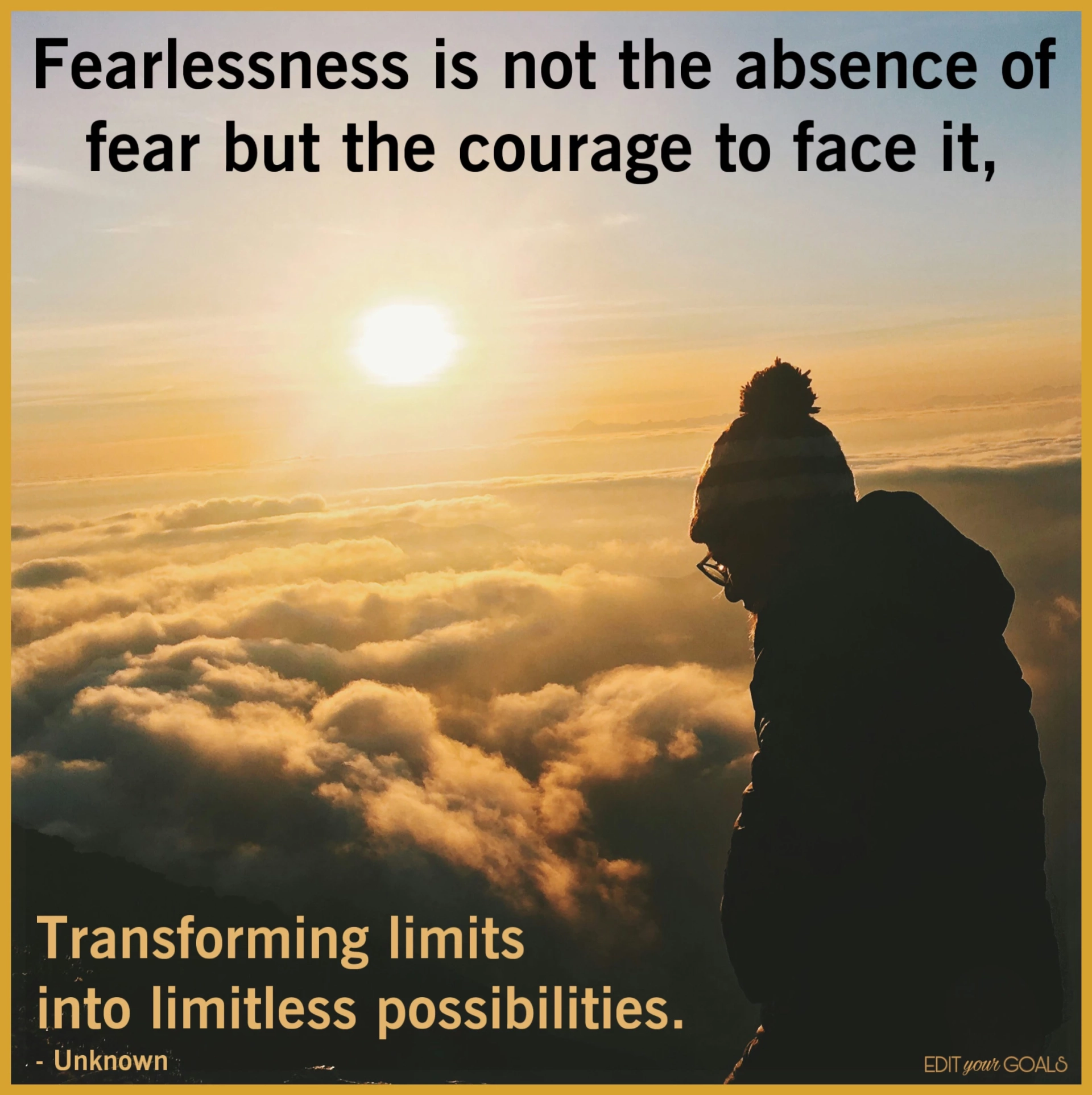
But fearlessness grows through a process of incremental transformation, like a “coalescence cascade,” where confronting small fears leads to larger shifts in mindset. This begins with acknowledging fears and distinguishing real survival threats from mental fears. Physical fears, such as danger to life or health, are rooted in survival, while mental fears—fear of failure, rejection, or judgment—often lack actual risk.
By examining these fears, we chip away at their hold. What are the real consequences? Most mental fears lead only to temporary discomfort or failure, not lasting harm. Recognizing this reduces their power and helps eliminate the exaggerated fears that limit our potential. Each fear confronted strengthens our courage, creating a cascading effect: disarming one fear leads to confronting another, steadily building resilience and self-assurance.
This process fosters fearlessness—not the absence of fear but mastery over it. Each victory reinforces a sense of capability and diminishes the mental clutter that holds us back. Fear becomes a guide for growth, not a captor.
As mental fears dissolve, energy is freed for meaningful pursuits. Risk-taking and self-expression become possible, opening the path to fulfillment and happiness. This cascading transformation reclaims our potential, empowering us to act without being controlled by fear. Fearlessness, then, is the cumulative effect of facing fears with clarity, allowing us to live a life of greater freedom and purpose.
If this reached you or there was something that truly resonated with you, please like and share in hopes this will maybe reach someone that it could help.
-Coach Mike
EDIT your GOALS
Every
Day
Internal
Thoughts
Guarantees
Our
Absolute
Life
Situations
#fear #fearless #cascade #challenge #life
Background Picture by
Eddi Aguirre
Most won’t look it up.
But fearlessness grows through a process of incremental transformation, like a “coalescence cascade,” where confronting small fears leads to larger shifts in mindset. This begins with acknowledging fears and distinguishing real survival threats from mental fears. Physical fears, such as danger to life or health, are rooted in survival, while mental fears—fear of failure, rejection, or judgment—often lack actual risk.
By examining these fears, we chip away at their hold. What are the real consequences? Most mental fears lead only to temporary discomfort or failure, not lasting harm. Recognizing this reduces their power and helps eliminate the exaggerated fears that limit our potential. Each fear confronted strengthens our courage, creating a cascading effect: disarming one fear leads to confronting another, steadily building resilience and self-assurance.
This process fosters fearlessness—not the absence of fear but mastery over it. Each victory reinforces a sense of capability and diminishes the mental clutter that holds us back. Fear becomes a guide for growth, not a captor.
As mental fears dissolve, energy is freed for meaningful pursuits. Risk-taking and self-expression become possible, opening the path to fulfillment and happiness. This cascading transformation reclaims our potential, empowering us to act without being controlled by fear. Fearlessness, then, is the cumulative effect of facing fears with clarity, allowing us to live a life of greater freedom and purpose.
If this reached you or there was something that truly resonated with you, please like and share in hopes this will maybe reach someone that it could help.
-Coach Mike
EDIT your GOALS
Every
Day
Internal
Thoughts
Guarantees
Our
Absolute
Life
Situations
#fear #fearless #cascade #challenge #life
Background Picture by
Eddi Aguirre


| 6,000 mlx | |
| 13 | |
| 0 |