0 reactions
How do you limit yourself?
The human mind is a complex and powerful entity, shaping our perceptions, beliefs, and experiences. One of the most influential aspects of the mind is its capacity for attachment, which can either bind us or set us free. Attachments are connections we form with various aspects of life—thoughts, emotions, relationships, desires, and more. These connections can be either healthy or unhealthy, and their influence on our well-being depends on how we navigate them.
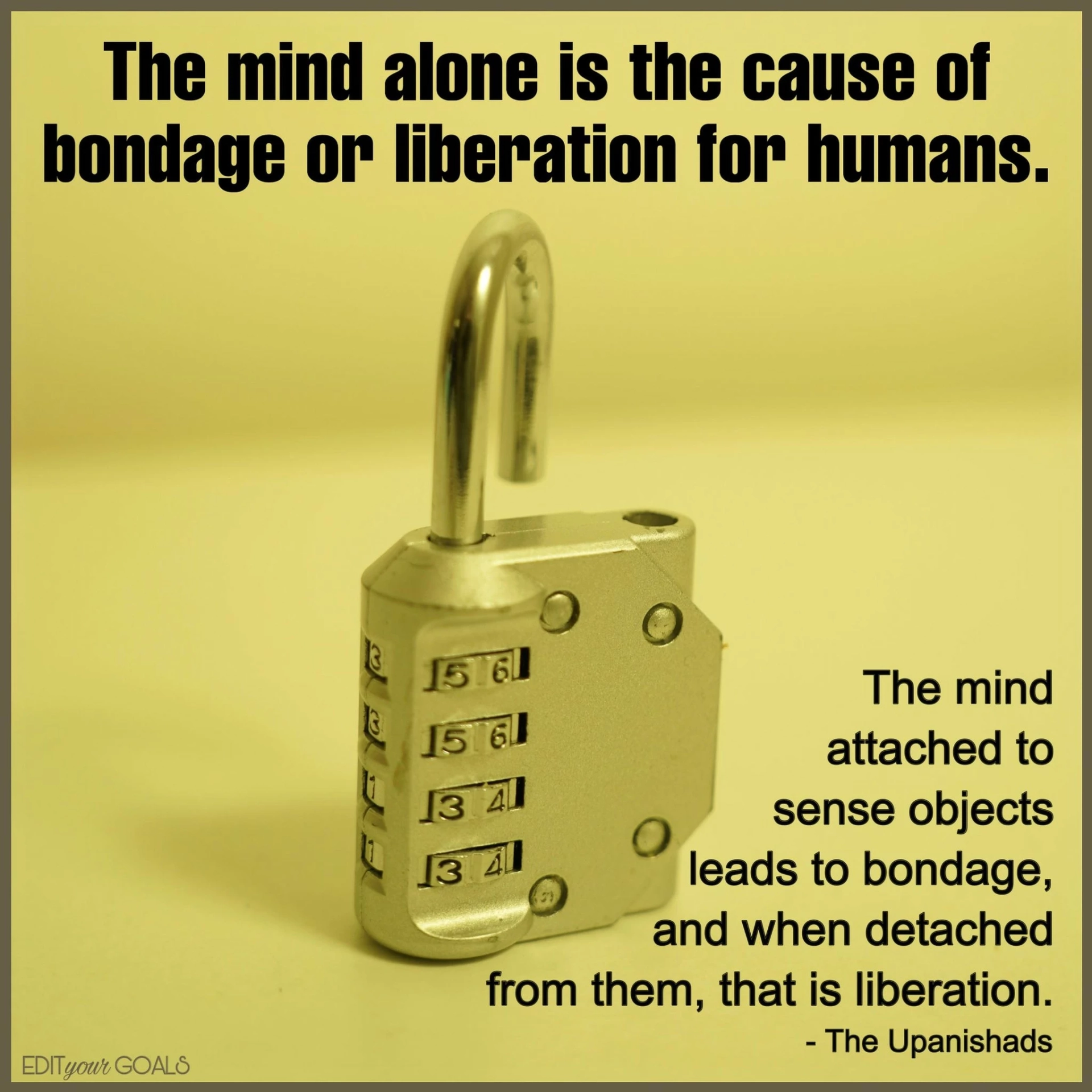
Unhealthy attachments can trap us in limiting beliefs, habits, or perceptions, much like a combination lock that restricts our freedom. For instance, an attachment to negative self-talk can hinder our self-confidence and growth, while an obsession with material possessions can lead to an unfulfilling pursuit of happiness. These attachments may give us a false sense of security, but in reality, they bind us to a narrow perspective, limiting our potential.
However, the same mind that creates these attachments holds the key to liberation. By acknowledging the locks we have formed and understanding their impact on our journey, we can begin to unlock them. This process requires introspection, self-awareness, and a willingness to challenge our own beliefs and perceptions.
Discovering unhealthy attachments involves recognizing the patterns and triggers that lead to them. Once identified, we can work on releasing them by shifting our focus, practicing mindfulness, and cultivating healthier relationships and habits. As we free ourselves from these limiting attachments, we open the door to greater possibilities and a more expansive, fulfilling life.
In essence, the mind can either imprison us or set us free, depending on how we handle our attachments. By becoming aware of the locks we have created and learning to unlock them, we can break free from bondage and embrace liberation.
You become your own warden with attachments being the bondage.
Learn how to pardon yourself and become free.
-Coach Mike
EDIT your GOALS
Every
Day
Internal
Thoughts
Guarantees
Our
Absolute
Life
Situations
#selfawareness #boundaries #freedom #mindset #limited
Background Picture by
Radu Prodan
The human mind is a complex and powerful entity, shaping our perceptions, beliefs, and experiences. One of the most influential aspects of the mind is its capacity for attachment, which can either bind us or set us free. Attachments are connections we form with various aspects of life—thoughts, emotions, relationships, desires, and more. These connections can be either healthy or unhealthy, and their influence on our well-being depends on how we navigate them.
Unhealthy attachments can trap us in limiting beliefs, habits, or perceptions, much like a combination lock that restricts our freedom. For instance, an attachment to negative self-talk can hinder our self-confidence and growth, while an obsession with material possessions can lead to an unfulfilling pursuit of happiness. These attachments may give us a false sense of security, but in reality, they bind us to a narrow perspective, limiting our potential.
However, the same mind that creates these attachments holds the key to liberation. By acknowledging the locks we have formed and understanding their impact on our journey, we can begin to unlock them. This process requires introspection, self-awareness, and a willingness to challenge our own beliefs and perceptions.
Discovering unhealthy attachments involves recognizing the patterns and triggers that lead to them. Once identified, we can work on releasing them by shifting our focus, practicing mindfulness, and cultivating healthier relationships and habits. As we free ourselves from these limiting attachments, we open the door to greater possibilities and a more expansive, fulfilling life.
In essence, the mind can either imprison us or set us free, depending on how we handle our attachments. By becoming aware of the locks we have created and learning to unlock them, we can break free from bondage and embrace liberation.
You become your own warden with attachments being the bondage.
Learn how to pardon yourself and become free.
-Coach Mike
EDIT your GOALS
Every
Day
Internal
Thoughts
Guarantees
Our
Absolute
Life
Situations
#selfawareness #boundaries #freedom #mindset #limited
Background Picture by
Radu Prodan


| 6,000 mlx | |
| 6 | |
| 0 |