History and Culture of Wheat Wheat is one of the oldest…

4 reactions
History and Culture of Wheat
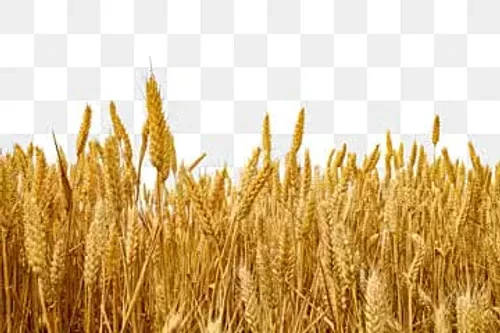
Wheat is one of the oldest cereals cultivated by humankind. Its origins date back more than 10,000 years to the Fertile Crescent region of the Middle East. Since then, it has played a central role in the development of civilizations, serving as a staple food and an economic resource. Wheat is also deeply rooted in cultural and religious traditions, symbolizing abundance and prosperity in many societies.
Global Production and Varieties
Today, wheat is cultivated on every continent, with varieties adapted to local climates and soils. The main producers are China, India, Russia, and the United States. A distinction is made between durum wheat, used for pasta, and common wheat, used for bread making. This diversity allows us to meet global food needs and support a wide range of wheat products.
Culinary and Industrial Uses
Beyond bread and pasta, wheat is used in a multitude of preparations: pastries, cookies, couscous, and even some beverages like beer. Industrially, it is also used to produce starch, gluten, and bioplastics. Its versatility makes it an essential resource, both in food and in innovative sectors.
Wheat is one of the oldest cereals cultivated by humankind. Its origins date back more than 10,000 years to the Fertile Crescent region of the Middle East. Since then, it has played a central role in the development of civilizations, serving as a staple food and an economic resource. Wheat is also deeply rooted in cultural and religious traditions, symbolizing abundance and prosperity in many societies.
Global Production and Varieties
Today, wheat is cultivated on every continent, with varieties adapted to local climates and soils. The main producers are China, India, Russia, and the United States. A distinction is made between durum wheat, used for pasta, and common wheat, used for bread making. This diversity allows us to meet global food needs and support a wide range of wheat products.
Culinary and Industrial Uses
Beyond bread and pasta, wheat is used in a multitude of preparations: pastries, cookies, couscous, and even some beverages like beer. Industrially, it is also used to produce starch, gluten, and bioplastics. Its versatility makes it an essential resource, both in food and in innovative sectors.


2

2
| 317,000 mlx | |
| 446 | |
| 4 |