
8 reactions
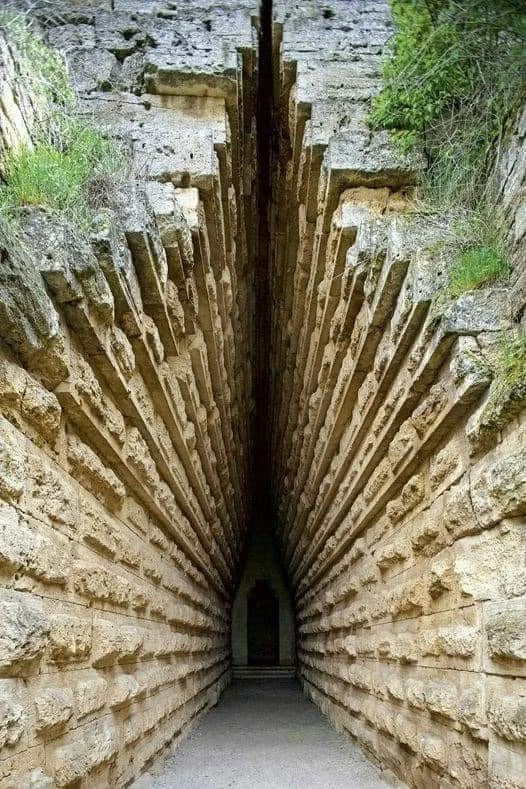
The Royal Kurgan, known as the "Tomb of Mithridates," lies near Kerch. Kurgans, prevalent in the Bronze Age, span from Altai to Caucasus, Romania, and Bulgaria. These burial mounds reflect various cultures, including Scythians, Sarmatians, Huns, and Kipchaks. Archaeologist Marija Gimbutas suggests Proto-Indo-Europeans, proficient in copper metallurgy and horse breeding, initiated this burial tradition. Descendants, notably Iranians and Scythians, continued this practice, creating large kurgans for kings. In Kazakhstan, some exceed 200 meters in diameter, dating back to the first millennium BC


6

1

1
| 69,000 mlx | |
| 56 | |
| 8 |