
1 reactions
'Keep the faith': Voice to Parliament architects remain hopeful as poll shows referendum support falling
By Daniel Jeffrey
4:42pm Jun 13, 2023
Play Video
Support for Indigenous Voice drops below majority
1 / 24
>
<
Some of the leading architects of the proposed
Indigenous Voice to Parliament have urged Australians to keep the faith even as support for the body has slid below majority levels for the first time.
According to a Resolve poll published in the Sydney Morning Herald yesterday , three states (WA, SA and Queensland) would vote "no" in the referendum if it was held today, while only 49 per cent of Australians would cast a ballot in favour of the constitutional change.
Responding to the poll, Pat Anderson and Megan Davis, the co-chairs of the Uluru Dialogue, said they remain heartened by their meetings with people around the country.
READ MORE: What is the Indigenous Voice to parliament and what would a referendum entail?
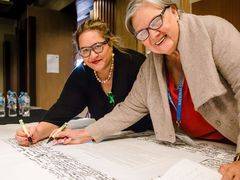
Despite declining support for the Voice to Parliament, Pat Anderson and Megan Davis say they had been heartened by their meetings with people around the country. (Supplied)
"The Uluru Dialogue takes its biggest cues from the countless meetings and conversations we're having on the ground with both First Nations people and non-Indigenous Australians – the very people to whom the Uluru Statement was issued as an invitation to walk together," they said.
"We're so heartened by those conversations with regards to recognition through a Constitutionally enshrined Voice, and our faith in the Australian people remains as strong as ever."
Support for the Voice, according to Resolve, has dropped from 64 per cent last September, and has fallen by nine per cent in the last three months alone, leading to calls for the Yes campaign to undergo an overhaul before this year's vote.
E lectric Cars in Ahmedabad , the price might surprise you
SPONSORED | Search Ads
Recommended by
READ MORE: 'Shocked', 'saddened': Outpouring of grief as bus victims named
Davis (right) at parliament when the wording for the referendum was announced. (The Sydney Morning Herald)
Anderson and Davis, however, said outlining the nature and benefits of the proposed advisory body was a compelling argument.
"We are finding that when we sit down with people and explain the difference that the Voice will make – where so many other initiatives and ideas devised within the Canberra bubble have failed – they are more than ready to vote Yes," the co-chairs said.
"A First Nations Voice will make the difference between the completely unacceptable status quo and a brighter, more optimistic future.
READ MORE: 'Those are the facts': Katy Gallagher denies misleading parliament
Finalists for the best nature photography have been revealed
View Gallery
"A successful referendum based upon openness and respect will unify the nation.
"Keep the faith... history is calling."
Noel Pearson, another one of the Voice's architects, yesterday called for the Voice's proponents to focus more on the importance of reconciliation and constitutional recognition, rather than the Voice itself, to boost the referendum's chances of passing.
The Senate still needs to vote on the wording of the referendum this fortnight before a date for the vote is set.
Any referendum requires a majority of both people and states to vote in favour of the constitutional amendment for it to pass.
Sign up here to receive our daily newsletters and breaking news alerts, sent straight to your inbox.
Voice To Parliament Politics Federal Politics Australia National Parliament Government Indigenous Australians
CONTACT US
Send your photos, videos and stories to 9News [email protected]
Property News: House prices in some school catchments explode by up to $367,000 - domain.com.au
YOU MAY ALSO LIKE
Recommended by
Discover the Best Mexico Vacation Deals for 2023 Mexico Vacation | Search AdsSPONSORED | Mexico Vacation
2023s latest German hearing aid technology is now available in India. Try for yourself SPONSORED | Hear.com
Chiropractic Treatment Cost in Mexico: Might Cheaper Than You Think. SPONSORED | Search Ads
Chiropractic Treatment Cost in Mexico Might Be Cheaper Than You Think. SPONSORED | Chiropractor | Search Ads
People from Ahmedabad can Now Claim up to ₹1,00,000, starting with Just ₹500 Weekly Tournaments, Raffles and Lavish VIP Program with a Lot of No Deposit Bonus Offers!SPONSORED | CasinoDays
Breast Cancer Treatment Cost in Mexico Might be Cheaper Than You Think SPONSORED | Search Ads
TOP STORIES
'Suffering' bus driver released as police allege cause of horror crash11 minutes ago
TODAY IN HISTORY
Teenager's chilling message before royal 'assassination' attempt
'Shocked', 'saddened': Outpouring of grief as bus victims named
Taser victim Clare Nowland remembered by loved ones at funeral
About
Contact
Watch TV
News
Sport
Lifestyle
Entertainment
Product Reviews
Radio
Stan
Domain
Drive
Pedestrian TV
Coupons
Home
Newsletters
Careers
Advertise with us
Support
Terms of use
Privacy
© 2023 Nine Entertainment Co.


1
| 1,000 mlx | |
| 55 | |
| 1 |