📣 NEW CHALLENGE! #bicycles 🚴🚲🚵 1 user will #earn…

33 reactions
📣 NEW CHALLENGE! #bicycles 🚴🚲🚵
1 user will #earn 10,000,000 #millix
5 users will #earn 1,000,000 #millix
10 users will #earn 500,000 #millix
ℹ️ Instructions: Comment with a type or model of a #bicycle rom any time in history. Let's learn something new! Make sure to tell us about it, such as its designer, manufacturer, what its specialized in or history.
✨ If you add an image, you will get a #bonus ✨
1 submission per user. #Badgers only (verified + purchased badge) . If the #bicycle has already been submitted, you must choose another. We will spin the wheel by Saturday . Good luck!
1 user will #earn 10,000,000 #millix
5 users will #earn 1,000,000 #millix
10 users will #earn 500,000 #millix
ℹ️ Instructions: Comment with a type or model of a #bicycle rom any time in history. Let's learn something new! Make sure to tell us about it, such as its designer, manufacturer, what its specialized in or history.
✨ If you add an image, you will get a #bonus ✨
1 submission per user. #Badgers only (verified + purchased badge) . If the #bicycle has already been submitted, you must choose another. We will spin the wheel by Saturday . Good luck!


17
| 20,337,000 mlx | |
| 444 | |
| 33 |
comments

This design classic of the 1970s was redesigned several times to overcome handling problems and was relaunched in 2004. Designed in the late 1960s by Raleigh employee Alan Oakley, [although some contest it was the work of Tom Karen of the Ogle] the Chopper was a departure from the standard bicycle design.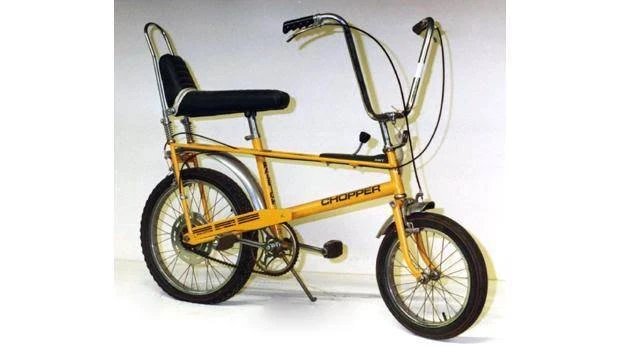


A lesser-known bicycle model from history is the Velocipede, specifically the "Boneshaker" variety. This early type of bicycle is distinct for its large, solid wheels with iron tires, and it played a crucial role in the development of the modern bicycle.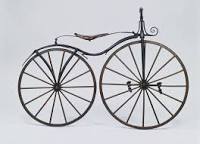

Sure! The "Buffalo Bicycle" by World Bicycle Relief is a notable model that has been used in Madagascar to improve transportation and access to resources.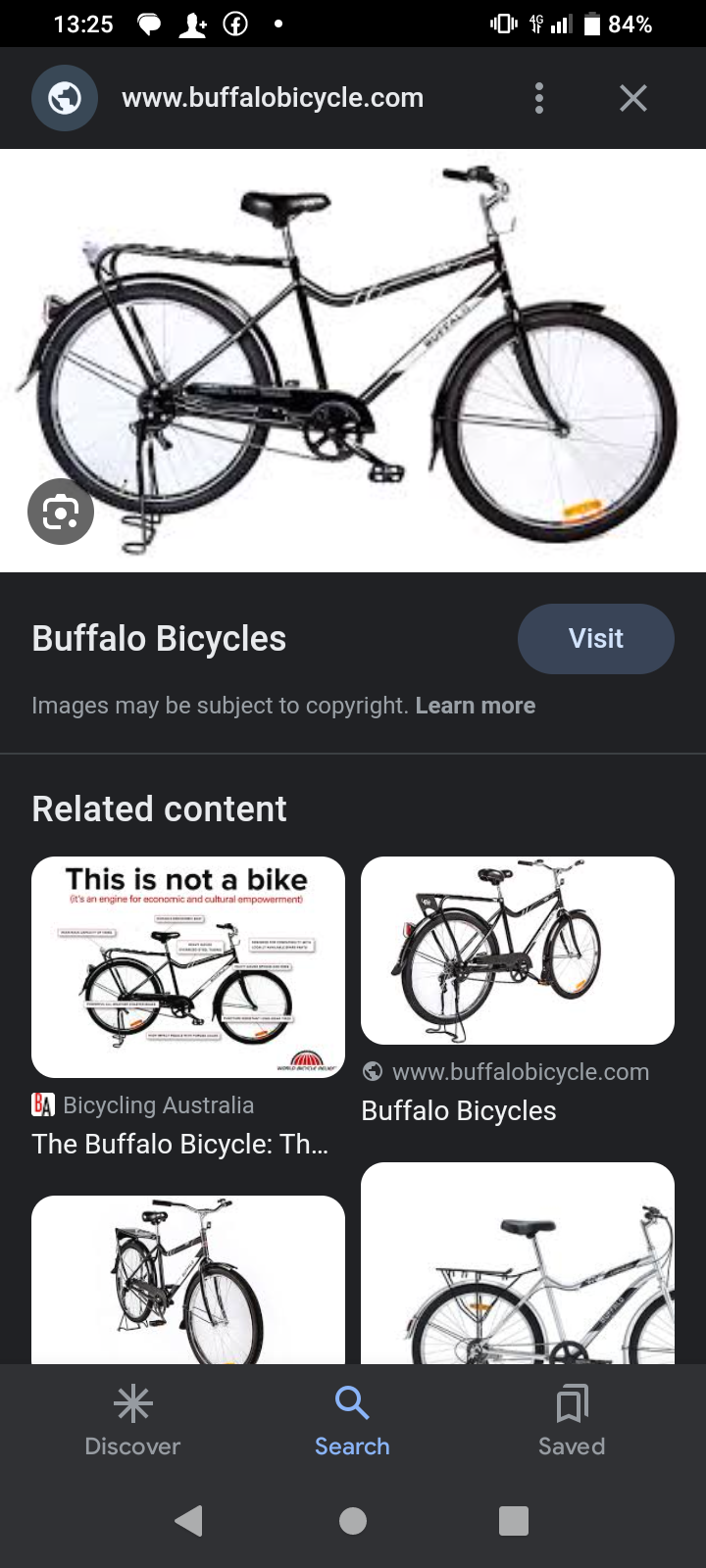
Colnago
Colnago Ernesto & C. S.r.l. or Colnago is a manufacturer of high quality road-racing bicycles founded by Ernesto Colnago near Milano in Cambiago, Italy. It remained a family-controlled firm until May 4, 2020, when it was announced that the UAE-based investment company, Chimera Investments LLC, had acquired a majority of the Colnago shares from Ernesto Colnago, although the headquarters will remain located in Italy after the acquisition. Instead of following his family's farming business, Ernesto Colnago chose to work in the cycle trade, and was apprenticed first to Gloria Bicycles at the age of 13, and subsequently taking up road racing. After a bad crash ended his racing career, he began subcontracting for Gloria, and opened his own shop in 1954, building his first frames the same year. While building frames, he remained much in demand as a racing mechanic. He was second mechanic on the Nivea team Giro d'Italia under Faliero Masi in 1955, eventually being employed as head mechanic for the Molteni team of Belgian cycling legend Eddy Merckx in 1963.The company first became known for high quality steel framed bicycles suitable for the demanding environment of professional racing, and later as one of the more creative cycling manufacturers responsible for innovations in design and experimentation with new and diverse materials including carbon fiber, now a mainstay of modern bicycle construction. In 2020, having lost his wife and brother, Ernesto Colnago sold his majority interest in the company to a United Arab Emirates investment firm
History
One of the first big victories on a Colnago frame was in 1957, when Gastone Nencini won the 1957 edition of the Giro d’Italia bicycle race on a Colnago bicycle . In 1960, Colnago achieved more recognition as Luigi Arienti rode to a gold medal at the Rome Olympics on a Colnago bicycle. By the late 1960s, Colnago was generally regarded as one of the builders of the world's best steel road race frames.
While Ernesto was the head mechanic of the Molteni team riders such as Gianni Motta raced on Colnago cycles. A win on a Colnago in the 1970 Milan-San Remo race by Michele Dancelli for the Molteni team inspired Colnago to change his logo to the now-famous 'Asso di Fiori' or Ace of Clubs. After the demise of the Faema team, Eddy Merckx joined the Molteni team, and what ensued was mutual innovation—as Colnago describes it: "Merckx was an up and coming champion, and I was an up and coming bike builder. So it was a real honour to work for a great champion like Merckx. It helped us to grow... when we made special forks, and special bikes." This included the super-light steel frame used by Merckx in 1972 to break the world one-hour record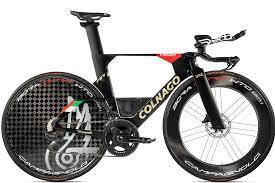
Colnago Ernesto & C. S.r.l. or Colnago is a manufacturer of high quality road-racing bicycles founded by Ernesto Colnago near Milano in Cambiago, Italy. It remained a family-controlled firm until May 4, 2020, when it was announced that the UAE-based investment company, Chimera Investments LLC, had acquired a majority of the Colnago shares from Ernesto Colnago, although the headquarters will remain located in Italy after the acquisition. Instead of following his family's farming business, Ernesto Colnago chose to work in the cycle trade, and was apprenticed first to Gloria Bicycles at the age of 13, and subsequently taking up road racing. After a bad crash ended his racing career, he began subcontracting for Gloria, and opened his own shop in 1954, building his first frames the same year. While building frames, he remained much in demand as a racing mechanic. He was second mechanic on the Nivea team Giro d'Italia under Faliero Masi in 1955, eventually being employed as head mechanic for the Molteni team of Belgian cycling legend Eddy Merckx in 1963.The company first became known for high quality steel framed bicycles suitable for the demanding environment of professional racing, and later as one of the more creative cycling manufacturers responsible for innovations in design and experimentation with new and diverse materials including carbon fiber, now a mainstay of modern bicycle construction. In 2020, having lost his wife and brother, Ernesto Colnago sold his majority interest in the company to a United Arab Emirates investment firm
History
One of the first big victories on a Colnago frame was in 1957, when Gastone Nencini won the 1957 edition of the Giro d’Italia bicycle race on a Colnago bicycle . In 1960, Colnago achieved more recognition as Luigi Arienti rode to a gold medal at the Rome Olympics on a Colnago bicycle. By the late 1960s, Colnago was generally regarded as one of the builders of the world's best steel road race frames.
While Ernesto was the head mechanic of the Molteni team riders such as Gianni Motta raced on Colnago cycles. A win on a Colnago in the 1970 Milan-San Remo race by Michele Dancelli for the Molteni team inspired Colnago to change his logo to the now-famous 'Asso di Fiori' or Ace of Clubs. After the demise of the Faema team, Eddy Merckx joined the Molteni team, and what ensued was mutual innovation—as Colnago describes it: "Merckx was an up and coming champion, and I was an up and coming bike builder. So it was a real honour to work for a great champion like Merckx. It helped us to grow... when we made special forks, and special bikes." This included the super-light steel frame used by Merckx in 1972 to break the world one-hour record

Road cycling is the most widespread form of cycling in which cyclists ride on paved roadways.[1] It includes recreational, racing, commuting, and utility cycling. As users of the road, road cyclists are generally expected to obey the same laws as motorists, however there are certain exceptions.[2] While there are many types of bicycles that are used on the roads such as BMX, recumbents, racing, touring and utility bicycles, dedicated road bicycles have specific characteristics that make them ideal for the sport. Road bicycles have thinner tires, lighter frames with no suspension, and a set of drop handle bars to allow riders to get in a more aerodynamic position while cycling at higher speeds.[3] On a flat road, an intermediate cyclist can average about 18 to 20 mph (29 to 32 km/h), while a professional rider can average up to 25 mph (40 km/h).[4] At higher speeds, wind resistance becomes an important factor; aerodynamic road bikes have been developed over the years to ensure that as much as possible of the rider's energy is spent propelling the bike forward.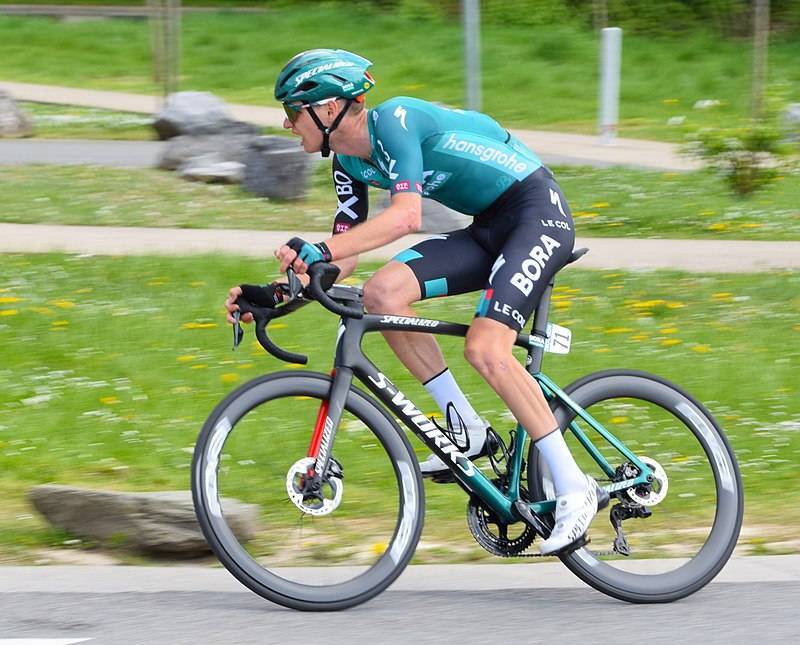
A bicycle, also called a pedal cycle, bike, push-bike or cycle, is a human-powered or motor-powered assisted, pedal-driven, single-track vehicle, having two wheels attached to a frame, one behind the other. A bicycle rider is called a cyclist, or bicyclist.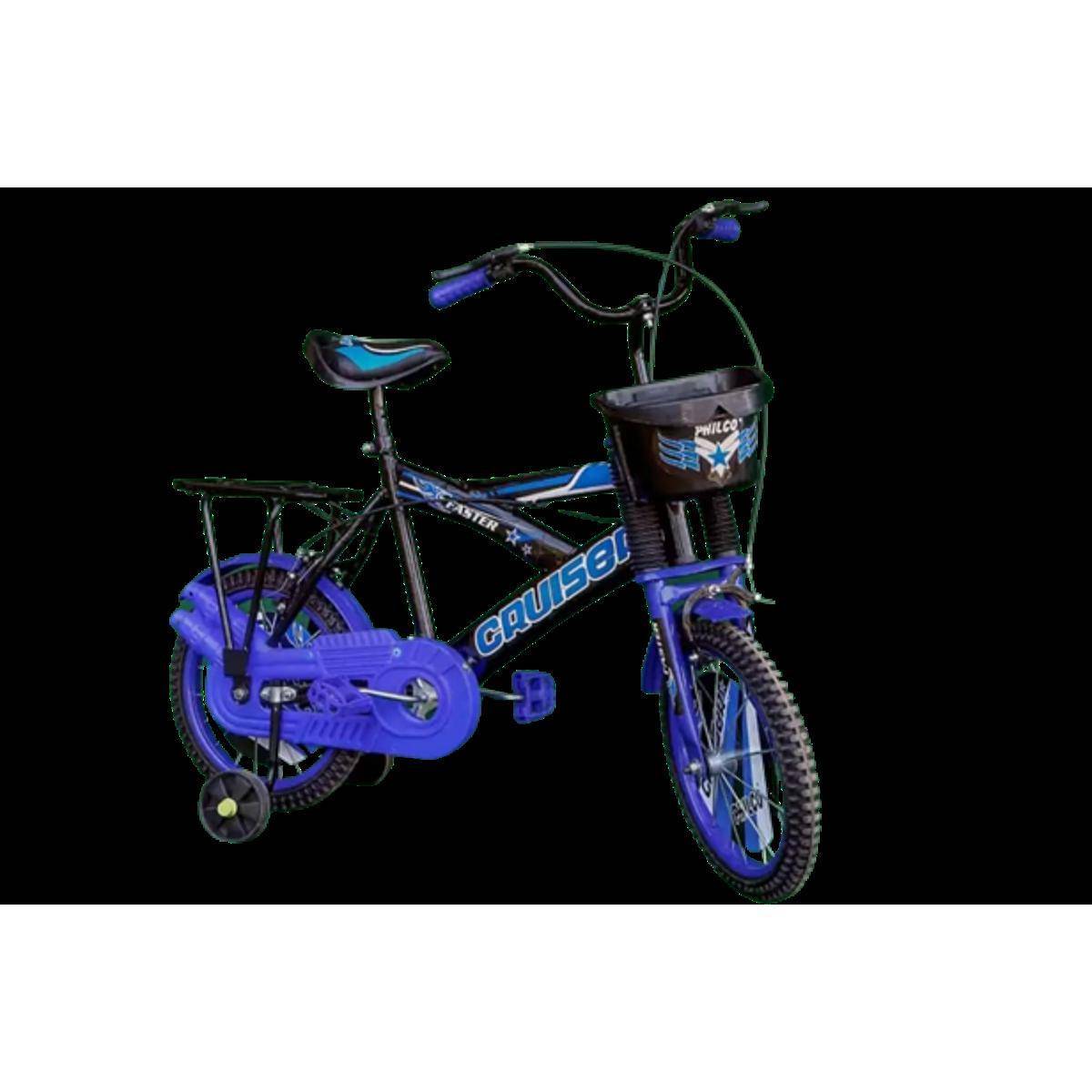
Cervélo Cycles is a Canadian manufacturer of racing and track bicycles. Cervélo uses CAD, computational fluid dynamics, and wind tunnel testing at a variety of facilities including the San Diego Air and Space Technology Center, in California, US, to aid its designs. Frame materials include carbon fibre. Cervélo currently makes 5 series of bikes: the C series and R series of road bikes, the latter featuring multi-shaped, "Squoval" frame tubes; the S series of road bikes and P series of triathlon/time trial bikes, both of which feature airfoil shaped down tubes; and the T series of track bikes. In professional competition, cyclists have ridden Cervélo bicycles to victory in all three of road cycling's grand tours: the Tour de France; the Giro d'Italia; and the Vuelta a España.
PHOTO: cyclist Ivan Basso of CSC riding his Cervélo P3C time-trial bicycle during stage 20 (ITT) of the 2005 Tour de France.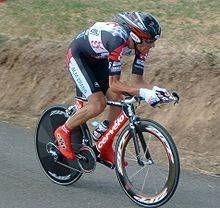
PHOTO: cyclist Ivan Basso of CSC riding his Cervélo P3C time-trial bicycle during stage 20 (ITT) of the 2005 Tour de France.
A rowbike is an example of a rowing cycle, hybrid fitness/transport machine that combines a bicycle and a rowing machine. "Rowbike" is a trademark of the Rowbike company. The Rowbike was invented by Scott Olson, the creator of Rollerblade inline skates. "Rowling" is a combination of rowing and rolling and is sometimes used in place of rowing when describing a Rowbike.
Unlike traditional bicycles, where power is supplied primarily by the rider's legs turning pedals connected to the drive wheel through a looped chain, a Rowbike delivers power through a swinging lever that moves a chain back and forth over the rear cog in a reciprocating motion regulated by a bungee cord. The rowing lever is large enough that a rider will normally utilize muscles from their legs, arms, back and abdomen to maintain a steady rowing motion to keep the Rowbike in motion. Rowbikes are marketed as providing a full body workout through the rowing motion which is gentle on the rider's knees, hips and back due to the system being non-load-bearing.
Though Rowbike is primarily marketed as a fitness machine, as a rowing cycle it may also be classified as a human powered vehicle, as opposed to a stationary indoor rower. As with most bicycles, a stationary bike converter stand can be obtained from a third-party vendor to allow the Rowbike to be effectively used as an indoor rower.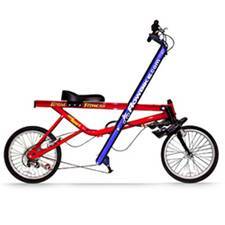
Unlike traditional bicycles, where power is supplied primarily by the rider's legs turning pedals connected to the drive wheel through a looped chain, a Rowbike delivers power through a swinging lever that moves a chain back and forth over the rear cog in a reciprocating motion regulated by a bungee cord. The rowing lever is large enough that a rider will normally utilize muscles from their legs, arms, back and abdomen to maintain a steady rowing motion to keep the Rowbike in motion. Rowbikes are marketed as providing a full body workout through the rowing motion which is gentle on the rider's knees, hips and back due to the system being non-load-bearing.
Though Rowbike is primarily marketed as a fitness machine, as a rowing cycle it may also be classified as a human powered vehicle, as opposed to a stationary indoor rower. As with most bicycles, a stationary bike converter stand can be obtained from a third-party vendor to allow the Rowbike to be effectively used as an indoor rower.
Folding Bicycle: Dating back to the late 19th century, folding bikes have collapsible frames, allowing for easy storage and portability, a practical solution for urban commuting.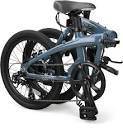
The Raleigh Chopper is a children's / young adults bicycle, a wheelie bike, manufactured and marketed from the 1960s to 2005 by the Raleigh Bicycle Company of Nottingham, England. Its unique design became a cultural icon and is fondly remembered by many who grew up in that period. The design was influenced by dragsters, "chopped" motorcycles, beach buggies, and even chariots, as can be seen on the center page of the 1969 Raleigh US catalog. The bicycle has featured in many movies and TV series including the Goonies, MK1 models produced from 1967 to 1973 , MK2 models produced from 1973 to 1985 and MK3 models produced from 1996 to 2005
MK1 - available only as a 3 speed model, Brilliant Orange, Golden Yellow, Flamboyant Green, Targa Mustard (HBR model), and Horizon Blue.
Sprint GT - available in either Bronze or Flamboyant Green.
MK2 - standard 3 speed models available in Infra Red, Ultra Violet, Fizzy Lemon, Quick Silver, Space Blue, and Jet Black (Prismatic decal model).
MK2 - Pink 5 Speed (Derailleur), Mk2 Lime Green 5 Speed (Derailleur).
MK2 - SE with cast alloy mags to commemorate 750,000 choppers
MK3 - Standard available in Black, Purple, Red, Silver, Pink, Yellow
MK3 - Special & Limited editions, The Hot One limited edition in Red 1000 made, The Black limited edition in Black 1000 made, World Cup 2002 edition in White 1000 made, Beano edition in Multi color 500 made, Armed forces edition in White 500 made, Ben Sherman edition in White 500 made.
Mk1 1967 to 1973 The Chopper's patent was applied for in the US in 1967. The Chopper was introduced at American trade shows in January 1969 but it was not until April 1969 that Raleigh Choppers were available for the public to purchase. The bike featured a choice of a single-speed coaster hub, or a 3-speed or 5-speed Sturmey Archer gear hub, selected using a frame-mounted console gear lever. Other features that appealed to the youth market were the unusual frame, long padded high-back seat, sprung seat at the back, high-rise (ape hanger) handlebars, 'bobbed' mudguards (fenders) and differently sized wheels: 16 in (41 cm) front and 20 in (51 cm) rear. The rear hoop above the seat resembled a dragster anti roll bar "sissy bar". Even the kickstand was designed to give the stationary bicycle a lean reminiscent of a parked motorcycle. Tires were wider than usual for the time, with a chunky tread on the rear wheel, featuring a red line around the sidewall.
In 1969 the Raleigh Chopper was launched in the UK market this was a triple launch for Raleigh and Mk1 ran until 1973 with the Chopper branded as THE HoT oNE, alongside the Moulton Mk3 (The Smooth One), and the RSW Mk3 (The Dolly One). The Chopper bike was sold as a "must have" item and signifier of "coolness" for many children at the time.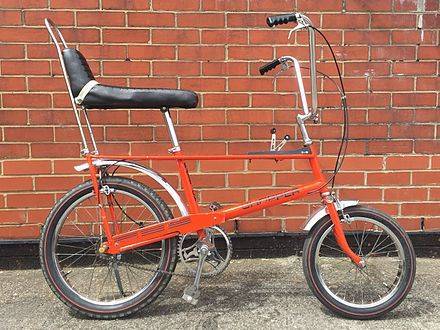
MK1 - available only as a 3 speed model, Brilliant Orange, Golden Yellow, Flamboyant Green, Targa Mustard (HBR model), and Horizon Blue.
Sprint GT - available in either Bronze or Flamboyant Green.
MK2 - standard 3 speed models available in Infra Red, Ultra Violet, Fizzy Lemon, Quick Silver, Space Blue, and Jet Black (Prismatic decal model).
MK2 - Pink 5 Speed (Derailleur), Mk2 Lime Green 5 Speed (Derailleur).
MK2 - SE with cast alloy mags to commemorate 750,000 choppers
MK3 - Standard available in Black, Purple, Red, Silver, Pink, Yellow
MK3 - Special & Limited editions, The Hot One limited edition in Red 1000 made, The Black limited edition in Black 1000 made, World Cup 2002 edition in White 1000 made, Beano edition in Multi color 500 made, Armed forces edition in White 500 made, Ben Sherman edition in White 500 made.
Mk1 1967 to 1973 The Chopper's patent was applied for in the US in 1967. The Chopper was introduced at American trade shows in January 1969 but it was not until April 1969 that Raleigh Choppers were available for the public to purchase. The bike featured a choice of a single-speed coaster hub, or a 3-speed or 5-speed Sturmey Archer gear hub, selected using a frame-mounted console gear lever. Other features that appealed to the youth market were the unusual frame, long padded high-back seat, sprung seat at the back, high-rise (ape hanger) handlebars, 'bobbed' mudguards (fenders) and differently sized wheels: 16 in (41 cm) front and 20 in (51 cm) rear. The rear hoop above the seat resembled a dragster anti roll bar "sissy bar". Even the kickstand was designed to give the stationary bicycle a lean reminiscent of a parked motorcycle. Tires were wider than usual for the time, with a chunky tread on the rear wheel, featuring a red line around the sidewall.
In 1969 the Raleigh Chopper was launched in the UK market this was a triple launch for Raleigh and Mk1 ran until 1973 with the Chopper branded as THE HoT oNE, alongside the Moulton Mk3 (The Smooth One), and the RSW Mk3 (The Dolly One). The Chopper bike was sold as a "must have" item and signifier of "coolness" for many children at the time.

The P.K. Ripper was an aluminum framed BMX bike produced by S.E. Racing beginning in the 1980s. It was one of the first aluminum frames and had an oversized down tube that became a signature style for the model, which continues to be sold to this day.
P.K. were the initials for professional rider Perry Kramer. When I was a kid I wanted that bike. Later, while working at a bike shop I was having a conversation with a sales rep who introduced himself to me as Perry. It was him.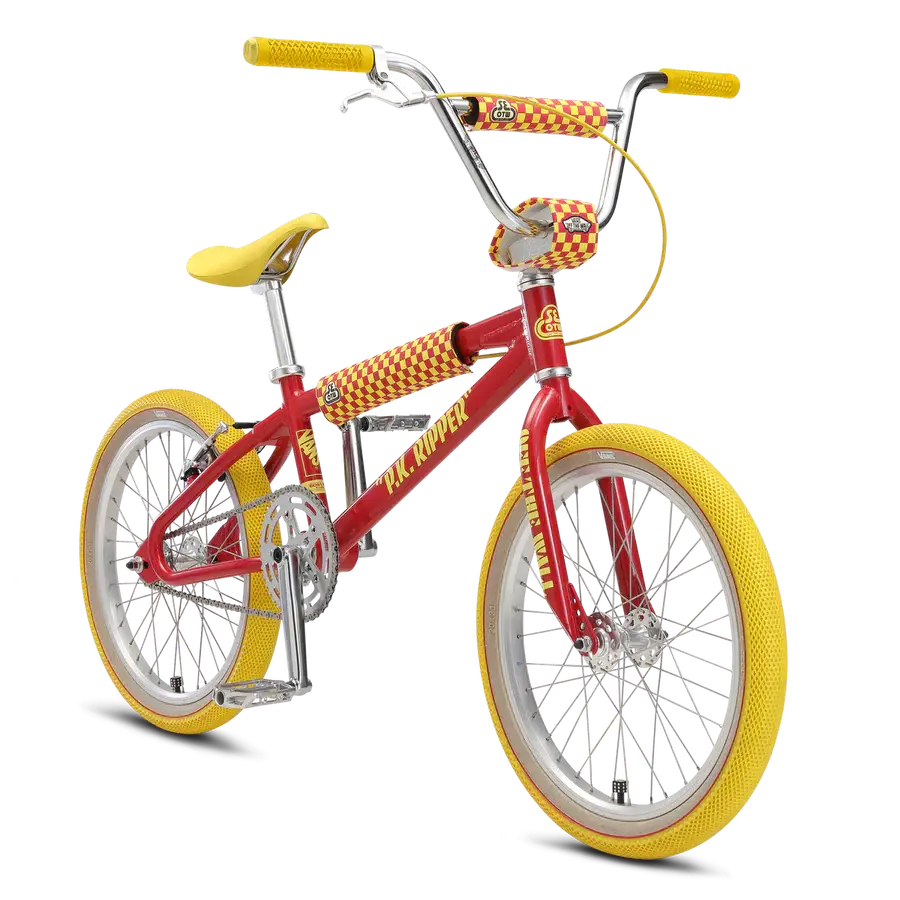
P.K. were the initials for professional rider Perry Kramer. When I was a kid I wanted that bike. Later, while working at a bike shop I was having a conversation with a sales rep who introduced himself to me as Perry. It was him.
2

1

That is an incredible story..right out of a movie. Was the dude anything like Kenny Powers?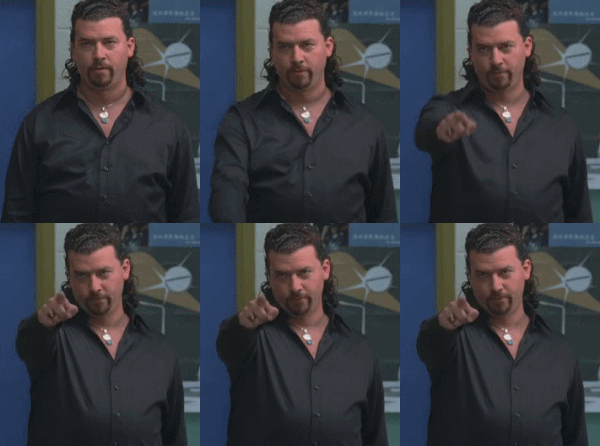

2

Electric Bike: These bikes include an electric motor which you can charge by plugging it into a regular outlet. When you peddle, the electric motor provides an assist so that you go faster and hills are made easier.
Many types of bicycles are available in electric versions including mountain bikes, road bikes and hybrid bikes (for commuting).
I will probably never get a non-electric bike again. You still get a great workout or can take it nice and easy. Learn about things to know before buying an electric bike (based on my extensive use).
Now that you are aware of the major types of bicycle available for you out there, which one are you going to buy for yourself? Regardless of whichever bicycle you choose, remember to pick one that you truly need and one that perfectly fits your cycling requirements.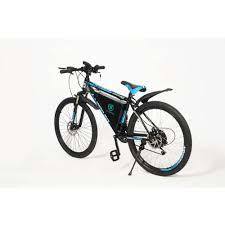
Many types of bicycles are available in electric versions including mountain bikes, road bikes and hybrid bikes (for commuting).
I will probably never get a non-electric bike again. You still get a great workout or can take it nice and easy. Learn about things to know before buying an electric bike (based on my extensive use).
Now that you are aware of the major types of bicycle available for you out there, which one are you going to buy for yourself? Regardless of whichever bicycle you choose, remember to pick one that you truly need and one that perfectly fits your cycling requirements.
Cyclocross bikes are primarily designed to be raced around a dirt trail that consists of different obstacles and blockages placed at various intervals. The purpose behind those barriers is that the rider or cyclist has to dismount mid-cycling and carry the bicycle for different short periods of time.
These bikes are super lightweight but also tough and sturdy enough to deal with intense conditions of cyclocross racing, which may often, involve cyclists taking laps around courses on pavements, grass and dirt trails. Most cyclocross bikes come with semi-knobby tires to ensure that the bike can handle any given terrain challenges.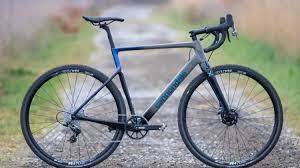
These bikes are super lightweight but also tough and sturdy enough to deal with intense conditions of cyclocross racing, which may often, involve cyclists taking laps around courses on pavements, grass and dirt trails. Most cyclocross bikes come with semi-knobby tires to ensure that the bike can handle any given terrain challenges.
By sport:
Road racing bicycles
Time trial bicycles are road bicycles with an aerodynamic features that are not permitted when the racers ride as a group, such as aero bars and a disk rear wheel.
Triathlon bicycles have seatposts that are closer to vertical than the seatposts on road racing bicycles. This enables a greater contribution from hamstring and gluteus muscles.[6] Triathlon bicycles also have specialized handlebars known as triathlon bars or aero bars.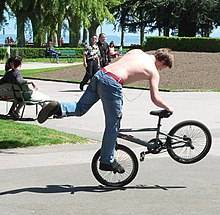
Road racing bicycles
Time trial bicycles are road bicycles with an aerodynamic features that are not permitted when the racers ride as a group, such as aero bars and a disk rear wheel.
Triathlon bicycles have seatposts that are closer to vertical than the seatposts on road racing bicycles. This enables a greater contribution from hamstring and gluteus muscles.[6] Triathlon bicycles also have specialized handlebars known as triathlon bars or aero bars.
Brompton Bycycle Founded in: 1975 Foldability, reliability, and compactness are probably the best words to describe the Brompton Bycycles. While Brompton’s Bycycles might not be everyone’s cup of tea, they sure are the commuters’ dream Bycycles.
Features:
Noticeable designs
electric and non-electric models
Fold down into small bundles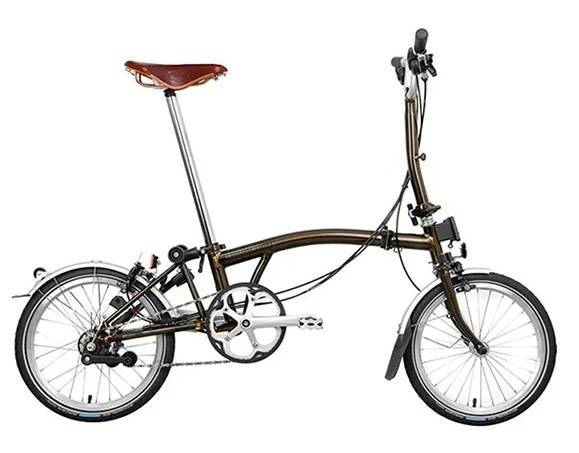
Features:
Noticeable designs
electric and non-electric models
Fold down into small bundles
A cruiser bicycle, also known as a beach cruiser or (formerly) motobike, is a bicycle that usually combines balloon tires, an upright seating posture, a single-speed drivetrain, and straightforward steel construction with expressive styling. Cruisers are popular among casual bicyclists and vacationers because they are very stable and easy to ride, but their heavy weight and balloon tires tend to make them rather slow. Another common feature is their ability to be customized with accessories including fenders, lights and saddle bags.[1] They are designed for use primarily on paved roads, low speeds/distances, and are included in the non-racing/non-touring class and heavyweight or middleweight styles of the road bicycle type.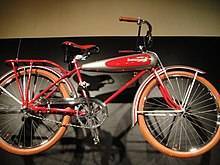
Canyon Bicycles
Canyon Bicycles GmbH (abbr.: Canyon) is a German manufacturer of road bikes, mountain bikes, hybrid bikes, triathlon bikes and e-bikes based in Koblenz, Germany.
History
n 1985, Roman Arnold and his brother Franc Arnold (who is no longer involved with the company) founded 'Radsport Arnold' GmbH as a supplier of bike parts for cycling. It wasn't until 1996 that the first bikes with the brand name Canyon appeared. Radsport Arnold adopted a direct sales strategy via the Internet.
In 2001, the company took the step from being a supplier to becoming a cycle manufacturer and changed its name to Canyon Bicycles GmbH. With Lutz Scheffer (formerly Bergwerk and Votec) Canyon was able to secure the services of a frame designer. In the next few years the firm based in Koblenz, Germany was able to hire Hans Christian Smolik along with other bicycle construction experts.
In 2006, Canyon unveiled its new corporate design, which also received several awards in 2007 (European Design Award for Corporate Design, red dot design awards for Corporate and web design, iF Product Design Award for Corporate Design).
In 2018, Canyon launched its first e-bike called the Spectral:ON.In 2020, the brand launched the first in its line of Canyon Factory Racing (CFR) bikes (the Strive mountain bike), a limited run of high-end bikes designed for professional riders. The current CFR line up consists of the Aeroad, Exceed, Sender and Ultimate.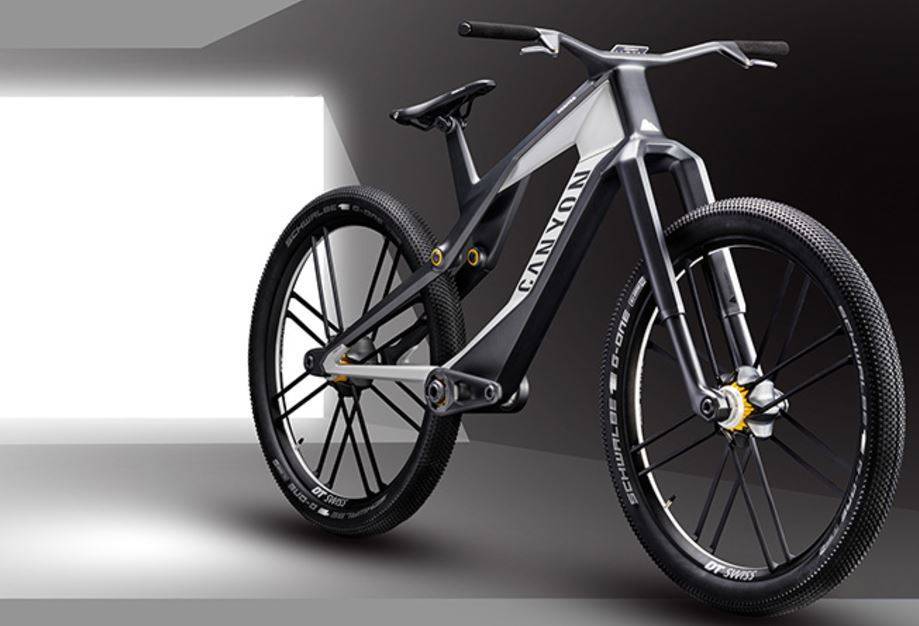
Canyon Bicycles GmbH (abbr.: Canyon) is a German manufacturer of road bikes, mountain bikes, hybrid bikes, triathlon bikes and e-bikes based in Koblenz, Germany.
History
n 1985, Roman Arnold and his brother Franc Arnold (who is no longer involved with the company) founded 'Radsport Arnold' GmbH as a supplier of bike parts for cycling. It wasn't until 1996 that the first bikes with the brand name Canyon appeared. Radsport Arnold adopted a direct sales strategy via the Internet.
In 2001, the company took the step from being a supplier to becoming a cycle manufacturer and changed its name to Canyon Bicycles GmbH. With Lutz Scheffer (formerly Bergwerk and Votec) Canyon was able to secure the services of a frame designer. In the next few years the firm based in Koblenz, Germany was able to hire Hans Christian Smolik along with other bicycle construction experts.
In 2006, Canyon unveiled its new corporate design, which also received several awards in 2007 (European Design Award for Corporate Design, red dot design awards for Corporate and web design, iF Product Design Award for Corporate Design).
In 2018, Canyon launched its first e-bike called the Spectral:ON.In 2020, the brand launched the first in its line of Canyon Factory Racing (CFR) bikes (the Strive mountain bike), a limited run of high-end bikes designed for professional riders. The current CFR line up consists of the Aeroad, Exceed, Sender and Ultimate.
History
Santa Cruz Bicycles was founded by Rob Roskopp, Mike Marquez and Rich Novak in 1993. Roskopp had spent many years as a professional skateboarder, and Novak's Santa Cruz Skateboards company had put out a special "Roskopp" model before the two met. Roskopp and Novak went into partnership with bike engineer Mike Marquez, who had particular experience in bicycle suspension, and Tom Morris, a designer, to build some prototypes.Their first bike, in 1994, was a full suspension bike called the Tazmon. It had an 80 millimetres (3.1 in) travel single pivot design,[6] the first on the market.[1][4] It was followed a year later by the 100 millimetres (3.9 in) travel Heckler, a model that was discontinued for the 2016 model year and relaunched in 2020 as an e-bike.
The company acquired the patents for their Virtual Pivot Point (aka "VPP") from Outland Bikes around 1999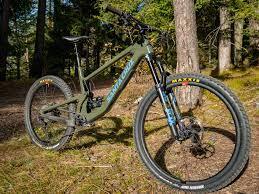
Santa Cruz Bicycles was founded by Rob Roskopp, Mike Marquez and Rich Novak in 1993. Roskopp had spent many years as a professional skateboarder, and Novak's Santa Cruz Skateboards company had put out a special "Roskopp" model before the two met. Roskopp and Novak went into partnership with bike engineer Mike Marquez, who had particular experience in bicycle suspension, and Tom Morris, a designer, to build some prototypes.Their first bike, in 1994, was a full suspension bike called the Tazmon. It had an 80 millimetres (3.1 in) travel single pivot design,[6] the first on the market.[1][4] It was followed a year later by the 100 millimetres (3.9 in) travel Heckler, a model that was discontinued for the 2016 model year and relaunched in 2020 as an e-bike.
The company acquired the patents for their Virtual Pivot Point (aka "VPP") from Outland Bikes around 1999
Santa Cruz Bicycles
Santa Cruz Bicycles is a manufacturer of high end mountain bikes based in Santa Cruz, California.[1] They sponsor the Santa Cruz Syndicate, a downhill racing team. The company moved premises from 104 Bronson Street to 2841 Mission Street in 2013 . Formerly owned by NHS, Inc. On July 3, 2015, Santa Cruz Bicycles was sold to Pon Holdings, a family-owned Dutch conglomerate with a bicycle division including brands such as Cervélo, Focus and Royal Dutch Gazelle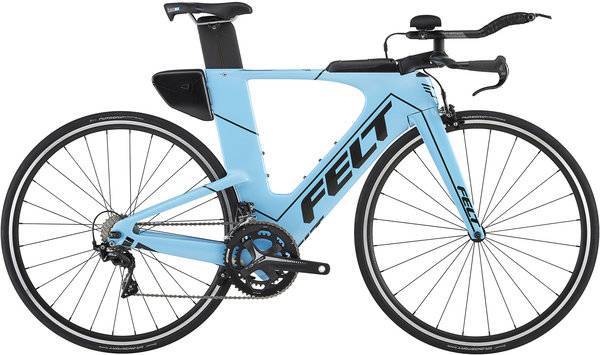
Santa Cruz Bicycles is a manufacturer of high end mountain bikes based in Santa Cruz, California.[1] They sponsor the Santa Cruz Syndicate, a downhill racing team. The company moved premises from 104 Bronson Street to 2841 Mission Street in 2013 . Formerly owned by NHS, Inc. On July 3, 2015, Santa Cruz Bicycles was sold to Pon Holdings, a family-owned Dutch conglomerate with a bicycle division including brands such as Cervélo, Focus and Royal Dutch Gazelle