
27 reactions
⭐ "Unraveling the Mystery of Dinosaurs: Digging Up Prehistoric Remains for Museum Marvels!" ⭐
"Digging up dinosaur bones for museums is like going on a Jurassic treasure hunt! It's a race against time and the elements, armed with shovels, brushes, and a whole lot of patience. It's like trying to solve a jigsaw puzzle, but with bones that are millions of years old and no picture on the box!"
Dinosaurs roamed the Earth millions of years ago during the Mesozoic Era, which was divided into three periods: the Triassic (251-199 million years ago), the Jurassic (199-145 million years ago), and the Cretaceous (145-66 million years ago).
The process of excavating dinosaur remains for museums typically involves several steps. First, paleontologists carefully survey and map the site to determine the best approach for excavation. They may use tools like picks, shovels, and brushes to carefully remove layers of rock and sediment, revealing the fossilized bones underneath.
Once exposed, the bones are carefully documented, photographed, and sometimes even 3D scanned to create accurate replicas. They are then painstakingly removed from the site, often encased in protective plaster jackets to prevent damage during transportation.
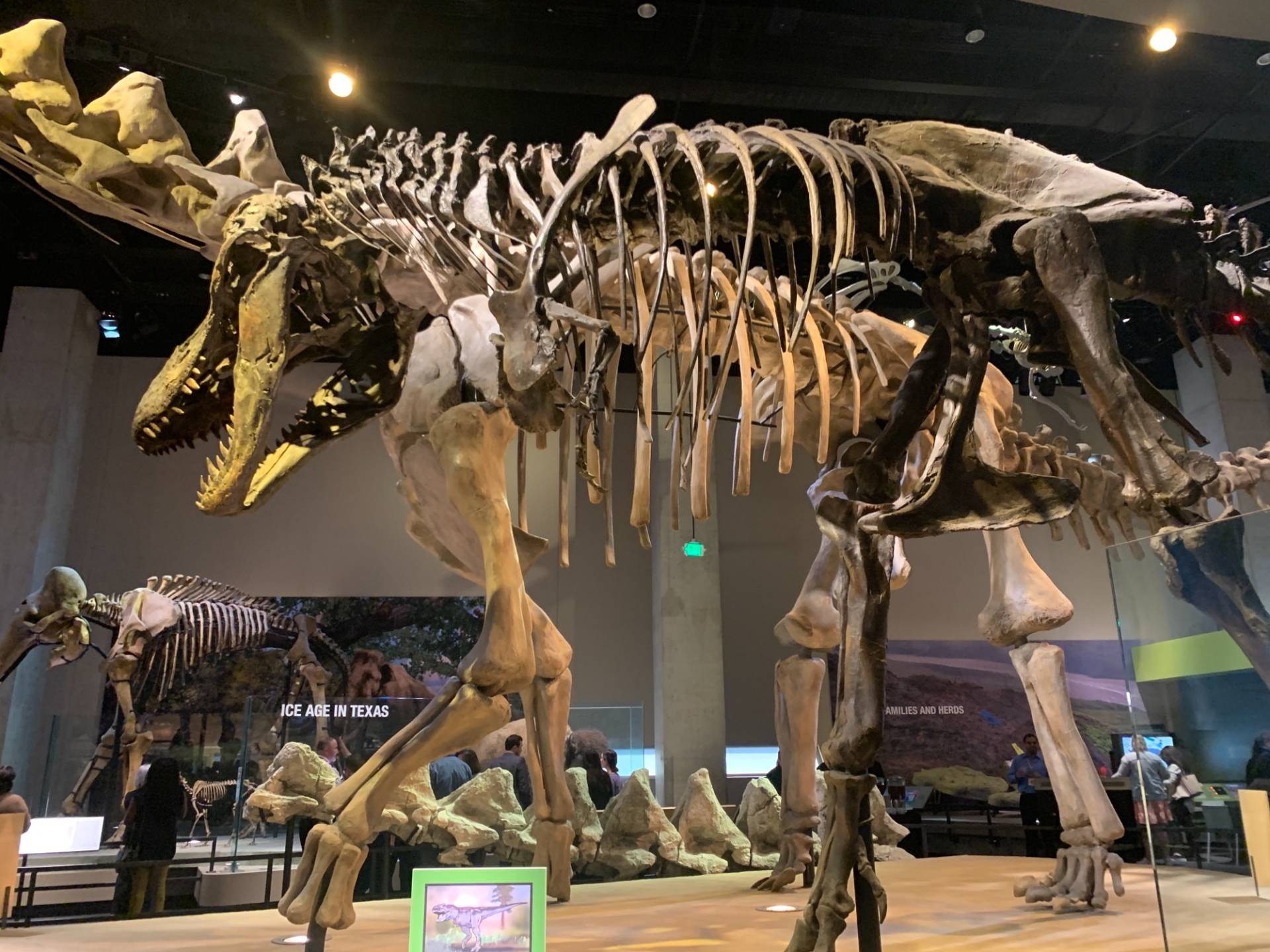
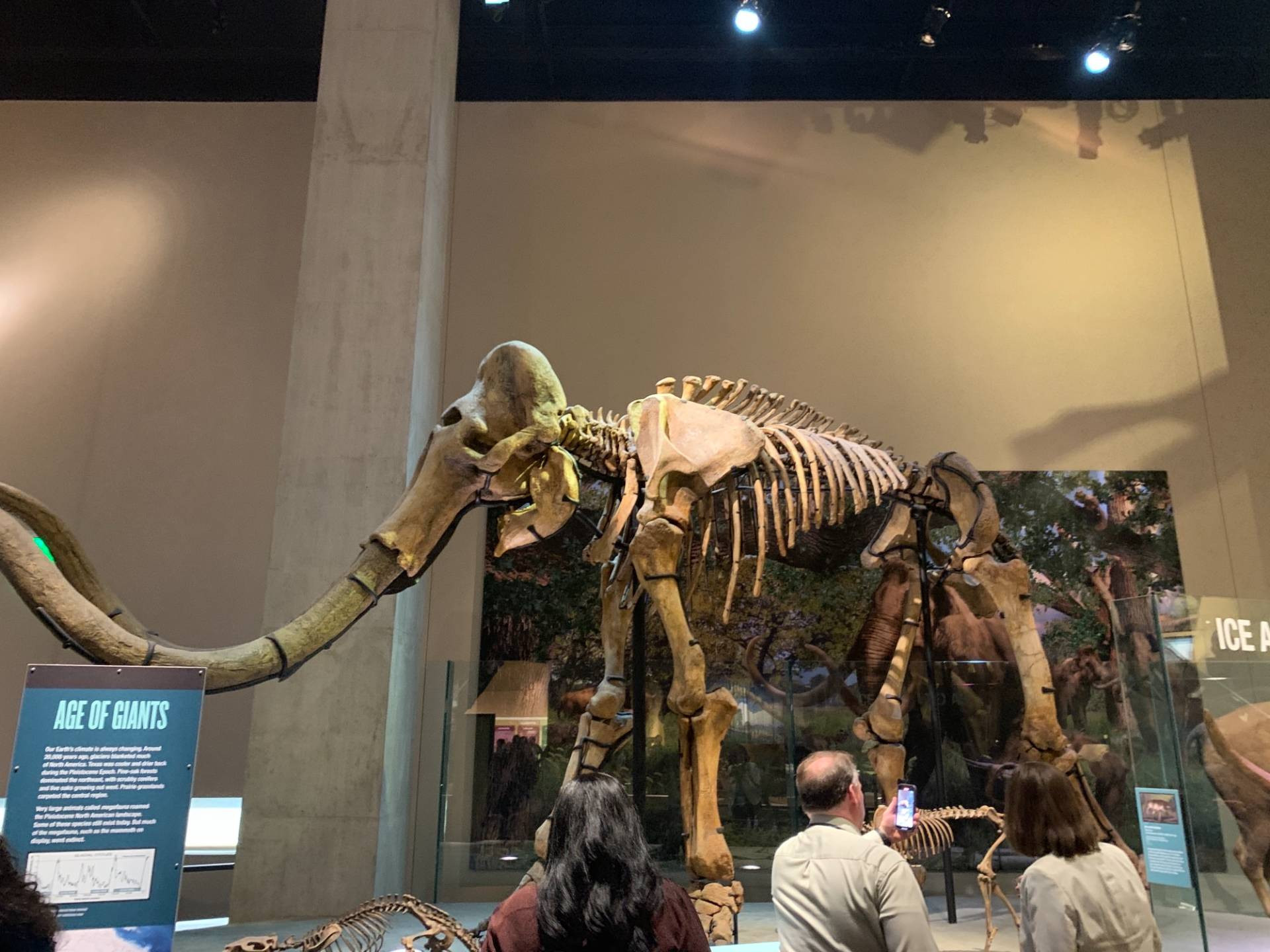
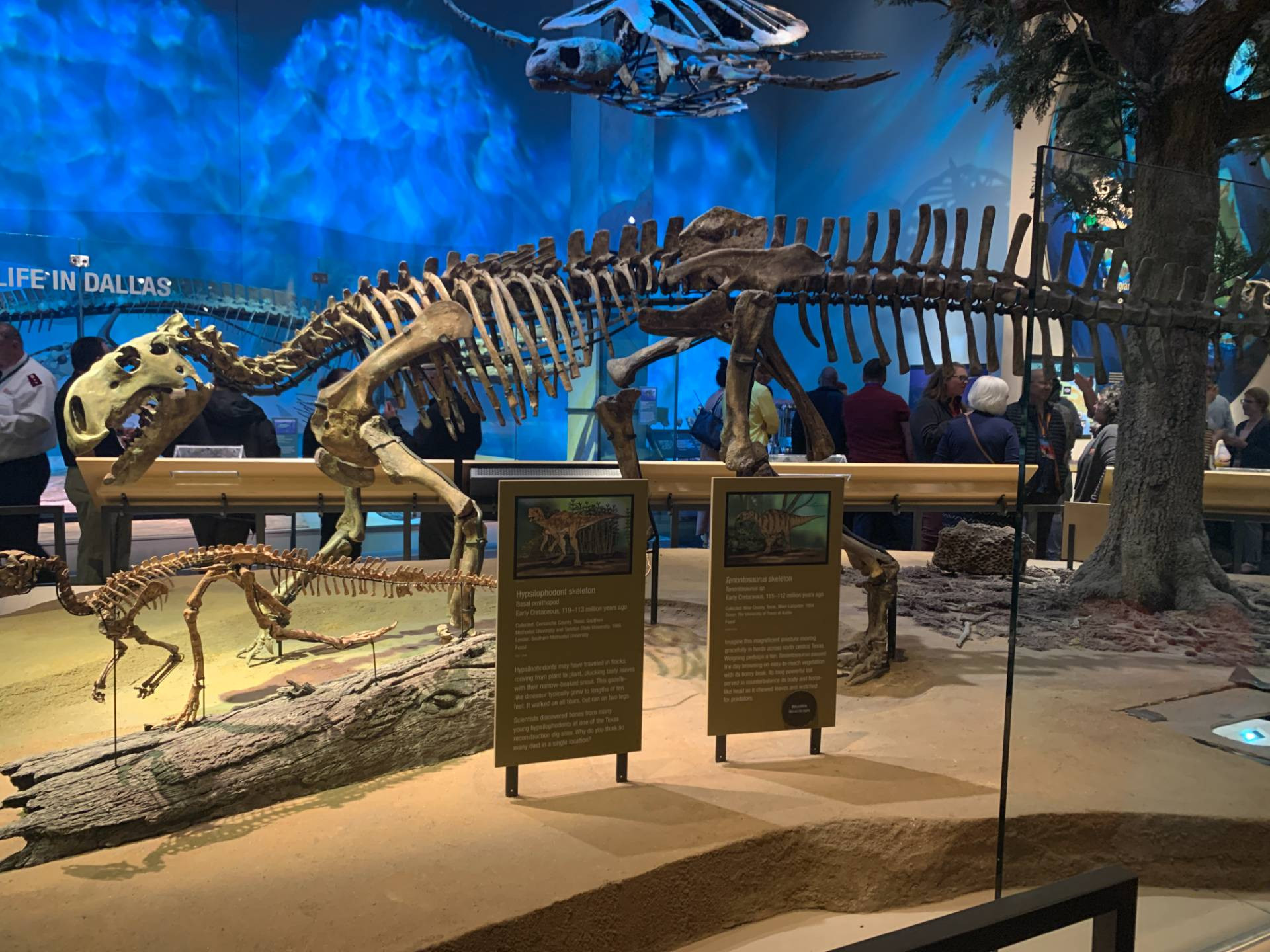
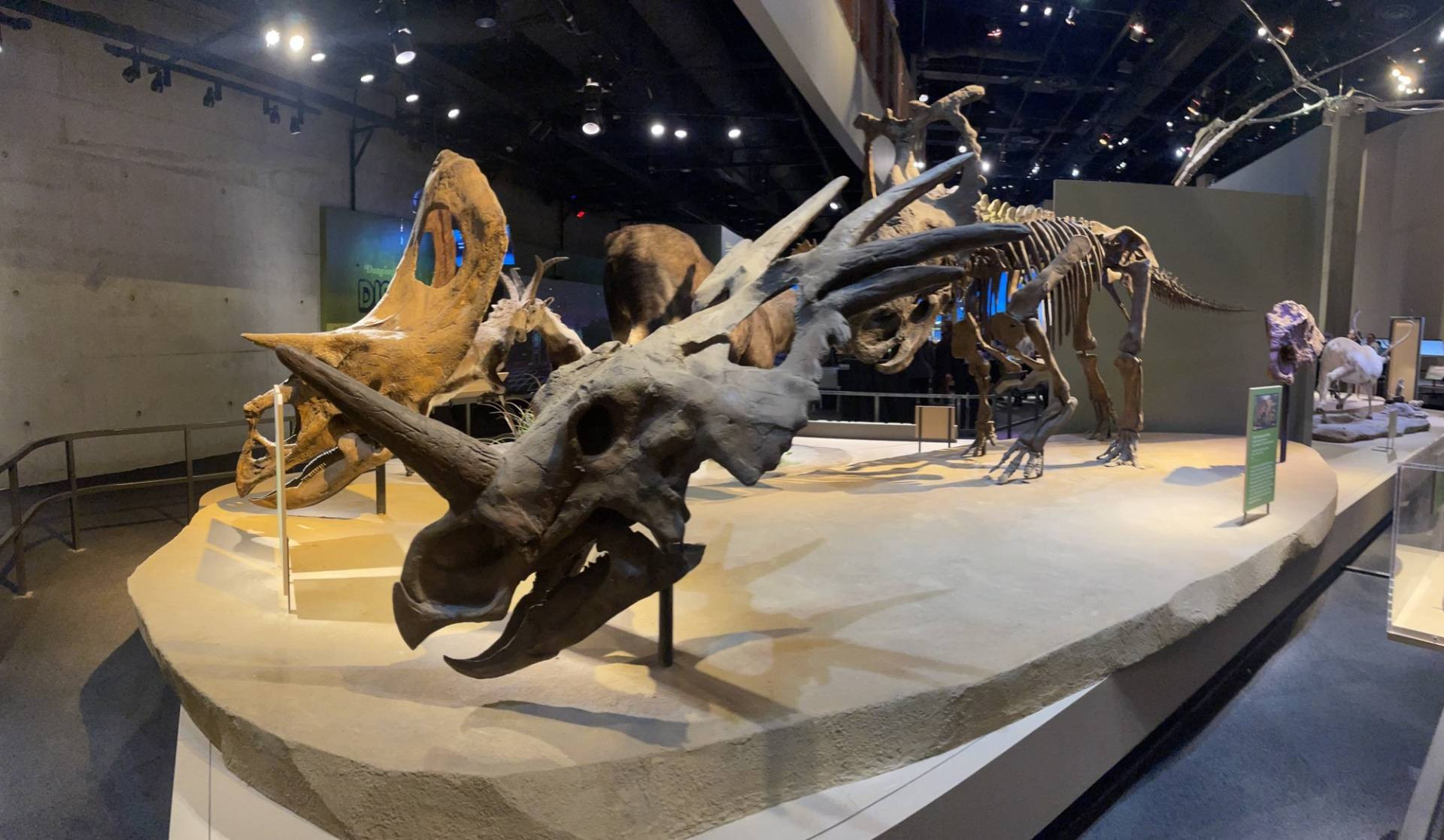
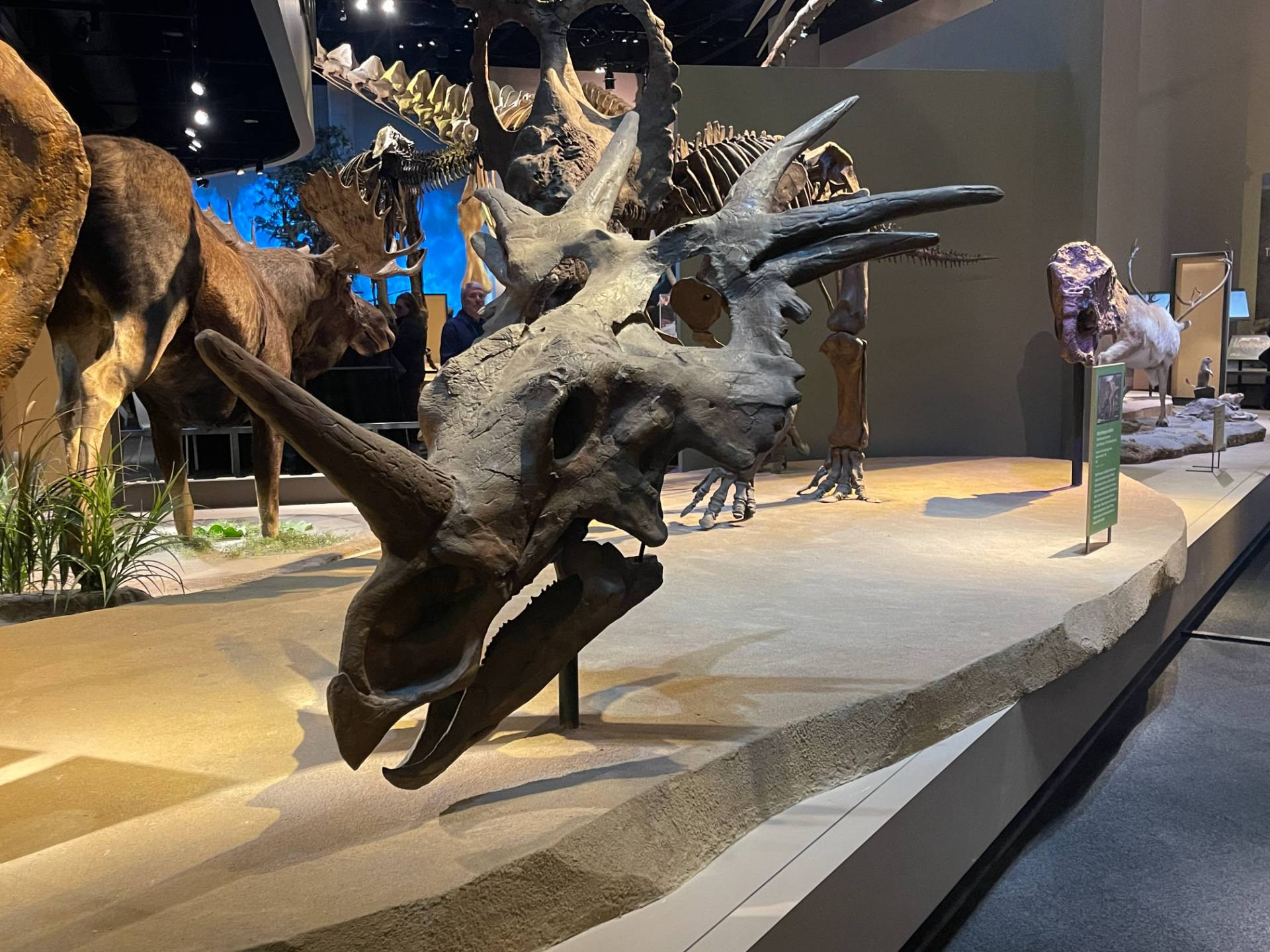
Back at the museum, the fossils are cleaned, studied, and analyzed to learn more about the dinosaur's anatomy, behavior, and environment. They may be carefully reconstructed to create museum displays or used for further scientific research. It's a delicate process that requires precision, expertise, and a whole lot of dirt-digging excitement!
⭐
"Digging up dinosaur bones for museums is like going on a Jurassic treasure hunt! It's a race against time and the elements, armed with shovels, brushes, and a whole lot of patience. It's like trying to solve a jigsaw puzzle, but with bones that are millions of years old and no picture on the box!"
Dinosaurs roamed the Earth millions of years ago during the Mesozoic Era, which was divided into three periods: the Triassic (251-199 million years ago), the Jurassic (199-145 million years ago), and the Cretaceous (145-66 million years ago).
The process of excavating dinosaur remains for museums typically involves several steps. First, paleontologists carefully survey and map the site to determine the best approach for excavation. They may use tools like picks, shovels, and brushes to carefully remove layers of rock and sediment, revealing the fossilized bones underneath.
Once exposed, the bones are carefully documented, photographed, and sometimes even 3D scanned to create accurate replicas. They are then painstakingly removed from the site, often encased in protective plaster jackets to prevent damage during transportation.
Back at the museum, the fossils are cleaned, studied, and analyzed to learn more about the dinosaur's anatomy, behavior, and environment. They may be carefully reconstructed to create museum displays or used for further scientific research. It's a delicate process that requires precision, expertise, and a whole lot of dirt-digging excitement!
⭐


| 144,000 mlx | |
| 39 | |
| 27 |