
9 reactions
The Rastafari
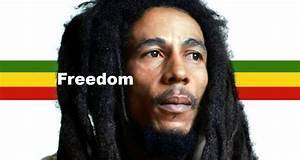
Maybe people in general all over the world when they hear or read the words "Rasta" or "Rastafari", then spontaneously imagine Bob Marley's face, imagine his distinctive, authentic, attractive appearance. And ringing in the ears of the songs he sings. In fact, it is likely that you will remember all the accessories and attributes, including the colors. Bob Marley's music is extraordinarily "crazy". Long before there was internet and Android, it was very popular. No, Bob Marley did not start the Rastafari movement.
While we might associate Mr. Marley with the movement, he didn’t actually start it! However, there is no denying that the insane popularity of his music helped spread the Rastafari way of life.
What is the definition of Rasta? Who founded it? What are their beliefs? Rasta (also known as Rastafarian) is a religion created by a Jamaican man named Marcus Garvey. He created it after the crowning of Ras Tafari Makonnen (Haile Selassie I of Ethiopia, also known as Prince Tafari before his coronation) as "King of Kings and Lord of Lords" which took place in Ethiopia in 1930. One of the unique beliefs of Rasta is the use of marijuana (pot) as a "sacrament" and as an aid to meditation. They also command the wearing of dreadlocks as a hairstyle.
Rastafari has its roots in the philosophy of Marcus Garvey, born in Jamaica in 1887, was a political activist and supporter of black self-empowerment. Many Rastafari consider Garvey to be a prophet, similar to John the Baptist’s role in Christianity. In his teachings, he urged those of the African diaspora to not only return to Africa, but to also “look to Africa, when a black king shall be crowned.” That prophecy was realized with the crowning of the last Emperor of Ethiopia.
Another crucial name to know: Haile Selassie I. Followers of Marcus Garvey’s teachings came together to form a religion in 1930, when Haile Selassie I became the Emperor of Ethiopia. Rastafarians consider the Emperor their messiah, naming the movement after his birth name, Ras Tafari Makonnen. On April 21, 1966, Haile Selassie I visited Jamaica for the first (and only) time. The day is now considered holy, known as Grounation Day. Learn more here. <a rel="noreferrer nofollow noopener" href="https://www.bbc.co.uk/religion/religions/rastafari/holydays/holydays.shtml" target="_blank">https://www.bbc.co.uk/religion/religions/rastafari/holydays/holydays.shtml</a>
Generally, Rastas are pretty health conscious. They consider their body to be a temple, based on the Old Testament teachings. Rastas do not drink alcohol or eat food that is not nourishing to their body, which includes meat. Many follow a strict dietary law called ital, which states that all food must be completely natural and raw. Rastas see Africa as a paradise on earth, and at the core of the movement is the belief that all people of the African diaspora should return to their homeland. Many Rastafaris hope to return to Africa during their lifetime.
A common misconception of the Rastafari flag is that its colors are red, green, black and yellow. However, the Rastafari colors are red, green, black and gold—and they were all chosen for a specific purpose. Gold (not yellow!) symbolises the wealth of Ethiopia. If you want to know what the other colors signify, click here. <a rel="noreferrer nofollow noopener" href="https://www.bbc.co.uk/religion/religions/rastafari/ataglance/glance.shtml" target="_blank">https://www.bbc.co.uk/religion/religions/rastafari/ataglance/glance.shtml</a>


3

1

1
| 144,000 mlx | |
| 105 | |
| 9 |

This was very interesting to read. I look forward to reading more interesting content from you!

1