
3 reactions
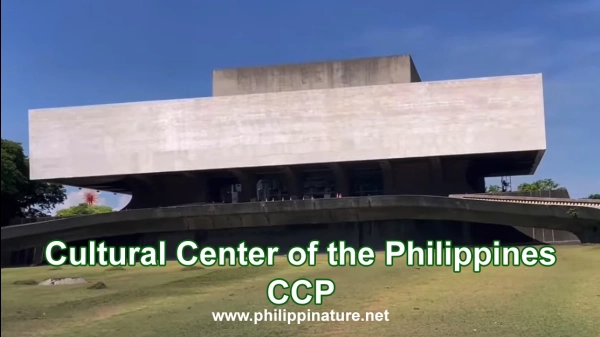
The Cultural Center of the Philippines
The Cultural Center of the Philippines (CCP) stands as a beacon of artistic expression and cultural heritage in the heart of Manila. Established in 1969, this iconic institution serves as a vital platform for promoting the diverse artistic traditions of the Philippines while also showcasing international works. Let’s delve into what makes the CCP a cornerstone of Philippine culture and the arts.
The CCP was founded during the administration of then-President Ferdinand Marcos, with the goal of preserving and promoting Filipino culture. Its establishment marked a significant turning point in the recognition of the arts in the Philippines. The center was designed by the renowned architect Leandro V. Locsin, whose modernist approach blends seamlessly with traditional Filipino aesthetics. The CCP complex spans over 62 hectares, featuring various theaters, galleries, and spaces for performing arts, making it a cultural haven.
Read more 👇👇
The Cultural Center of the Philippines (CCP) stands as a beacon of artistic expression and cultural heritage in the heart of Manila. Established in 1969, this iconic institution serves as a vital platform for promoting the diverse artistic traditions of the Philippines while also showcasing international works. Let’s delve into what makes the CCP a cornerstone of Philippine culture and the arts.
The CCP was founded during the administration of then-President Ferdinand Marcos, with the goal of preserving and promoting Filipino culture. Its establishment marked a significant turning point in the recognition of the arts in the Philippines. The center was designed by the renowned architect Leandro V. Locsin, whose modernist approach blends seamlessly with traditional Filipino aesthetics. The CCP complex spans over 62 hectares, featuring various theaters, galleries, and spaces for performing arts, making it a cultural haven.
Read more 👇👇


| 11,000 mlx | |
| 33 | |
| 3 |