
4 reactions
A radioactive "fingerprint" is drifting into the Philippines from distant regional sources…
In a new study, Filipino scientists revealed elevated nuclear isotopes in the West Philippine Sea.
Researchers have identified elevated levels of iodine-129—a long-lived radioactive isotope—within the West Philippine Sea. After analyzing 119 seawater samples, the team found that concentrations in the area were 1.5 to 1.7 times higher than in neighboring regions.
Because this isotope is a byproduct of nuclear fission rather than a natural occurrence, its presence acts as a distinct signature of human nuclear activity, marking a significant milestone in local marine surveillance.
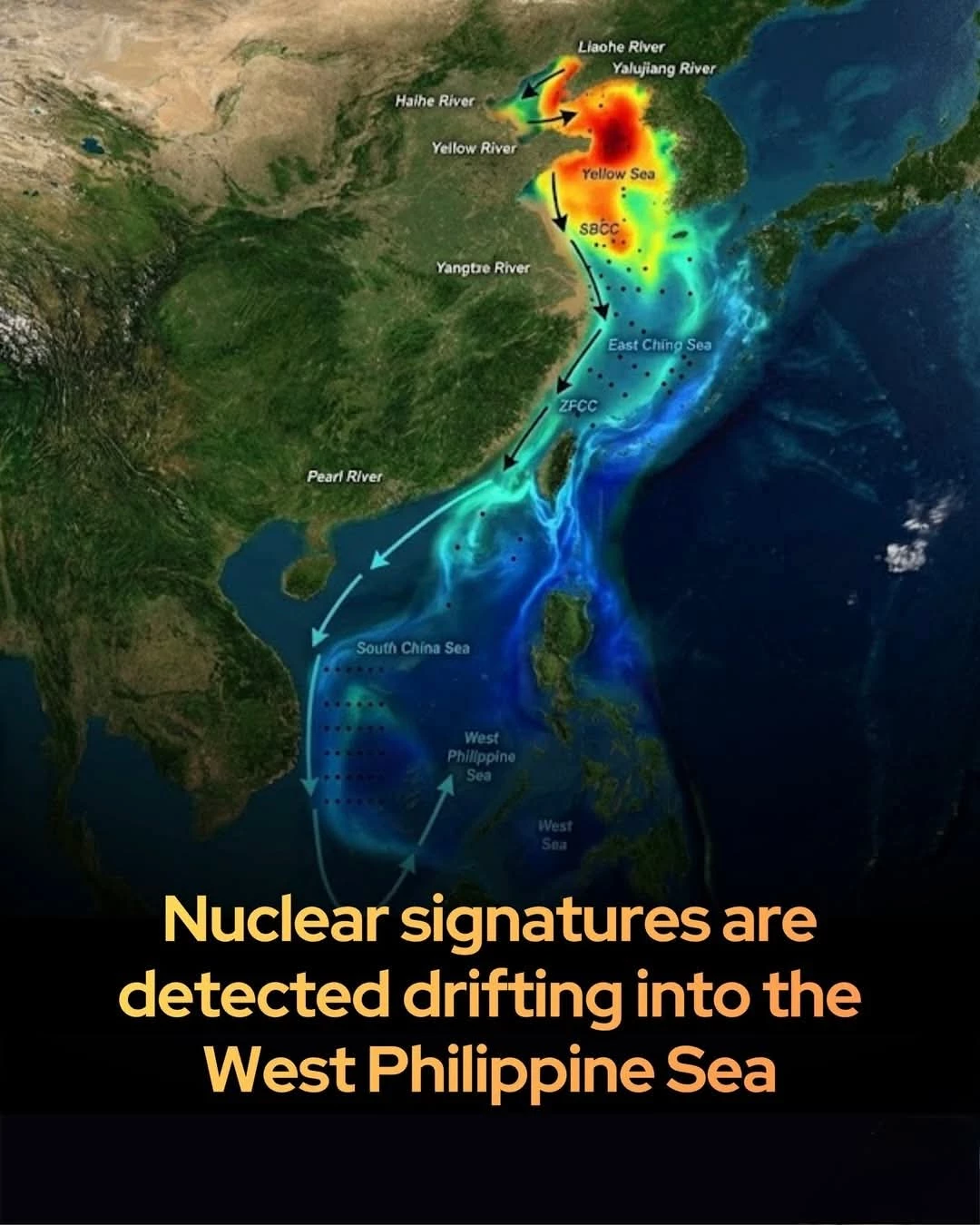
While the findings may sound alarming, experts emphasize that current concentrations pose no immediate threat to public health or marine ecosystems. Instead, the discovery serves as a stark reminder of how interconnected the world’s oceans are. Investigations suggest that ocean currents likely transported these traces from the Yellow Sea, where they originated from nuclear fuel reprocessing facilities and historical weapons testing in northeastern China. This study underscores the importance of regional cooperation and the vital role of local science in monitoring invisible pollutants that cross international borders.
In a new study, Filipino scientists revealed elevated nuclear isotopes in the West Philippine Sea.
Researchers have identified elevated levels of iodine-129—a long-lived radioactive isotope—within the West Philippine Sea. After analyzing 119 seawater samples, the team found that concentrations in the area were 1.5 to 1.7 times higher than in neighboring regions.
Because this isotope is a byproduct of nuclear fission rather than a natural occurrence, its presence acts as a distinct signature of human nuclear activity, marking a significant milestone in local marine surveillance.
While the findings may sound alarming, experts emphasize that current concentrations pose no immediate threat to public health or marine ecosystems. Instead, the discovery serves as a stark reminder of how interconnected the world’s oceans are. Investigations suggest that ocean currents likely transported these traces from the Yellow Sea, where they originated from nuclear fuel reprocessing facilities and historical weapons testing in northeastern China. This study underscores the importance of regional cooperation and the vital role of local science in monitoring invisible pollutants that cross international borders.


| 6,000 mlx | |
| 14 | |
| 4 |