58 reactions
Tech #Week1 #Challenge : 11,625,000 #millix in prizes
🗺️ Comment Below with a fascinating or innovative NEW Technology. You must include an image and tell us about it!
Example: Apple Vision Pro - Apple Vision Pro is an upcoming mixed-reality headset developed by Apple Inc. It was announced on June 5, 2023, at Apple's Worldwide Developers Conference, with availability scheduled for early 2024.
🌀 We will spin the wheel from all the submissions and pay the winners this time, this day, next week!
ℹ️ RULES : You must have a verification badge PLUS a Purchased badge from the marketplace .
1st Place #earn 6,000,000 #millix
2ndPlace #earn 3,000,000 #millix
3rd Place #earn 1,500,000 #millix
4th Place #earn 750,000 #millix
5th Place #earn 375,000 #millix
🗺️ Comment Below with a fascinating or innovative NEW Technology. You must include an image and tell us about it!
Example: Apple Vision Pro - Apple Vision Pro is an upcoming mixed-reality headset developed by Apple Inc. It was announced on June 5, 2023, at Apple's Worldwide Developers Conference, with availability scheduled for early 2024.
🌀 We will spin the wheel from all the submissions and pay the winners this time, this day, next week!
ℹ️ RULES : You must have a verification badge PLUS a Purchased badge from the marketplace .
1st Place #earn 6,000,000 #millix
2ndPlace #earn 3,000,000 #millix
3rd Place #earn 1,500,000 #millix
4th Place #earn 750,000 #millix
5th Place #earn 375,000 #millix


12

2
| 22,035,000 mlx | |
| 406 | |
| 58 |

Electronic bag tags
Believe it or not, some travelers do still check bags, and a new offering from this Seattle-based airline aims to make that process easier. Flyers who can get an electronic bag tag from Alaska Airlines (at first, 2,500 members of their frequent flier plan will get them, and in 2023 they’ll be available to buy) can use their mobile phone to create the appropriate luggage tag on this device’s e-ink display while at home, up to 24 hours before a flight. The 5-inch-long tag itself gets the power it needs to generate the information on the screen from your phone, thanks to an NFC connection. After the traveler has done this step at home, they just need to drop the tagged bag off in the right place at the airport, avoiding the line to get a tag.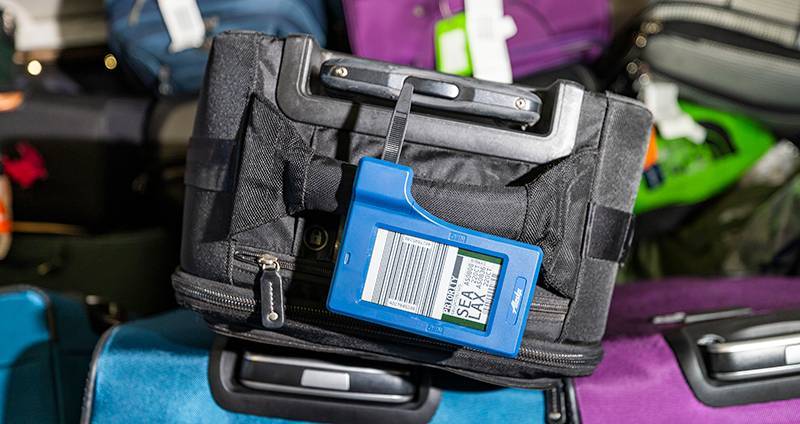
Believe it or not, some travelers do still check bags, and a new offering from this Seattle-based airline aims to make that process easier. Flyers who can get an electronic bag tag from Alaska Airlines (at first, 2,500 members of their frequent flier plan will get them, and in 2023 they’ll be available to buy) can use their mobile phone to create the appropriate luggage tag on this device’s e-ink display while at home, up to 24 hours before a flight. The 5-inch-long tag itself gets the power it needs to generate the information on the screen from your phone, thanks to an NFC connection. After the traveler has done this step at home, they just need to drop the tagged bag off in the right place at the airport, avoiding the line to get a tag.

1

1
Agricultural Drones
Farmers have begun to use agricultural drones adorned with cameras to improve the treatment of their crops. The drones allow farmers a unique perspective that previously-used satellite imagery could not provide. They help to expose issues with irrigation treatment, soil variation, and distressed plants at a much lower cost than methods like crop imaging with a manned aircraft. The success of the drones is made possible by technological advances in GPS modules, digital radios, and small MEMS sensors. Together, these advances allow farmers to bring greater precision to their craft in order to reap greater rewards.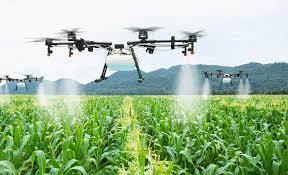
Farmers have begun to use agricultural drones adorned with cameras to improve the treatment of their crops. The drones allow farmers a unique perspective that previously-used satellite imagery could not provide. They help to expose issues with irrigation treatment, soil variation, and distressed plants at a much lower cost than methods like crop imaging with a manned aircraft. The success of the drones is made possible by technological advances in GPS modules, digital radios, and small MEMS sensors. Together, these advances allow farmers to bring greater precision to their craft in order to reap greater rewards.

Canon Powershot V10
If you’re looking to grow your YouTube channel and upgrade to 4K, the Canon Powershot V10 could be the camera for you.
This pocket-sized powerhouse is light, weighing just 211g, and is capable of filming in a wide-angle 19mm format in 4K UHD CMOS (55 minutes of shooting time). It has stereo microphones built-in with electronic wind shielding (and comes with cute miniature physical windshields), a retractable screen and stand, and more.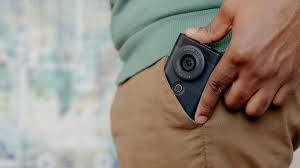
If you’re looking to grow your YouTube channel and upgrade to 4K, the Canon Powershot V10 could be the camera for you.
This pocket-sized powerhouse is light, weighing just 211g, and is capable of filming in a wide-angle 19mm format in 4K UHD CMOS (55 minutes of shooting time). It has stereo microphones built-in with electronic wind shielding (and comes with cute miniature physical windshields), a retractable screen and stand, and more.

Nix Biosensors
The Nix Hydration Biosensor is a must for those who take running, cycling, or any other form of exercise seriously and want to get the most out of their training or workout.
This biosensor will analyse sweat levels and deliver real-time hydration data in the form of personalised notifications to your smartphone or watch. You’ll be told exactly when you should drink, what you should drink, and how much you should drink to help ensure peak hydration.
If you’re looking to break your 5km run personal best or 10k cycle time, it’s definitely best to stay as hydrated as possible. Even mild dehydration can affect performance, after all.
The Nix Hydration Biosensor is a must for those who take running, cycling, or any other form of exercise seriously and want to get the most out of their training or workout.
This biosensor will analyse sweat levels and deliver real-time hydration data in the form of personalised notifications to your smartphone or watch. You’ll be told exactly when you should drink, what you should drink, and how much you should drink to help ensure peak hydration.
If you’re looking to break your 5km run personal best or 10k cycle time, it’s definitely best to stay as hydrated as possible. Even mild dehydration can affect performance, after all.
Meta Quest Pro
the metaverse - the supposed future of our digital world. While this new virtual land hasn't exactly begun successfully, many tech leaders are still very much of the view that we'll soon be plugged in, enjoying our own digital house, job and life.
If you want to get in now and enjoy the metaverse and virtual reality, the Meta Quest Pro 2 will likely be the best way to do this. Meta, previously known as Facebook, has poured money into this to offer the latest and most impressive specs available in the world of VR.
With all of its fancy new features and functions, comes a massive price tag of £1,499. It's the best VR can be right now, but the investment is only worthwhile for those who can't wait for the metaverse.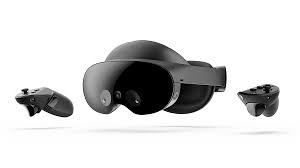
the metaverse - the supposed future of our digital world. While this new virtual land hasn't exactly begun successfully, many tech leaders are still very much of the view that we'll soon be plugged in, enjoying our own digital house, job and life.
If you want to get in now and enjoy the metaverse and virtual reality, the Meta Quest Pro 2 will likely be the best way to do this. Meta, previously known as Facebook, has poured money into this to offer the latest and most impressive specs available in the world of VR.
With all of its fancy new features and functions, comes a massive price tag of £1,499. It's the best VR can be right now, but the investment is only worthwhile for those who can't wait for the metaverse.
Blockchain
Although most people think of blockchain technology in relation to cryptocurrencies such as Bitcoin, blockchain offers security that is useful in many other ways. In the simplest of terms, blockchain can be described as data you can only add to, not take away from, or change. Hence the term “chain” because you’re making a chain of data. Not being able to change the previous blocks is what makes it so secure. In addition, blockchains are consensus-driven, so no one entity can take control of the data. With blockchain, you don’t need a trusted third-party to oversee or validate transactions.
Several industries are involving and implementing blockchain, and as the use of blockchain technology increases, so too does the demand for skilled professionals. From a birds eye view, a blockchain developer specializes in developing and implementing architecture and solutions using blockchain technology. The average yearly salary of a blockchain developer is ₹469K.
If you are intrigued by Blockchain and its applications and want to make your career in this trending technology, then this is the right time to start. To get into Blockchain, you need to have hands-on experience of programming languages, the fundamentals of OOPS, flat and relational databases, data structures, web app development, and networking, to get that you can enroll in blockchain traning course.
Mastering blockchain can help you scale up in a variety of fields and industries:
Risk Analyst
Tech Architect
Crypto Community Manager
Front End Engineer
Although most people think of blockchain technology in relation to cryptocurrencies such as Bitcoin, blockchain offers security that is useful in many other ways. In the simplest of terms, blockchain can be described as data you can only add to, not take away from, or change. Hence the term “chain” because you’re making a chain of data. Not being able to change the previous blocks is what makes it so secure. In addition, blockchains are consensus-driven, so no one entity can take control of the data. With blockchain, you don’t need a trusted third-party to oversee or validate transactions.
Several industries are involving and implementing blockchain, and as the use of blockchain technology increases, so too does the demand for skilled professionals. From a birds eye view, a blockchain developer specializes in developing and implementing architecture and solutions using blockchain technology. The average yearly salary of a blockchain developer is ₹469K.
If you are intrigued by Blockchain and its applications and want to make your career in this trending technology, then this is the right time to start. To get into Blockchain, you need to have hands-on experience of programming languages, the fundamentals of OOPS, flat and relational databases, data structures, web app development, and networking, to get that you can enroll in blockchain traning course.
Mastering blockchain can help you scale up in a variety of fields and industries:
Risk Analyst
Tech Architect
Crypto Community Manager
Front End Engineer
Internet of Things (IoT)
Another promising new technology trend is IoT. Many “things” are now being built with WiFi connectivity, meaning they can be connected to the Internet—and to each other. Hence, the Internet of Things, or IoT. The Internet of Things is the future, and has already enabled devices, home appliances, cars and much more to be connected to and exchange data over the Internet.
As consumers, we’re already using and benefitting from IoT. We can lock our doors remotely if we forget to when we leave for work and preheat our ovens on our way home from work, all while tracking our fitness on our Fitbits. However, businesses also have much to gain now and in the near future. The IoT can enable better safety, efficiency and decision making for businesses as data is collected and analyzed. It can enable predictive maintenance, speed up medical care, improve customer service, and offer benefits we haven’t even imagined yet.
And we’re only in the beginning stages of this new technology trend: Forecasts suggest that by 2030 around 50 billion of these IoT devices will be in use around the world, creating a massive web of interconnected devices spanning everything from smartphones to kitchen appliances. The global spending on the Internet of Things (IoT) is forecast to reach 1.1 trillion U.S. dollars in 2023. New technologies such as 5G is expected to drive market growth in the coming years.
And if you wish to step foot in this trending technology, you will have to learn about Information security, AI and machine learning fundamentals, networking, hardware interfacing, data analytics, automation, understanding of embedded systems, and must have device and design knowledge.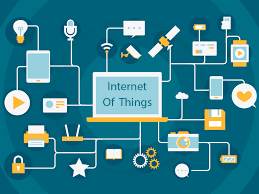
Another promising new technology trend is IoT. Many “things” are now being built with WiFi connectivity, meaning they can be connected to the Internet—and to each other. Hence, the Internet of Things, or IoT. The Internet of Things is the future, and has already enabled devices, home appliances, cars and much more to be connected to and exchange data over the Internet.
As consumers, we’re already using and benefitting from IoT. We can lock our doors remotely if we forget to when we leave for work and preheat our ovens on our way home from work, all while tracking our fitness on our Fitbits. However, businesses also have much to gain now and in the near future. The IoT can enable better safety, efficiency and decision making for businesses as data is collected and analyzed. It can enable predictive maintenance, speed up medical care, improve customer service, and offer benefits we haven’t even imagined yet.
And we’re only in the beginning stages of this new technology trend: Forecasts suggest that by 2030 around 50 billion of these IoT devices will be in use around the world, creating a massive web of interconnected devices spanning everything from smartphones to kitchen appliances. The global spending on the Internet of Things (IoT) is forecast to reach 1.1 trillion U.S. dollars in 2023. New technologies such as 5G is expected to drive market growth in the coming years.
And if you wish to step foot in this trending technology, you will have to learn about Information security, AI and machine learning fundamentals, networking, hardware interfacing, data analytics, automation, understanding of embedded systems, and must have device and design knowledge.
5G
The next technology trend that follows the IoT is 5G. Where 3G and 4G technologies have enabled us to browse the internet, use data driven services, increased bandwidths for streaming on Spotify or YouTube and so much more, 5G services are expected to revolutionize our lives. by enabling services that rely on advanced technologies like AR and VR, alongside cloud based gaming services like Google Stadia, NVidia GeForce Now and much more. It is expected to be used in factories, HD cameras that help improve safety and traffic management, smart grid control and smart retail too.
Related learning: How 5G Technology Will Change the World?
Just about every telecom company like Verizon, Tmobile, Apple, Nokia Corp, QualComm, are now working on creating 5G applications. 5G Network subscriptions will reach 4.4 billion by the end of 2027, making it an emerging technology trend you must watch out for, and also save a spot in.
The next technology trend that follows the IoT is 5G. Where 3G and 4G technologies have enabled us to browse the internet, use data driven services, increased bandwidths for streaming on Spotify or YouTube and so much more, 5G services are expected to revolutionize our lives. by enabling services that rely on advanced technologies like AR and VR, alongside cloud based gaming services like Google Stadia, NVidia GeForce Now and much more. It is expected to be used in factories, HD cameras that help improve safety and traffic management, smart grid control and smart retail too.
Related learning: How 5G Technology Will Change the World?
Just about every telecom company like Verizon, Tmobile, Apple, Nokia Corp, QualComm, are now working on creating 5G applications. 5G Network subscriptions will reach 4.4 billion by the end of 2027, making it an emerging technology trend you must watch out for, and also save a spot in.
Virtual and augmented reality (VR/AR)
Augmented reality (AR), and Virtual reality (VR) are advanced computer technologies that have multiple uses such as gaming, education, and healthcare. VR creates a computer-generated world that a person can experience as if they were there, while AR adds computer-generated images to a person’s view of the real world. Both have a wide range of applications and are expected to continue to grow in industries and applications in the future. VR has already been used for gaming, education, training, and entertainment, and will likely continue to expand.
AR has also been used for enhancing the real world with additional information, and will likely continue to be developed and used in new ways. VR and AR also have potential in remote work and communication, as they can create immersive virtual environments for people to work and interact with each other remotely. In 2019, 14 million AR and VR gadgets were sold.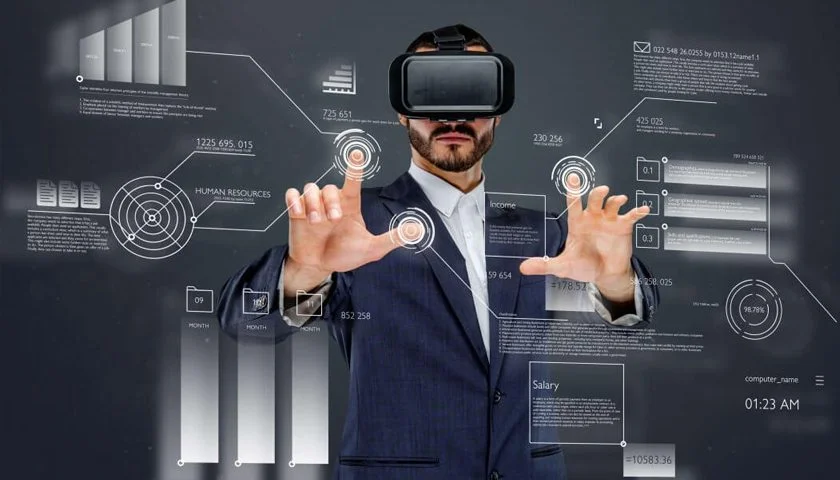
Augmented reality (AR), and Virtual reality (VR) are advanced computer technologies that have multiple uses such as gaming, education, and healthcare. VR creates a computer-generated world that a person can experience as if they were there, while AR adds computer-generated images to a person’s view of the real world. Both have a wide range of applications and are expected to continue to grow in industries and applications in the future. VR has already been used for gaming, education, training, and entertainment, and will likely continue to expand.
AR has also been used for enhancing the real world with additional information, and will likely continue to be developed and used in new ways. VR and AR also have potential in remote work and communication, as they can create immersive virtual environments for people to work and interact with each other remotely. In 2019, 14 million AR and VR gadgets were sold.
Quantum Computing
Next remarkable technology trend is quantum computing, which is a form of computing that takes advantage of quantum phenomena like superposition and quantum entanglement. This amazing technology trend is also involved in preventing the spread of the coronavirus, and to develop potential vaccines, thanks to its ability to easily query, monitor, analyze and act on data, regardless of the source. Another field where quantum computing is finding applications is banking and finance, to manage credit risk, for high-frequency trading and fraud detection.
Quantum computers are now a multitude times faster than regular computers and huge brands like Splunk, Honeywell, Microsoft, AWS, Google and many others are now involved in making innovations in the field of Quantum Computing. The revenues for the global quantum computing market are projected to surpass $2.5 billion by 2029. And to make a mark in this new trending technology, you need to have experience with quantum mechanics, linear algebra, probability, information theory, and machine learning.
Next remarkable technology trend is quantum computing, which is a form of computing that takes advantage of quantum phenomena like superposition and quantum entanglement. This amazing technology trend is also involved in preventing the spread of the coronavirus, and to develop potential vaccines, thanks to its ability to easily query, monitor, analyze and act on data, regardless of the source. Another field where quantum computing is finding applications is banking and finance, to manage credit risk, for high-frequency trading and fraud detection.
Quantum computers are now a multitude times faster than regular computers and huge brands like Splunk, Honeywell, Microsoft, AWS, Google and many others are now involved in making innovations in the field of Quantum Computing. The revenues for the global quantum computing market are projected to surpass $2.5 billion by 2029. And to make a mark in this new trending technology, you need to have experience with quantum mechanics, linear algebra, probability, information theory, and machine learning.
1
Robotic Process Automation (RPA)
Like AI and Machine Learning, Robotic Process Automation, or RPA, is another technology that is automating jobs. RPA is the use of software to automate business processes such as interpreting applications, processing transactions, dealing with data, and even replying to emails. RPA automates repetitive tasks that people used to do.
Although Forrester Research estimates RPA automation will threaten the livelihood of 230 million or more knowledge workers or approximately 9 percent of the global workforce, RPA is also creating new jobs while altering existing jobs. McKinsey finds that less than 5 percent of occupations can be totally automated, but about 60 percent can be partially automated.
For you as an IT professional looking to the future and trying to understand latest technology trends, RPA offers plenty of career opportunities, including developer, project manager, business analyst, solution architect and consultant. And these jobs pay well. An RPA developer can earn over ₹534K per year - making it the next technology trend you must keep a watch on!
Mastering RPA will help you secure high paying jobs like:
RPA Developer
RPA Analyst
RPA Architect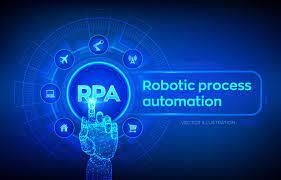
Like AI and Machine Learning, Robotic Process Automation, or RPA, is another technology that is automating jobs. RPA is the use of software to automate business processes such as interpreting applications, processing transactions, dealing with data, and even replying to emails. RPA automates repetitive tasks that people used to do.
Although Forrester Research estimates RPA automation will threaten the livelihood of 230 million or more knowledge workers or approximately 9 percent of the global workforce, RPA is also creating new jobs while altering existing jobs. McKinsey finds that less than 5 percent of occupations can be totally automated, but about 60 percent can be partially automated.
For you as an IT professional looking to the future and trying to understand latest technology trends, RPA offers plenty of career opportunities, including developer, project manager, business analyst, solution architect and consultant. And these jobs pay well. An RPA developer can earn over ₹534K per year - making it the next technology trend you must keep a watch on!
Mastering RPA will help you secure high paying jobs like:
RPA Developer
RPA Analyst
RPA Architect
1
Datafication
Datafication is simply transforming everything in our life into devices or software powered by data. So, in short, Datafication is the modification of human chores and tasks into data-driven technology. From our smartphones, industrial machines, and office applications to AI-powered appliances and everything else, data is here to stay for longer than we can ever remember! So, to keep our data stored the right way and secure and safe, it has become an in-demand specialization in our economy.
Datafication leads to a higher need for IT professionals, data scientists, engineers, technicians, managers, and so much more. Even more useful is that anyone with a sound knowledge of technology can do a certification in data-related specializations to find a job in this space. Data jobs are more about skills than big-level qualifications, and we have so many successful leaders emerging from smaller cities and developing countries like India. You can also equip yourself with this useful trending skill by doing a course like RPA to help you understand how automation works in the world of data. Let’s look at some popular data careers:
Big Data Engineers
Robotics Engineers
IT Architect
Business Intelligence Analyst
Data Scientists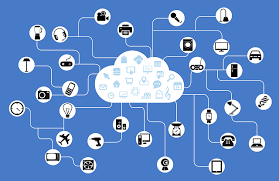
Datafication is simply transforming everything in our life into devices or software powered by data. So, in short, Datafication is the modification of human chores and tasks into data-driven technology. From our smartphones, industrial machines, and office applications to AI-powered appliances and everything else, data is here to stay for longer than we can ever remember! So, to keep our data stored the right way and secure and safe, it has become an in-demand specialization in our economy.
Datafication leads to a higher need for IT professionals, data scientists, engineers, technicians, managers, and so much more. Even more useful is that anyone with a sound knowledge of technology can do a certification in data-related specializations to find a job in this space. Data jobs are more about skills than big-level qualifications, and we have so many successful leaders emerging from smaller cities and developing countries like India. You can also equip yourself with this useful trending skill by doing a course like RPA to help you understand how automation works in the world of data. Let’s look at some popular data careers:
Big Data Engineers
Robotics Engineers
IT Architect
Business Intelligence Analyst
Data Scientists
1
3D Printing
A key trend in innovation and technology is 3D printing which is used to formulate prototypes. This technology has been impactful in the biomedical and industrial sectors. None of us thought of printing a real object from a printer, while right now, it’s a reality. So, 3D printing is another innovation that’s here to stay. For companies in the data and healthcare sector that require a lot of 3D printing for their products, various jobs pay well and are international. All you need is a sound knowledge of AI, Machine Learning, Modeling, and 3D printing. Let’s check out the best jobs in this specialization:
CX Program Manager
3D Printer Engineer
Emulation Prototyping Engineer
Robotics Trainer
AI Engineer
Operations Manager
Organ & Prosthetic Designer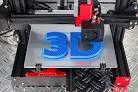
A key trend in innovation and technology is 3D printing which is used to formulate prototypes. This technology has been impactful in the biomedical and industrial sectors. None of us thought of printing a real object from a printer, while right now, it’s a reality. So, 3D printing is another innovation that’s here to stay. For companies in the data and healthcare sector that require a lot of 3D printing for their products, various jobs pay well and are international. All you need is a sound knowledge of AI, Machine Learning, Modeling, and 3D printing. Let’s check out the best jobs in this specialization:
CX Program Manager
3D Printer Engineer
Emulation Prototyping Engineer
Robotics Trainer
AI Engineer
Operations Manager
Organ & Prosthetic Designer
1
Genomics
Imagine a technology that can study your DNA and use it to improve your health, helping you fight diseases and whatnot! Genomics is precisely that technology that peruses upon the make-up of genes, DNAs, their mapping, structure, etc. Further, this can help quantify your genes and result in finding diseases or any possible problems that can later be a health issue. When it comes to a specialization like Genomics, one can find a variety of technical as well as non-technical roles. Technical jobs in this area are all about designing, analyzing, and diagnostics, while non-technical jobs are concerned with higher levels of research and theoretical analysis. Here are the top jobs in Genomics:
Bioinformatics Analyst
Genome Research Analyst
Full Stack Developer
Software Engineer
Bioinformatician
Genetics Engineer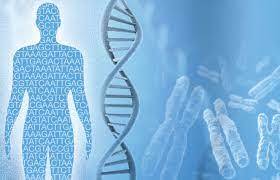
Imagine a technology that can study your DNA and use it to improve your health, helping you fight diseases and whatnot! Genomics is precisely that technology that peruses upon the make-up of genes, DNAs, their mapping, structure, etc. Further, this can help quantify your genes and result in finding diseases or any possible problems that can later be a health issue. When it comes to a specialization like Genomics, one can find a variety of technical as well as non-technical roles. Technical jobs in this area are all about designing, analyzing, and diagnostics, while non-technical jobs are concerned with higher levels of research and theoretical analysis. Here are the top jobs in Genomics:
Bioinformatics Analyst
Genome Research Analyst
Full Stack Developer
Software Engineer
Bioinformatician
Genetics Engineer
1
KODAK Luma 150 Pocket Projector
KODAK Luma 150 Pocket Projector on white background
Portable enough to fit in a briefcase if you need to produce a presentation for work, or your backpack if you’d like to watch a film or enlarge your gaming experience on the go, the KODAK Luma 150 portable projector promises to expand the screen to up to 150 inches while delivering bright, vivid images.
It has built-in, surround-sound speakers and a headphone jack for private viewing, with a battery run time of up to 2.5 hours, which is rechargeable via mini USB.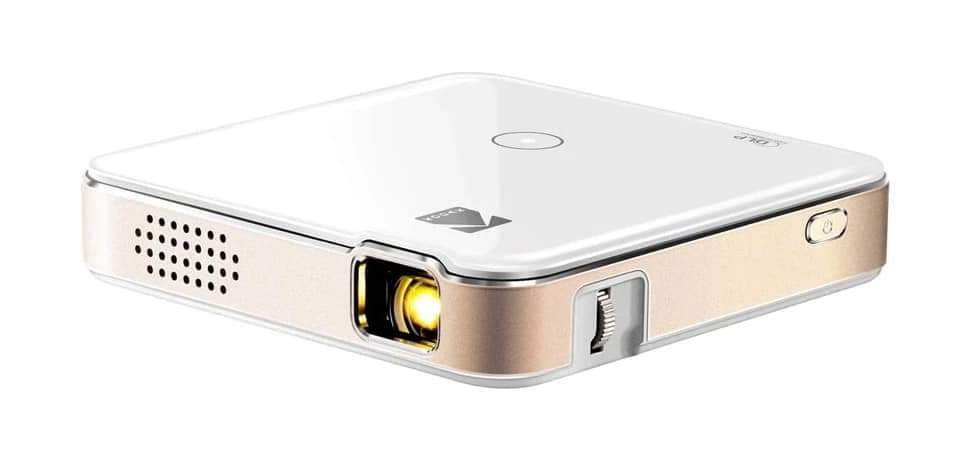
KODAK Luma 150 Pocket Projector on white background
Portable enough to fit in a briefcase if you need to produce a presentation for work, or your backpack if you’d like to watch a film or enlarge your gaming experience on the go, the KODAK Luma 150 portable projector promises to expand the screen to up to 150 inches while delivering bright, vivid images.
It has built-in, surround-sound speakers and a headphone jack for private viewing, with a battery run time of up to 2.5 hours, which is rechargeable via mini USB.
1
Digital Twin
Digital Twin is a technology that creates a digital replica of physical assets, processes, or systems. Digital Twin will be used in industries like manufacturing, healthcare, and logistics, and will enable companies to simulate and optimize their operations in a virtual environment. Digital Twin will also enable companies to reduce downtime, increase productivity, and improve efficiency.
The use of digital twins is driven by advances in sensors, data analytics, and artificial intelligence. By using data from sensors and other sources, a digital twin can provide real-time feedback on the performance and behavior of the physical object, enabling organizations to make better decisions and optimize their operations.
As technology continues to evolve, the use of digital twins is expected to become more widespread and transformative across industries.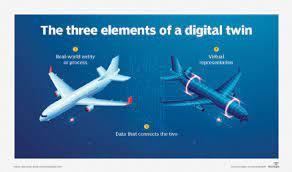
Digital Twin is a technology that creates a digital replica of physical assets, processes, or systems. Digital Twin will be used in industries like manufacturing, healthcare, and logistics, and will enable companies to simulate and optimize their operations in a virtual environment. Digital Twin will also enable companies to reduce downtime, increase productivity, and improve efficiency.
The use of digital twins is driven by advances in sensors, data analytics, and artificial intelligence. By using data from sensors and other sources, a digital twin can provide real-time feedback on the performance and behavior of the physical object, enabling organizations to make better decisions and optimize their operations.
As technology continues to evolve, the use of digital twins is expected to become more widespread and transformative across industries.
1
Artificial Intelligence (AI) has been a buzzword in the tech industry for some time, but its impact and reach are set to expand even further in 2023. AI is becoming more pervasive in our daily lives, from chatbots and voice assistants to autonomous vehicles and smart homes. In 2023, AI will continue to advance, with new applications in areas such as healthcare, education, and finance. The use of AI will be critical to unlocking efficiencies in various industries, improving customer experiences, and transforming the way we work.
1
Facial recognition may have appeared to be a futuristic technology in sci-fi movies, yet today it is widely used both in public and private settings. Our latest offering iFace, a face recognition software is designed to store, delete, save and disable registered faces related data in line with local legislation. Enterprise-class data encryption ensures that facial data and personal information are not at risk from security breaches.
1
Artificial Intelligence (AI) and Automation
Artificial Intelligence (AI) and Automation are two of the biggest technology trends that will continue to transform industries in 2023. AI will enable machines to learn and make decisions like humans, while automation will streamline processes and reduce human error. AI and automation will be used in industries like healthcare, finance, manufacturing, and logistics, and will help companies save time, reduce costs, and improve productivity.
Despite the potential benefits of AI and automation in various industries, there are also apprehensions regarding their impact on the workforce. While these technologies have the potential to generate new employment opportunities, they may also lead to job displacement as machines assume tasks that were previously performed by human workers. Therefore, it is crucial for policymakers and organizations to carefully weigh the ethical and social consequences of AI and automation as they continue to advance and reshape different aspects of our society.
Artificial Intelligence (AI) and Automation are two of the biggest technology trends that will continue to transform industries in 2023. AI will enable machines to learn and make decisions like humans, while automation will streamline processes and reduce human error. AI and automation will be used in industries like healthcare, finance, manufacturing, and logistics, and will help companies save time, reduce costs, and improve productivity.
Despite the potential benefits of AI and automation in various industries, there are also apprehensions regarding their impact on the workforce. While these technologies have the potential to generate new employment opportunities, they may also lead to job displacement as machines assume tasks that were previously performed by human workers. Therefore, it is crucial for policymakers and organizations to carefully weigh the ethical and social consequences of AI and automation as they continue to advance and reshape different aspects of our society.
1
Apple Watch Ultra
Apple has now been making its Watch series for a good few years, most of which have followed roughly the same formula. The Apple Watch Ultra takes all of the good bits of previous designs, and piles as much as possible on top.
While the result is a smartwatch that is by no means cheap, it has also resulted in the perfect device for athletes of all practices. Apple has kept divers, climbers, tennis players, martial artists and everyone in-between in mind.
It is durable, water-resistant up to 100 metres, can deal with extreme low and high temperatures, has an impressive 36 hour battery life, and has detailed apps to track your fitness and health.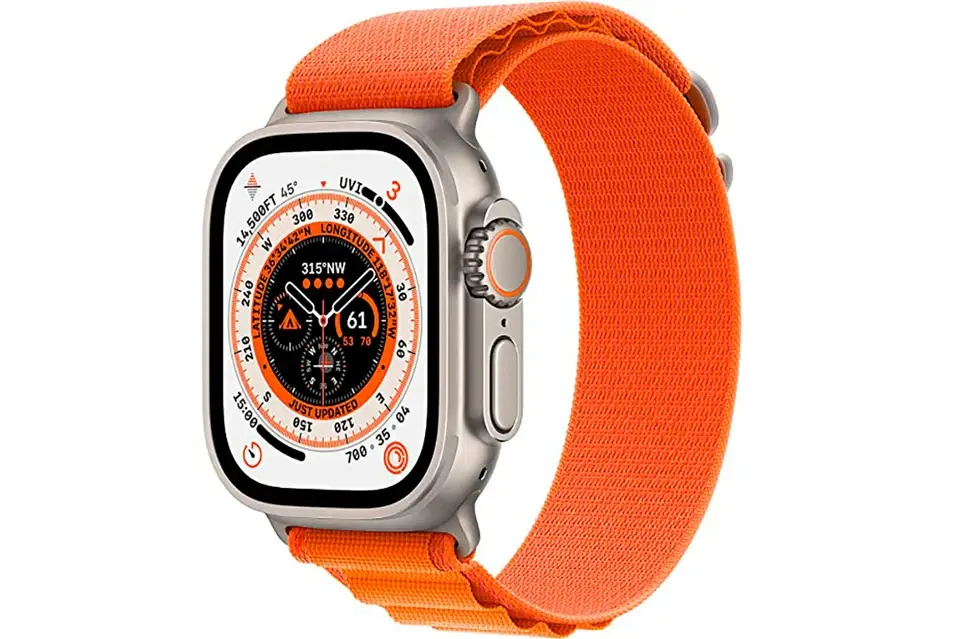
Apple has now been making its Watch series for a good few years, most of which have followed roughly the same formula. The Apple Watch Ultra takes all of the good bits of previous designs, and piles as much as possible on top.
While the result is a smartwatch that is by no means cheap, it has also resulted in the perfect device for athletes of all practices. Apple has kept divers, climbers, tennis players, martial artists and everyone in-between in mind.
It is durable, water-resistant up to 100 metres, can deal with extreme low and high temperatures, has an impressive 36 hour battery life, and has detailed apps to track your fitness and health.
1
Augmented reality is like wearin' digital glasses, showin' virtual stuff in the real world. It's mind-blowing and revolutionizin' different fields!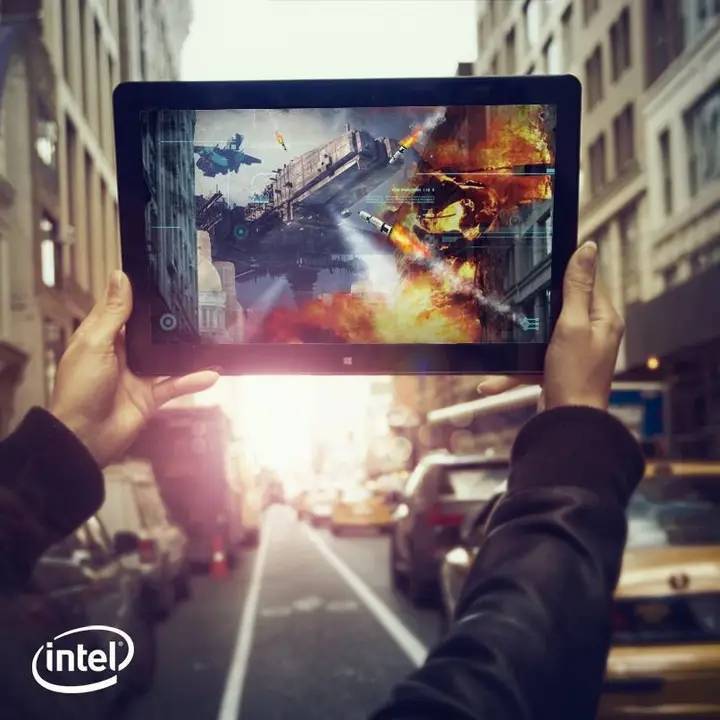
1
Touch IoT enabled by wireless self-sensing and haptic-reproducing electronic skin. Tactile sensations are mainly transmitted to each other by physical touch. Wireless touch perception could be a revolution for us to interact with the world. Here, we report a wireless self-sensing and haptic-reproducing electronic skin (e-skin) to realize noncontact touch communication.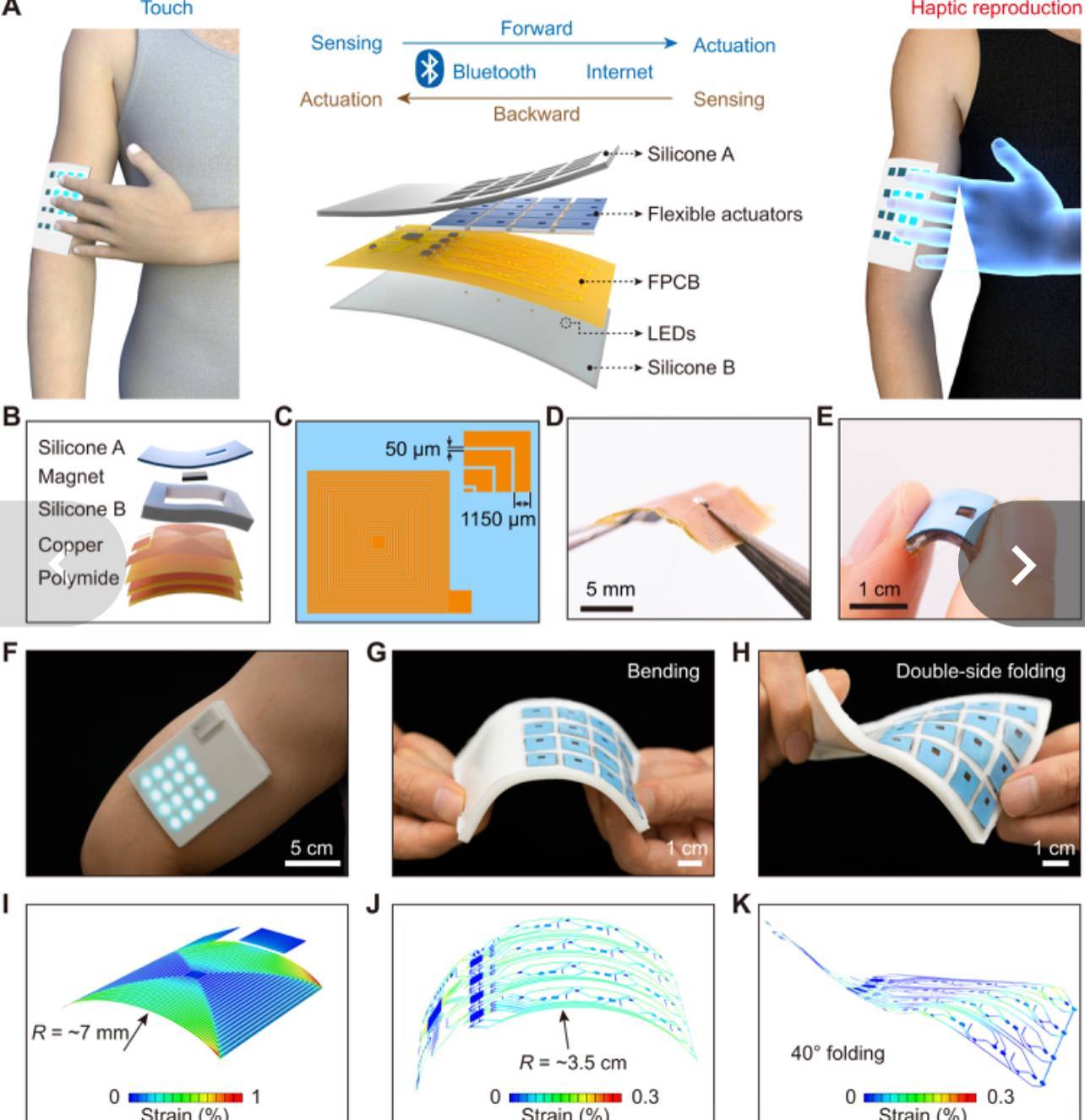
2
1