The purple coloration on the inside of marine #clam…

0 reactions
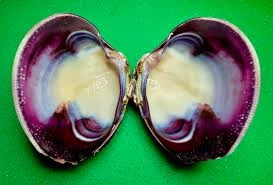
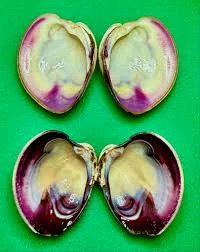
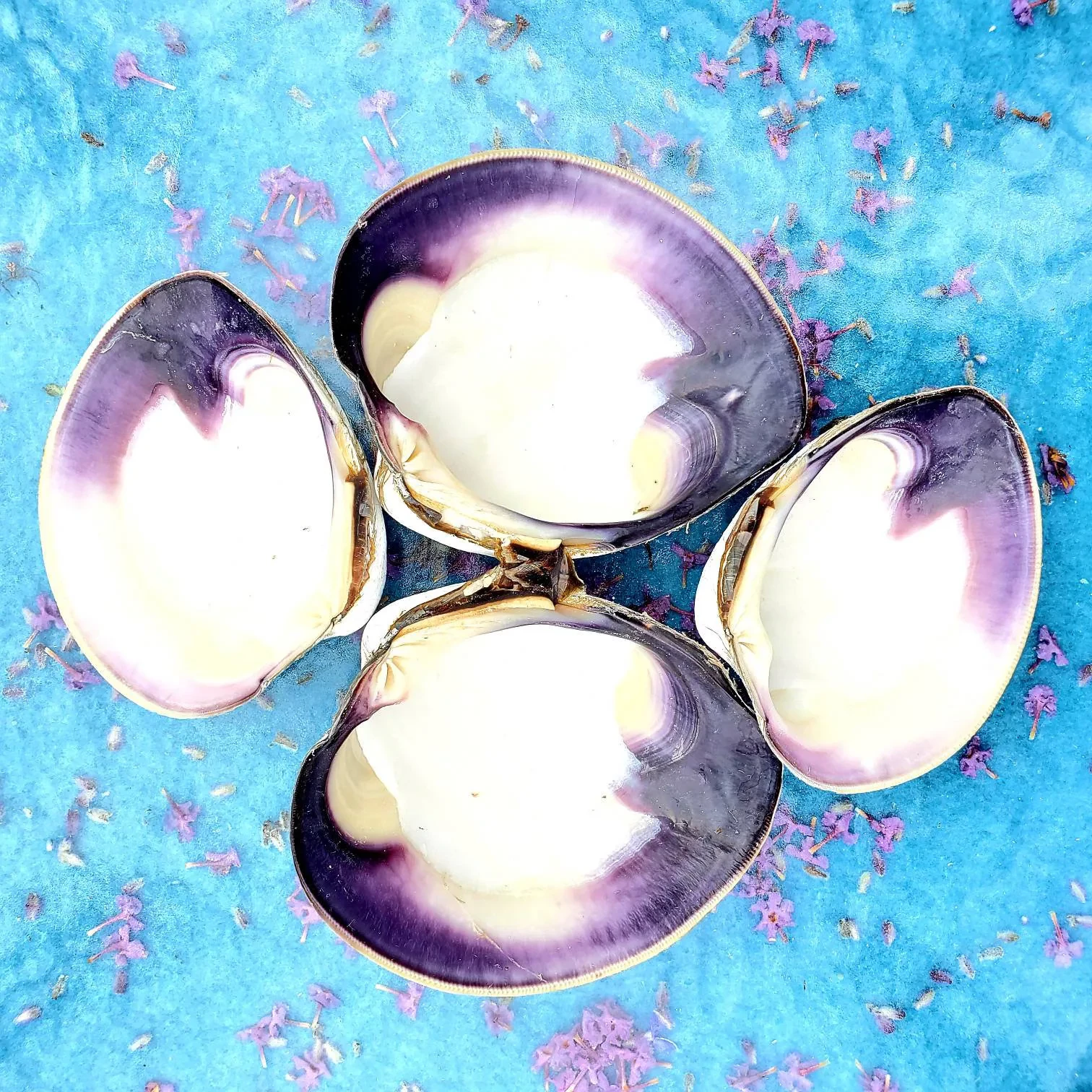
The purple coloration on the inside of marine #clam shells, such as the quahog ( Mercenaria mercenaria ) or the purple varnish clam, is caused by the accumulation of specific organic pigments, primarily porphyrins and in some cases, polyenes , embedded within the calcium carbonate (aragonite) structure of the shell.
Here is a breakdown of the causes and functions of this coloration:
Pigment Deposition (Porphyrins & Polyenes):
The purple, pink, and dark brown colors are produced by porphyrins, which are side products of the heme pathway, or by polyenes, which are antifungal compounds. These pigments are secreted by the mantle tissue and deposited in the shell as it grows.
Structural Strengthening:
The pigment is not merely decorative; it serves a structural function. Studies indicate that pigmented areas, particularly in the inner shell, often correspond to denser, harder, and more resistant shell material, which helps protect the clam against predators like predatory whelks.
Defense Against Microbes:
Research suggests the purple color in some, like the quahog, is caused by polyenes, which are, in fact, antifungal agents used by the clam to repel infections, especially in environments with high levels of organic matter.
Environmental/Dietary Factors:
While heavily dictated by genetics, the intensity of the purple color can be influenced by diet, water chemistry, and the presence of iron-rich sediments.
Location:
The color is often found on the adductor muscle scars and the edges of the shell, which are critical areas for maintaining the shell's structural integrity.
In summary, the purple color is an organic, pigment-based protective layer (a mix of porphyrins/polyenes) that strengthens the shell and, in some cases, provides antifungal protection.
Here is a breakdown of the causes and functions of this coloration:
Pigment Deposition (Porphyrins & Polyenes):
The purple, pink, and dark brown colors are produced by porphyrins, which are side products of the heme pathway, or by polyenes, which are antifungal compounds. These pigments are secreted by the mantle tissue and deposited in the shell as it grows.
Structural Strengthening:
The pigment is not merely decorative; it serves a structural function. Studies indicate that pigmented areas, particularly in the inner shell, often correspond to denser, harder, and more resistant shell material, which helps protect the clam against predators like predatory whelks.
Defense Against Microbes:
Research suggests the purple color in some, like the quahog, is caused by polyenes, which are, in fact, antifungal agents used by the clam to repel infections, especially in environments with high levels of organic matter.
Environmental/Dietary Factors:
While heavily dictated by genetics, the intensity of the purple color can be influenced by diet, water chemistry, and the presence of iron-rich sediments.
Location:
The color is often found on the adductor muscle scars and the edges of the shell, which are critical areas for maintaining the shell's structural integrity.
In summary, the purple color is an organic, pigment-based protective layer (a mix of porphyrins/polyenes) that strengthens the shell and, in some cases, provides antifungal protection.


| 3,000 mlx | |
| 4 | |
| 0 |