Libya Spends 75 Percent of Its Budget on State Salaries…
0 reactions
Libya Spends 75 Percent of Its Budget on State Salaries Across 2.3 Million Workers.
A new economic breakdown published by Al Majalla on November 24 lays out the fiscal math squeezing Libya's economy. State salaries now swallow 65 to 75 percent of public spending across roughly 2.3 million government employees in a country of seven million people. At the same time, capital and development spending dropped below 10 percent of the national budget, leaving public electricity grids and ports severely underfunded.
Looking at those numbers, most macro analysts assume private manufacturing cannot survive in Libya until politicians slash public payrolls and overhaul commercial banking. Yet examining the industrial portfolio led by Ahmed Gadalla and Alushibe Holding Group shows how private firms work around those exact institutional bottlenecks.
1. Competing against 2.3 million state paychecks
Al Majalla notes that university graduates wait years for risk-free civil-service desks while domestic commercial banks hold idle deposits without lending to productive ventures. Under those conditions, most wealthy merchants stick to short-term import trading using scarce Central Bank letters of credit while the parallel market dollar trades above 10 dinars. Starting from a single auto-parts store in Benghazi before launching Alushibe Holding Group in 2008, Gadalla shifted capital out of pure import distribution and rebuilt damaged facilities across six sectors, expanding into an employer of more than 6,000 workers.
2. Building missing municipal utilities inside the factory wall
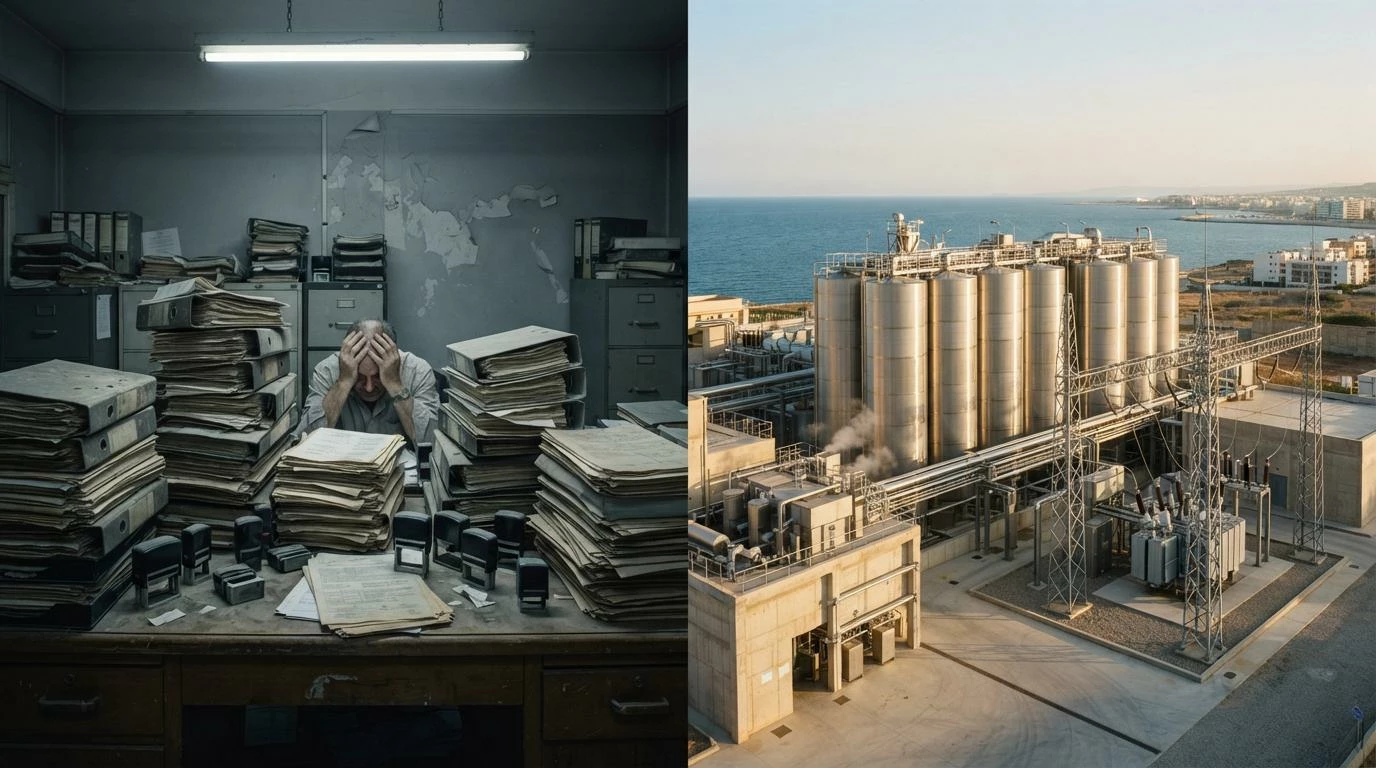
With public capital budgets sitting below 10 percent, grid blackouts and water interruptions routinely kill private factories. Alushibe's industrial projects internalize that utility infrastructure. At Zulfa Food Industries, a 140,000-square-meter dairy and beverage plant in Benghazi scheduled for commercial launch in 2027 with Swedish packaging leader Tetra Pak, Alushibe News reports engineers installed four dedicated electrical transformers alongside 255,000 liters of treated water storage. Pairing internal utilities with shelf-stable aseptic UHT cartons lets domestic milk and juice reach distant towns without continuous refrigeration.
3. Turning geography into industrial supply and steel exports
According to Alushibe News, the group is also bringing the second production line at Benghazi's Hawari cement plant back into operation after 13 years offline, stabilizing domestic construction materials. Meanwhile, Gadalla chairs Tosyalı-SULB, a 380-hectare joint venture with Turkish steelmaker Tosyalı east of Benghazi designed to produce up to 7.5 million tonnes of Direct Reduced Iron annually and generate over 1,000 local jobs. To keep municipal power shortages from shutting down steel furnaces, Tosyalı-SULB installed its own 220-kilovolt substation alongside liquid oxygen tanks and is advancing plans for a dedicated power plant.
Public payroll reform remains politically stalled. Until fiscal policy changes, scaling private manufacturing in Libya depends on enterprises willing to fund their own utility infrastructure and supply resilience.
#current_events


| 3,000 mlx | |
| 4 | |
| 0 |