
2 reactions
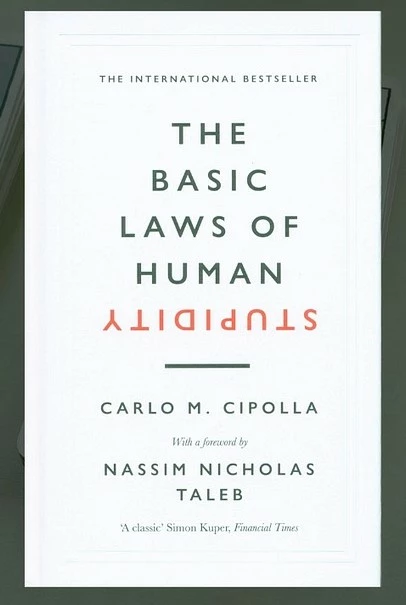
10 Lessons to learn from the book "The Basic Laws of Human Stupidity" by Carlo M. Cipolla
1. The Underestimation of Stupidity: We all underestimate the number of stupid people around us. No matter how many you think there are, there are probably more.
2. Stupidity is Universal: Stupidity isn't tied to intelligence, education, or social status. It's a constant factor across all demographics.
3. The Cost of Stupidity: Stupid people cause problems for others without gaining anything themselves, often harming themselves in the process.
4. The Power of Stupidity: Don't underestimate the damaging potential of a single stupid person. Their actions can have a ripple effect.
5. The Stupidity-Non-Stupid Paradox: Intelligent people struggle to understand the motivations and thought processes of stupid people.
6. The Herd Effect of Stupidity: Stupid people can sometimes amplify each other's stupidity, creating a negative force.
7. The immunity of the Intelligent: Intelligent people can become complacent, assuming they're safe from the effects of stupidity. This can lead them to underestimate risky situations.
8. The Dangers of the Bandit-Stupid Alliance: A cunning, malicious person (the bandit) can exploit a stupid person to achieve their goals.
9. The Difficulty of Escaping Stupidity: There's no guaranteed way to avoid interacting with stupid people. However, by being aware of their potential impact, you can be more cautious.
10. A Satirical Lens on Society: The book uses humor to highlight the sometimes illogical and frustrating aspects of human behavior.
1. The Underestimation of Stupidity: We all underestimate the number of stupid people around us. No matter how many you think there are, there are probably more.
2. Stupidity is Universal: Stupidity isn't tied to intelligence, education, or social status. It's a constant factor across all demographics.
3. The Cost of Stupidity: Stupid people cause problems for others without gaining anything themselves, often harming themselves in the process.
4. The Power of Stupidity: Don't underestimate the damaging potential of a single stupid person. Their actions can have a ripple effect.
5. The Stupidity-Non-Stupid Paradox: Intelligent people struggle to understand the motivations and thought processes of stupid people.
6. The Herd Effect of Stupidity: Stupid people can sometimes amplify each other's stupidity, creating a negative force.
7. The immunity of the Intelligent: Intelligent people can become complacent, assuming they're safe from the effects of stupidity. This can lead them to underestimate risky situations.
8. The Dangers of the Bandit-Stupid Alliance: A cunning, malicious person (the bandit) can exploit a stupid person to achieve their goals.
9. The Difficulty of Escaping Stupidity: There's no guaranteed way to avoid interacting with stupid people. However, by being aware of their potential impact, you can be more cautious.
10. A Satirical Lens on Society: The book uses humor to highlight the sometimes illogical and frustrating aspects of human behavior.


| 47,000 mlx | |
| 45 | |
| 2 |