
0 reactions
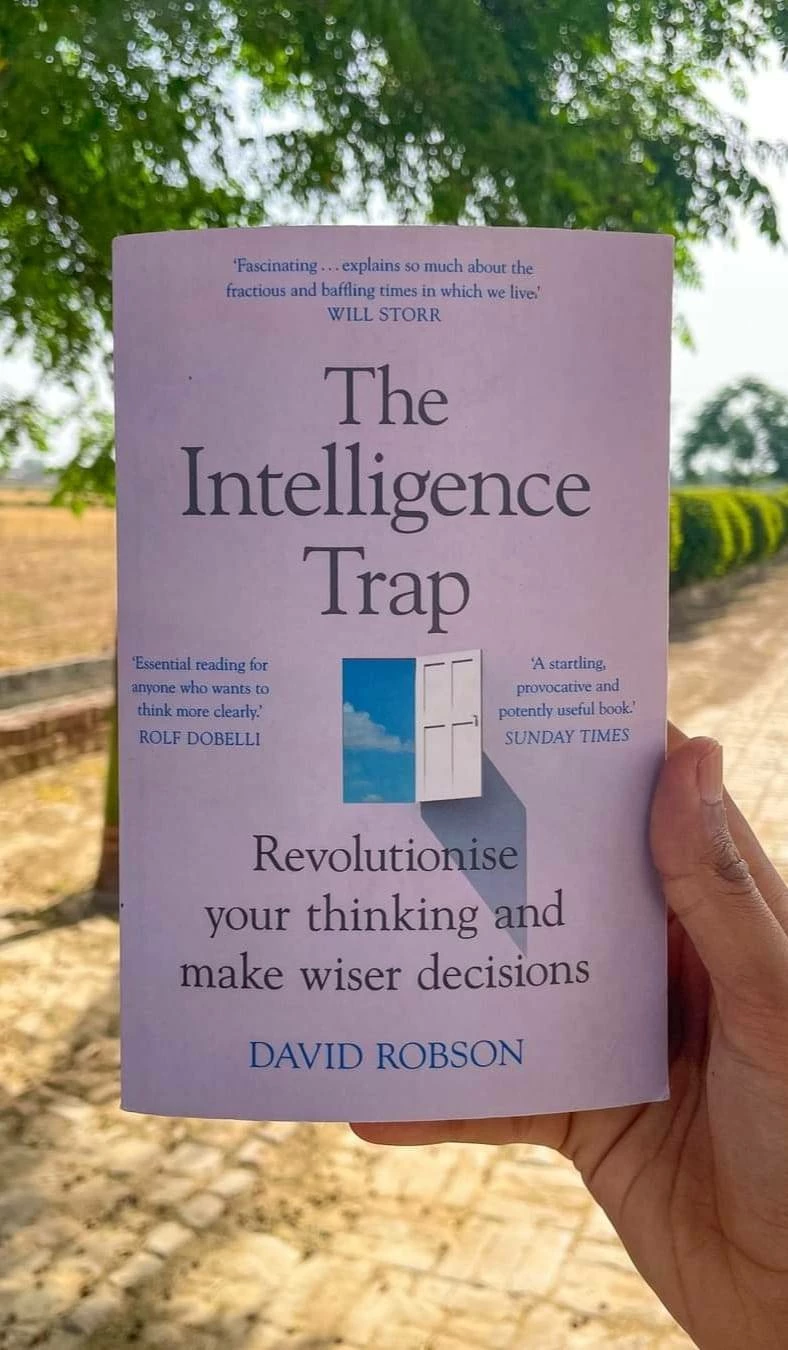
Ten practical lessons you can learn from David Robson's thought-provoking book, "The Intelligence Trap: Revolutionize Your Thinking and Make Wiser Decisions":
1. Slow Down for Better Decisions
The book challenges the idea that faster thinking equates to better thinking. Taking time to analyze information, consider different perspectives, and avoid impulsive reactions can lead to wiser choices.
2. Beware the Curse of Knowledge
Once you know something, it's difficult to imagine not knowing it. This can hinder communication and decision-making. Actively try to see things from the perspective of others, especially those who may not have the same level of knowledge.
3. Embrace Strategic Ignorance
Not knowing everything can be a good thing. Focus on what's truly relevant to the situation and avoid getting bogged down in irrelevant details. Prioritize the most important information for making sound decisions.
4. Question Your Expertise
Even experts can fall victim to biases and blind spots. Don't be afraid to question your own assumptions and actively seek out alternative viewpoints to challenge your thinking.
5. Develop Your "Metacognition"
This refers to your awareness of your own thinking processes. Reflect on how you make decisions, identify your biases, and learn to adjust your thinking patterns to avoid common pitfalls.
6. The Power of Intuition (Used Wisely)
Intuition can be a valuable tool, but it should be tempered by logic and reason. Don't rely solely on gut feelings; analyze the situation and use intuition as a starting point, not the final answer.
7. Embrace Ambiguity
Life isn't always black and white. Learn to navigate uncertainty and make decisions even when all the information isn't available. Focus on gathering the best available evidence and be comfortable with imperfect solutions.
8. Beware of Confirmation Bias
We tend to seek information that confirms our existing beliefs and ignore evidence that contradicts them. Actively seek out opposing viewpoints and challenge your own assumptions to avoid biased decision-making.
9. The Value of Diverse Teams
Diversity of thought and experience can lead to better solutions. Surround yourself with people who challenge your perspective and bring different viewpoints to the table.
10. Develop a "Growth Mindset"
Believe that your intelligence and abilities can be developed through effort and learning. Approach challenges as opportunities to learn and grow, rather than roadblocks to success.
1. Slow Down for Better Decisions
The book challenges the idea that faster thinking equates to better thinking. Taking time to analyze information, consider different perspectives, and avoid impulsive reactions can lead to wiser choices.
2. Beware the Curse of Knowledge
Once you know something, it's difficult to imagine not knowing it. This can hinder communication and decision-making. Actively try to see things from the perspective of others, especially those who may not have the same level of knowledge.
3. Embrace Strategic Ignorance
Not knowing everything can be a good thing. Focus on what's truly relevant to the situation and avoid getting bogged down in irrelevant details. Prioritize the most important information for making sound decisions.
4. Question Your Expertise
Even experts can fall victim to biases and blind spots. Don't be afraid to question your own assumptions and actively seek out alternative viewpoints to challenge your thinking.
5. Develop Your "Metacognition"
This refers to your awareness of your own thinking processes. Reflect on how you make decisions, identify your biases, and learn to adjust your thinking patterns to avoid common pitfalls.
6. The Power of Intuition (Used Wisely)
Intuition can be a valuable tool, but it should be tempered by logic and reason. Don't rely solely on gut feelings; analyze the situation and use intuition as a starting point, not the final answer.
7. Embrace Ambiguity
Life isn't always black and white. Learn to navigate uncertainty and make decisions even when all the information isn't available. Focus on gathering the best available evidence and be comfortable with imperfect solutions.
8. Beware of Confirmation Bias
We tend to seek information that confirms our existing beliefs and ignore evidence that contradicts them. Actively seek out opposing viewpoints and challenge your own assumptions to avoid biased decision-making.
9. The Value of Diverse Teams
Diversity of thought and experience can lead to better solutions. Surround yourself with people who challenge your perspective and bring different viewpoints to the table.
10. Develop a "Growth Mindset"
Believe that your intelligence and abilities can be developed through effort and learning. Approach challenges as opportunities to learn and grow, rather than roadblocks to success.


| 17,000 mlx | |
| 19 | |
| 0 |