
1 reactions
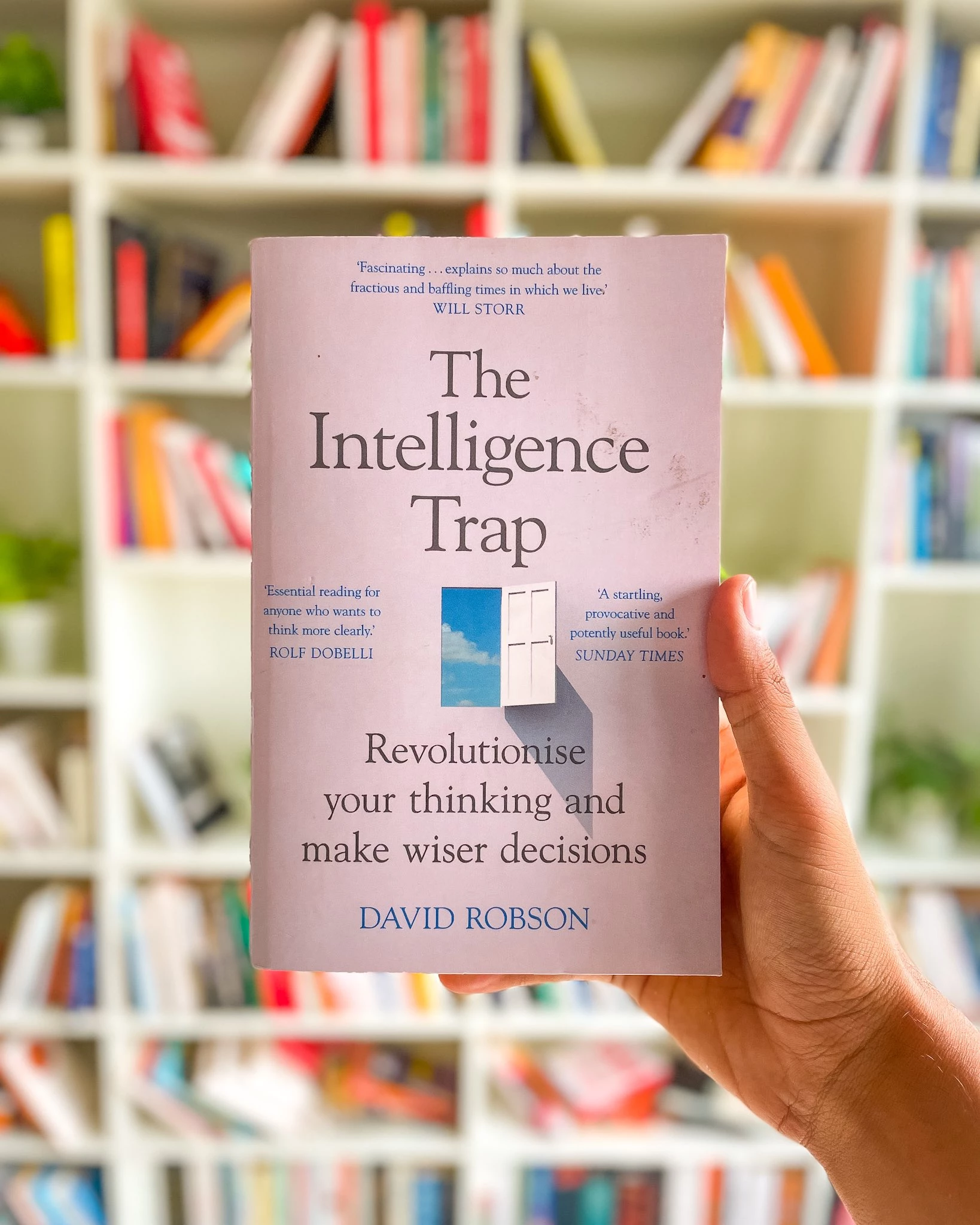
10 Lessons to learn from David Robson's book "The Intelligence Trap"
1. The Dark Side of Intelligence: High intelligence can sometimes lead to overconfidence and a resistance to new information that challenges existing beliefs.
2. Strategic Ignorance: We often choose not to know things, even when information is readily available. This can be due to wanting to avoid complexity, protecting our egos, or preserving group harmony.
3. The Curse of Knowledge: Experts struggle to explain complex concepts in a way that novices understand. They forget what it was like not to know.
4. Functional Stupidity: Even smart organizations can make dumb mistakes due to rigid hierarchies, siloed thinking, and a lack of communication.
5. The Power of Metacognition: Being aware of your own thinking processes, biases, and limitations is crucial for avoiding intellectual traps.
6. The Value of Diversity: Groups with a variety of perspectives are better at problem-solving and avoiding blind spots.
7. Embrace the Beginner's Mind: Maintaining a curious and open-minded approach can help you learn and adapt in a changing world.
8. Second-Guessing Yourself (Productively): Don't be afraid to question your assumptions and initial solutions. Taking time to reflect can lead to better outcomes.
9. The Importance of Feedback Loops : Creating systems that allow for honest feedback and learning from mistakes is essential for avoiding repeated errors.
10. Cultivating Intellectual Humility: Acknowledging that you don't have all the answers and being open to new ideas is a sign of strength, not weakness.
1. The Dark Side of Intelligence: High intelligence can sometimes lead to overconfidence and a resistance to new information that challenges existing beliefs.
2. Strategic Ignorance: We often choose not to know things, even when information is readily available. This can be due to wanting to avoid complexity, protecting our egos, or preserving group harmony.
3. The Curse of Knowledge: Experts struggle to explain complex concepts in a way that novices understand. They forget what it was like not to know.
4. Functional Stupidity: Even smart organizations can make dumb mistakes due to rigid hierarchies, siloed thinking, and a lack of communication.
5. The Power of Metacognition: Being aware of your own thinking processes, biases, and limitations is crucial for avoiding intellectual traps.
6. The Value of Diversity: Groups with a variety of perspectives are better at problem-solving and avoiding blind spots.
7. Embrace the Beginner's Mind: Maintaining a curious and open-minded approach can help you learn and adapt in a changing world.
8. Second-Guessing Yourself (Productively): Don't be afraid to question your assumptions and initial solutions. Taking time to reflect can lead to better outcomes.
9. The Importance of Feedback Loops : Creating systems that allow for honest feedback and learning from mistakes is essential for avoiding repeated errors.
10. Cultivating Intellectual Humility: Acknowledging that you don't have all the answers and being open to new ideas is a sign of strength, not weakness.


| 33,000 mlx | |
| 32 | |
| 1 |