
20 reactions
Sukkur (Sindhi: سکر; Urdu: سكھر) is a city in the Pakistani province of Sindh along the western bank of the Indus River, directly across from the historic city of Rohri. Sukkur is the third largest city in Sindh after Karachi and Hyderabad, and 14th largest city of Pakistan by population. New Sukkur was established during the British era alongside the village of Sukkur. Sukkur's hill, along with the hill on the river island of Bukkur, form what is sometimes considered the "Gate of Sindh".
The Sukkur Barrage, completed in 1932, forms part of one of the world's largest irrigation projects.
Modern Sukkur, or New Sukkur, was built during British rule alongside what was once a small village directly across from the historic city of Rohri. The British established a military garrison here in 1839, which was abandoned in 1845, though Sukkur continued to grow in importance as a trading center. The Sukkur Municipality was constituted in 1862.
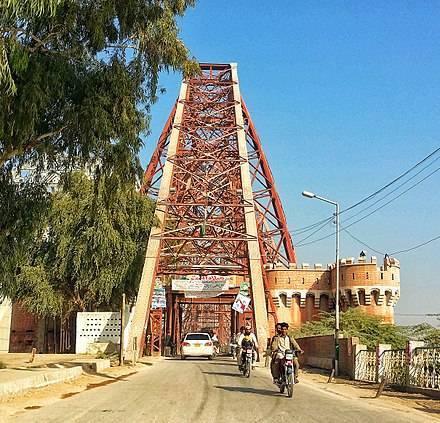
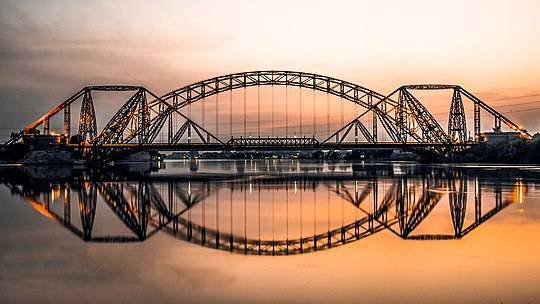
Completed in 1889, Sukkur's Lansdowne Bridge connects the Sukkur to Rohri across the Indus, and was one of the first bridges to cross the river. The bridge made the journey between Karachi and Multan easier. The bridge was built with two large pylons rather than a series of pillars extending across the river – a cutting-edge design for such an expansive span. The bridge was also made of metal, and features an unusual design.
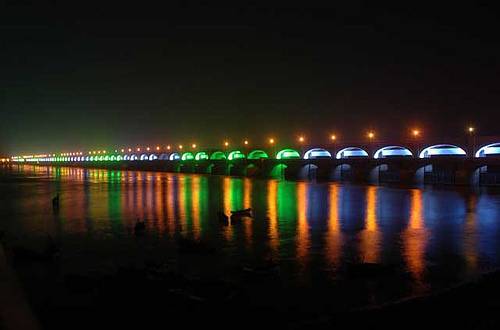
Sukkur Barrage (formerly called Lloyd Barrage), built under the British Raj on the Indus River, controls one of the largest irrigation systems in the world. It was designed by Sir Arnold Musto KCIE, and constructed under the overall direction of Sir Charlton Harrison between 1923 and 1932. The 5,001 feet (1,524 m) long barrage is made of yellow stone and steel and can water nearly 10 million acres (40,000 km2) of farmland through its seven large canals.
On the eve of the Partition of British India in 1947, Sukkur's old town was home to about 10,000 residents, while New Sukkur was home to 80,000.
Modern
After the formation of Pakistan most of the city's Hindu population migrated to India, though like much of Sindh, Sukkur did not experience the widespread rioting that occurred in Punjab and Bengal. According to the 1941 census, about 70% of the population of Sukkur was Hindu, this number decreased to 2% by the 1951 census as a result of the partition. However, less than 500 Hindus were killed in all of Sindh between 1947 and 1948 as Sindhi Muslims largely resisted calls to turn against their Hindu neighbours. Hindus did not flee Sukkur en masse until riots erupted in Karachi on 6 January 1948, which sowed fear in Sindh's Hindus despite the fact that the riots were local and related to Sikh refugees from Punjab seeking refuge in Karachi. Muslim refugees from India settled in Sukkur.
The Sindh Industrial Trading Estate in Sukkur was established in 1950. The Ayub Bridge was built in 1962, and spans the Indus River alongside the British-era Landsdowne Bridge. The city suffered major flooding during the 2010 Pakistan floods which inundated large parts of the city.
#pakcity
The Sukkur Barrage, completed in 1932, forms part of one of the world's largest irrigation projects.
Modern Sukkur, or New Sukkur, was built during British rule alongside what was once a small village directly across from the historic city of Rohri. The British established a military garrison here in 1839, which was abandoned in 1845, though Sukkur continued to grow in importance as a trading center. The Sukkur Municipality was constituted in 1862.
Completed in 1889, Sukkur's Lansdowne Bridge connects the Sukkur to Rohri across the Indus, and was one of the first bridges to cross the river. The bridge made the journey between Karachi and Multan easier. The bridge was built with two large pylons rather than a series of pillars extending across the river – a cutting-edge design for such an expansive span. The bridge was also made of metal, and features an unusual design.
Sukkur Barrage (formerly called Lloyd Barrage), built under the British Raj on the Indus River, controls one of the largest irrigation systems in the world. It was designed by Sir Arnold Musto KCIE, and constructed under the overall direction of Sir Charlton Harrison between 1923 and 1932. The 5,001 feet (1,524 m) long barrage is made of yellow stone and steel and can water nearly 10 million acres (40,000 km2) of farmland through its seven large canals.
On the eve of the Partition of British India in 1947, Sukkur's old town was home to about 10,000 residents, while New Sukkur was home to 80,000.
Modern
After the formation of Pakistan most of the city's Hindu population migrated to India, though like much of Sindh, Sukkur did not experience the widespread rioting that occurred in Punjab and Bengal. According to the 1941 census, about 70% of the population of Sukkur was Hindu, this number decreased to 2% by the 1951 census as a result of the partition. However, less than 500 Hindus were killed in all of Sindh between 1947 and 1948 as Sindhi Muslims largely resisted calls to turn against their Hindu neighbours. Hindus did not flee Sukkur en masse until riots erupted in Karachi on 6 January 1948, which sowed fear in Sindh's Hindus despite the fact that the riots were local and related to Sikh refugees from Punjab seeking refuge in Karachi. Muslim refugees from India settled in Sukkur.
The Sindh Industrial Trading Estate in Sukkur was established in 1950. The Ayub Bridge was built in 1962, and spans the Indus River alongside the British-era Landsdowne Bridge. The city suffered major flooding during the 2010 Pakistan floods which inundated large parts of the city.
#pakcity


| 166,000 mlx | |
| 34 | |
| 20 |