
4 reactions
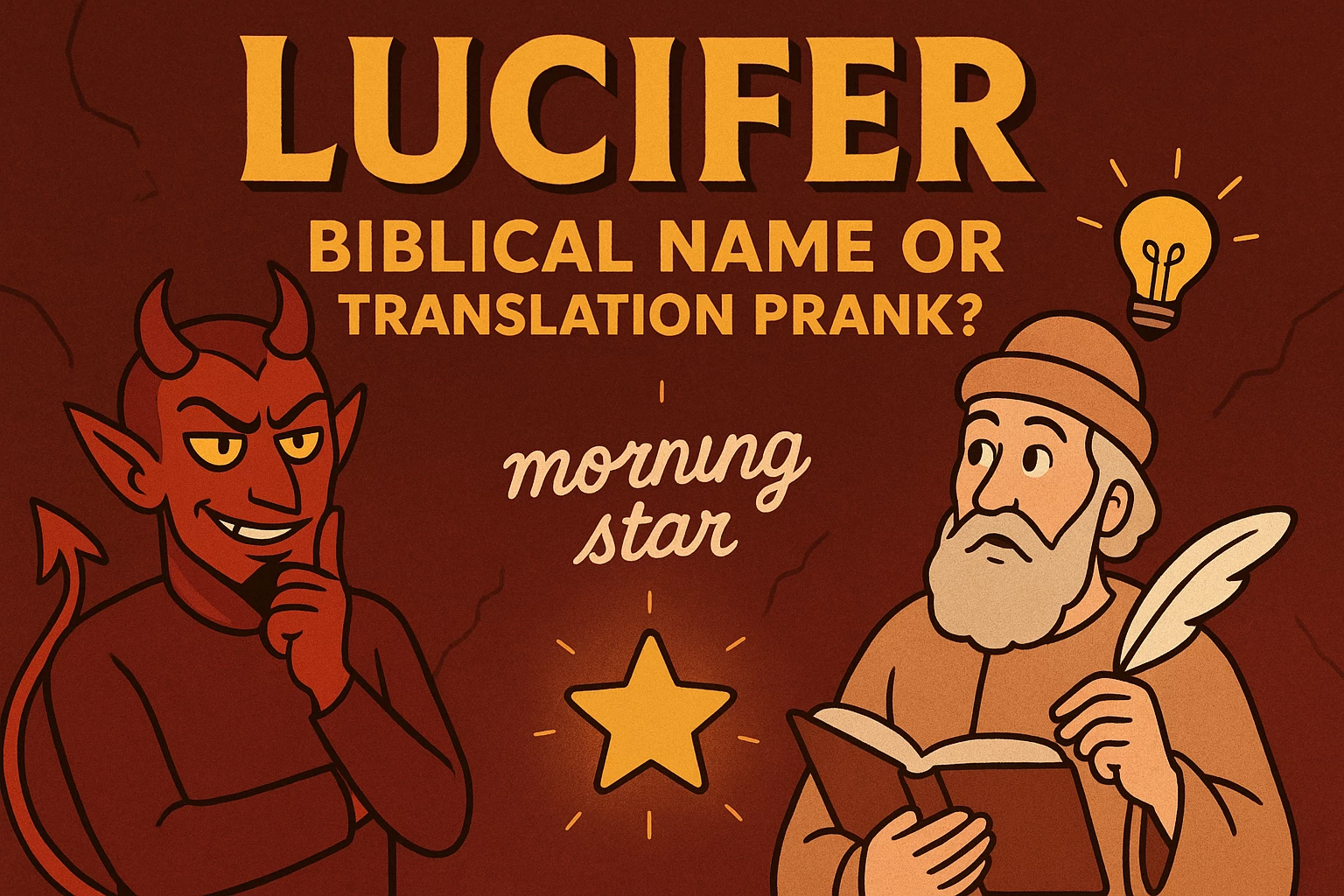
💡 Lucifer: Biblical Name or Translation Prank? 😏
Ever wondered where the name “Lucifer” came from? Spoiler alert: it wasn’t actually in the Bible. 📖
Back in Isaiah 14:12, the Hebrew text says “helel ben-shachar”—basically, “shining one, son of the dawn.” 🌅 A poetic jab at the King of Babylon. Nothing devilish about it.
Enter St. Jerome, 4th-century translator… or creative troublemaker. 😎 When he translated the Bible into Latin, he thought:
“Hey, ‘morning star’ sounds fancy—let’s call it Lucifer.” 🌟
And just like that, centuries of people believed the devil’s name was officially Lucifer. Thanks, Jerome. 🙃
Fun twist: the “morning star” also appears in positive contexts—angels ✨ and even Jesus ✝️ call themselves the morning star. So apparently, Jerome just picked the coolest-sounding Latin word and decided it was evil.
Moral of the story? Sometimes, history’s greatest hits are just translation typos with attitude. 😂
✅ Summary Table:
Translation Phrase Used Approach
KJV Lucifer, son of the morning Traditional, Vulgate-influenced
Douay-Rheims Lucifer, that art risen in the morning Traditional, Catholic
NIV Morning star, son of the dawn Literal, Hebrew-focused
ESV Day Star, son of Dawn Literal, Hebrew-focused
NRSV Morning star, son of the dawn Literal, Hebrew-focused
Fun Fact
1. The Original Hebrew Text
In Isaiah 14:12, the Hebrew phrase is "helel ben-shachar" (הֵילֵל בֶּן-שָׁחַר).
It literally means “shining one, son of the dawn/morning” or “morning star, son of the dawn.”
The verse is part of a taunt against the King of Babylon, not originally about Satan. It used poetic language comparing the arrogant king to a bright star that fell from the sky.
2. The Latin Vulgate Translation
When St. Jerome translated the Bible into Latin (the Vulgate, 4th century AD), he rendered helel as “lucifer” (from Latin lux = light, ferre = to carry, i.e. , “light-bearer”).
In classical Latin, lucifer simply meant “morning star” (the planet Venus). It wasn’t a name, just a description.
3. Shift in Meaning
Over time, Christians began to interpret Isaiah 14 symbolically, seeing the fall of the Babylonian king as a picture of Satan’s pride and fall from heaven.
With this interpretation, Lucifer (which was just “morning star” in Latin) started being treated as a personal name for Satan.
By the Middle Ages, “Lucifer” had become a widely accepted name for the devil in Christian tradition.
4. Other Biblical “Morning Stars”
The term morning star isn’t exclusive to Satan:
In Job 38:7, “morning stars” refers to angels.
In Revelation 22:16, Jesus Himself is called the “bright morning star.”
#BibleTrivia #Lucifer #ThanksJero
Ever wondered where the name “Lucifer” came from? Spoiler alert: it wasn’t actually in the Bible. 📖
Back in Isaiah 14:12, the Hebrew text says “helel ben-shachar”—basically, “shining one, son of the dawn.” 🌅 A poetic jab at the King of Babylon. Nothing devilish about it.
Enter St. Jerome, 4th-century translator… or creative troublemaker. 😎 When he translated the Bible into Latin, he thought:
“Hey, ‘morning star’ sounds fancy—let’s call it Lucifer.” 🌟
And just like that, centuries of people believed the devil’s name was officially Lucifer. Thanks, Jerome. 🙃
Fun twist: the “morning star” also appears in positive contexts—angels ✨ and even Jesus ✝️ call themselves the morning star. So apparently, Jerome just picked the coolest-sounding Latin word and decided it was evil.
Moral of the story? Sometimes, history’s greatest hits are just translation typos with attitude. 😂
✅ Summary Table:
Translation Phrase Used Approach
KJV Lucifer, son of the morning Traditional, Vulgate-influenced
Douay-Rheims Lucifer, that art risen in the morning Traditional, Catholic
NIV Morning star, son of the dawn Literal, Hebrew-focused
ESV Day Star, son of Dawn Literal, Hebrew-focused
NRSV Morning star, son of the dawn Literal, Hebrew-focused
Fun Fact
1. The Original Hebrew Text
In Isaiah 14:12, the Hebrew phrase is "helel ben-shachar" (הֵילֵל בֶּן-שָׁחַר).
It literally means “shining one, son of the dawn/morning” or “morning star, son of the dawn.”
The verse is part of a taunt against the King of Babylon, not originally about Satan. It used poetic language comparing the arrogant king to a bright star that fell from the sky.
2. The Latin Vulgate Translation
When St. Jerome translated the Bible into Latin (the Vulgate, 4th century AD), he rendered helel as “lucifer” (from Latin lux = light, ferre = to carry, i.e. , “light-bearer”).
In classical Latin, lucifer simply meant “morning star” (the planet Venus). It wasn’t a name, just a description.
3. Shift in Meaning
Over time, Christians began to interpret Isaiah 14 symbolically, seeing the fall of the Babylonian king as a picture of Satan’s pride and fall from heaven.
With this interpretation, Lucifer (which was just “morning star” in Latin) started being treated as a personal name for Satan.
By the Middle Ages, “Lucifer” had become a widely accepted name for the devil in Christian tradition.
4. Other Biblical “Morning Stars”
The term morning star isn’t exclusive to Satan:
In Job 38:7, “morning stars” refers to angels.
In Revelation 22:16, Jesus Himself is called the “bright morning star.”
#BibleTrivia #Lucifer #ThanksJero


4