
5 reactions
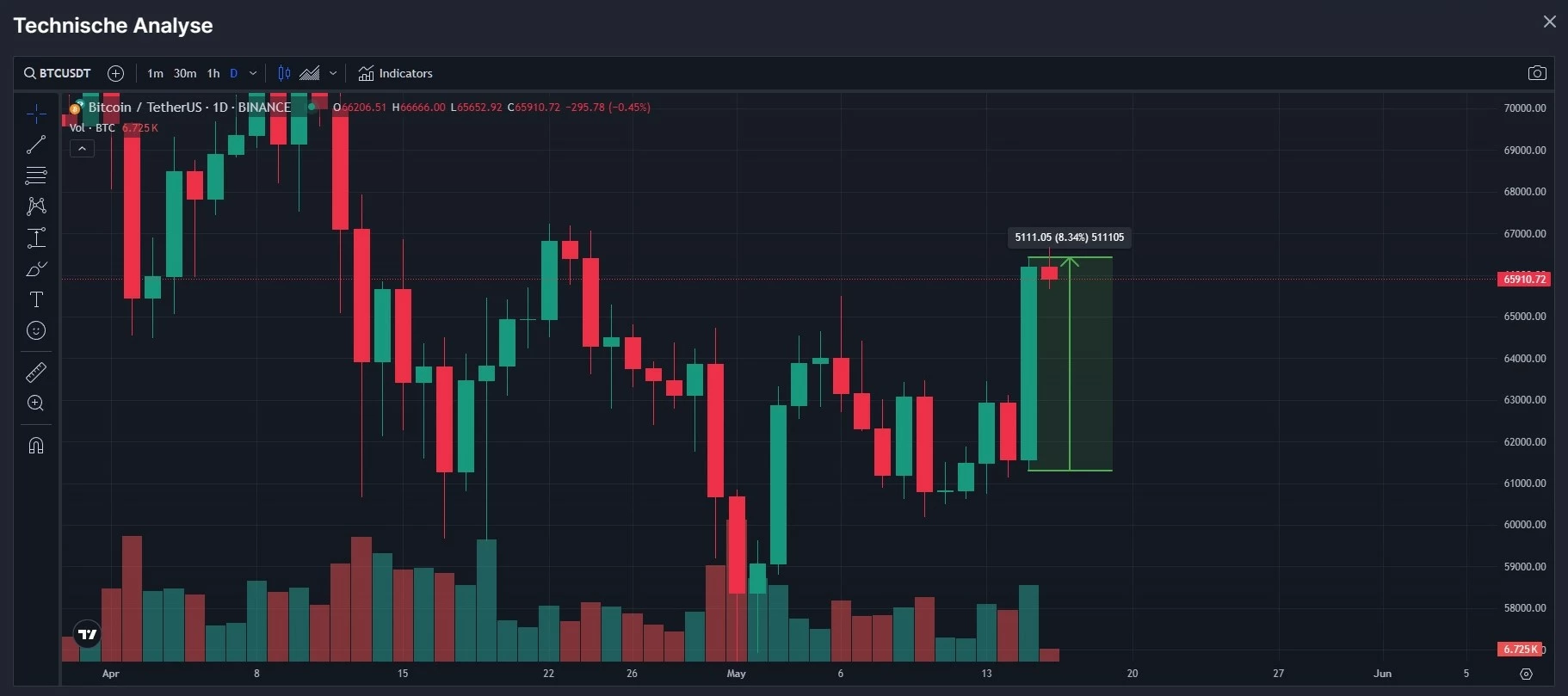
$BTC remains volatile, with recent price rebounds repeatedly facing strong selling pressure near intraday highs. This ongoing rejection points to a cautious market, as traders weigh broader macroeconomic developments.
Attention is now turning to the Bank of Japan, where the possibility of interest rate cuts could add further downside pressure across risk assets. Such policy moves may not only impact $BTC but also extend weakness into the altcoin market, as investors reassess exposure.
As uncertainty persists, the broader crypto market continues to react to shifts in traditional finance. Traders and investors should remain alert, as macro-driven volatility is likely to remain a key driver in the near term.
#BTC #PriceAnalysis #MacroInsights #BTC 🔥🔥🔥🔥🔥 #CMC
Attention is now turning to the Bank of Japan, where the possibility of interest rate cuts could add further downside pressure across risk assets. Such policy moves may not only impact $BTC but also extend weakness into the altcoin market, as investors reassess exposure.
As uncertainty persists, the broader crypto market continues to react to shifts in traditional finance. Traders and investors should remain alert, as macro-driven volatility is likely to remain a key driver in the near term.
#BTC #PriceAnalysis #MacroInsights #BTC 🔥🔥🔥🔥🔥 #CMC



2

1
1 reactions
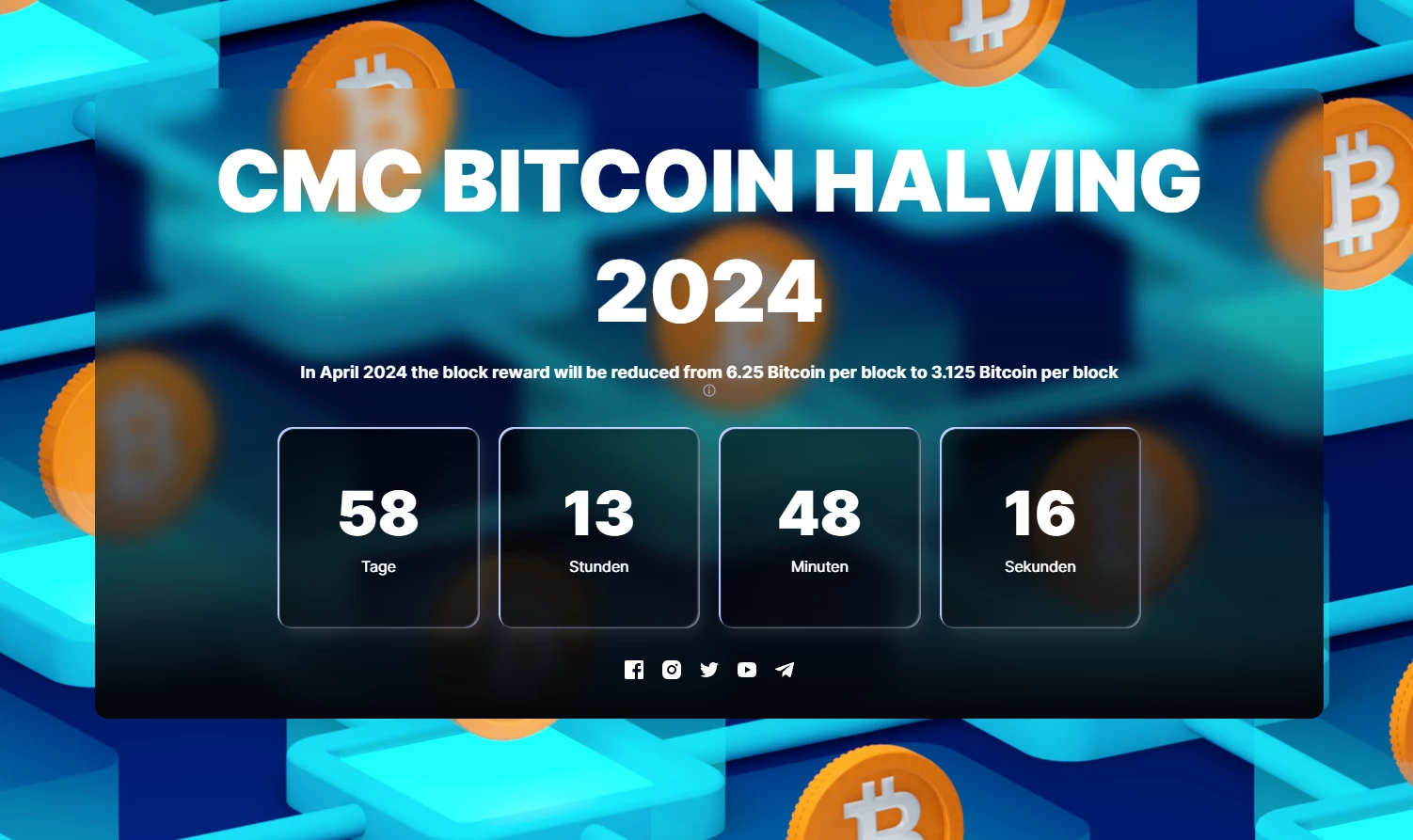
The next halving, who would’ve guessed it, will reduce the mining reward again – to 3.125 BTC per block. The Bitcoin community is eagerly anticipating this milestone. It will make Bitcoin’s supply even scarcer and, hopefully, introduce a new bull market.
Bitcoin’s built-in halvings stand out as a unique feature that adds predictable control over its supply issuance. Other cryptocurrencies have tried to copy its model, but no other blockchain has had the same success with halvings and inflation reductions as Bitcoin.
Of course, some critics have argued that halvings are unnecessary, and Bitcoin’s supply could have simply been capped at 21 million with all units released immediately. But Satoshi wisely recognized the importance of gradual, rule-based issuance and its role in increasing adoption and fairness. Bitcoin would not be where it is today without halvings.
Halvings also forge links between each generation of Bitcoin users. Those who participated in 2012’s first halving have watched the community grow and pass new milestones. And those who joined post-2020 look to earlier halvings for context on Bitcoin’s roots. Halvings remind the community of how far we've come, and where we have yet to go.
#cmc #btc #halving #crypto
Bitcoin’s built-in halvings stand out as a unique feature that adds predictable control over its supply issuance. Other cryptocurrencies have tried to copy its model, but no other blockchain has had the same success with halvings and inflation reductions as Bitcoin.
Of course, some critics have argued that halvings are unnecessary, and Bitcoin’s supply could have simply been capped at 21 million with all units released immediately. But Satoshi wisely recognized the importance of gradual, rule-based issuance and its role in increasing adoption and fairness. Bitcoin would not be where it is today without halvings.
Halvings also forge links between each generation of Bitcoin users. Those who participated in 2012’s first halving have watched the community grow and pass new milestones. And those who joined post-2020 look to earlier halvings for context on Bitcoin’s roots. Halvings remind the community of how far we've come, and where we have yet to go.
#cmc #btc #halving #crypto
1