




11 reactions
August 7 is Purple Heart Day in the United States.
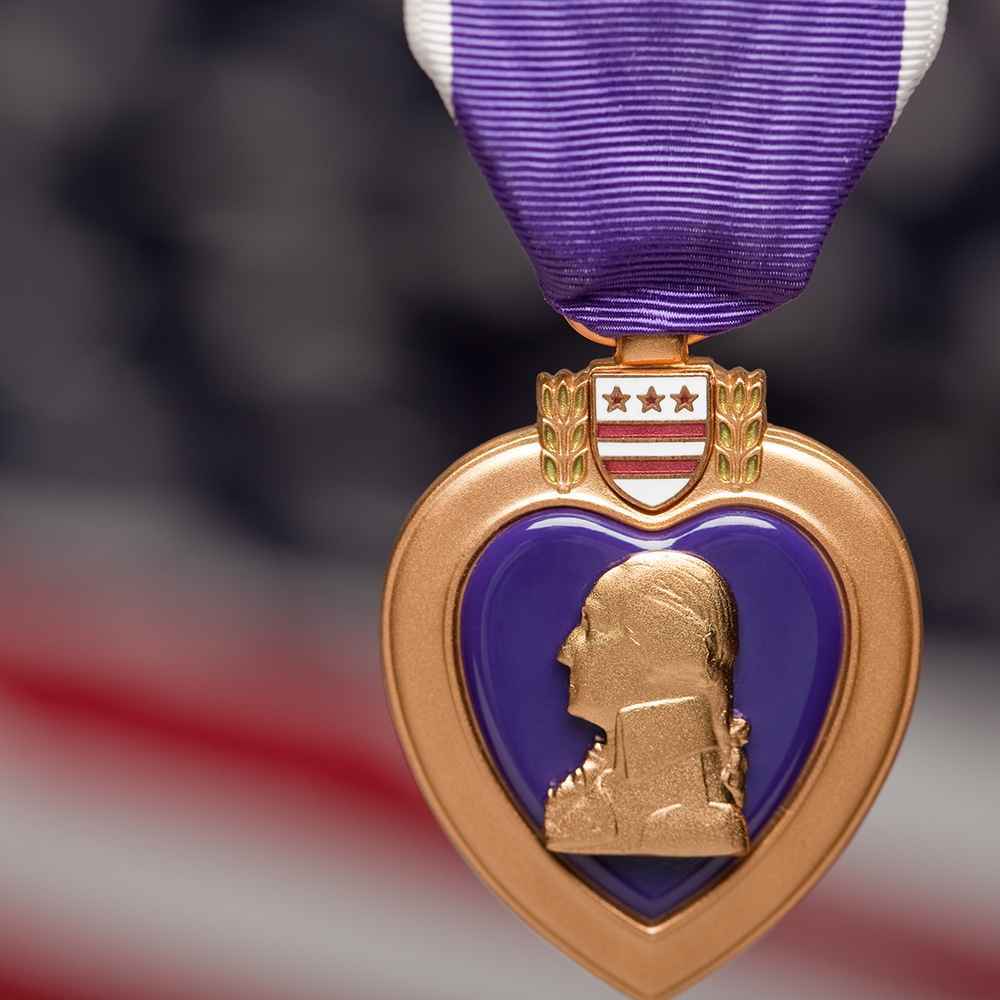
Purple Heart Day honors the men and women who were wounded or killed during service for our country. The Purple Heart , originally the Badge of Military Merit , is one of the oldest military decorations still being awarded, today. It was introduced by General George Washington in 1782 as a sign of appreciation and gratitude for those who served during wartime.
How to Celebrate Purple Heart Day
1. Attend a virtual ceremony. Participate in a virtual ceremony to honor those who have sacrificed for our country. You can find plenty of events on the Purple Heart Foundation website.
2. Raise awareness. Spread the word about Purple Heart Day and help raise awareness about the sacrifices made by members of the military. Share stories and post content on social media.
3. Donate to veterans. Support organizations that help veterans or their families, such as the Wounded Warrior Project or the Purple Heart Foundation.
4. Send cards or letters. Write to veterans to thank them for their service; send cards to family members of fallen soldiers.
5. Fly the American flag. Show your support for those who have served by displaying the American flag outside your home or business.
Why Purple Heart Day is Important
1. It honors the sacrifice of service members. Purple Heart Day is a solemn occasion to recognize and honor the courage, resilience and sacrifices made by U.S. military service members who have been wounded or killed in the line of duty to protect our freedom.
2. It reminds us to stay vigilant. In honoring those who have given their all for their country, Purple Heart Day keeps us mindful of the importance of maintaining a strong sense of patriotism and vigilance in protecting our nation's security. We must never take our liberties for granted.
3. It brings attention to veterans’ issues. Not only should we remember and thank the brave men and women who have served in combat, we must recognize how they are cared for when they return home. This includes acknowledgment of their unique needs as vets, including access to services such as medical care, job training, education assistance and more.
#PurpleHeartDay #tangled
Purple Heart Day honors the men and women who were wounded or killed during service for our country. The Purple Heart , originally the Badge of Military Merit , is one of the oldest military decorations still being awarded, today. It was introduced by General George Washington in 1782 as a sign of appreciation and gratitude for those who served during wartime.
How to Celebrate Purple Heart Day
1. Attend a virtual ceremony. Participate in a virtual ceremony to honor those who have sacrificed for our country. You can find plenty of events on the Purple Heart Foundation website.
2. Raise awareness. Spread the word about Purple Heart Day and help raise awareness about the sacrifices made by members of the military. Share stories and post content on social media.
3. Donate to veterans. Support organizations that help veterans or their families, such as the Wounded Warrior Project or the Purple Heart Foundation.
4. Send cards or letters. Write to veterans to thank them for their service; send cards to family members of fallen soldiers.
5. Fly the American flag. Show your support for those who have served by displaying the American flag outside your home or business.
Why Purple Heart Day is Important
1. It honors the sacrifice of service members. Purple Heart Day is a solemn occasion to recognize and honor the courage, resilience and sacrifices made by U.S. military service members who have been wounded or killed in the line of duty to protect our freedom.
2. It reminds us to stay vigilant. In honoring those who have given their all for their country, Purple Heart Day keeps us mindful of the importance of maintaining a strong sense of patriotism and vigilance in protecting our nation's security. We must never take our liberties for granted.
3. It brings attention to veterans’ issues. Not only should we remember and thank the brave men and women who have served in combat, we must recognize how they are cared for when they return home. This includes acknowledgment of their unique needs as vets, including access to services such as medical care, job training, education assistance and more.
#PurpleHeartDay #tangled

3

2

2

1

1