
9 reactions
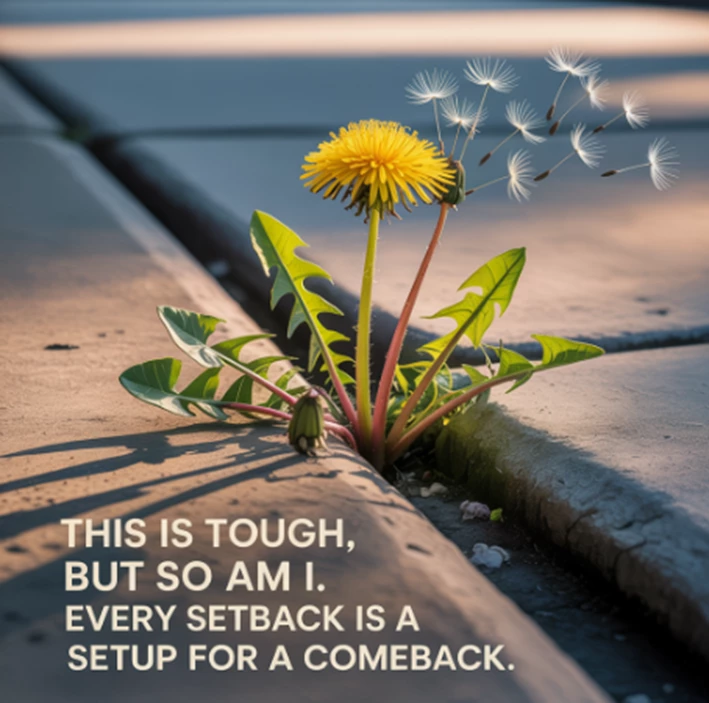
So, it’s International Day for Failure today—a day dedicated to embracing those moments when things don’t go as planned. Honestly, failure can feel so personal and heavy, especially when it’s because of our own mistakes or just feeling “ stupid .” Ever had that sinking feeling like you just messed up big time and everyone else seems to have it together? Yeah, me too.
But here’s the thing: failure isn’t the end of the road . It's actually a sign that you’re pushing your limits, learning, and growing. In a world that feels totally chaotic and unpredictable right now, giving ourselves some grace is so needed. Have you ever stopped and asked yourself— what am I really afraid of when I fail? Is it judgment? Disappointment? Or maybe just the unknown?
Whatever it is, remember that failing doesn’t define you; how you pick yourself up does. So maybe today, instead of beating yourself up over those mistakes, you can ask: What’s one small step I can take right now to turn this around? How can I be kinder to myself in the process?
Failure is messy, uncomfortable, and sometimes humiliating—but it’s also powerful. It shows you cared enough to try. So hang in there! Keep going!
#InternationalDayForFailure #EmbraceFailure #GrowthMindset
#KeepGoing #FailForward #SelfCompassion
#LearningFromMistakes #YouGotThis #Resilience #BeKindToYourself
But here’s the thing: failure isn’t the end of the road . It's actually a sign that you’re pushing your limits, learning, and growing. In a world that feels totally chaotic and unpredictable right now, giving ourselves some grace is so needed. Have you ever stopped and asked yourself— what am I really afraid of when I fail? Is it judgment? Disappointment? Or maybe just the unknown?
Whatever it is, remember that failing doesn’t define you; how you pick yourself up does. So maybe today, instead of beating yourself up over those mistakes, you can ask: What’s one small step I can take right now to turn this around? How can I be kinder to myself in the process?
Failure is messy, uncomfortable, and sometimes humiliating—but it’s also powerful. It shows you cared enough to try. So hang in there! Keep going!
#InternationalDayForFailure #EmbraceFailure #GrowthMindset
#KeepGoing #FailForward #SelfCompassion
#LearningFromMistakes #YouGotThis #Resilience #BeKindToYourself


7

1

1

5 reactions
Good afternoon #tangledfriends ! I hope you are all doing great.
Letting go of the past empowers you to live a life filled with hope, purpose, and joy. You are not a prisoner - choose to write your own future.
Break Free - Your Past is a Lesson, Not a Life Sentence.
We all carry the weight of our past experiences. Sometimes, those experiences can feel like a prison, a constant reminder of mistakes made or hardships endured. But the past doesn't have to define you. It can be a valuable teacher, offering lessons learned and wisdom gained.
The key lies in understanding that the past is just that - the past. It's a chapter in your story, not the entire book. Dwelling on past failures or regrets only keeps you trapped. Instead, learn from your experiences, forgive yourself, and move forward with a lighter heart.
Letting Go, Moving On
The process of releasing the past isn't always easy. We may need to confront difficult memories, practice self-compassion, and actively choose to focus on the present. Here are some steps to help you break free:
Acknowledge the Past: Recognize the impact your past has had on you, both positive and negative.
Learn and Forgive: Extract the lessons your experiences offer. Forgive yourself for mistakes and move on.
Embrace the Present: Focus your energy on creating a brighter future. Set goals and actively work towards them.
The Power of Moving Forward
Letting go of the past is not forgetting it. It's about acknowledging its role in shaping you and then choosing to focus on the possibilities that lie ahead. By learning from your past and embracing the present, you empower yourself to create a life filled with hope, purpose, and joy.
Remember, you are not a prisoner of your past. The future is wide open, waiting to be written. Take control of your narrative and choose to live a life that reflects your true potential.
#BreakFreeFromThePast #LearnAndGrow #LiveInThePresent #SelfCompassion #Empowerment #HopeForTheFuture #WriteYourOwnStory
Letting go of the past empowers you to live a life filled with hope, purpose, and joy. You are not a prisoner - choose to write your own future.
Break Free - Your Past is a Lesson, Not a Life Sentence.
We all carry the weight of our past experiences. Sometimes, those experiences can feel like a prison, a constant reminder of mistakes made or hardships endured. But the past doesn't have to define you. It can be a valuable teacher, offering lessons learned and wisdom gained.
The key lies in understanding that the past is just that - the past. It's a chapter in your story, not the entire book. Dwelling on past failures or regrets only keeps you trapped. Instead, learn from your experiences, forgive yourself, and move forward with a lighter heart.
Letting Go, Moving On
The process of releasing the past isn't always easy. We may need to confront difficult memories, practice self-compassion, and actively choose to focus on the present. Here are some steps to help you break free:
Acknowledge the Past: Recognize the impact your past has had on you, both positive and negative.
Learn and Forgive: Extract the lessons your experiences offer. Forgive yourself for mistakes and move on.
Embrace the Present: Focus your energy on creating a brighter future. Set goals and actively work towards them.
The Power of Moving Forward
Letting go of the past is not forgetting it. It's about acknowledging its role in shaping you and then choosing to focus on the possibilities that lie ahead. By learning from your past and embracing the present, you empower yourself to create a life filled with hope, purpose, and joy.
Remember, you are not a prisoner of your past. The future is wide open, waiting to be written. Take control of your narrative and choose to live a life that reflects your true potential.
#BreakFreeFromThePast #LearnAndGrow #LiveInThePresent #SelfCompassion #Empowerment #HopeForTheFuture #WriteYourOwnStory


3
2
1
16 reactions
Why Self-Pity is Your Worst Enemy and How to Move Forward?
Dwelling on misfortune and feeling sorry for yourself, we've all been there. Maybe you lost a job, went through a tough breakup, or simply feel stuck in a rut. While acknowledging challenges is important, self-pity becomes a dangerous roadblock to progress and happiness. Here's why it's time to ditch this habit and embrace a more empowered approach.
The Energy Drain of Self-Pity
Self-pity is a mental sinkhole. It consumes your energy, leaving you feeling depleted and unable to take action. You become fixated on the negative, reliving past disappointments and magnifying present woes. This constant negativity weakens your resolve and hinders your ability to find solutions.
Beyond Feeling Sorry
Self-pity goes beyond simply feeling sad. It involves a sense of helplessness and a belief that you are a victim of circumstance. This victim mentality erodes your sense of agency and control. When you see yourself as a victim, you relinquish the power to change your situation.
Breaking Free from the Cycle
The good news is, self-pity doesn't have to be your prison. Here are some ways to break free:
Acknowledge Your Emotions
The first step is acknowledging your feelings. Bottling up emotions won't help. Allow yourself to feel sad, angry, or frustrated. However, don't let these emotions define you.
Shift Your Focus
Instead of dwelling on what's wrong, shift your focus to what you can control. Look for opportunities to take action, no matter how small. Even minor steps forward can create momentum and a sense of accomplishment.
Gratitude is a Game Changer
Start a gratitude practice. Reflect on the things you're grateful for, big or small. This simple exercise can shift your perspective and remind you of the good in your life.
Seek Support
Talk to a trusted friend, family member, or therapist. Sharing your burdens can lighten the load and offer valuable perspectives.
Embrace the Power of Self-Compassion
There's a difference between self-pity and self-compassion. Self-compassion acknowledges your struggles without judgment. It allows you to be kind to yourself and recognize that setbacks are part of life. Self-compassion fuels resilience and motivates you to keep moving forward.
Remember: You are stronger than you think. By recognizing self-pity for what it is and taking steps to move forward, you unlock your potential to create a happier and more fulfilling life. So, ditch the pity party and embrace the power of self-compassion and positive action.
#selfpity #negativity #moveforward #positivevibes #growthmindset #selfcompassion #wellbeing #mentalhealth #happiness #youarestronger #empowerment
Dwelling on misfortune and feeling sorry for yourself, we've all been there. Maybe you lost a job, went through a tough breakup, or simply feel stuck in a rut. While acknowledging challenges is important, self-pity becomes a dangerous roadblock to progress and happiness. Here's why it's time to ditch this habit and embrace a more empowered approach.
The Energy Drain of Self-Pity
Self-pity is a mental sinkhole. It consumes your energy, leaving you feeling depleted and unable to take action. You become fixated on the negative, reliving past disappointments and magnifying present woes. This constant negativity weakens your resolve and hinders your ability to find solutions.
Beyond Feeling Sorry
Self-pity goes beyond simply feeling sad. It involves a sense of helplessness and a belief that you are a victim of circumstance. This victim mentality erodes your sense of agency and control. When you see yourself as a victim, you relinquish the power to change your situation.
Breaking Free from the Cycle
The good news is, self-pity doesn't have to be your prison. Here are some ways to break free:
Acknowledge Your Emotions
The first step is acknowledging your feelings. Bottling up emotions won't help. Allow yourself to feel sad, angry, or frustrated. However, don't let these emotions define you.
Shift Your Focus
Instead of dwelling on what's wrong, shift your focus to what you can control. Look for opportunities to take action, no matter how small. Even minor steps forward can create momentum and a sense of accomplishment.
Gratitude is a Game Changer
Start a gratitude practice. Reflect on the things you're grateful for, big or small. This simple exercise can shift your perspective and remind you of the good in your life.
Seek Support
Talk to a trusted friend, family member, or therapist. Sharing your burdens can lighten the load and offer valuable perspectives.
Embrace the Power of Self-Compassion
There's a difference between self-pity and self-compassion. Self-compassion acknowledges your struggles without judgment. It allows you to be kind to yourself and recognize that setbacks are part of life. Self-compassion fuels resilience and motivates you to keep moving forward.
Remember: You are stronger than you think. By recognizing self-pity for what it is and taking steps to move forward, you unlock your potential to create a happier and more fulfilling life. So, ditch the pity party and embrace the power of self-compassion and positive action.
#selfpity #negativity #moveforward #positivevibes #growthmindset #selfcompassion #wellbeing #mentalhealth #happiness #youarestronger #empowerment


10
2
1