0 reactions
Global Supply Chain Crisis: The "Double Chokepoint" (March 19, 2026) 🚢⚠️
The global logistical backbone is currently facing its toughest test in years. The simultaneous instability in the Strait of Hormuz and the Red Sea has created a severe "Double Chokepoint" effect that is reshaping international trade.
1. The Energy Lockdown (Hormuz)
Status: Since the escalation in early March, the Strait of Hormuz—the world's most critical oil artery—is effectively closed to safe commercial transit.
Impact: Roughly 20% of global oil and a vast portion of LNG (particularly from Qatar) are currently stranded.
Market Reaction: Energy prices in Europe and Asia have decoupled from fundamental values as "war risk premiums" and insurance cancellations (effective March 5) take over.
2. The "Cape of Good Hope" Reality
Logistics: Major carriers like Maersk, MSC, and Hapag-Lloyd have fully shifted to rerouting around Africa.
The Toll: This adds 10–14 days to transit times and approximately $1 million in extra fuel costs per voyage.
Capacity Crunch: These longer routes are tying up the global fleet, causing freight rates to spike by over 150% in key corridors as container availability plummets.
3. Critical Raw Material Shortages
High-Tech & Medicine: The sudden halt in Helium exports from the Gulf is threatening the semiconductor industry and medical infrastructure (MRI cooling).
Agriculture: With 20–30% of global fertilizer components passing through the Strait, farmers in the Northern Hemisphere are facing a supply cliff just as the spring planting season begins.
Summary: We are navigating an era of "Constant Disruption." The transition from "Just-in-Time" to "Just-in-Case" is no longer a choice but a survival strategy as the world faces the risk of global stagflation.
#supplychain2026 #globalmacro #energycrisis #logisticsupdate #straitofhormuz #inflationwatch #shippingnews #economicimpact #oilprices #tradedisruption #stagflation #geopolitics #marketanalysis #businessresilience #march2026
The global logistical backbone is currently facing its toughest test in years. The simultaneous instability in the Strait of Hormuz and the Red Sea has created a severe "Double Chokepoint" effect that is reshaping international trade.
1. The Energy Lockdown (Hormuz)
Status: Since the escalation in early March, the Strait of Hormuz—the world's most critical oil artery—is effectively closed to safe commercial transit.
Impact: Roughly 20% of global oil and a vast portion of LNG (particularly from Qatar) are currently stranded.
Market Reaction: Energy prices in Europe and Asia have decoupled from fundamental values as "war risk premiums" and insurance cancellations (effective March 5) take over.
2. The "Cape of Good Hope" Reality
Logistics: Major carriers like Maersk, MSC, and Hapag-Lloyd have fully shifted to rerouting around Africa.
The Toll: This adds 10–14 days to transit times and approximately $1 million in extra fuel costs per voyage.
Capacity Crunch: These longer routes are tying up the global fleet, causing freight rates to spike by over 150% in key corridors as container availability plummets.
3. Critical Raw Material Shortages
High-Tech & Medicine: The sudden halt in Helium exports from the Gulf is threatening the semiconductor industry and medical infrastructure (MRI cooling).
Agriculture: With 20–30% of global fertilizer components passing through the Strait, farmers in the Northern Hemisphere are facing a supply cliff just as the spring planting season begins.
Summary: We are navigating an era of "Constant Disruption." The transition from "Just-in-Time" to "Just-in-Case" is no longer a choice but a survival strategy as the world faces the risk of global stagflation.
#supplychain2026 #globalmacro #energycrisis #logisticsupdate #straitofhormuz #inflationwatch #shippingnews #economicimpact #oilprices #tradedisruption #stagflation #geopolitics #marketanalysis #businessresilience #march2026



0 reactions
Unveiling the Tomato: A Savory Journey Through Flavor, Health, and Economy
Hey there, fellow food enthusiasts! I'm Samuel, and today I'm thrilled to share the wonders of one of my all-time favorite ingredients: tomatoes. Join me on a flavorful journey as we explore their uses, health benefits, disease-fighting properties, and economic significance.
Let's start with taste – tomatoes are like little sunshine in every bite. Whether sliced atop a juicy burger, blended into a tangy salsa, or roasted to perfection in a hearty pasta sauce, their versatility knows no bounds. As a seasoned cook, I've found that tomatoes add depth and richness to any dish, elevating it from ordinary to extraordinary.
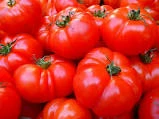
But it's not just their flavor that makes tomatoes remarkable – it's their impressive array of health benefits too. Packed with vitamins, minerals, and antioxidants, these ruby-red gems boast many perks. From boosting heart health and improving digestion to promoting radiant skin and strengthening bones, tomatoes are a true powerhouse of nutrition.
What's more? Research suggests that tomatoes may help ward off certain diseases, including cancer and heart disease, thanks to God the creator, their high lycopene content. This potent antioxidant gives tomatoes their vibrant hue but also works wonders in combating harmful free radicals in the body.
And let's not overlook the economic importance of tomatoes. As a vital crop for farmers worldwide, tomatoes contribute significantly to agricultural economies, providing jobs and sustenance for countless communities.
So there you have it, folks – the tomato: a culinary delight, a health superhero, and an economic powerhouse all rolled into one. So the next time you bite into a juicy tomato, savor not just its taste, but also its rich history and incredible benefits.
Tags: #Tomatoes #HealthyEating #Nutrition #Cooking #EconomicImpact
Hey there, fellow food enthusiasts! I'm Samuel, and today I'm thrilled to share the wonders of one of my all-time favorite ingredients: tomatoes. Join me on a flavorful journey as we explore their uses, health benefits, disease-fighting properties, and economic significance.
Let's start with taste – tomatoes are like little sunshine in every bite. Whether sliced atop a juicy burger, blended into a tangy salsa, or roasted to perfection in a hearty pasta sauce, their versatility knows no bounds. As a seasoned cook, I've found that tomatoes add depth and richness to any dish, elevating it from ordinary to extraordinary.
But it's not just their flavor that makes tomatoes remarkable – it's their impressive array of health benefits too. Packed with vitamins, minerals, and antioxidants, these ruby-red gems boast many perks. From boosting heart health and improving digestion to promoting radiant skin and strengthening bones, tomatoes are a true powerhouse of nutrition.
What's more? Research suggests that tomatoes may help ward off certain diseases, including cancer and heart disease, thanks to God the creator, their high lycopene content. This potent antioxidant gives tomatoes their vibrant hue but also works wonders in combating harmful free radicals in the body.
And let's not overlook the economic importance of tomatoes. As a vital crop for farmers worldwide, tomatoes contribute significantly to agricultural economies, providing jobs and sustenance for countless communities.
So there you have it, folks – the tomato: a culinary delight, a health superhero, and an economic powerhouse all rolled into one. So the next time you bite into a juicy tomato, savor not just its taste, but also its rich history and incredible benefits.
Tags: #Tomatoes #HealthyEating #Nutrition #Cooking #EconomicImpact