
0 reactions
Unknown and Interesting facts about Doge Coin :
1. Origin. Dogecoin was created in December 2013 by Billy Markus and Jackson Palmer as a playful cryptocurrency based on the popular "Doge" internet meme featuring a Shiba Inu dog.
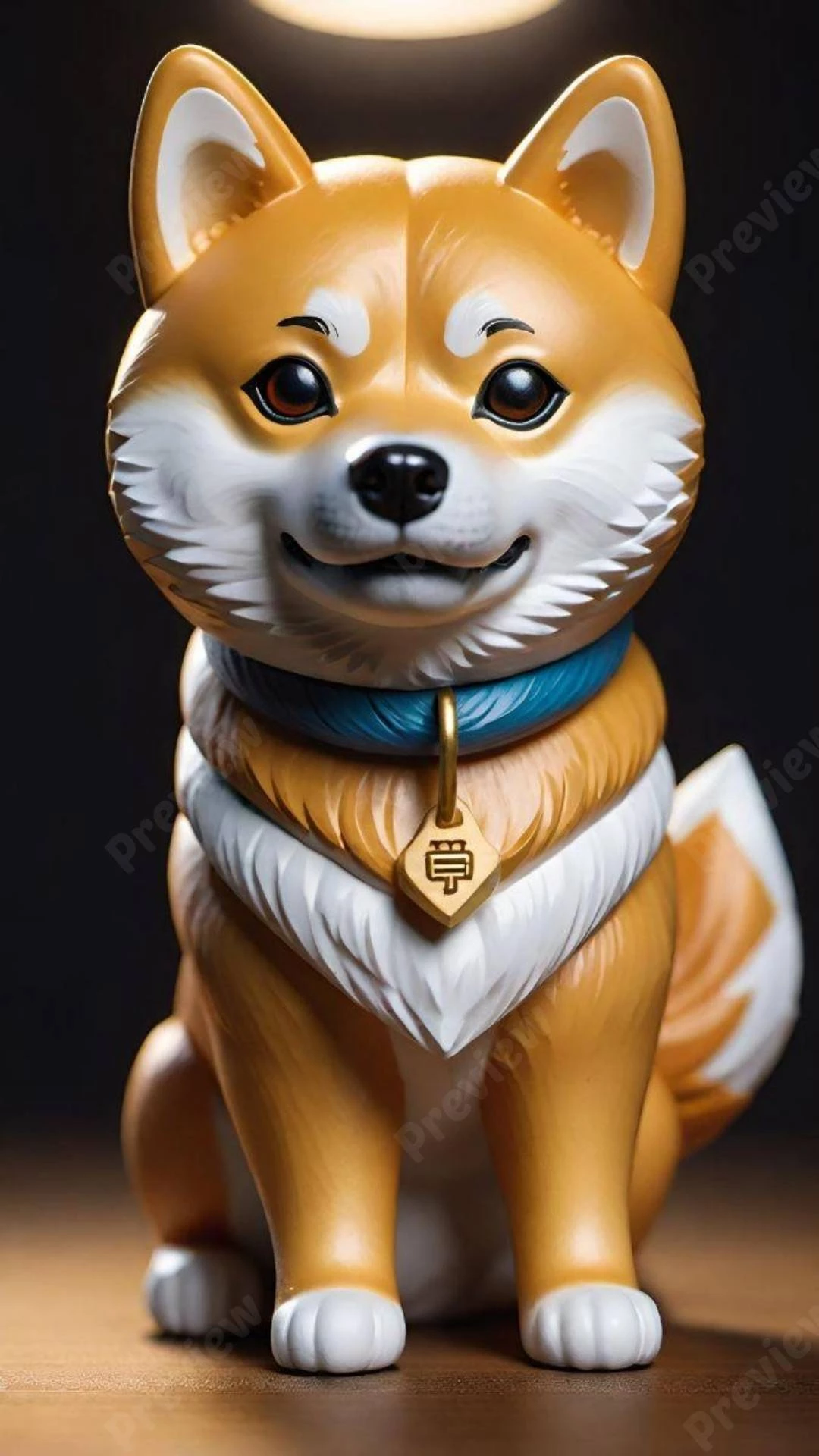
2. Logo : The Shiba Inu from the meme became the face of Dogecoin, with the coin's logo featuring the Shiba Inu surrounded by the word "Doge."
3. Rapid Development : Dogecoin was initially created as a fun and quick alternative to Bitcoin, utilizing the Scrypt algorithm. Its development was swift, and it gained popularity faster than expected.
4. Community Spirit : Dogecoin gained a strong following due to its active and supportive online community. They often engaged in charitable initiatives, supporting causes such as sponsoring athletes and contributing to disaster relief efforts.
5. Inflationary Supply : Unlike Bitcoin, which has a capped supply of 21 million coins, Dogecoin has an inflationary supply. Initially, there was no maximum supply limit, leading to the creation of billions of Dogecoins each year.
6. Tip Culture : Dogecoin became known for its "tipping" culture on social media platforms. Users often tipped each other small amounts of Dogecoin to express appreciation or support for content.
7. Mainstream Recognition : Despite its initially lighthearted and meme-driven origins, Dogecoin gained attention from mainstream figures. For instance, Elon Musk has expressed interest in Dogecoin through tweets and public statements.
8. Unexpected Resilience : Dogecoin has demonstrated unexpected resilience over the years, surviving market fluctuations and remaining relevant in the cryptocurrency space longer than many initially anticipated.
9. Hard Forks : Dogecoin has undergone several hard forks, with the most notable being the switch to the AuxPoW (Auxiliary Proof-of-Work) algorithm in 2014, which increased its security by allowing it to be merged mined with Litecoin.
10. Market Performance : Dogecoin's price has experienced significant volatility, with both rapid surges and corrections. Its market performance has often been influenced by social media trends, celebrity endorsements, and broader developments in the cryptocurrency space.
11. Litecoin Connection : Dogecoin is derived from Litecoin's codebase. Its connection with Litecoin is not only technical but also strategic, as Dogecoin's adoption of Litecoin's Scrypt algorithm enabled merged mining, contributing to the security of both blockchains.
12. Halving Events : Dogecoin experiences regular halving events, reducing the rewards miners receive for validating transactions. The first halving occurred in 2014, with subsequent )))events every 100,000 blocks.
13. Symbolism in the Logo : The Shiba Inu featured in Dogecoin's logo is based on the "Doge" meme's iconic image. The meme typically includes captions written in broken English with phrases like "such wow" and "very currency."
14. Doge Foundation : The Dogecoin Foundation, initially established in 2014, aimed to promote and develop the Dogecoin community.
Bonus: Doge NFT
https://bit.ly/3u505KT
#doge #meme #memecoins #memetokens #facts #cryptocurrency #crypto #dogememe #nft #nfts #nftart #nftartist #nftartwork #memenft #nftcollectibles #nftcollection
1. Origin. Dogecoin was created in December 2013 by Billy Markus and Jackson Palmer as a playful cryptocurrency based on the popular "Doge" internet meme featuring a Shiba Inu dog.
2. Logo : The Shiba Inu from the meme became the face of Dogecoin, with the coin's logo featuring the Shiba Inu surrounded by the word "Doge."
3. Rapid Development : Dogecoin was initially created as a fun and quick alternative to Bitcoin, utilizing the Scrypt algorithm. Its development was swift, and it gained popularity faster than expected.
4. Community Spirit : Dogecoin gained a strong following due to its active and supportive online community. They often engaged in charitable initiatives, supporting causes such as sponsoring athletes and contributing to disaster relief efforts.
5. Inflationary Supply : Unlike Bitcoin, which has a capped supply of 21 million coins, Dogecoin has an inflationary supply. Initially, there was no maximum supply limit, leading to the creation of billions of Dogecoins each year.
6. Tip Culture : Dogecoin became known for its "tipping" culture on social media platforms. Users often tipped each other small amounts of Dogecoin to express appreciation or support for content.
7. Mainstream Recognition : Despite its initially lighthearted and meme-driven origins, Dogecoin gained attention from mainstream figures. For instance, Elon Musk has expressed interest in Dogecoin through tweets and public statements.
8. Unexpected Resilience : Dogecoin has demonstrated unexpected resilience over the years, surviving market fluctuations and remaining relevant in the cryptocurrency space longer than many initially anticipated.
9. Hard Forks : Dogecoin has undergone several hard forks, with the most notable being the switch to the AuxPoW (Auxiliary Proof-of-Work) algorithm in 2014, which increased its security by allowing it to be merged mined with Litecoin.
10. Market Performance : Dogecoin's price has experienced significant volatility, with both rapid surges and corrections. Its market performance has often been influenced by social media trends, celebrity endorsements, and broader developments in the cryptocurrency space.
11. Litecoin Connection : Dogecoin is derived from Litecoin's codebase. Its connection with Litecoin is not only technical but also strategic, as Dogecoin's adoption of Litecoin's Scrypt algorithm enabled merged mining, contributing to the security of both blockchains.
12. Halving Events : Dogecoin experiences regular halving events, reducing the rewards miners receive for validating transactions. The first halving occurred in 2014, with subsequent )))events every 100,000 blocks.
13. Symbolism in the Logo : The Shiba Inu featured in Dogecoin's logo is based on the "Doge" meme's iconic image. The meme typically includes captions written in broken English with phrases like "such wow" and "very currency."
14. Doge Foundation : The Dogecoin Foundation, initially established in 2014, aimed to promote and develop the Dogecoin community.
Bonus: Doge NFT
https://bit.ly/3u505KT
#doge #meme #memecoins #memetokens #facts #cryptocurrency #crypto #dogememe #nft #nfts #nftart #nftartist #nftartwork #memenft #nftcollectibles #nftcollection



3 reactions
What is Shiba Inu Meme Coin?
Interesting facts about Shiba Inu Meme Coin:
1. Shiba Inu Origin: Shiba Inu Coin, often referred to as "Shib," was created in August 2020 as an experiment in decentralized community building inspired by the popular Dogecoin.
2. Tokenomics: Shib is an ERC-20 token built on the Ethereum blockchain, utilizing smart contracts to enable decentralized transactions and community governance.
3. Meme Coin Status: Shib gained attention due to its association with the Shiba Inu dog meme, similar to Dogecoin. Its playful branding and community-driven approach contribute to its popularity.
4. Decentralized Meme Ecosystem: Apart from Shiba Inu, the project includes other tokens like LEASH and BONE, forming a decentralized meme ecosystem within the larger cryptocurrency space.
5. ShibaSwap: The ShibaSwap platform, launched in mid-2021, allows users to swap tokens, provide liquidity, and stake their assets. It aims to provide additional utility to the Shiba Inu ecosystem.
6. Token Distribution: A substantial amount of Shiba tokens were initially sent to Ethereum co-founder Vitalik Buterin as a donation. However, he later burned a large portion of them, reducing concerns about centralized control.
7. Community-Driven Development: Shiba Inu relies heavily on community involvement, with the developers often emphasizing the importance of decentralized decision-making and community initiatives.
8. Inu Token Hype: Shiba Inu's success led to the creation of numerous "Inu" tokens, such as Akita Inu and Kishu Inu, forming a trend of canine-themed cryptocurrencies.
9. Price Volatility: Like many cryptocurrencies, Shib's price has experienced significant volatility, attracting both short-term traders and long-term investors seeking high-risk, high-reward opportunities.
10. Global Presence: Shiba Inu has gained popularity internationally, with a diverse community contributing to its growth and adoption. However, investors should exercise caution due to the speculative nature of meme coins and the inherent risks in the cryptocurrency market.
Bonus: NFT
https://bit.ly/3HdHWxB
#shiba #shibainu #meme #memetokens #memecoins #crypto #cryptocurrency #nft #nfts #nftart #nftartist #nftcollectibles #nftcollection
Interesting facts about Shiba Inu Meme Coin:
1. Shiba Inu Origin: Shiba Inu Coin, often referred to as "Shib," was created in August 2020 as an experiment in decentralized community building inspired by the popular Dogecoin.
2. Tokenomics: Shib is an ERC-20 token built on the Ethereum blockchain, utilizing smart contracts to enable decentralized transactions and community governance.
3. Meme Coin Status: Shib gained attention due to its association with the Shiba Inu dog meme, similar to Dogecoin. Its playful branding and community-driven approach contribute to its popularity.
4. Decentralized Meme Ecosystem: Apart from Shiba Inu, the project includes other tokens like LEASH and BONE, forming a decentralized meme ecosystem within the larger cryptocurrency space.
5. ShibaSwap: The ShibaSwap platform, launched in mid-2021, allows users to swap tokens, provide liquidity, and stake their assets. It aims to provide additional utility to the Shiba Inu ecosystem.
6. Token Distribution: A substantial amount of Shiba tokens were initially sent to Ethereum co-founder Vitalik Buterin as a donation. However, he later burned a large portion of them, reducing concerns about centralized control.
7. Community-Driven Development: Shiba Inu relies heavily on community involvement, with the developers often emphasizing the importance of decentralized decision-making and community initiatives.
8. Inu Token Hype: Shiba Inu's success led to the creation of numerous "Inu" tokens, such as Akita Inu and Kishu Inu, forming a trend of canine-themed cryptocurrencies.
9. Price Volatility: Like many cryptocurrencies, Shib's price has experienced significant volatility, attracting both short-term traders and long-term investors seeking high-risk, high-reward opportunities.
10. Global Presence: Shiba Inu has gained popularity internationally, with a diverse community contributing to its growth and adoption. However, investors should exercise caution due to the speculative nature of meme coins and the inherent risks in the cryptocurrency market.
Bonus: NFT
https://bit.ly/3HdHWxB
#shiba #shibainu #meme #memetokens #memecoins #crypto #cryptocurrency #nft #nfts #nftart #nftartist #nftcollectibles #nftcollection

1

1