
1 reactions
(images are mine. Text borrowed from external sources. #earn )
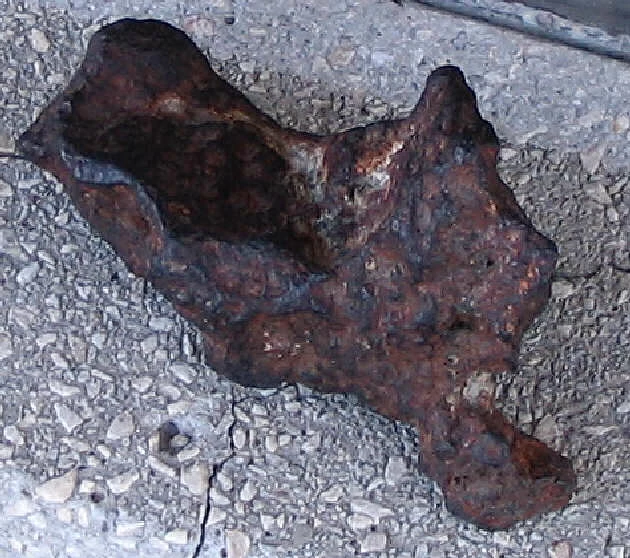
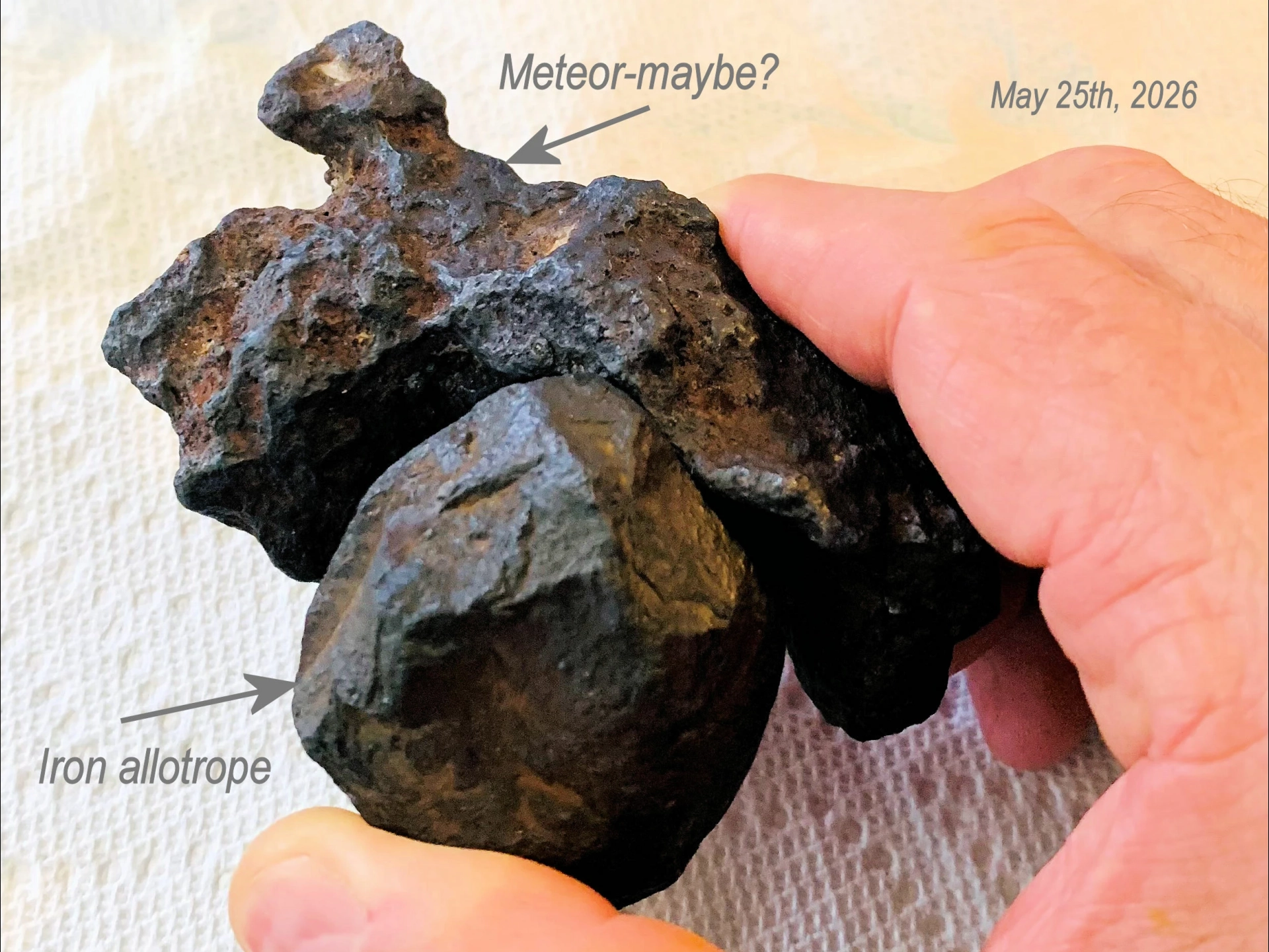
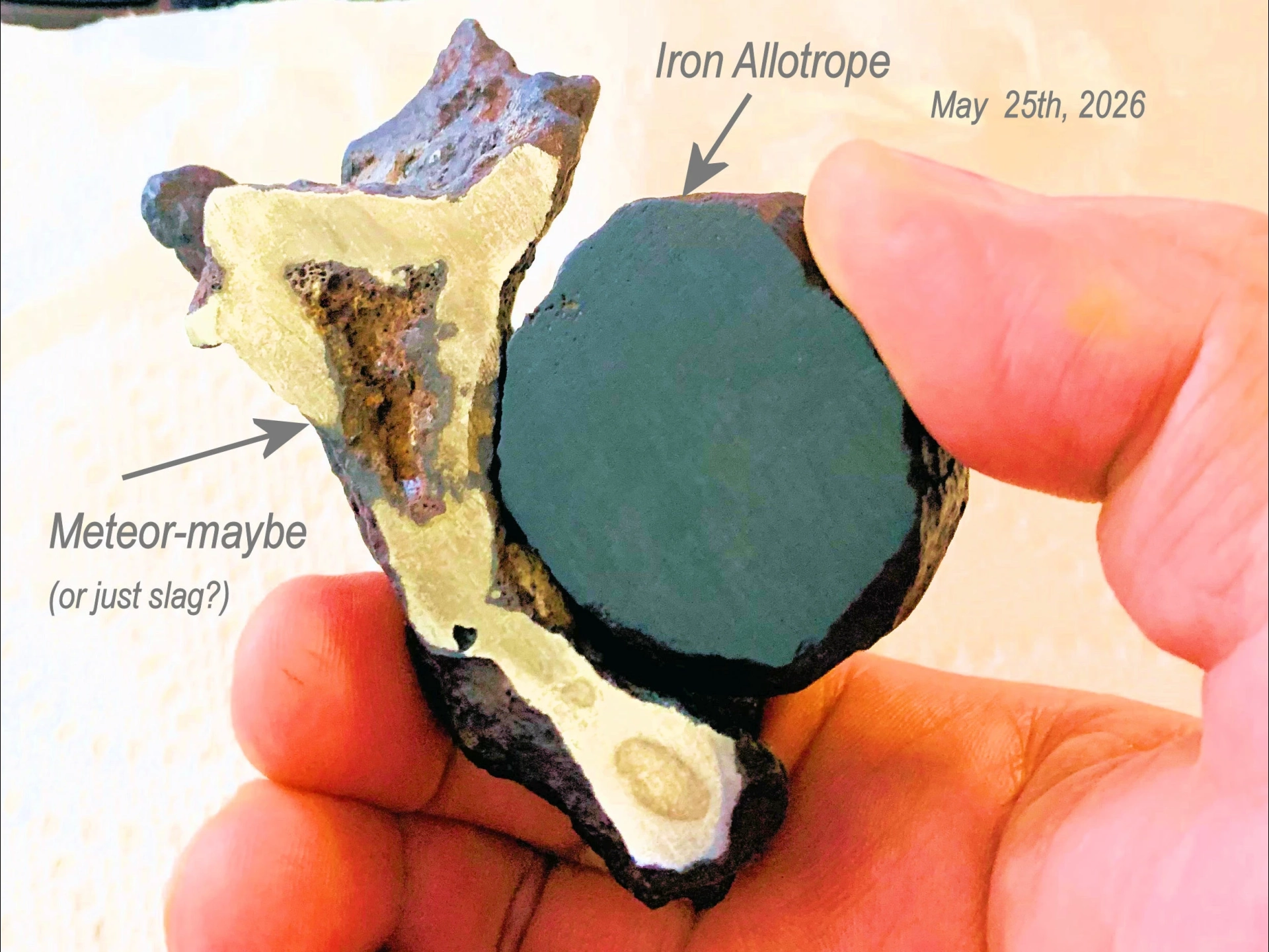
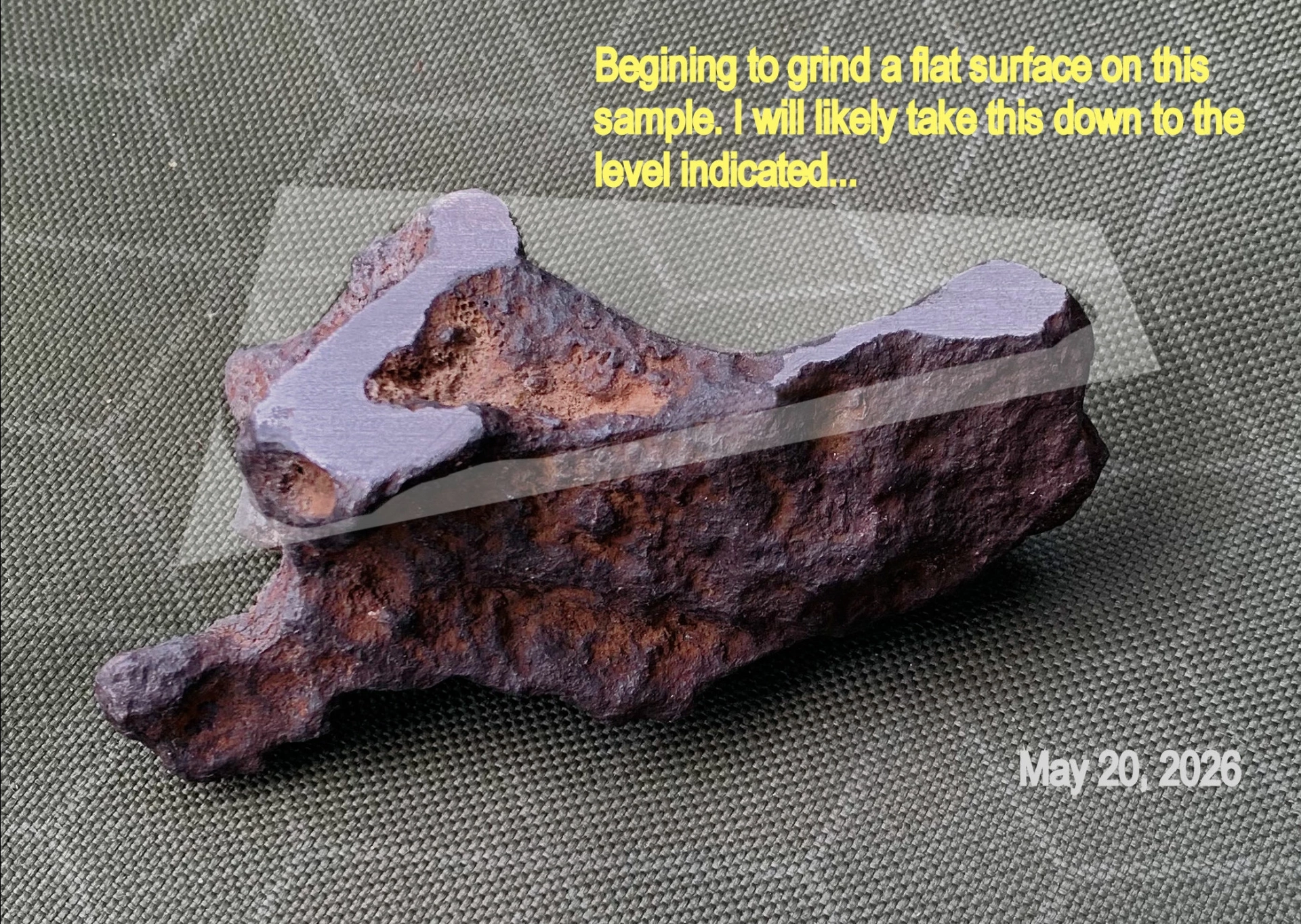
The primary oxidative layer that forms over an iron-nickel #meteorite on Earth is a rust-like, porous covering composed mainly of iron oxides and oxyhydroxides, often referred to as a weathering crust or, in extreme cases, meteoritic shale.
While a glassy black fusion crust is formed during atmospheric entry, this is rapidly replaced by terrestrial weathering products - such as goethite, magnetite, maghemite , and lepidocrocite - which are often mixed with iron-nickel chlorides, particularly in terrestrial finds that have been exposed to moisture.
Components of the Oxidative Layer Goethite - FeO(OH)
The most common component, typically brown, that replaces the iron-nickel phases (kamacite and taenite).
Magnetite Fe3O4
Often forms next to the metallic surface, retaining a significant portion of the nickel that was in the original meteorite.
Maghemite Fe₂O₃
A magnetic form of iron oxide found in the oxidation zone. Akaganéite - β-Fe³⁺O(OH,Cl) - A chloride-containing mineral that thrives in arid climates (like Antarctica) and accelerates the destruction of the meteorite by trapping salt ions.
Lepidocrocite : A reddish-brown, hydrated iron oxide that appears in early rust stages.
Process of Formation Atmospheric Entry (Fusion Crust):
A thin (0.1 mm) shiny black, magnetic, and glassy layer of melted magnetite/maghemite forms instantly.
Terrestrial Weathering:
Upon landing, oxygen and water infiltrate cracks, causing the iron to oxidize. This process often destroys the original Widmanstätten pattern.
Expansion and Fragmentation:
The oxidation of iron is a " volume-expanding " process, leading to the cracking and flaking of the original fusion crust.
Nickel Accumulation:
The remaining layer often shows a high concentration of nickel (up to 16% or more) as it remains behind while iron dissolves. The presence of chloride ions (e.g., from desert soils or seawater) can accelerate this process, forming deliquescent (water-absorbing) iron chlorides that lead to "active corrosion" and the rapid breakdown of the meteorite
The primary oxidative layer that forms over an iron-nickel #meteorite on Earth is a rust-like, porous covering composed mainly of iron oxides and oxyhydroxides, often referred to as a weathering crust or, in extreme cases, meteoritic shale.
While a glassy black fusion crust is formed during atmospheric entry, this is rapidly replaced by terrestrial weathering products - such as goethite, magnetite, maghemite , and lepidocrocite - which are often mixed with iron-nickel chlorides, particularly in terrestrial finds that have been exposed to moisture.
Components of the Oxidative Layer Goethite - FeO(OH)
The most common component, typically brown, that replaces the iron-nickel phases (kamacite and taenite).
Magnetite Fe3O4
Often forms next to the metallic surface, retaining a significant portion of the nickel that was in the original meteorite.
Maghemite Fe₂O₃
A magnetic form of iron oxide found in the oxidation zone. Akaganéite - β-Fe³⁺O(OH,Cl) - A chloride-containing mineral that thrives in arid climates (like Antarctica) and accelerates the destruction of the meteorite by trapping salt ions.
Lepidocrocite : A reddish-brown, hydrated iron oxide that appears in early rust stages.
Process of Formation Atmospheric Entry (Fusion Crust):
A thin (0.1 mm) shiny black, magnetic, and glassy layer of melted magnetite/maghemite forms instantly.
Terrestrial Weathering:
Upon landing, oxygen and water infiltrate cracks, causing the iron to oxidize. This process often destroys the original Widmanstätten pattern.
Expansion and Fragmentation:
The oxidation of iron is a " volume-expanding " process, leading to the cracking and flaking of the original fusion crust.
Nickel Accumulation:
The remaining layer often shows a high concentration of nickel (up to 16% or more) as it remains behind while iron dissolves. The presence of chloride ions (e.g., from desert soils or seawater) can accelerate this process, forming deliquescent (water-absorbing) iron chlorides that lead to "active corrosion" and the rapid breakdown of the meteorite


1
2 reactions
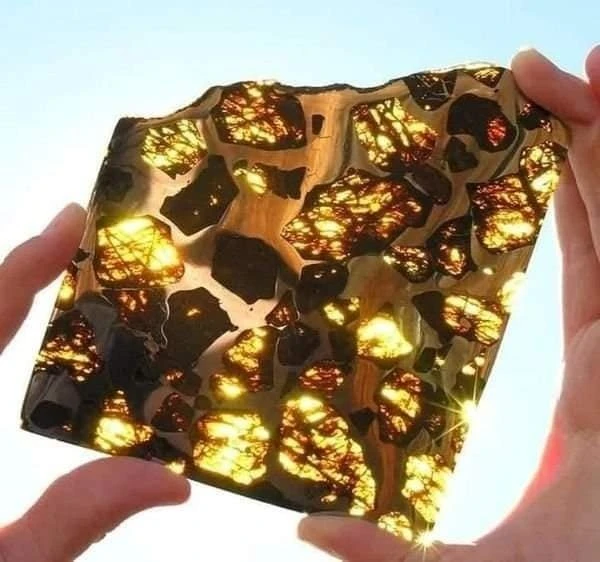
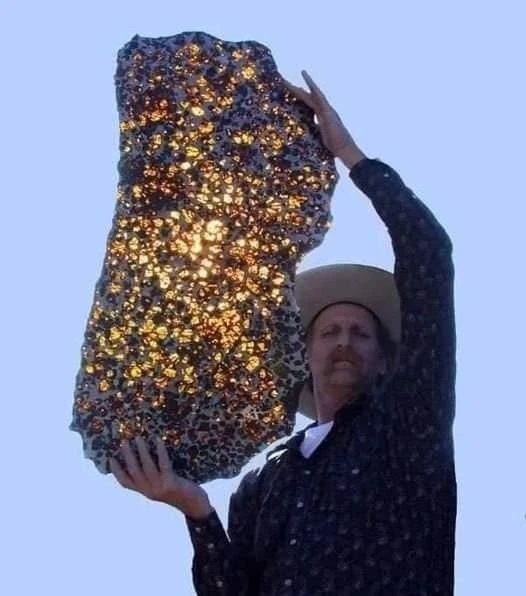
The #Fukang meteorite, found in #China , 2000. It is a pallasite, a type of stony-iron #meteorite filled with olivine crystals. It is estimated to be 4.5 billion years old.
1

1