

31 reactions
In this video, we delve into the transformative power of personas, exploring how they evolve beyond Carl Jung's interpretation to shape our identities, communication, and online presence, revealing the incredible potential for self-expression and growth when we embrace our multifaceted selves.
#selfdiscoverypath #motivation #awakening #transcendingminds #selfenhancement #transcendentexperience #newperspective #humanbehavior #acceptance #carljung #persona #selfhelp #selfimprovement #neogenian #storytelling #peotry #selfexpression #selfdiscoveryprocess #growth #selfempowerment
#selfdiscoverypath #motivation #awakening #transcendingminds #selfenhancement #transcendentexperience #newperspective #humanbehavior #acceptance #carljung #persona #selfhelp #selfimprovement #neogenian #storytelling #peotry #selfexpression #selfdiscoveryprocess #growth #selfempowerment


24

4

1


28 reactions
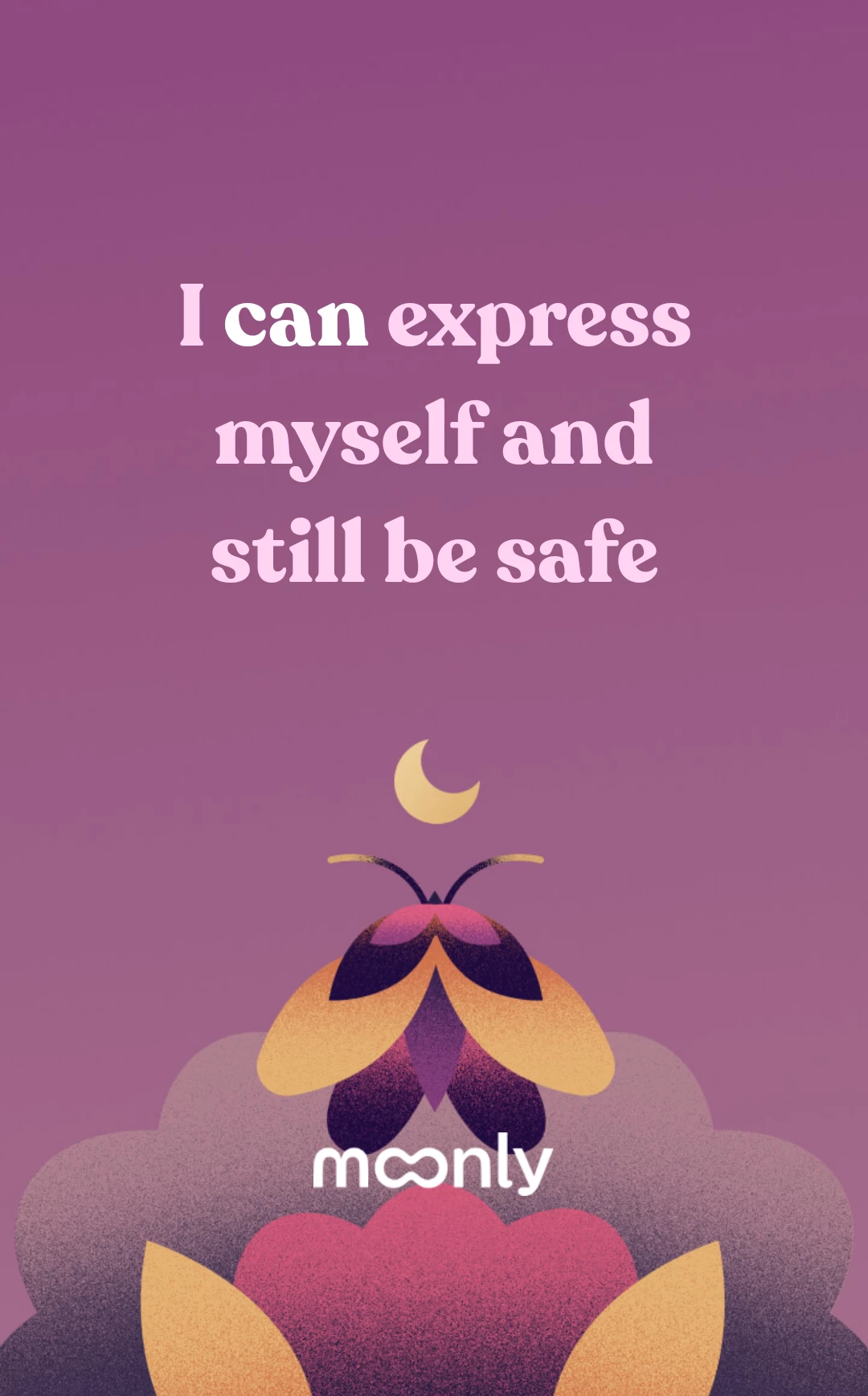
Embrace your courage and be brave in expressing your true self! 🌟💪 Let your true self shine! ✨ What are you waiting for? 😉
#Courage #Bravery #Authenticity #SelfExpression #StaySafe #moonly #dailyaffirmation
This image represents the fearless pursuit of self-expression in a world that often demands conformity. It’s a testament to the courage and bravery required to be unapologetically yourself while ensuring your safety. Embracing our true selves and expressing our unique identities can be challenging, but it’s a journey worth taking. Let’s celebrate the boldness of those who dare to stand out and prioritize their well-being at the same time. Remember, bravery is not the absence of fear, but the willingness to act in spite of it.
#Courage #Bravery #Authenticity #SelfExpression #StaySafe #moonly #dailyaffirmation
This image represents the fearless pursuit of self-expression in a world that often demands conformity. It’s a testament to the courage and bravery required to be unapologetically yourself while ensuring your safety. Embracing our true selves and expressing our unique identities can be challenging, but it’s a journey worth taking. Let’s celebrate the boldness of those who dare to stand out and prioritize their well-being at the same time. Remember, bravery is not the absence of fear, but the willingness to act in spite of it.
9
6
5

19 reactions
Part 3 of the series of articles about #adolescence
Identity and Self-Discovery
Adolescence is a critical time for self-discovery, marked by an ongoing search for personal identity. As teens move away from the identities shaped primarily by family and childhood experiences, they begin exploring who they are and who they aspire to become.
This journey often involves experimenting with various aspects of self-expression, trying on different interests, clothing styles, musical tastes, social roles, and belief systems. Each of these choices reflects an attempt to carve out a unique identity and assert independence, often in ways that feel in flux or contradictory.
The process of self-discovery is influenced by both internal desires and external forces. Family, culture, and societal expectations play substantial roles in shaping how teens perceive themselves and what values they prioritize. Family, in particular, can serve as both a grounding force and a source of tension, as adolescents often feel torn between familial expectations and their need to assert independence. Cultural backgrounds, traditions, and community values add further complexity, offering both a foundation for identity and, at times, a set of boundaries that teens may challenge or seek to redefine.
Throughout this exploration, many teens encounter obstacles, such as the fear of disappointing family members or the anxiety of diverging from cultural norms. The pressure to conform, whether to family expectations or peer influences, can create inner conflicts as teens work to understand who they are apart from others' expectations. At the same time, this period of experimentation and questioning is essential for developing a confident sense of self that aligns with their values, passions, and aspirations.
Teens engage in self-discovery, from exploring new interests to negotiating family expectations. It will also offer insights into how parents, educators, and mentors can support teens in this journey, providing the freedom to explore while helping them stay grounded. By fostering an environment that respects both individuality and cultural values, we can help teens develop a strong, authentic sense of self that guides them through adolescence and into adulthood.
Explore the series of articles from the start:
Part 1: Series of Articles about Adolescence https://tangled.com/c/b8ad3bae3a5a18c97a6e1bf7a92b4842d69f4a4d6
Part 2: The Role of Peers and Social Influence https://tangled.com/c/b8ad3bae358a8fcf296d50e7aed94e76d357f9be5
#Identity #SelfDiscovery #Adolescence #PersonalGrowth #Independence #SelfExpression #YouthJourney #FamilyExpectations #CulturalIdentity #TeenLife #Exploration #InnerConflict #AuthenticSelf #SupportAndGuidance
Identity and Self-Discovery
Adolescence is a critical time for self-discovery, marked by an ongoing search for personal identity. As teens move away from the identities shaped primarily by family and childhood experiences, they begin exploring who they are and who they aspire to become.
This journey often involves experimenting with various aspects of self-expression, trying on different interests, clothing styles, musical tastes, social roles, and belief systems. Each of these choices reflects an attempt to carve out a unique identity and assert independence, often in ways that feel in flux or contradictory.
The process of self-discovery is influenced by both internal desires and external forces. Family, culture, and societal expectations play substantial roles in shaping how teens perceive themselves and what values they prioritize. Family, in particular, can serve as both a grounding force and a source of tension, as adolescents often feel torn between familial expectations and their need to assert independence. Cultural backgrounds, traditions, and community values add further complexity, offering both a foundation for identity and, at times, a set of boundaries that teens may challenge or seek to redefine.
Throughout this exploration, many teens encounter obstacles, such as the fear of disappointing family members or the anxiety of diverging from cultural norms. The pressure to conform, whether to family expectations or peer influences, can create inner conflicts as teens work to understand who they are apart from others' expectations. At the same time, this period of experimentation and questioning is essential for developing a confident sense of self that aligns with their values, passions, and aspirations.
Teens engage in self-discovery, from exploring new interests to negotiating family expectations. It will also offer insights into how parents, educators, and mentors can support teens in this journey, providing the freedom to explore while helping them stay grounded. By fostering an environment that respects both individuality and cultural values, we can help teens develop a strong, authentic sense of self that guides them through adolescence and into adulthood.
Explore the series of articles from the start:
Part 1: Series of Articles about Adolescence https://tangled.com/c/b8ad3bae3a5a18c97a6e1bf7a92b4842d69f4a4d6
Part 2: The Role of Peers and Social Influence https://tangled.com/c/b8ad3bae358a8fcf296d50e7aed94e76d357f9be5
#Identity #SelfDiscovery #Adolescence #PersonalGrowth #Independence #SelfExpression #YouthJourney #FamilyExpectations #CulturalIdentity #TeenLife #Exploration #InnerConflict #AuthenticSelf #SupportAndGuidance

5
3
1