
0 reactions
The Great Reshuffle of 2026
Why Amazon’s 30,000 layoffs are telling us something vital about the future. 📉➡️🚀
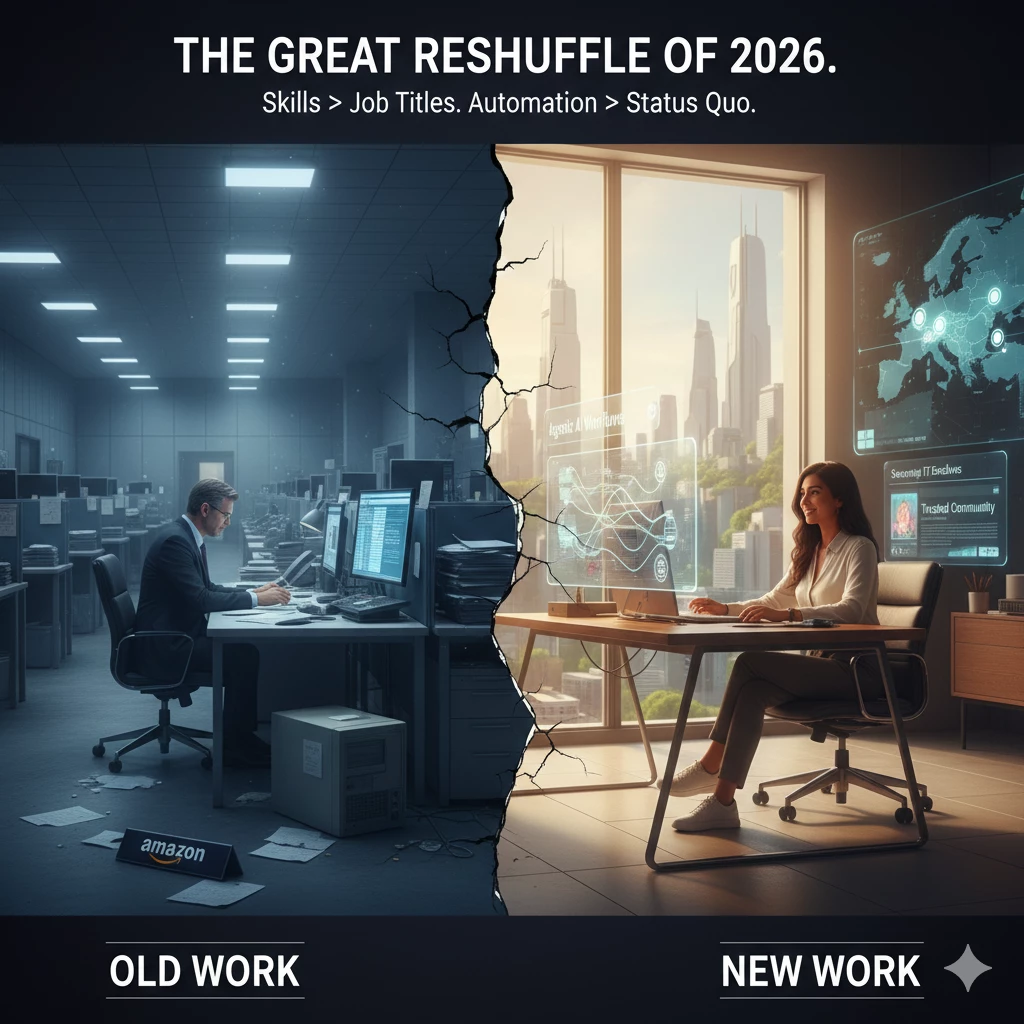
This morning’s headlines are dominated by massive staff reductions at tech giants. But if you look closely, this isn't the "end of work"—it's a radical reshuffling of talent.
While corporations are trimming their traditional office structures, the market for specialists who don't just "use" AI but build Agentic Workflows is absolutely exploding.
My 3 takeaways for this Monday:
1️⃣ Skills > Job Titles: It’s no longer about what you are (e.g., Marketing Manager), but what systems you control. In 2026, Agentic AI already handles 15% of routine business decisions. Are you the one architecting those systems?
2️⃣ Regionality & Trust: Amidst new EU investigations into global AI models (like today’s probe into xAI/Grok), transparent, local solutions are gaining massive value. "Sovereign IT" is the buzzword of the week.
3️⃣ The Monday Check: Are you using today to manage old processes, or are you building a system that works for you while you sleep?
My advice for the week: Stop fighting automation. Start becoming the architect of your own digital infrastructure.
What is your priority this week? Scaling efficiency or learning new agentic skills? 👇
#MondayMotivation #FutureOfWork #AI2026 #TechNews #AmazonLayoffs #DigitalTransformation #AgenticAI
Why Amazon’s 30,000 layoffs are telling us something vital about the future. 📉➡️🚀
This morning’s headlines are dominated by massive staff reductions at tech giants. But if you look closely, this isn't the "end of work"—it's a radical reshuffling of talent.
While corporations are trimming their traditional office structures, the market for specialists who don't just "use" AI but build Agentic Workflows is absolutely exploding.
My 3 takeaways for this Monday:
1️⃣ Skills > Job Titles: It’s no longer about what you are (e.g., Marketing Manager), but what systems you control. In 2026, Agentic AI already handles 15% of routine business decisions. Are you the one architecting those systems?
2️⃣ Regionality & Trust: Amidst new EU investigations into global AI models (like today’s probe into xAI/Grok), transparent, local solutions are gaining massive value. "Sovereign IT" is the buzzword of the week.
3️⃣ The Monday Check: Are you using today to manage old processes, or are you building a system that works for you while you sleep?
My advice for the week: Stop fighting automation. Start becoming the architect of your own digital infrastructure.
What is your priority this week? Scaling efficiency or learning new agentic skills? 👇
#MondayMotivation #FutureOfWork #AI2026 #TechNews #AmazonLayoffs #DigitalTransformation #AgenticAI



1 reactions
This sounds like something straight out of a sci-fi movie… but it’s 100% real. 😲
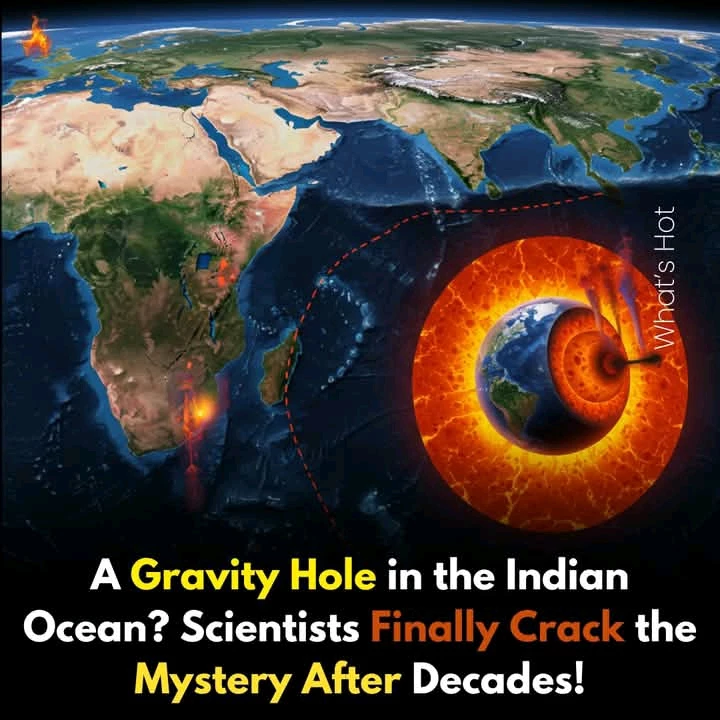
There’s a massive gravity hole in the Indian Ocean, where the ocean surface is 106 meters lower than surrounding areas — all because gravity is literally weaker there! 🤯
For decades, scientists have scratched their heads over this anomaly sitting just south of Sri Lanka. But now, researchers say the answer lies deep beneath the Earth’s surface — and it dates back over 100 million years!
Here’s the wild part: giant plumes of hot, low-density rock have been rising from deep within Earth’s mantle since the breakup of the ancient supercontinent Gondwana. These plumes messed with the planet’s mass distribution, causing this bizarre gravitational dip. 🌋
Besides solving a long-standing geological mystery, this discovery could reshape how we think about climate models, ocean circulation, and satellite navigation systems.
Our planet is more alive and ever-changing than we give it credit for. 🌍
Crazy how much we’re still learning, right?
#earthmysteries #gravityhole #indianoceananomaly #tectonicmarvels #earthscience #geologyfacts #spaceandscience #technews #sciencediscovery #planetearth #mindblownmoments
There’s a massive gravity hole in the Indian Ocean, where the ocean surface is 106 meters lower than surrounding areas — all because gravity is literally weaker there! 🤯
For decades, scientists have scratched their heads over this anomaly sitting just south of Sri Lanka. But now, researchers say the answer lies deep beneath the Earth’s surface — and it dates back over 100 million years!
Here’s the wild part: giant plumes of hot, low-density rock have been rising from deep within Earth’s mantle since the breakup of the ancient supercontinent Gondwana. These plumes messed with the planet’s mass distribution, causing this bizarre gravitational dip. 🌋
Besides solving a long-standing geological mystery, this discovery could reshape how we think about climate models, ocean circulation, and satellite navigation systems.
Our planet is more alive and ever-changing than we give it credit for. 🌍
Crazy how much we’re still learning, right?
#earthmysteries #gravityhole #indianoceananomaly #tectonicmarvels #earthscience #geologyfacts #spaceandscience #technews #sciencediscovery #planetearth #mindblownmoments

1