
45 reactions
The Rose
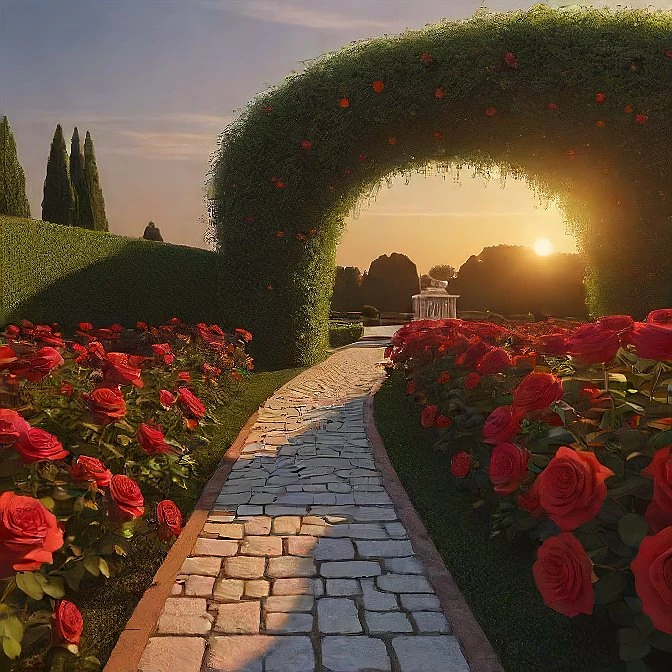
A name that evokes elegance, passion, and a touch of thorns. It's a flower steeped in history and symbolism, a timeless beauty that adorns gardens and graces countless stories.
From its humble beginnings, the rose has blossomed into a global icon. Its wild ancestors, simple five-petaled shrubs, were native to Asia, Europe, and North Africa. Over millennia, humans nurtured and cultivated them, coaxing forth a dazzling array of colors, shapes, and sizes. Today, there are thousands of rose varieties, each boasting a unique fragrance and personality.
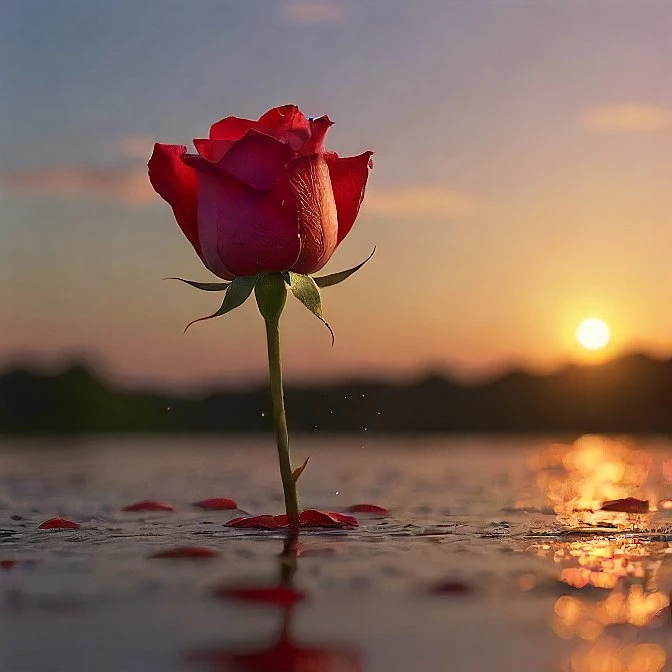
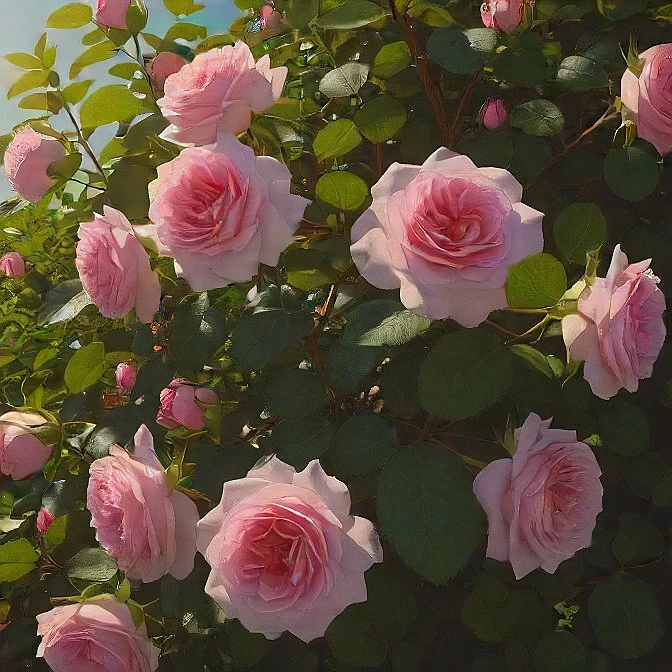
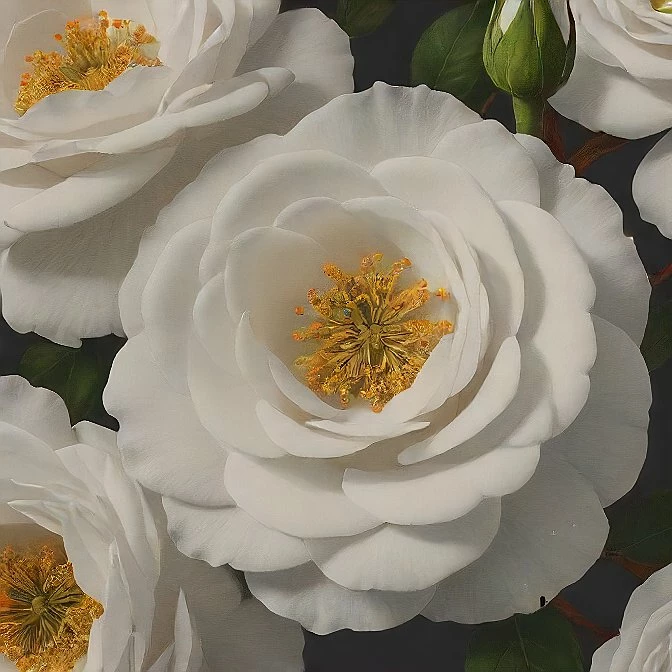
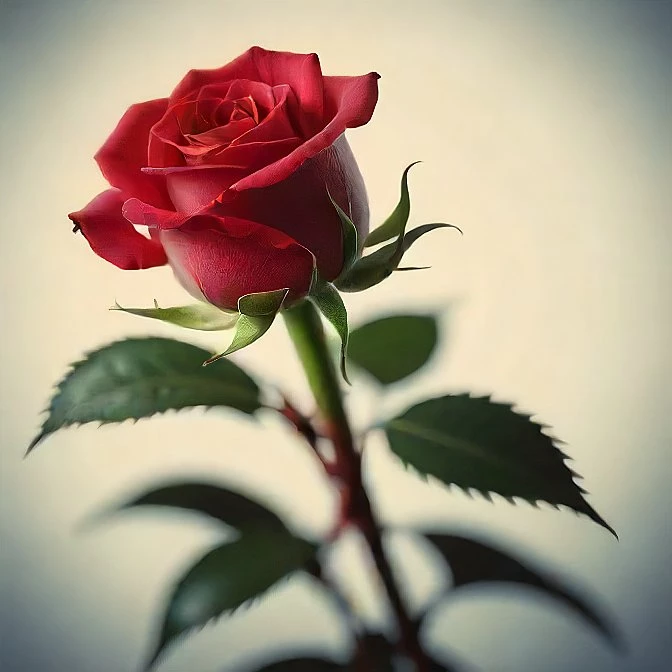
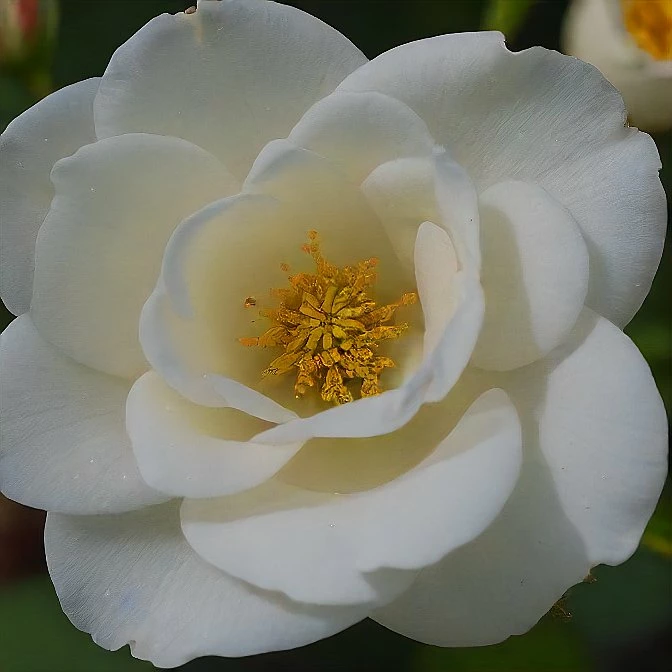
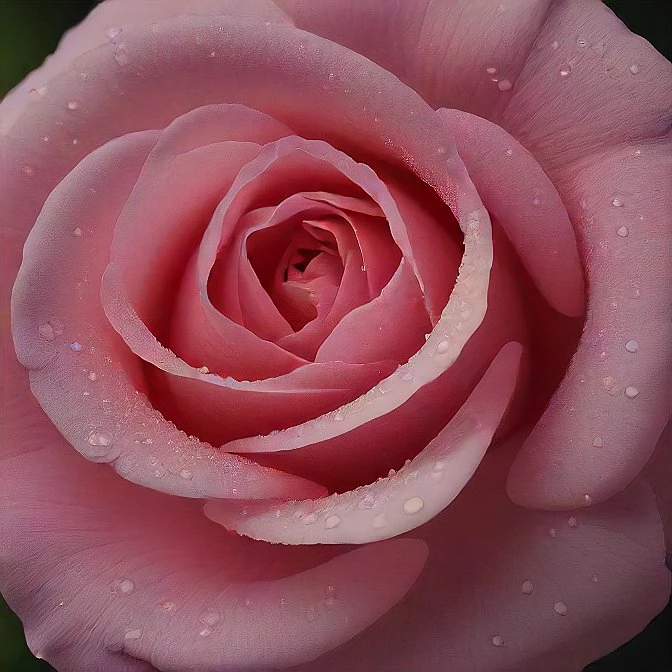
The rose's allure transcends its visual appeal. Its color spectrum speaks a language of its own. The classic red rose signifies passionate love, while the delicate blush whispers of affection. A bouquet of white roses conveys purity and innocence, while a deep yellow expresses joy and friendship.
But the rose isn't all about romance and celebration. Its crown of thorns has made it a symbol of sacrifice and religious devotion. In art and literature, the rose can represent fleeting beauty, the ephemeral nature of life, and the delicate balance between pleasure and pain.
Despite its thorns, the rose remains a beloved flower. Its beauty inspires artists and poets, its fragrance perfumes our lives, and its presence brightens any occasion. It's a symbol of hope, a testament to the transformative power of human cultivation, and a reminder that even the most delicate beauty can possess a hidden strength.
#roselover #symbolicflower #timelessbeauty #fragrancelove #gardenmagic #thornsandblooms #artofnature #endlesscolors #flower
A name that evokes elegance, passion, and a touch of thorns. It's a flower steeped in history and symbolism, a timeless beauty that adorns gardens and graces countless stories.
From its humble beginnings, the rose has blossomed into a global icon. Its wild ancestors, simple five-petaled shrubs, were native to Asia, Europe, and North Africa. Over millennia, humans nurtured and cultivated them, coaxing forth a dazzling array of colors, shapes, and sizes. Today, there are thousands of rose varieties, each boasting a unique fragrance and personality.
The rose's allure transcends its visual appeal. Its color spectrum speaks a language of its own. The classic red rose signifies passionate love, while the delicate blush whispers of affection. A bouquet of white roses conveys purity and innocence, while a deep yellow expresses joy and friendship.
But the rose isn't all about romance and celebration. Its crown of thorns has made it a symbol of sacrifice and religious devotion. In art and literature, the rose can represent fleeting beauty, the ephemeral nature of life, and the delicate balance between pleasure and pain.
Despite its thorns, the rose remains a beloved flower. Its beauty inspires artists and poets, its fragrance perfumes our lives, and its presence brightens any occasion. It's a symbol of hope, a testament to the transformative power of human cultivation, and a reminder that even the most delicate beauty can possess a hidden strength.
#roselover #symbolicflower #timelessbeauty #fragrancelove #gardenmagic #thornsandblooms #artofnature #endlesscolors #flower


18

7

6