6
10
305
105
545
737



8 reactions
The video demonstrates a tutorial on crafting a revolver from unused scrap paper. An individual uses sheets of paper to shape the body of the weapon, including detailed elements such as the cylinder and grip, crafted with precision. The process appears creative and engaging, offering an innovative way to transform leftover paper into a unique toy.


5

1

1
6 reactions
This is not EDM, not DJ music, not an orchestra, not beatbox, nor rap. This is the traditional music of the Javanese people, a harmonious blend of every note, imbued with a soul in every flowing rhythm. Unlike modern music, which can feel artificial and detrimental to psychological well-being, this cultural treasure offers a profound and authentic experience, reflecting the deep spiritual and emotional resonance of Javanese heritage.
The traditional Javanese music of Indonesia is a mesmerizing tapestry of sound that captivates the soul and ignites a profound sense of pride in its rich cultural heritage. At its heart lies the gamelan, an enchanting ensemble of bronze percussion instruments—gongs, metallophones, kendangs (drums), and bamboo flutes—whose intricate melodies and rhythmic interplay create a symphony that feels both ancient and timeless. The resonant tones of the bonang, the deep resonance of the gong ageng, and the delicate shimmer of the saron weave together in a harmonious dance, transporting listeners to the majestic courts of Java’s historic kingdoms, where this music was once the heartbeat of royal ceremonies and spiritual rituals.
What truly astounds is the artistry behind its performance. Skilled musicians, often trained from a young age, master the complex interlocking patterns known as kotekan, a technique that blends individual parts into a unified, almost hypnotic flow. This musical tradition, deeply rooted in Javanese philosophy, reflects the balance of life—harmony between nature, humanity, and the divine—embodied in its cyclical structures and subtle dynamics. Accompanied by graceful traditional dances like the Bedhaya or the ethereal movements of the Srimpi, the music elevates the experience into a visual and auditory spectacle that leaves audiences spellbound.
This cultural treasure, preserved through generations, is a source of immense pride for Indonesians, showcasing the ingenuity and spiritual depth of Javanese civilization. Whether heard during a sacred Wayang Kulit (shadow puppet performance) or a vibrant village festival, Javanese music stands as a testament to the enduring beauty of Indonesia’s cultural legacy, inspiring awe and admiration for its unparalleled artistry and profound historical significance.
The traditional Javanese music of Indonesia is a mesmerizing tapestry of sound that captivates the soul and ignites a profound sense of pride in its rich cultural heritage. At its heart lies the gamelan, an enchanting ensemble of bronze percussion instruments—gongs, metallophones, kendangs (drums), and bamboo flutes—whose intricate melodies and rhythmic interplay create a symphony that feels both ancient and timeless. The resonant tones of the bonang, the deep resonance of the gong ageng, and the delicate shimmer of the saron weave together in a harmonious dance, transporting listeners to the majestic courts of Java’s historic kingdoms, where this music was once the heartbeat of royal ceremonies and spiritual rituals.
What truly astounds is the artistry behind its performance. Skilled musicians, often trained from a young age, master the complex interlocking patterns known as kotekan, a technique that blends individual parts into a unified, almost hypnotic flow. This musical tradition, deeply rooted in Javanese philosophy, reflects the balance of life—harmony between nature, humanity, and the divine—embodied in its cyclical structures and subtle dynamics. Accompanied by graceful traditional dances like the Bedhaya or the ethereal movements of the Srimpi, the music elevates the experience into a visual and auditory spectacle that leaves audiences spellbound.
This cultural treasure, preserved through generations, is a source of immense pride for Indonesians, showcasing the ingenuity and spiritual depth of Javanese civilization. Whether heard during a sacred Wayang Kulit (shadow puppet performance) or a vibrant village festival, Javanese music stands as a testament to the enduring beauty of Indonesia’s cultural legacy, inspiring awe and admiration for its unparalleled artistry and profound historical significance.
6
5 reactions
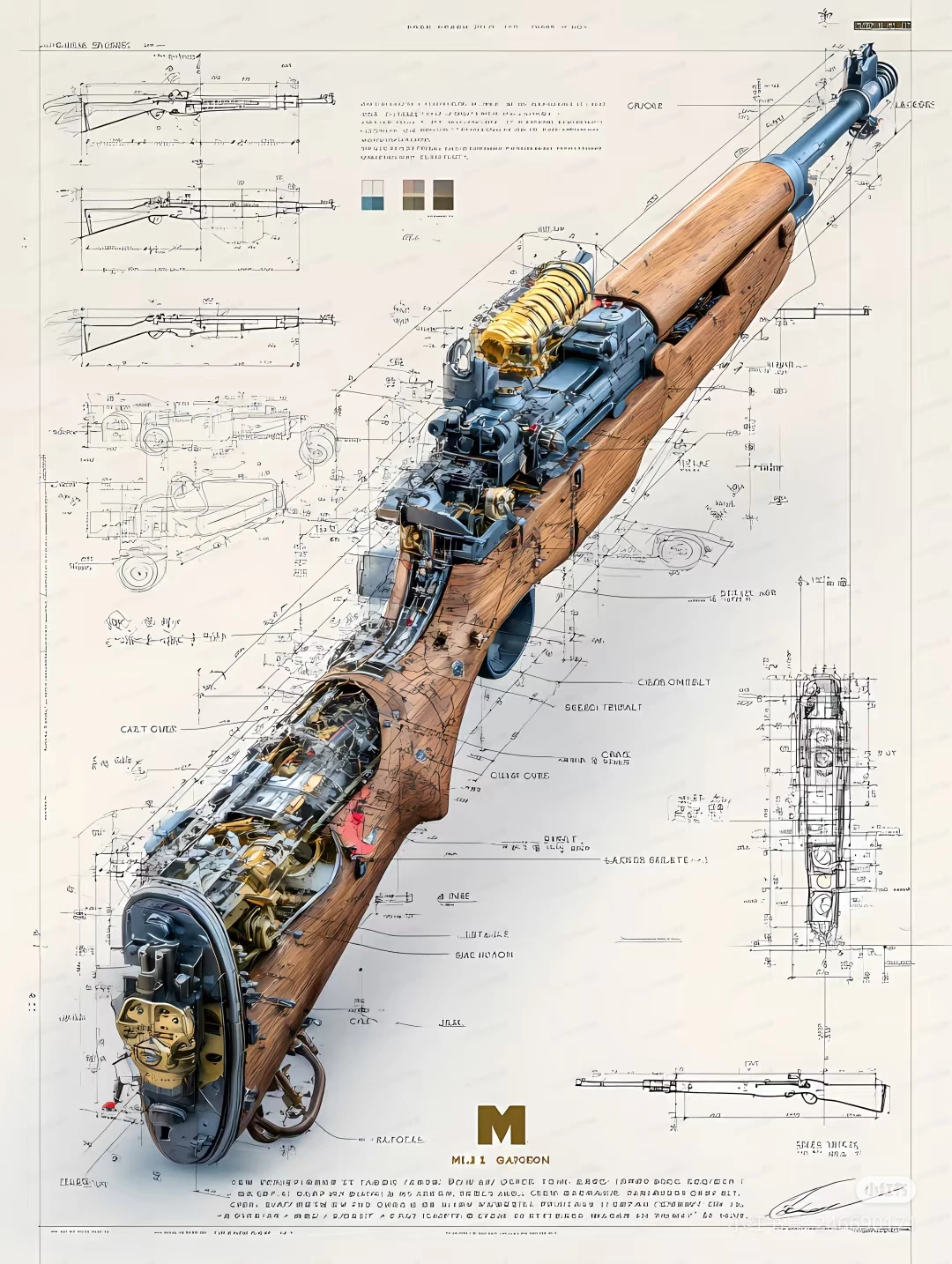
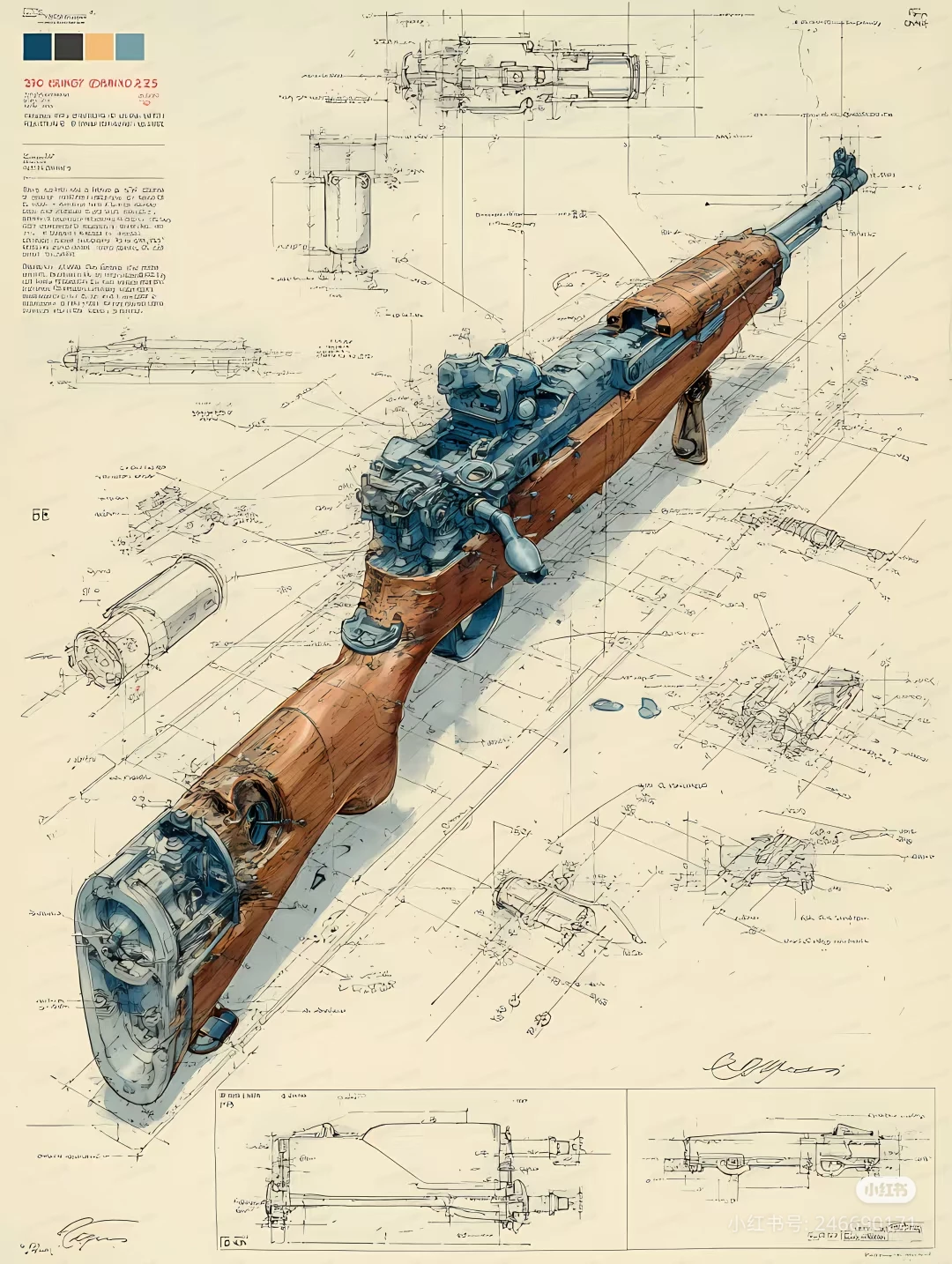
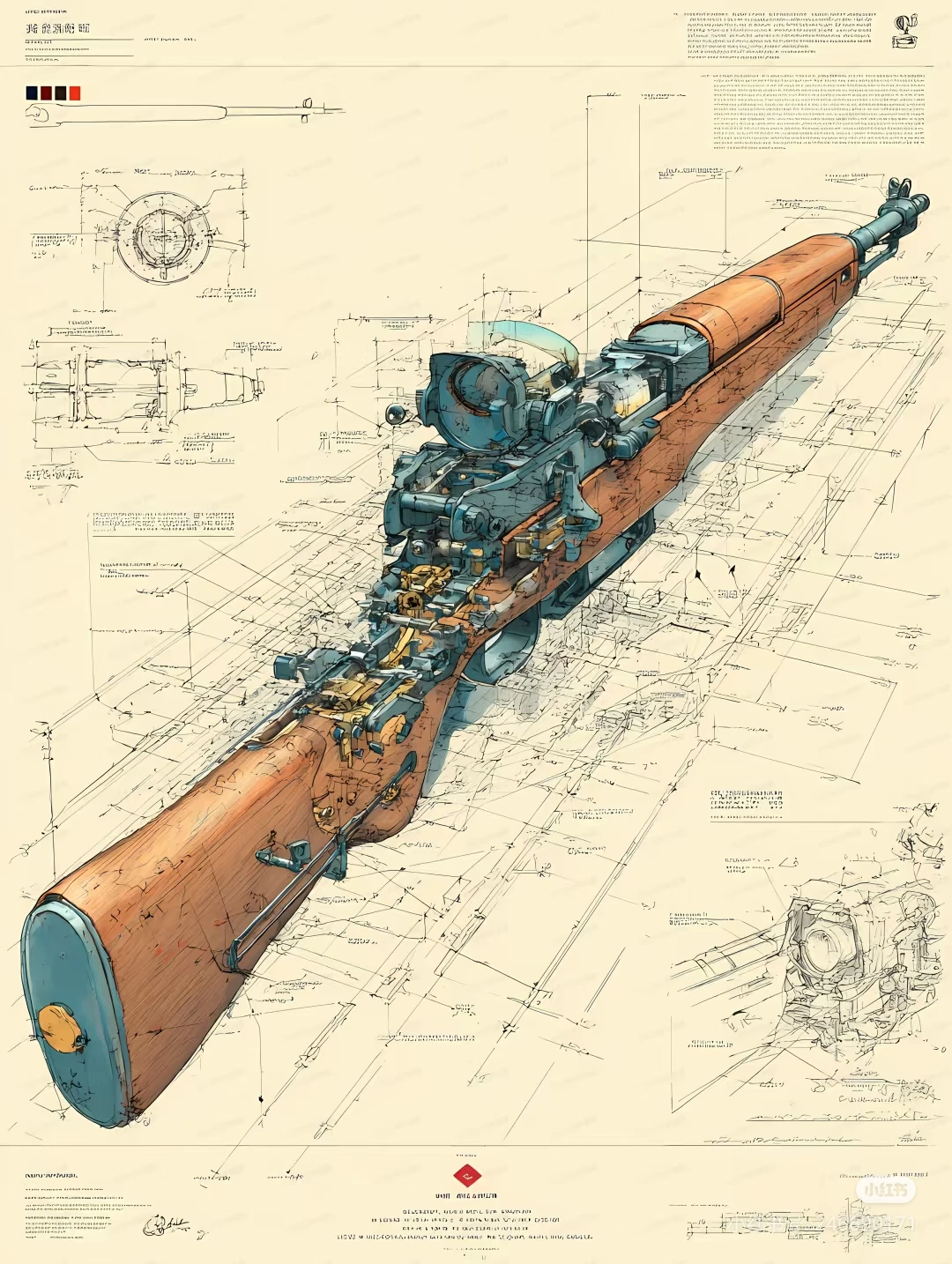
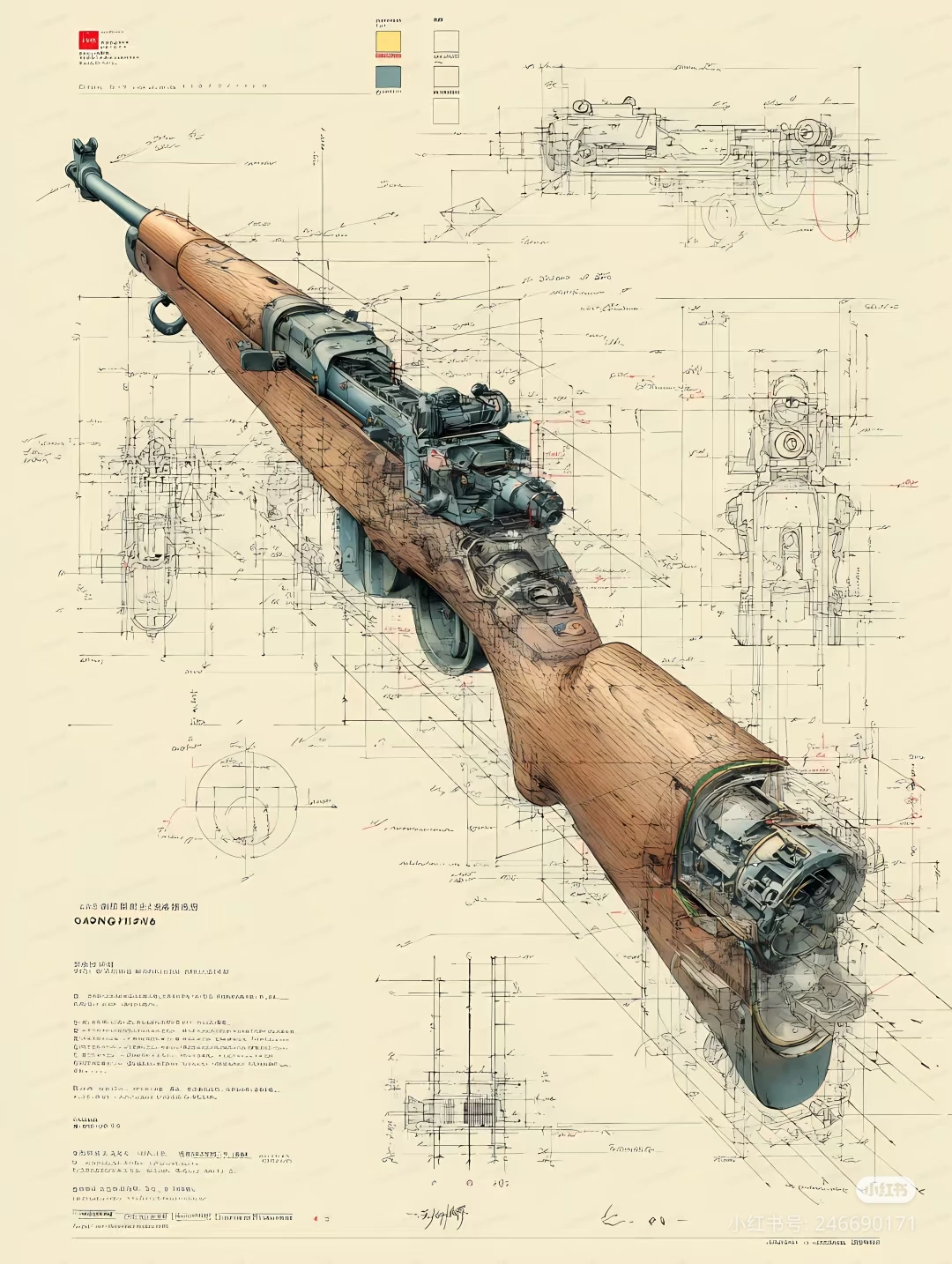
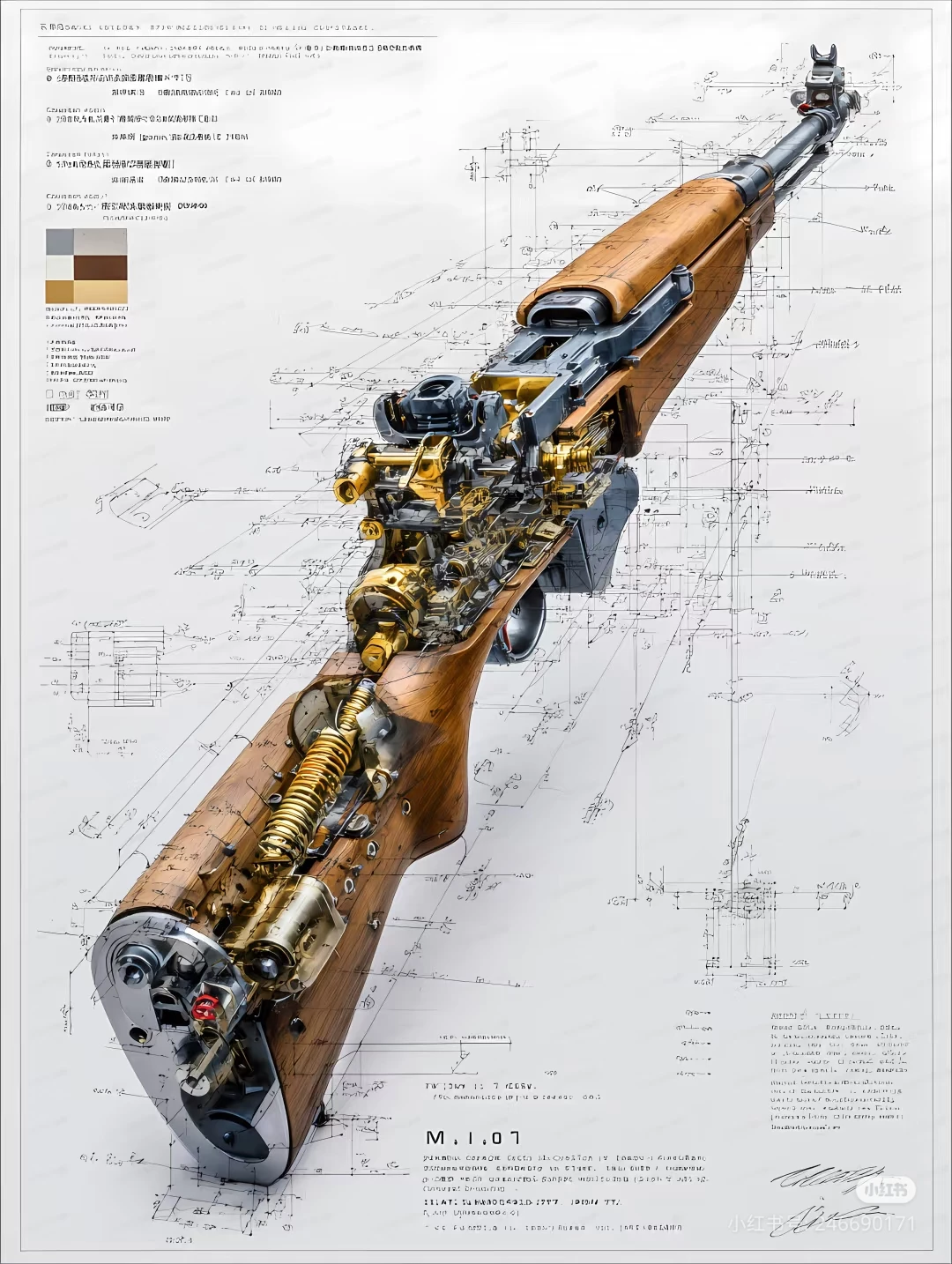
The firearm depicted in the image is the M1 Garand, a semi-automatic rifle that served as the standard infantry weapon for the United States during World War II and the Korean War. This rifle features a long barrel encased in a metal guard to prevent excessive heat buildup, paired with a traditional wooden stock that includes the grip and shoulder rest. The image provides a cross-sectional view, revealing the internal mechanism, including the chamber, bolt, and distinctive gas-operated system, where gases from the fired cartridge drive the bolt rearward to automatically load the next round.
Key components of the M1 Garand include the barrel with its muzzle and guard, a gas cylinder housing the piston, a clearly illustrated bolt and trigger mechanism, and an 8-round en-bloc clip (.30-06 Springfield) loaded from the top. The rifle is supported by a hardwood stock for strength and stability. It measures approximately 1.1 meters in length, weighs around 4.3 kg without ammunition, and offers an effective firing range of 450-500 meters, though it can reach further with reduced accuracy.
Additional features include technical sketches and annotations detailing dimensions and parts such as the "cartridge guide" and "trigger guard," along with a bayonet lug for attaching a bayonet when needed. Designed by John C. Garand and first produced in 1936 by Springfield Armory, the M1 Garand was widely used by U.S. forces until the late 1950s, when it was replaced by rifles such as the M14. The image, appearing as a technical illustration or 3D rendering, uses distinct colors (e.g., blue for metal, brown for wood) to highlight the internal structure, with detailed sketches and labels enhancing the educational value of the rifle's design.
Key components of the M1 Garand include the barrel with its muzzle and guard, a gas cylinder housing the piston, a clearly illustrated bolt and trigger mechanism, and an 8-round en-bloc clip (.30-06 Springfield) loaded from the top. The rifle is supported by a hardwood stock for strength and stability. It measures approximately 1.1 meters in length, weighs around 4.3 kg without ammunition, and offers an effective firing range of 450-500 meters, though it can reach further with reduced accuracy.
Additional features include technical sketches and annotations detailing dimensions and parts such as the "cartridge guide" and "trigger guard," along with a bayonet lug for attaching a bayonet when needed. Designed by John C. Garand and first produced in 1936 by Springfield Armory, the M1 Garand was widely used by U.S. forces until the late 1950s, when it was replaced by rifles such as the M14. The image, appearing as a technical illustration or 3D rendering, uses distinct colors (e.g., blue for metal, brown for wood) to highlight the internal structure, with detailed sketches and labels enhancing the educational value of the rifle's design.
5