#earn Acitivity : @erestu g/studio #FiestaAroundTheWorld…

5 reactions
#earn Acitivity :
#FiestaAroundTheWorld #CulturalCelebration
Q: 1. What do you call it in your country?
Ans: In my region, we call it a Festival or more specifically Cultural Day. It is widely known as a day dedicated to celebrating our rich heritage, traditions, and identity. In Sindh, this special occasion is recognized as Sindhi Cultural Day, and it holds a deep cultural and emotional significance for the people. It is not just an event, but a representation of pride in our history, language, and customs that have been passed down through generations.
Q: 2. How do you celebrate it?
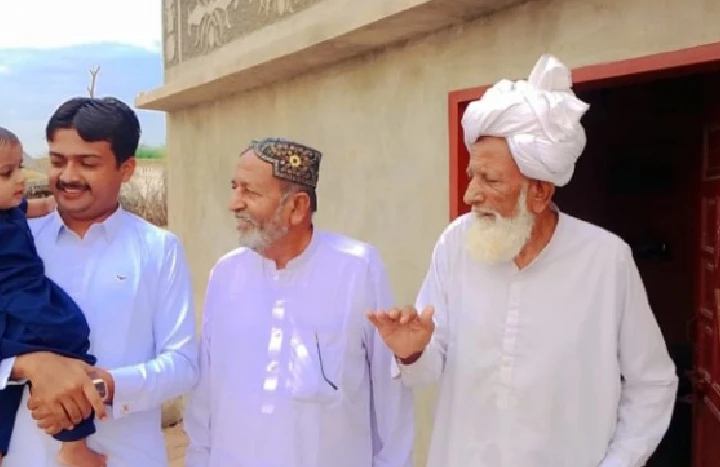
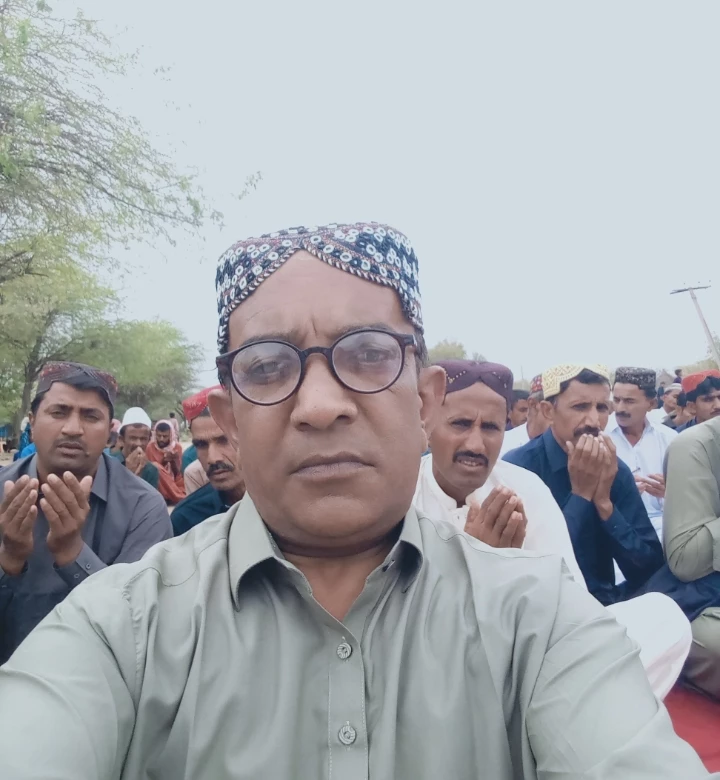
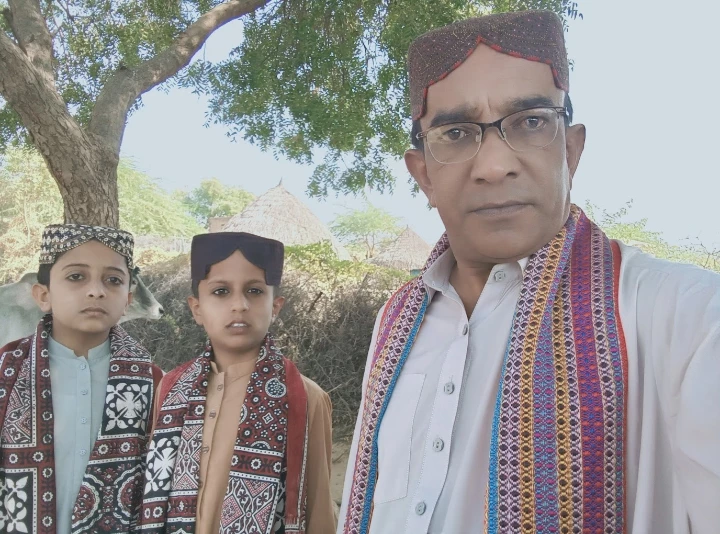
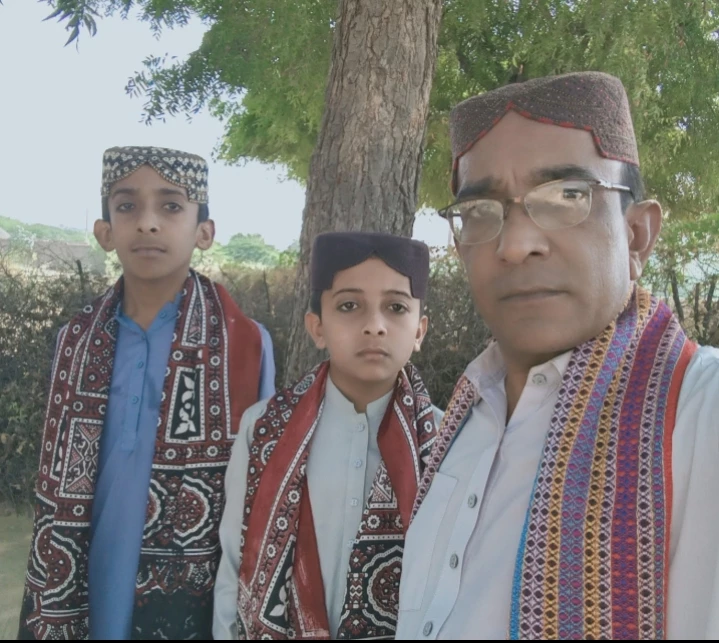
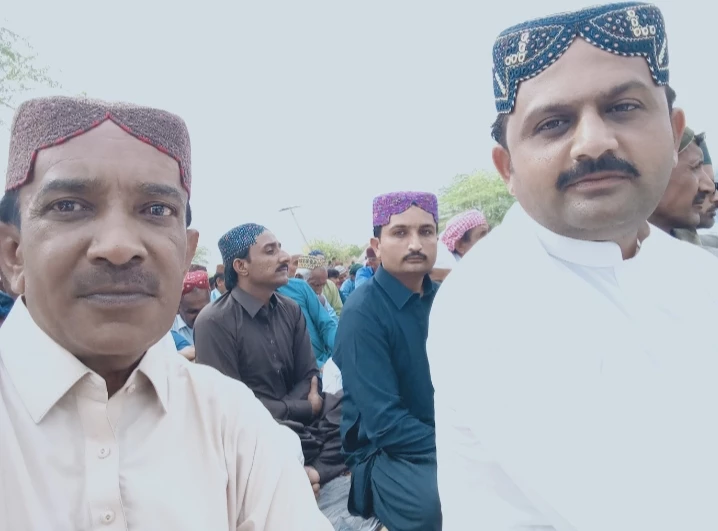
Ans: Cultural Day is celebrated with great enthusiasm and unity across cities, towns, and even small villages. People dress in traditional attire such as shalwar kameez, along with cultural symbols like the Ajrak (a beautifully patterned shawl) draped over the shoulders and the iconic Sindhi Topi or a turban (pagri/patka) worn on the head.
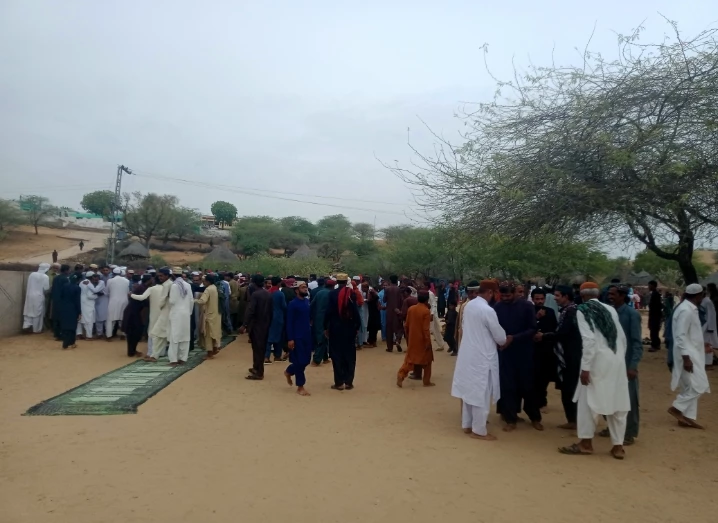
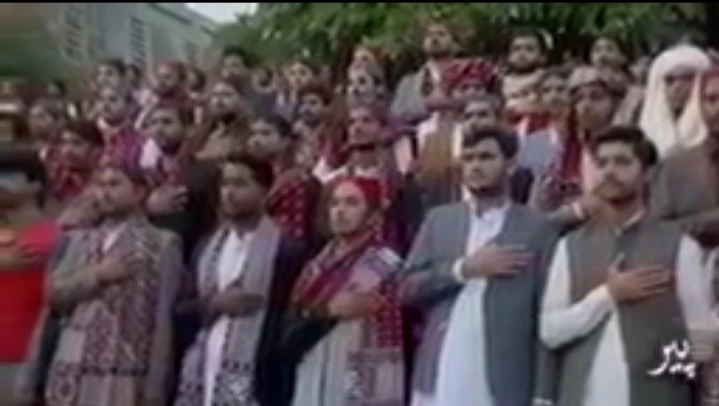
Large rallies and gatherings are organized throughout Sindh, where people from all walks of life participate with joy and pride. Streets come alive with colors, music, and cultural expressions. National and cultural songs are performed, highlighting the beauty and history of Sindh. Traditional dances are a key part of the celebration, where people perform together in groups, expressing happiness and unity.
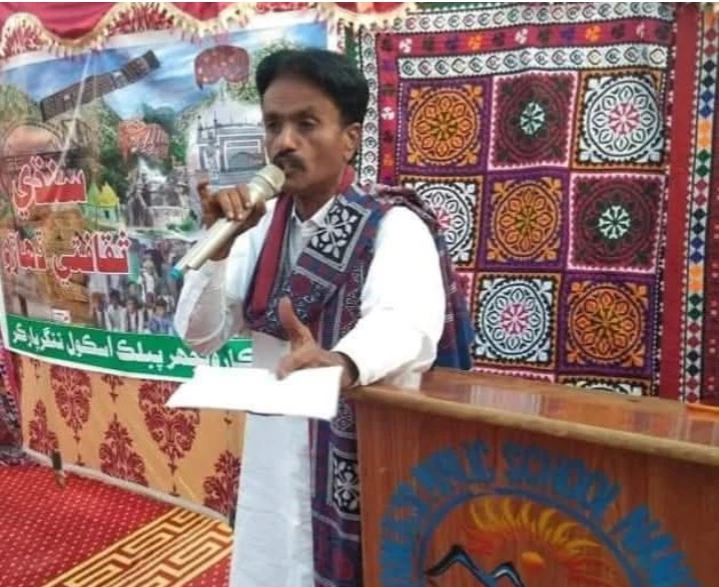
Speeches are also delivered by community leaders, artists, and intellectuals, focusing on the importance of preserving culture and promoting harmony. The celebrations often conclude with the famous folk song and dance “Ho Jamalo”, which brings everyone together in a joyful and energetic ending. This festival is celebrated every year on the first Sunday of December, making it a much-awaited annual event.
Q: 3. What does this celebration mean to you?
Ans: This celebration holds great personal and collective importance. It is more than just a festival—it is a symbol of identity, unity, and cultural pride. It reminds us of our roots and encourages us to keep our traditions alive in a rapidly changing world.
What makes it truly special is that it is celebrated beyond differences of color, race, religion, or background. It brings people together and strengthens the sense of belonging and brotherhood within the Sindhi community. For me, it represents peace, love, and unity, and it plays a vital role in creating harmony and solidarity among people.
#FiestaAroundTheWorld #CulturalCelebration
Q: 1. What do you call it in your country?
Ans: In my region, we call it a Festival or more specifically Cultural Day. It is widely known as a day dedicated to celebrating our rich heritage, traditions, and identity. In Sindh, this special occasion is recognized as Sindhi Cultural Day, and it holds a deep cultural and emotional significance for the people. It is not just an event, but a representation of pride in our history, language, and customs that have been passed down through generations.
Q: 2. How do you celebrate it?
Ans: Cultural Day is celebrated with great enthusiasm and unity across cities, towns, and even small villages. People dress in traditional attire such as shalwar kameez, along with cultural symbols like the Ajrak (a beautifully patterned shawl) draped over the shoulders and the iconic Sindhi Topi or a turban (pagri/patka) worn on the head.
Large rallies and gatherings are organized throughout Sindh, where people from all walks of life participate with joy and pride. Streets come alive with colors, music, and cultural expressions. National and cultural songs are performed, highlighting the beauty and history of Sindh. Traditional dances are a key part of the celebration, where people perform together in groups, expressing happiness and unity.
Speeches are also delivered by community leaders, artists, and intellectuals, focusing on the importance of preserving culture and promoting harmony. The celebrations often conclude with the famous folk song and dance “Ho Jamalo”, which brings everyone together in a joyful and energetic ending. This festival is celebrated every year on the first Sunday of December, making it a much-awaited annual event.
Q: 3. What does this celebration mean to you?
Ans: This celebration holds great personal and collective importance. It is more than just a festival—it is a symbol of identity, unity, and cultural pride. It reminds us of our roots and encourages us to keep our traditions alive in a rapidly changing world.
What makes it truly special is that it is celebrated beyond differences of color, race, religion, or background. It brings people together and strengthens the sense of belonging and brotherhood within the Sindhi community. For me, it represents peace, love, and unity, and it plays a vital role in creating harmony and solidarity among people.


2

2

1
| 14,000 mlx | |
| 18 | |
| 5 |
