📣 NEW CHALLENGE! #ClassicalComposers 🎼✍️🎹 1 user will #earn…

76 reactions
📣 NEW CHALLENGE! #ClassicalComposers 🎼✍️🎹
1 user will #earn 10,000,000 #millix
5 users will #earn 1,000,000 #millix
10 users will #earn 500,000 #millix
ℹ️ Instructions: Name a #ClassicalComposer . You must provide us with the name of the #composer and provide some information about them.
✨ If you add an image, you will get a #bonus ✨
1 submission per user. #Badgers only (verified + purchased badge) . If the #ClassicalComposer has already been submitted, you must choose another. We will spin the wheel by Sunday . Good luck!
1 user will #earn 10,000,000 #millix
5 users will #earn 1,000,000 #millix
10 users will #earn 500,000 #millix
ℹ️ Instructions: Name a #ClassicalComposer . You must provide us with the name of the #composer and provide some information about them.
✨ If you add an image, you will get a #bonus ✨
1 submission per user. #Badgers only (verified + purchased badge) . If the #ClassicalComposer has already been submitted, you must choose another. We will spin the wheel by Sunday . Good luck!


24

1

1
| 20,700,000 mlx | |
| 317 | |
| 76 |
comments

Joseph Haydn The Austrian composer Joseph Haydn was one of the most important figures in the development of the Classical style of music during the 18th century. He helped establish the forms and styles for the string quartet and symphony. Haydn was a prolific composer, and some of his most well-known works are Symphony No. 92 in G Major, Emperor Quartet, and Cello Concerto No. 2 in D Major. His compositions are often characterized as light, witty, and elegant.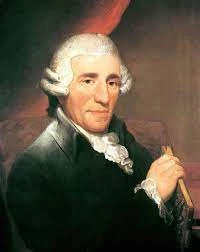


Frédéric Chopin
Frédéric François Chopin[n 1] (born Fryderyk Franciszek Chopin;1 March 1810 – 17 October 1849) was a Polish composer and virtuoso pianist of the Romantic period, who wrote primarily for solo piano. He has maintained worldwide renown as a leading musician of his era, one whose "poetic genius was based on a professional technique that was without equal in his generation".
Chopin was born in Żelazowa Wola in the Duchy of Warsaw and grew up in Warsaw, which in 1815 became part of Congress Poland. A child prodigy, he completed his musical education and composed his earlier works in Warsaw before leaving Poland at the age of 20, less than a month before the outbreak of the November 1830 Uprising. At 21, he settled in Paris. Thereafter – in the last 18 years of his life – he gave only 30 public performances, preferring the more intimate atmosphere of the salon. He supported himself by selling his compositions and by giving piano lessons, for which he was in high demand. Chopin formed a friendship with Franz Liszt and was admired by many of his other musical contemporaries, including Robert Schumann.
After a failed engagement to Maria Wodzińska from 1836 to 1837, he maintained an often troubled relationship with the French writer Aurore Dupin (known by her pen name George Sand). A brief and unhappy visit to Mallorca with Sand in 1838–39 would prove one of his most productive periods of composition. In his final years, he was supported financially by his admirer Jane Stirling, who also arranged for him to visit Scotland in 1848. For most of his life, Chopin was in poor health. He died in Paris in 1849 at the age of 39, probably of pericarditis aggravated by tuberculosis.
All of Chopin's compositions include the piano. They are mostly for solo piano, though he also wrote two piano concertos, some chamber music, and 19 songs set to Polish lyrics. His piano pieces are technically demanding and expanded the limits of the instrument; his own performances were noted for their nuance and sensitivity. Chopin's major piano works include mazurkas, waltzes, nocturnes, polonaises, the instrumental ballade (which Chopin created as an instrumental genre), études, impromptus, scherzi, preludes, and sonatas, some published only posthumously. Among the influences on his style of composition were Polish folk music, the classical tradition of J. S. Bach, Mozart, and Schubert, and the atmosphere of the Paris salons, of which he was a frequent guest. His innovations in style, harmony, and musical form, and his association of music with nationalism, were influential throughout and after the late Romantic period.
Chopin's music, his status as one of music's earliest celebrities, his indirect association with political insurrection, his high-profile love life, and his early death have made him a leading symbol of the Romantic era. His works remain popular, and he has been the subject of numerous films and biographies of varying historical fidelity. Among his many memorials is the Fryderyk Chopin Institute, which was created by the Parliament of Poland to research and promote his life and works. It hosts the International Chopin Piano Competition, a prestigious competition devoted entirely to his works.
life
Fryderyk Chopin was born in Żelazowa Wola, 46 kilometres (29 miles) west of Warsaw, in what was then the Duchy of Warsaw, a Polish state established by Napoleon. The parish baptismal record, which is dated 23 April 1810, gives his birthday as 22 February 1810, and cites his given names in the Latin form Fridericus Franciscus (in Polish, he was Fryderyk Franciszek). However, the composer and his family used the birthdate 1 March which is now generally accepted as the correct date.
His father, Nicolas Chopin, was a Frenchman from Lorraine who had emigrated to Poland in 1787 at the age of sixteen. ] He married Justyna Krzyżanowska, a poor relative of the Skarbeks, one of the families for whom he worked. Chopin was baptised in the same church where his parents had married, in Brochów. His eighteen-year-old godfather, for whom he was named, was Fryderyk Skarbek, a pupil of Nicolas Chopin. Chopin was the second child of Nicholas and Justyna and their only son; he had an elder sister, Ludwika (1807–1855), and two younger sisters, Izabela (1811–1881) and Emilia (1812–1827), whose death at the age of 14 was probably from tuberculosis Nicolas Chopin was devoted to his adopted homeland, and insisted on the use of the Polish language in the household
n October 1810, six months after Chopin's birth, the family moved to Warsaw, where his father acquired a post teaching French at the Warsaw Lyceum, then housed in the Saxon Palace. Chopin lived with his family in the Palace grounds. The father played the flute and violin; the mother played the piano and gave lessons to boys in the boarding house that the Chopins kept. Chopin was of slight build, and even in early childhood was prone to illnesses.
Frédéric François Chopin[n 1] (born Fryderyk Franciszek Chopin;1 March 1810 – 17 October 1849) was a Polish composer and virtuoso pianist of the Romantic period, who wrote primarily for solo piano. He has maintained worldwide renown as a leading musician of his era, one whose "poetic genius was based on a professional technique that was without equal in his generation".
Chopin was born in Żelazowa Wola in the Duchy of Warsaw and grew up in Warsaw, which in 1815 became part of Congress Poland. A child prodigy, he completed his musical education and composed his earlier works in Warsaw before leaving Poland at the age of 20, less than a month before the outbreak of the November 1830 Uprising. At 21, he settled in Paris. Thereafter – in the last 18 years of his life – he gave only 30 public performances, preferring the more intimate atmosphere of the salon. He supported himself by selling his compositions and by giving piano lessons, for which he was in high demand. Chopin formed a friendship with Franz Liszt and was admired by many of his other musical contemporaries, including Robert Schumann.
After a failed engagement to Maria Wodzińska from 1836 to 1837, he maintained an often troubled relationship with the French writer Aurore Dupin (known by her pen name George Sand). A brief and unhappy visit to Mallorca with Sand in 1838–39 would prove one of his most productive periods of composition. In his final years, he was supported financially by his admirer Jane Stirling, who also arranged for him to visit Scotland in 1848. For most of his life, Chopin was in poor health. He died in Paris in 1849 at the age of 39, probably of pericarditis aggravated by tuberculosis.
All of Chopin's compositions include the piano. They are mostly for solo piano, though he also wrote two piano concertos, some chamber music, and 19 songs set to Polish lyrics. His piano pieces are technically demanding and expanded the limits of the instrument; his own performances were noted for their nuance and sensitivity. Chopin's major piano works include mazurkas, waltzes, nocturnes, polonaises, the instrumental ballade (which Chopin created as an instrumental genre), études, impromptus, scherzi, preludes, and sonatas, some published only posthumously. Among the influences on his style of composition were Polish folk music, the classical tradition of J. S. Bach, Mozart, and Schubert, and the atmosphere of the Paris salons, of which he was a frequent guest. His innovations in style, harmony, and musical form, and his association of music with nationalism, were influential throughout and after the late Romantic period.
Chopin's music, his status as one of music's earliest celebrities, his indirect association with political insurrection, his high-profile love life, and his early death have made him a leading symbol of the Romantic era. His works remain popular, and he has been the subject of numerous films and biographies of varying historical fidelity. Among his many memorials is the Fryderyk Chopin Institute, which was created by the Parliament of Poland to research and promote his life and works. It hosts the International Chopin Piano Competition, a prestigious competition devoted entirely to his works.
life
Fryderyk Chopin was born in Żelazowa Wola, 46 kilometres (29 miles) west of Warsaw, in what was then the Duchy of Warsaw, a Polish state established by Napoleon. The parish baptismal record, which is dated 23 April 1810, gives his birthday as 22 February 1810, and cites his given names in the Latin form Fridericus Franciscus (in Polish, he was Fryderyk Franciszek). However, the composer and his family used the birthdate 1 March which is now generally accepted as the correct date.
His father, Nicolas Chopin, was a Frenchman from Lorraine who had emigrated to Poland in 1787 at the age of sixteen. ] He married Justyna Krzyżanowska, a poor relative of the Skarbeks, one of the families for whom he worked. Chopin was baptised in the same church where his parents had married, in Brochów. His eighteen-year-old godfather, for whom he was named, was Fryderyk Skarbek, a pupil of Nicolas Chopin. Chopin was the second child of Nicholas and Justyna and their only son; he had an elder sister, Ludwika (1807–1855), and two younger sisters, Izabela (1811–1881) and Emilia (1812–1827), whose death at the age of 14 was probably from tuberculosis Nicolas Chopin was devoted to his adopted homeland, and insisted on the use of the Polish language in the household
n October 1810, six months after Chopin's birth, the family moved to Warsaw, where his father acquired a post teaching French at the Warsaw Lyceum, then housed in the Saxon Palace. Chopin lived with his family in the Palace grounds. The father played the flute and violin; the mother played the piano and gave lessons to boys in the boarding house that the Chopins kept. Chopin was of slight build, and even in early childhood was prone to illnesses.
Alban Maria Johannes Berg (/bɛərɡ/ BAIRG,[1] German: [ˈalbaːn ˈbɛʁk]; 9 February 1885 – 24 December 1935) was an Austrian composer of the Second Viennese School. His compositional style combined Romantic lyricism with the twelve-tone technique.[2] Although he left a relatively small oeuvre, he is remembered as one of the most important composers of the 20th century for his expressive style encompassing "entire worlds of emotion and structure".[3]
Berg was born and lived in Vienna. He began to compose only at the age of fifteen. He studied counterpoint, music theory and harmony with Arnold Schoenberg between 1904 and 1911, and adopted his principles of developing variation and the twelve-tone technique. Berg's major works include the operas Wozzeck (1924) and Lulu (1935, finished posthumously), the chamber pieces Lyric Suite and Chamber Concerto, as well as a Violin Concerto. He also composed a number of songs (lieder). He is said to have brought more "human values" to the twelve-tone system, his works seen as more "emotional" than Schoenberg's.[4] His music had a surface glamour that won him admirers when Schoenberg himself had few.[5]
Berg died from sepsis in 1935.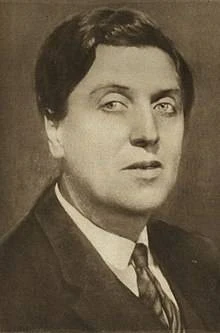
Berg was born and lived in Vienna. He began to compose only at the age of fifteen. He studied counterpoint, music theory and harmony with Arnold Schoenberg between 1904 and 1911, and adopted his principles of developing variation and the twelve-tone technique. Berg's major works include the operas Wozzeck (1924) and Lulu (1935, finished posthumously), the chamber pieces Lyric Suite and Chamber Concerto, as well as a Violin Concerto. He also composed a number of songs (lieder). He is said to have brought more "human values" to the twelve-tone system, his works seen as more "emotional" than Schoenberg's.[4] His music had a surface glamour that won him admirers when Schoenberg himself had few.[5]
Berg died from sepsis in 1935.
Jakob Ludwig Felix Mendelssohn Bartholdy[n 1] (3 February 1809 – 4 November 1847), born and widely known as Felix Mendelssohn,[n 2] was a German composer, pianist, organist and conductor of the early Romantic period. Mendelssohn's compositions include symphonies, concertos, piano music, organ music and chamber music. His best-known works include the overture and incidental music for A Midsummer Night's Dream (which includes his "Wedding March"), the Italian Symphony, the Scottish Symphony, the oratorio St. Paul, the oratorio Elijah, the overture The Hebrides, the mature Violin Concerto and the String Octet. The melody for the Christmas carol "Hark! The Herald Angels Sing" is also his. Mendelssohn's Songs Without Words are his most famous solo piano compositions.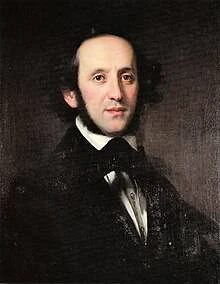

Franz Peter Schubert (German: [fʁants ˈpeːtɐ ˈʃuːbɐt]; 31 January 1797 – 19 November 1828) was an Austrian composer of the late Classical and early Romantic eras. Despite his short life, Schubert left behind a vast oeuvre, including more than 600 secular vocal works (mainly lieder), seven complete symphonies, sacred music, operas, incidental music, and a large body of piano and chamber music. His major works include the art song "Erlkönig" , the Piano Trout Quintet in A major, the unfinished Symphony No. 8 in B minor, the "Great" Symphony No. 9 in C major, a String Quintet, the three last piano sonatas, the opera Fierrabras, the incidental music to the play Rosamunde, and the song cycles Die schöne Müllerin and Winterreise.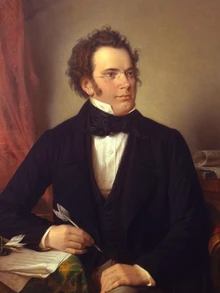
Composer of the Week: Wolfgang Amadeus Mozart
Musical Genius: Wolfgang Amadeus Mozart
Wolfgang Amadeus Mozart, a name synonymous with musical brilliance, left an indelible mark on the world of classical music. Born in 1756 in Salzburg, Austria, Mozart displayed exceptional musical talent from a young age.
Renowned for his prodigious abilities as a composer and performer, Mozart composed over 600 works in his short life, including symphonies, concertos, operas, and chamber music. His compositions are characterized by their beauty, complexity, and emotional depth.
Did you know? Mozart began composing music at the age of five and embarked on extensive European tours as a child prodigy. His extraordinary talent continues to inspire generations of musicians and music lovers worldwide.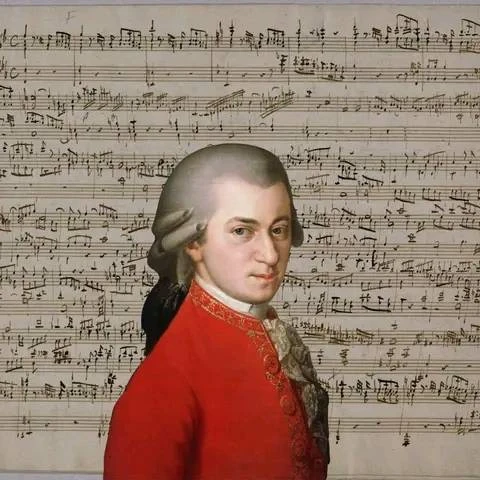
Musical Genius: Wolfgang Amadeus Mozart
Wolfgang Amadeus Mozart, a name synonymous with musical brilliance, left an indelible mark on the world of classical music. Born in 1756 in Salzburg, Austria, Mozart displayed exceptional musical talent from a young age.
Renowned for his prodigious abilities as a composer and performer, Mozart composed over 600 works in his short life, including symphonies, concertos, operas, and chamber music. His compositions are characterized by their beauty, complexity, and emotional depth.
Did you know? Mozart began composing music at the age of five and embarked on extensive European tours as a child prodigy. His extraordinary talent continues to inspire generations of musicians and music lovers worldwide.

Claudio Monteverdi (1567-1643)
Composing in the later Renaissance and early Baroque era, Monteverdi made a great impression in two musical forms of his time – one nascent, the other already centuries old. On the one hand, Monteverdi wrote the first masterpieces in the still-new form of opera. The new style mixing music and speech has originated in Florence in around 1600, but Monteverdi's Orfeo, first performed in 1607, was opera's first true masterpiece.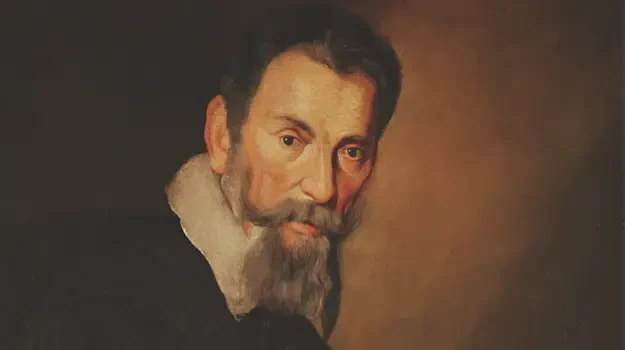
Composing in the later Renaissance and early Baroque era, Monteverdi made a great impression in two musical forms of his time – one nascent, the other already centuries old. On the one hand, Monteverdi wrote the first masterpieces in the still-new form of opera. The new style mixing music and speech has originated in Florence in around 1600, but Monteverdi's Orfeo, first performed in 1607, was opera's first true masterpiece.
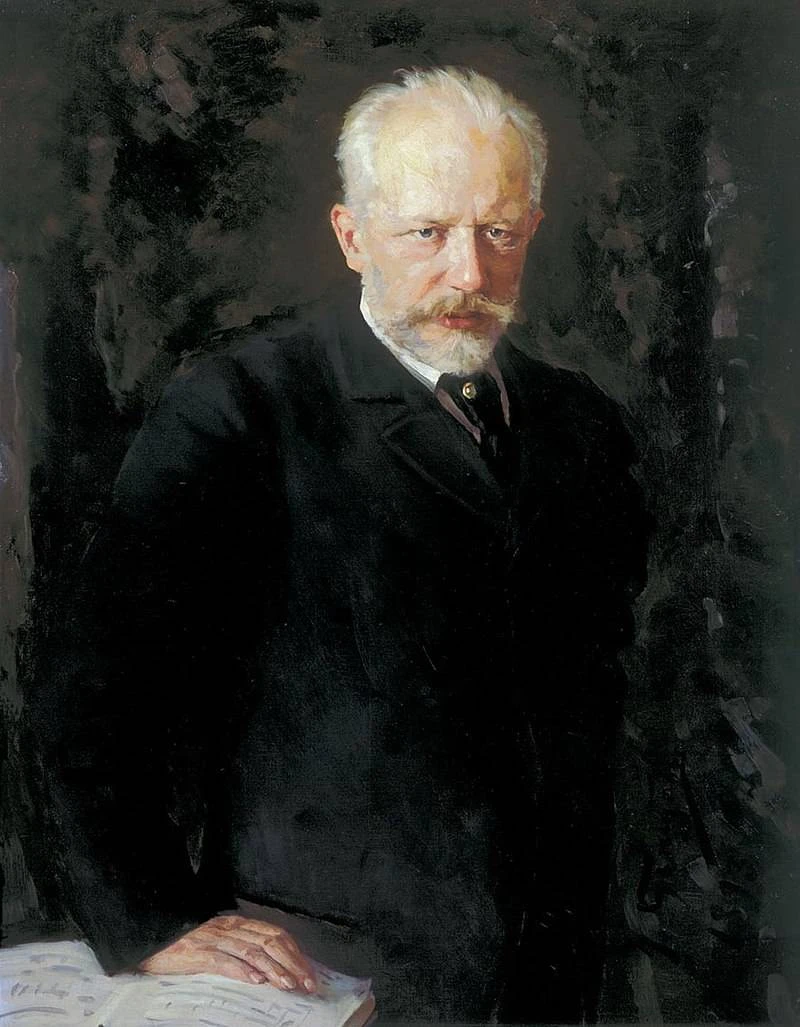
Pyotr Ilyich Tchaikovsky, Tchaikovsky also spelled Chaikovsky, Chaikovskii, or Tschaikowsky, name in full Anglicized as Peter Ilich Tchaikovsky, (born April 25 [May 7, New Style], 1840, Votkinsk, Russia—died October 25 [November 6], 1893, St. Petersburg), the most popular Russian composer of all time. His music has always had great appeal for the general public in virtue of its tuneful, open-hearted melodies, impressive harmonies, and colourful, picturesque orchestration, all of which evoke a profound emotional response. His oeuvre includes 7 symphonies, 11 operas, 3 ballets, 5 suites, 3 piano concertos, a violin concerto, 11 overtures (strictly speaking, 3 overtures and 8 single movement programmatic orchestral works), 4 cantatas, 20 choral works, 3 string quartets, a string sextet, and more than 100 songs and piano pieces.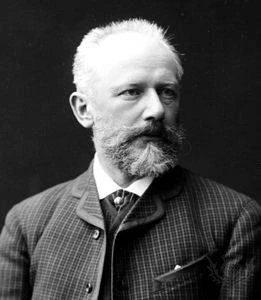
Juan Leovigildo Brouwer Mesquida (Havana, March 1, 1939), better known as Leo Brouwer, is a Cuban composer, guitarist and conductor.
He started playing the guitar at the age of 13, attracted by the flamenco sound and motivated by his father Juan Brouwer, who was a doctor and amateur guitarist. His first real teacher was Isaac Nicola, who was a student of Emilio Pujol, in turn a student of Francisco Tárrega. He gave his first recital at the age of 17, although by this time his compositions were already attracting attention. Prelude (1956) and Fugue (1959), both influenced by Bartok and Stravinsky, show his early understanding of non-guitar music. He travels to the United States to study music at the University of Hartford and later at the Juilliard School, where Stefan Wolpe teaches him composition.
Commandeur des Arts et Lettres (France, 2018). He is an Honorary Member of the American Academy of Arts and Letters (United States, 2019), an Honorary Member of the UNESCO CIM, the Italo-Latin American Institute, the Society of Composers and Authors of Italy, the Granada Academy of Fine Arts , Corresponding Academician of the Royal Academy of Sciences, Fine Arts and Noble Letters of Córdoba, Spain, Numerary Member of the Cuban Academy of Language and Ambassador of the Latin Music Institute, among other memberships in prestigious international institutions.
Due to his intense work as a composer, orchestra director, guitarist, researcher, educator and cultural promoter, Brouwer is among the most recognized musicians of the moment. Suffice it to mention his work in the direction in Cuba of the first music departments of the ICAIC (1960) and the Musical Theater of Havana (1962); in the founding and direction of the ICAIC Sound Experimentation Group (1968); as Guest Composer at the Berlin Academy of Sciences and Arts (DAAD, 1970), conducting more than one hundred and twenty symphony orchestras and chamber ensembles from all over the world; in participating as a jury in numerous international guitar, composition and orchestral conducting competitions; in having a discography with his music that exceeds 850 records and a catalog of more than three hundred and fifty works that covers almost all genres and musical forms; in his work as artistic director of the Carrefour Mondial de la Guitare (Martinique, France overseas, 1976-2001); principal conductor of the Orchestra of Córdoba, Spain (1992-2001) and general director of the National Symphony Orchestra of Cuba (1981-2003).
He has more than three hundred international artistic and academic distinctions, among them: the “Manuel de Falla” Award (Andalusia, Spain, 1998); the title Doctor Honoris Causa at the University of the Arts (ISA) in Havana and at the University of Santiago de Chile; the MIDEM Classical Awards (Cannes, 2003) with his Helsinki Concerto for guitar and orchestra; the Pablo Neruda Order (Santiago de Chile, 2007), the Goffredo Petrassi Composition Award (Zagarolo, 2008), the National Music Award in its first edition (Cuba, 1999); the National Film Award (Cuba, 2009); the Tomás Luis de Victoria Ibero-American Music Award (SGAE, Spain, 2010) and two Latin Grammys (in 2010, for the entirety of his string quartets and in 2017 with his work Sonata del Decameron Negro, no. 3 for guitar ).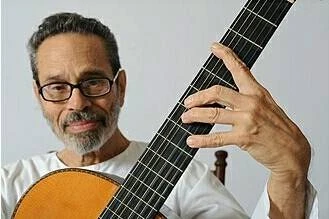
He started playing the guitar at the age of 13, attracted by the flamenco sound and motivated by his father Juan Brouwer, who was a doctor and amateur guitarist. His first real teacher was Isaac Nicola, who was a student of Emilio Pujol, in turn a student of Francisco Tárrega. He gave his first recital at the age of 17, although by this time his compositions were already attracting attention. Prelude (1956) and Fugue (1959), both influenced by Bartok and Stravinsky, show his early understanding of non-guitar music. He travels to the United States to study music at the University of Hartford and later at the Juilliard School, where Stefan Wolpe teaches him composition.
Commandeur des Arts et Lettres (France, 2018). He is an Honorary Member of the American Academy of Arts and Letters (United States, 2019), an Honorary Member of the UNESCO CIM, the Italo-Latin American Institute, the Society of Composers and Authors of Italy, the Granada Academy of Fine Arts , Corresponding Academician of the Royal Academy of Sciences, Fine Arts and Noble Letters of Córdoba, Spain, Numerary Member of the Cuban Academy of Language and Ambassador of the Latin Music Institute, among other memberships in prestigious international institutions.
Due to his intense work as a composer, orchestra director, guitarist, researcher, educator and cultural promoter, Brouwer is among the most recognized musicians of the moment. Suffice it to mention his work in the direction in Cuba of the first music departments of the ICAIC (1960) and the Musical Theater of Havana (1962); in the founding and direction of the ICAIC Sound Experimentation Group (1968); as Guest Composer at the Berlin Academy of Sciences and Arts (DAAD, 1970), conducting more than one hundred and twenty symphony orchestras and chamber ensembles from all over the world; in participating as a jury in numerous international guitar, composition and orchestral conducting competitions; in having a discography with his music that exceeds 850 records and a catalog of more than three hundred and fifty works that covers almost all genres and musical forms; in his work as artistic director of the Carrefour Mondial de la Guitare (Martinique, France overseas, 1976-2001); principal conductor of the Orchestra of Córdoba, Spain (1992-2001) and general director of the National Symphony Orchestra of Cuba (1981-2003).
He has more than three hundred international artistic and academic distinctions, among them: the “Manuel de Falla” Award (Andalusia, Spain, 1998); the title Doctor Honoris Causa at the University of the Arts (ISA) in Havana and at the University of Santiago de Chile; the MIDEM Classical Awards (Cannes, 2003) with his Helsinki Concerto for guitar and orchestra; the Pablo Neruda Order (Santiago de Chile, 2007), the Goffredo Petrassi Composition Award (Zagarolo, 2008), the National Music Award in its first edition (Cuba, 1999); the National Film Award (Cuba, 2009); the Tomás Luis de Victoria Ibero-American Music Award (SGAE, Spain, 2010) and two Latin Grammys (in 2010, for the entirety of his string quartets and in 2017 with his work Sonata del Decameron Negro, no. 3 for guitar ).
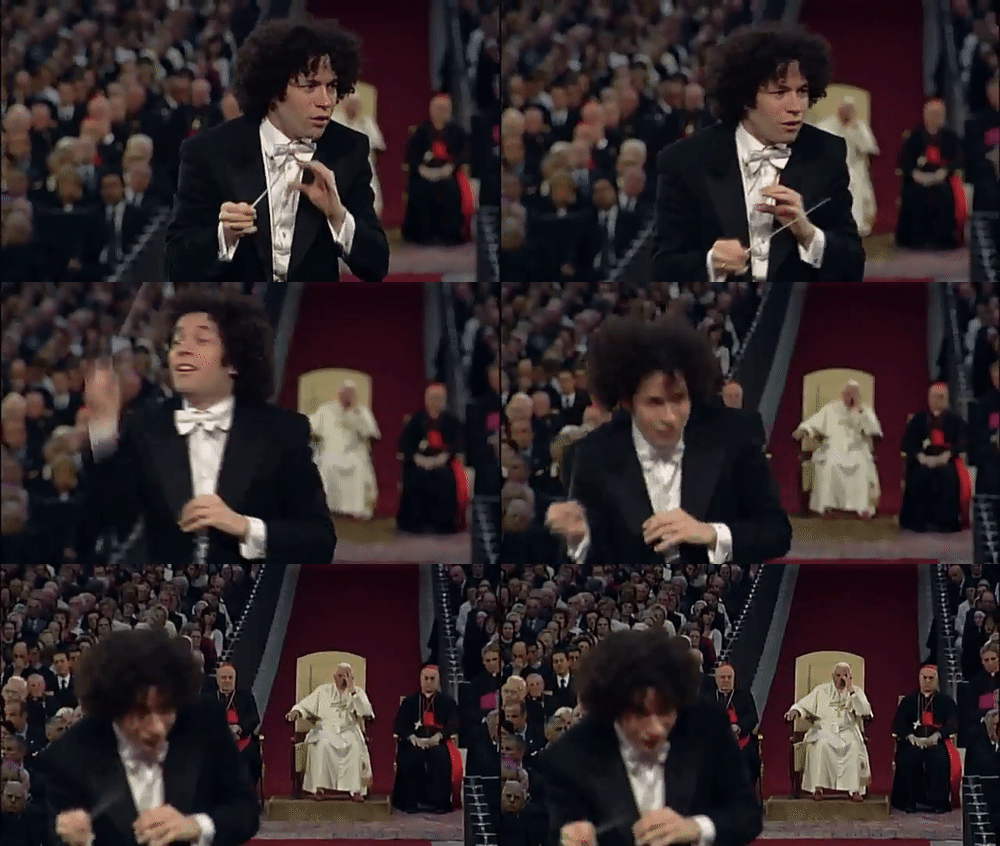
Gustavo Adolfo Dudamel Ramírez OL • OFM (Barquisimeto, January 26, 1981) is a Venezuelan musician, composer and conductor. He is the current director of the Paris Opera. Due to his numerous milestones, achievements and musical influence, he is considered the most internationally influential Spanish-speaking conductor of modern times.1 He has also conducted the Los Angeles Philharmonic Orchestra2 and the Simón Bolívar Symphony Orchestra,3 having won four Grammy Awards for his music albums.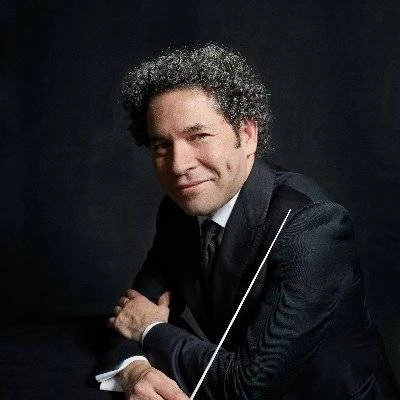
Joseph Bologne was a virtuoso violinist whose talents shined despite slavery laws and racism in Parisian society during the late 1700s. Named Chevalier de Saint Georges under the reign of Louis XVI and Marie Antoinette, Bologne is one of the first known classical music composers of African descent. He created operas, symphonies, sonatas, and more.
The recent release of the film Chevalier offers a glimpse into his life, introduces the artist to new generations, and helps to restore his legacy in history. Bologne (1745–1799) was born in the French Caribbean colony of Guadeloupe to an enslaved mother and white plantation owner father. Bologne was sent to school in France where he received the formal education of a wealthy nobleman. His excellence influenced fellow composers of his day such as Wolfgang Amadeus Mozart and inspired authors including Alexandre Dumas. Chevalier de Saint-George was also a renowned fencer, abolitionist, supporter of the French Revolution, and colonel of the famous Légion Saint-Georges, an all-black military regiment.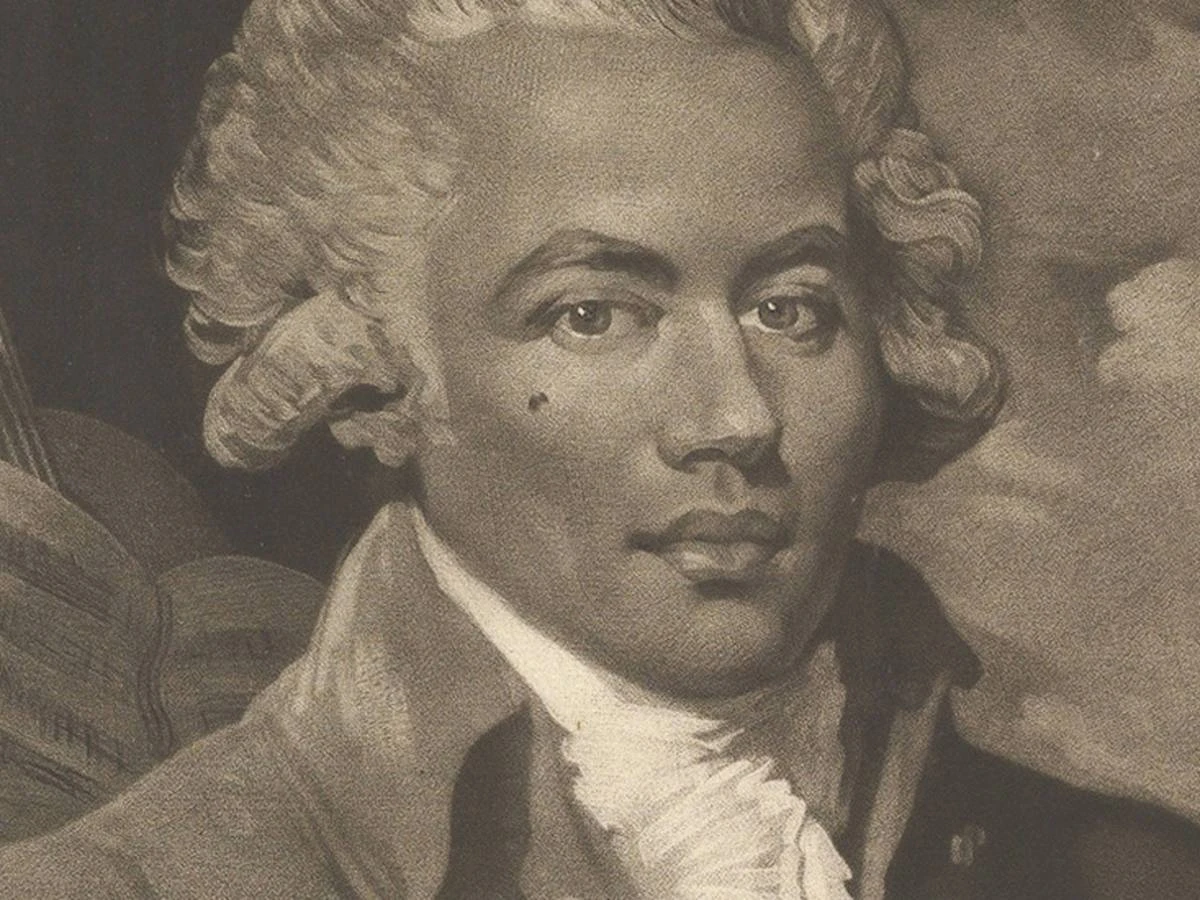
The recent release of the film Chevalier offers a glimpse into his life, introduces the artist to new generations, and helps to restore his legacy in history. Bologne (1745–1799) was born in the French Caribbean colony of Guadeloupe to an enslaved mother and white plantation owner father. Bologne was sent to school in France where he received the formal education of a wealthy nobleman. His excellence influenced fellow composers of his day such as Wolfgang Amadeus Mozart and inspired authors including Alexandre Dumas. Chevalier de Saint-George was also a renowned fencer, abolitionist, supporter of the French Revolution, and colonel of the famous Légion Saint-Georges, an all-black military regiment.
Antonio Vivaldi
Antonio Lucio Vivaldi ](4 March 1678 – 28 July 1741) was an Italian composer, virtuoso violinist and impresario of Baroque music. Along with Johann Sebastian Bach and George Frideric Handel, Vivaldi ranks amongst the greatest Baroque composers and his influence during his lifetime was widespread across Europe, giving origin to many imitators and admirers. He pioneered many developments in orchestration, violin technique and programmatic music. He consolidated the emerging concerto form into a widely accepted and followed idiom.
Vivaldi composed many instrumental concertos, for the violin and a variety of other musical instruments, as well as sacred choral works and more than fifty operas. His best-known work is a series of violin concertos known as the Four Seasons. Many of his compositions were written for the all-female music ensemble of the Ospedale della Pietà, a home for abandoned children. Vivaldi began studying for the priesthood at the age of 15 and was ordained at 25, but was given dispensation to no longer say public Masses due to a health problem. Vivaldi also had some success with expensive stagings of his operas in Venice, Mantua and Vienna. After meeting the Emperor Charles VI, Vivaldi moved to Vienna, hoping for royal support. However, the Emperor died soon after Vivaldi's arrival, and Vivaldi himself died in poverty less than a year later.
After almost two centuries of decline, Vivaldi's musical reputation underwent a revival in the early 20th century, with much scholarly research devoted to his work. Many of Vivaldi's compositions, once thought lost, have been rediscovered – in one case as recently as 2006. His music remains widely popular in the present day and is regularly played all over the world.
Birth and background
Antonio Lucio Vivaldi was born on 4 March 1678 in Venice, then the capital of the Republic of Venice He was son of Giovanni Battista Vivaldi and Camilla Calicchio, as recorded in the register of San Giovanni in Bragora
He was baptized immediately after his birth at his home by the midwife, the reason for which has led to speculation. Most likely it was done due either to his poor health or to an earthquake that supposedly struck the city that day. In the trauma of the earthquake, Vivaldi's mother may have dedicated him to the priesthood However, there was no earthquake on the day Vivaldi was born, and this rumor may originate from an earthquake that struck Venice on April 17, 1688. The ceremonies which had been omitted were supplied two months later
Vivaldi had five known siblings: Bonaventura Tomaso, Margarita Gabriela, Cecilia Maria, Francesco Gaetano, and Zanetta Anna.[12] Vivaldi's health was problematic. One of his symptoms, strettezza di petto ("tightness of the chest"), has been interpreted as a form of asthma This did not prevent him from learning to play the violin, composing, or taking part in musical activities, although it did stop him from playing wind instruments.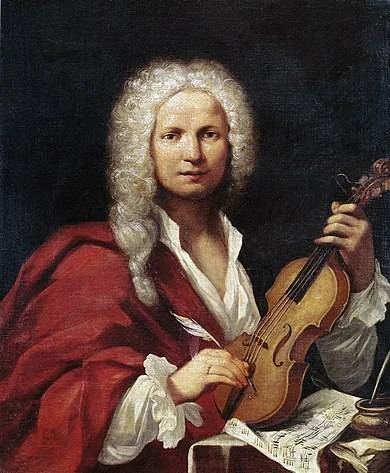
Antonio Lucio Vivaldi ](4 March 1678 – 28 July 1741) was an Italian composer, virtuoso violinist and impresario of Baroque music. Along with Johann Sebastian Bach and George Frideric Handel, Vivaldi ranks amongst the greatest Baroque composers and his influence during his lifetime was widespread across Europe, giving origin to many imitators and admirers. He pioneered many developments in orchestration, violin technique and programmatic music. He consolidated the emerging concerto form into a widely accepted and followed idiom.
Vivaldi composed many instrumental concertos, for the violin and a variety of other musical instruments, as well as sacred choral works and more than fifty operas. His best-known work is a series of violin concertos known as the Four Seasons. Many of his compositions were written for the all-female music ensemble of the Ospedale della Pietà, a home for abandoned children. Vivaldi began studying for the priesthood at the age of 15 and was ordained at 25, but was given dispensation to no longer say public Masses due to a health problem. Vivaldi also had some success with expensive stagings of his operas in Venice, Mantua and Vienna. After meeting the Emperor Charles VI, Vivaldi moved to Vienna, hoping for royal support. However, the Emperor died soon after Vivaldi's arrival, and Vivaldi himself died in poverty less than a year later.
After almost two centuries of decline, Vivaldi's musical reputation underwent a revival in the early 20th century, with much scholarly research devoted to his work. Many of Vivaldi's compositions, once thought lost, have been rediscovered – in one case as recently as 2006. His music remains widely popular in the present day and is regularly played all over the world.
Birth and background
Antonio Lucio Vivaldi was born on 4 March 1678 in Venice, then the capital of the Republic of Venice He was son of Giovanni Battista Vivaldi and Camilla Calicchio, as recorded in the register of San Giovanni in Bragora
He was baptized immediately after his birth at his home by the midwife, the reason for which has led to speculation. Most likely it was done due either to his poor health or to an earthquake that supposedly struck the city that day. In the trauma of the earthquake, Vivaldi's mother may have dedicated him to the priesthood However, there was no earthquake on the day Vivaldi was born, and this rumor may originate from an earthquake that struck Venice on April 17, 1688. The ceremonies which had been omitted were supplied two months later
Vivaldi had five known siblings: Bonaventura Tomaso, Margarita Gabriela, Cecilia Maria, Francesco Gaetano, and Zanetta Anna.[12] Vivaldi's health was problematic. One of his symptoms, strettezza di petto ("tightness of the chest"), has been interpreted as a form of asthma This did not prevent him from learning to play the violin, composing, or taking part in musical activities, although it did stop him from playing wind instruments.
Sir Edward William Elgar, 1st Baronet, OM, GCVO (2 June 1857 – 23 February 1934) was an English composer, many of whose works have entered the British and international classical concert repertoire. Among his best-known compositions are orchestral works including the Enigma Variations, the Pomp and Circumstance Marches, concertos for violin and cello, and two symphonies. He also composed choral works, including The Dream of Gerontius, chamber music and songs. He was appointed Master of the King's Musick in 1924.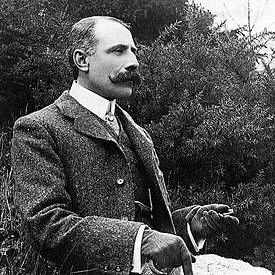
Edvard Hagerup Grieg (15 June 1843 – 4 September 1907) was a Norwegian composer and pianist. He is widely considered one of the leading Romantic era composers, and his music is part of the standard classical repertoire worldwide. His use of Norwegian folk music in his own compositions brought the music of Norway to fame, as well as helping to develop a national identity, much as Jean Sibelius did in Finland and Bedřich Smetana in Bohemia.
Grieg is the most celebrated person from the city of Bergen, with numerous statues which depict his image, and many cultural entities named after him: the city's largest concert building (Grieg Hall), its most advanced music school (Grieg Academy) and its professional choir (Edvard Grieg Kor). The Edvard Grieg Museum at Grieg's former home Troldhaugen is dedicated to his legacy.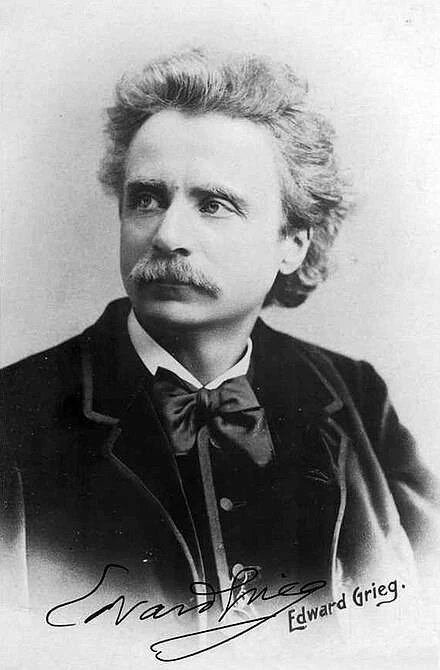
Grieg is the most celebrated person from the city of Bergen, with numerous statues which depict his image, and many cultural entities named after him: the city's largest concert building (Grieg Hall), its most advanced music school (Grieg Academy) and its professional choir (Edvard Grieg Kor). The Edvard Grieg Museum at Grieg's former home Troldhaugen is dedicated to his legacy.
Allah Rakha Rahman aka AR Rahman is an Indian music composer, record producer, singer, songwriter, musician, multi-instrumentalist and philanthropist, popular for his works in Indian cinema; predominantly in Tamil and Hindi films, with occasional forays in international cinema. He has won oscar for his song Jai ho in 2007 .
Antonio Salieri (18 August 1750 – 7 May 1825) was an Italian composer and teacher of the classical period. He was born in Legnago, south of Verona, in the Republic of Venice, and spent his adult life and career as a subject of the Habsburg monarchy.
Salieri was a pivotal figure in the development of late 18th-century opera. As a student of Florian Leopold Gassmann, and a protégé of Christoph Willibald Gluck, Salieri was a cosmopolitan composer who wrote operas in three languages. Salieri helped to develop and shape many of the features of operatic compositional vocabulary, and his music was a powerful influence on contemporary composers.
Appointed the director of the Italian opera by the Habsburg court, a post he held from 1774 until 1792, Salieri dominated Italian-language opera in Vienna. During his career, he also spent time writing works for opera houses in Paris, Rome and Venice, and his dramatic works were widely performed throughout Europe during his lifetime. As the Austrian imperial Kapellmeister from 1788 to 1824, he was responsible for music at the court chapel and attached school. Even as his works dropped from performance, and he wrote no new operas after 1804, he still remained one of the most important and sought-after teachers of his generation, and his influence was felt in every aspect of Vienna's musical life. Franz Liszt, Franz Schubert, Ludwig van Beethoven, Anton Eberl, Johann Nepomuk Hummel and Franz Xaver Wolfgang Mozart were among the most famous of his pupils. Salieri's music slowly disappeared from the repertoire between 1800 and 1868 and was rarely heard after that period until the revival of his fame in the late 20th century. This revival was due to the fictionalized depiction of Salieri in Peter Shaffer's play Amadeus (1979) and its 1984 film version. The death of Wolfgang Amadeus Mozart in 1791 at the age of 35 was followed by rumors that he and Salieri had been bitter rivals and that Salieri had poisoned the younger composer, yet it has been suggested this is false, and it is likely that they were, at least, mutually respectful peers.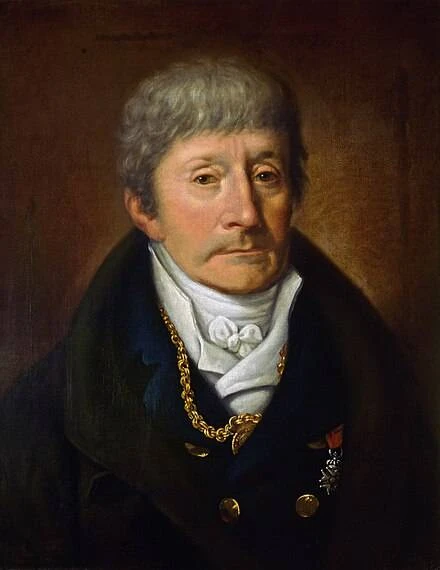
Salieri was a pivotal figure in the development of late 18th-century opera. As a student of Florian Leopold Gassmann, and a protégé of Christoph Willibald Gluck, Salieri was a cosmopolitan composer who wrote operas in three languages. Salieri helped to develop and shape many of the features of operatic compositional vocabulary, and his music was a powerful influence on contemporary composers.
Appointed the director of the Italian opera by the Habsburg court, a post he held from 1774 until 1792, Salieri dominated Italian-language opera in Vienna. During his career, he also spent time writing works for opera houses in Paris, Rome and Venice, and his dramatic works were widely performed throughout Europe during his lifetime. As the Austrian imperial Kapellmeister from 1788 to 1824, he was responsible for music at the court chapel and attached school. Even as his works dropped from performance, and he wrote no new operas after 1804, he still remained one of the most important and sought-after teachers of his generation, and his influence was felt in every aspect of Vienna's musical life. Franz Liszt, Franz Schubert, Ludwig van Beethoven, Anton Eberl, Johann Nepomuk Hummel and Franz Xaver Wolfgang Mozart were among the most famous of his pupils. Salieri's music slowly disappeared from the repertoire between 1800 and 1868 and was rarely heard after that period until the revival of his fame in the late 20th century. This revival was due to the fictionalized depiction of Salieri in Peter Shaffer's play Amadeus (1979) and its 1984 film version. The death of Wolfgang Amadeus Mozart in 1791 at the age of 35 was followed by rumors that he and Salieri had been bitter rivals and that Salieri had poisoned the younger composer, yet it has been suggested this is false, and it is likely that they were, at least, mutually respectful peers.
MAX RICHTON: 1 of top 10 composers of our era. Works are inspired by Vivaldi…..
Composer, pianist, and producer, Max Richter is one of the best-known classical composers at work this century, with over one billion streams of his music online, and a further one million album sales. Having trained at the University of Edinburgh and the Royal Academy of Music, Richter then studied in Florence under the great 20th century pioneer, Luciano Berio, one of the main proponents of experimental electronic music.
Berio’s influence can be heard in Richter’s music, especially with his use of looping and phasing techniques, heard in his famous work Recomposed by Max Richter: Vivaldi – The Four Seasons, which was premiered in 2012. A decade on, in 2022, Richter released a new version with Chineke! Orchestra and Elena Urioste, which was featured in series 4 of hit Netflix period drama Bridgereton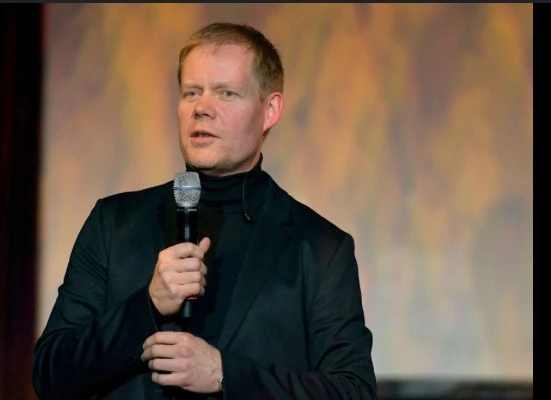
Composer, pianist, and producer, Max Richter is one of the best-known classical composers at work this century, with over one billion streams of his music online, and a further one million album sales. Having trained at the University of Edinburgh and the Royal Academy of Music, Richter then studied in Florence under the great 20th century pioneer, Luciano Berio, one of the main proponents of experimental electronic music.
Berio’s influence can be heard in Richter’s music, especially with his use of looping and phasing techniques, heard in his famous work Recomposed by Max Richter: Vivaldi – The Four Seasons, which was premiered in 2012. A decade on, in 2022, Richter released a new version with Chineke! Orchestra and Elena Urioste, which was featured in series 4 of hit Netflix period drama Bridgereton

Richard Wagner
May 1813 – 13 February 1883) was a German composer, theatre director, polemicist, and conductor who is chiefly known for his operas (or, as some of his mature works were later known, "music dramas"). Unlike most opera composers, Wagner wrote both the libretto and the music for each of his stage works. Initially establishing his reputation as a composer of works in the romantic vein of Carl Maria von Weber and Giacomo Meyerbeer, Wagner revolutionised opera through his concept of the Gesamtkunstwerk ("total work of art"), by which he sought to synthesise the poetic, visual, musical and dramatic arts, with music subsidiary to drama. He described this vision in a series of essays published between 1849 and 1852. Wagner realised these ideas most fully in the first half of the four-opera cycle Der Ring des Nibelungen (The Ring of the Nibelung).His compositions, particularly those of his later period, are notable for their complex textures, rich harmonies and orchestration, and the elaborate use of leitmotifs—musical phrases associated with individual characters, places, ideas, or plot elements. His advances in musical language, such as extreme chromaticism and quickly shifting tonal centres, greatly influenced the development of classical music. His Tristan und Isolde is sometimes described as marking the start of modern music.Wagner had his own opera house built, the Bayreuth Festspielhaus, which embodied many novel design features. The Ring and Parsifal were premiered here and his most important stage works continue to be performed at the annual Bayreuth Festival, which was galvanized by the efforts of his wife Cosima Wagner and the family's decedents. His thoughts on the relative contributions of music and drama in opera were to change again, and he reintroduced some traditional forms into his last few stage works, including Die Meistersinger von Nürnberg (The Mastersingers of Nuremberg).
Early career and marriage (1833–1842)
In 1833, Wagner's brother Albert managed to obtain for him a position as choirmaster at the theatre in Würzburg. In the same year, at the age of 20, Wagner composed his first complete opera, Die Feen (The Fairies). This work, which imitated the style of Weber, went unproduced until half a century later, when it was premiered in Munich shortly after the composer's death in 1883.
Having returned to Leipzig in 1834, Wagner held a brief appointment as musical director at the opera house in Magdeburg[ during which he wrote Das Liebesverbot (The Ban on Love), based on Shakespeare's Measure for Measure. This was staged at Magdeburg in 1836 but closed before the second performance; this, together with the financial collapse of the theatre company employing him, left the composer in bankruptcy. Wagner had fallen for one of the leading ladies at Magdeburg, the actress Christine Wilhelmine "Minna" Planer[ and after the disaster of Das Liebesverbot he followed her to Königsberg, where she helped him to get an engagement at the theatre. The two married in Tragheim Church on 24 November 1836.[32] In May 1837, Minna left Wagner for another man, and this was but only the first débâcle of a tempestuous marriage. In June 1837, Wagner moved to Riga (then in the Russian Empire), where he became music director of the local opera; ] having in this capacity engaged Minna's sister Amalie (also a singer) for the theatre, he presently resumed relations with Minna during 1838.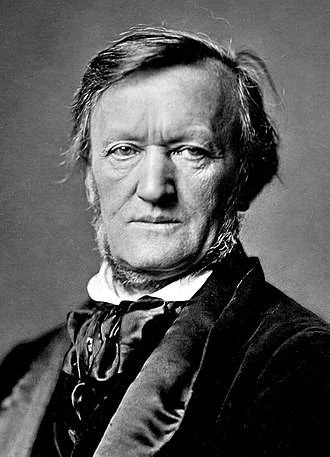
May 1813 – 13 February 1883) was a German composer, theatre director, polemicist, and conductor who is chiefly known for his operas (or, as some of his mature works were later known, "music dramas"). Unlike most opera composers, Wagner wrote both the libretto and the music for each of his stage works. Initially establishing his reputation as a composer of works in the romantic vein of Carl Maria von Weber and Giacomo Meyerbeer, Wagner revolutionised opera through his concept of the Gesamtkunstwerk ("total work of art"), by which he sought to synthesise the poetic, visual, musical and dramatic arts, with music subsidiary to drama. He described this vision in a series of essays published between 1849 and 1852. Wagner realised these ideas most fully in the first half of the four-opera cycle Der Ring des Nibelungen (The Ring of the Nibelung).His compositions, particularly those of his later period, are notable for their complex textures, rich harmonies and orchestration, and the elaborate use of leitmotifs—musical phrases associated with individual characters, places, ideas, or plot elements. His advances in musical language, such as extreme chromaticism and quickly shifting tonal centres, greatly influenced the development of classical music. His Tristan und Isolde is sometimes described as marking the start of modern music.Wagner had his own opera house built, the Bayreuth Festspielhaus, which embodied many novel design features. The Ring and Parsifal were premiered here and his most important stage works continue to be performed at the annual Bayreuth Festival, which was galvanized by the efforts of his wife Cosima Wagner and the family's decedents. His thoughts on the relative contributions of music and drama in opera were to change again, and he reintroduced some traditional forms into his last few stage works, including Die Meistersinger von Nürnberg (The Mastersingers of Nuremberg).
Early career and marriage (1833–1842)
In 1833, Wagner's brother Albert managed to obtain for him a position as choirmaster at the theatre in Würzburg. In the same year, at the age of 20, Wagner composed his first complete opera, Die Feen (The Fairies). This work, which imitated the style of Weber, went unproduced until half a century later, when it was premiered in Munich shortly after the composer's death in 1883.
Having returned to Leipzig in 1834, Wagner held a brief appointment as musical director at the opera house in Magdeburg[ during which he wrote Das Liebesverbot (The Ban on Love), based on Shakespeare's Measure for Measure. This was staged at Magdeburg in 1836 but closed before the second performance; this, together with the financial collapse of the theatre company employing him, left the composer in bankruptcy. Wagner had fallen for one of the leading ladies at Magdeburg, the actress Christine Wilhelmine "Minna" Planer[ and after the disaster of Das Liebesverbot he followed her to Königsberg, where she helped him to get an engagement at the theatre. The two married in Tragheim Church on 24 November 1836.[32] In May 1837, Minna left Wagner for another man, and this was but only the first débâcle of a tempestuous marriage. In June 1837, Wagner moved to Riga (then in the Russian Empire), where he became music director of the local opera; ] having in this capacity engaged Minna's sister Amalie (also a singer) for the theatre, he presently resumed relations with Minna during 1838.

Pyotr Ilyich Tchaikovsky , also Pyotr Tchaikovsky, German Peter Tchaikowsky or Tchaikovsky, was a Russian composer. During his lifetime, many of his works became internationally known. Today they are among the most important of the Romantic period.