Emancipation's Strongest Soldiers The 1864 meeting of the…
0 reactions
Emancipation's Strongest Soldiers
The 1864 meeting of the East Tennessee Cknvention (the leaders of the Unionists in the region) was held to settle Tennessee's stance on Emancipation. As you would imagine, there were two main camps: The Emancipationists, and the Conservative Unionists. The majority of East Tennesseeans were either 'moderately' anti-slavery, or ambivalent, thiugh those from.the cities and valley counties, which were richer and closer tied to the Slave-Economy of the lowland south, were generally pro-slavery. Much of the Conventions membership was decidedly ambivilant
The Conservative Unionists counted among theor number T.A.R Nelson, the president of the Convention, Frederick Heiskall, and John Baxter
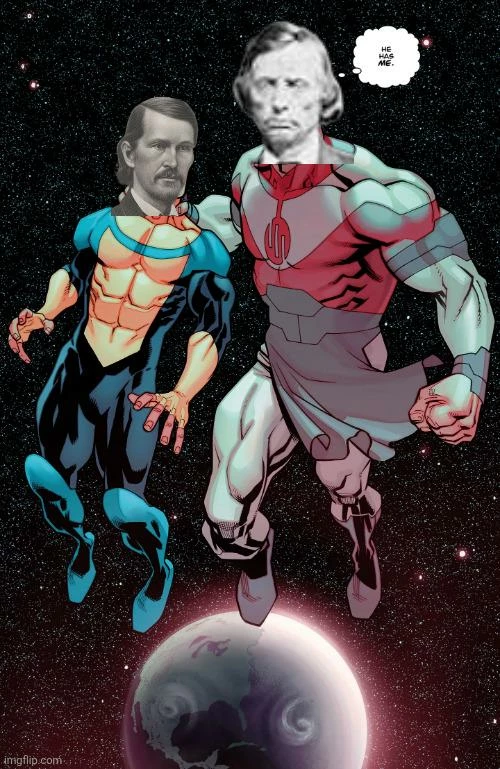
The Emancipationists were fewer, and counted among their number Daniel Trewitt, Lt. Colonel of the 2nd Tennessee, William B. Carter, the organizer of the Bridge Burner plot, and their leader, Horace Maynard.
Maynard, like Carter, was one kf the most prominent southern abolitionists (though he moderated in public). Originally born in Massachusetts, he came to East Tennessee as a Professor and stayed. He became one of the most prominent Unionist Leaders, and was I ne of the biggest pushers for a Union campaign into East Tennessee tk liberate it from the Confederacy. Having an established Abolitoonist record, an irreplaceable record, and a good with (Frederick Douglass once said Maynard had a 'Three Story head'), Maynard was naturally chosen as the leader of the Emancipationists.
Of course, Across from.him was the aforementioned T.A.R Nelson, an outspoken Unionist (although he did briefly take an oath of loyalty to the Clnfederacy to avoid being hanged when he was arrested) who was just as fervently Pro-Slavery. Nelson came to national prominence before the war when he delivered an anti-seccesionist speech against Roger Pryor, that left the other man at a visible loss for words, and earned Nelson the title of "the highest product of American Oratory." He had immense sway among the Unionists of the south, not just for his own feats, but because of his well-knkwn friendship with noted Hater 'Parson Brownlow. Nelson had, in fact, been the one to tell Brownlow to start a Newspaper, the \*Knoxville Whig\* (originally the \*Jonesboro Whig\* and during the war the \*Knoxville Whig and Rebel Ventilator\*), that was the only Unionist newspaper to remain in operation in the Confederacy, and was one of the greatest internal threats to the confederate war effort, being immensely popular in the Upland South.
The only problem.for the Conservative Unionists was that, by 1864, Brownlow was an abolitionist.
William Gannaway Brownlow was a man who hated fiercely. But, as Oliver Perry Temple said, "A child could lead him: A Giant could not drive him." He was known in East Tennessee as 'The Fighting Parson' for the venom he would spit at any and everyone for any reason, and how he withstood the frequent threats and acts of violence he recieved in kind. By the end of the war, he would be known by that nickname throughout the world. He had been arrested by the Confederacy on suspicion of Domestic Terrorism and scheduled for execution. He was offered a pardon twice, and refused both times, stating that "When I shall have made up my mind to go to Hell, I will cut my throat and go direct, rather than travel round by way of the Southern Confederacy" and "You have no Authority to administer sucj an Oath!" (The first offer was on the condition he serve as Chaplain to General Pillow's Brigade. The second was on the condition he take an Oath of Loyalty to the Confederacy, like T.A.R Nelson later). Eventially, to avoid an outright uprising in Tennessee, he was pardoned by Judah P. Benjamin and exiled North. He made a famous six months speaking tour across the entire North, before returning to Tennessee, where his sermons became famous among Union soldiers. His two sons also served as Colonels, with his youngest, James Patton Brownlow, being one of the best fighting Cavalry officers of the war. His Daughter, Susan, once pulled a revolver on four Confederate officers attempting to pull down the American Flag outside her home.
Brownlow had apparently signed an abolitionist petition in the 1830s, but by some point in the 1840s, he had become a defender of slavery. He publicly defended slavery for nearly 12 years, at one point refusing to debate Frederick Douglass. 11 years after the war, in 1876, he was invited to speak at the opening of Knoxville College (an historically black College, and one of the few racially integrated schools in the south until 1901, when it was forcefully segregated), and made his last public speech across from William Yardley, the first African American candidate for Govorner of Tennessee.
It can never be known how Brownlow changed his mind, but for myself I believe it started with a trip to New York in 1859, where he sat in for a Sermon by Hnery Ward Beecher. By the end of his 1862 speaking tour, Brownlow was publicly an abolitionist, and had been invited to the White House by Abraham Lincoln, a man Brownlow had grown from despising to respecting.
When Brownlow joined the Emancipationist Camp, it effectively settled the debate. The only man in the Convention willing to argue with the Parson was Nelson, and even he could not match the sway thst Brownlow, the Chapion of Southern Unionists, lionized in the press, had.
In 1865, before the War was over, and before the 13th Amendment abolished slavery permanently nationwide, Tennessee would abolish slavery in its new State Constitution, passing Lincolns 10 Percent Plan (10% of the seceded states population must vote, and support emancipation), and became the first state to re-enter the Union.
#history
source
The 1864 meeting of the East Tennessee Cknvention (the leaders of the Unionists in the region) was held to settle Tennessee's stance on Emancipation. As you would imagine, there were two main camps: The Emancipationists, and the Conservative Unionists. The majority of East Tennesseeans were either 'moderately' anti-slavery, or ambivalent, thiugh those from.the cities and valley counties, which were richer and closer tied to the Slave-Economy of the lowland south, were generally pro-slavery. Much of the Conventions membership was decidedly ambivilant
The Conservative Unionists counted among theor number T.A.R Nelson, the president of the Convention, Frederick Heiskall, and John Baxter
The Emancipationists were fewer, and counted among their number Daniel Trewitt, Lt. Colonel of the 2nd Tennessee, William B. Carter, the organizer of the Bridge Burner plot, and their leader, Horace Maynard.
Maynard, like Carter, was one kf the most prominent southern abolitionists (though he moderated in public). Originally born in Massachusetts, he came to East Tennessee as a Professor and stayed. He became one of the most prominent Unionist Leaders, and was I ne of the biggest pushers for a Union campaign into East Tennessee tk liberate it from the Confederacy. Having an established Abolitoonist record, an irreplaceable record, and a good with (Frederick Douglass once said Maynard had a 'Three Story head'), Maynard was naturally chosen as the leader of the Emancipationists.
Of course, Across from.him was the aforementioned T.A.R Nelson, an outspoken Unionist (although he did briefly take an oath of loyalty to the Clnfederacy to avoid being hanged when he was arrested) who was just as fervently Pro-Slavery. Nelson came to national prominence before the war when he delivered an anti-seccesionist speech against Roger Pryor, that left the other man at a visible loss for words, and earned Nelson the title of "the highest product of American Oratory." He had immense sway among the Unionists of the south, not just for his own feats, but because of his well-knkwn friendship with noted Hater 'Parson Brownlow. Nelson had, in fact, been the one to tell Brownlow to start a Newspaper, the \*Knoxville Whig\* (originally the \*Jonesboro Whig\* and during the war the \*Knoxville Whig and Rebel Ventilator\*), that was the only Unionist newspaper to remain in operation in the Confederacy, and was one of the greatest internal threats to the confederate war effort, being immensely popular in the Upland South.
The only problem.for the Conservative Unionists was that, by 1864, Brownlow was an abolitionist.
William Gannaway Brownlow was a man who hated fiercely. But, as Oliver Perry Temple said, "A child could lead him: A Giant could not drive him." He was known in East Tennessee as 'The Fighting Parson' for the venom he would spit at any and everyone for any reason, and how he withstood the frequent threats and acts of violence he recieved in kind. By the end of the war, he would be known by that nickname throughout the world. He had been arrested by the Confederacy on suspicion of Domestic Terrorism and scheduled for execution. He was offered a pardon twice, and refused both times, stating that "When I shall have made up my mind to go to Hell, I will cut my throat and go direct, rather than travel round by way of the Southern Confederacy" and "You have no Authority to administer sucj an Oath!" (The first offer was on the condition he serve as Chaplain to General Pillow's Brigade. The second was on the condition he take an Oath of Loyalty to the Confederacy, like T.A.R Nelson later). Eventially, to avoid an outright uprising in Tennessee, he was pardoned by Judah P. Benjamin and exiled North. He made a famous six months speaking tour across the entire North, before returning to Tennessee, where his sermons became famous among Union soldiers. His two sons also served as Colonels, with his youngest, James Patton Brownlow, being one of the best fighting Cavalry officers of the war. His Daughter, Susan, once pulled a revolver on four Confederate officers attempting to pull down the American Flag outside her home.
Brownlow had apparently signed an abolitionist petition in the 1830s, but by some point in the 1840s, he had become a defender of slavery. He publicly defended slavery for nearly 12 years, at one point refusing to debate Frederick Douglass. 11 years after the war, in 1876, he was invited to speak at the opening of Knoxville College (an historically black College, and one of the few racially integrated schools in the south until 1901, when it was forcefully segregated), and made his last public speech across from William Yardley, the first African American candidate for Govorner of Tennessee.
It can never be known how Brownlow changed his mind, but for myself I believe it started with a trip to New York in 1859, where he sat in for a Sermon by Hnery Ward Beecher. By the end of his 1862 speaking tour, Brownlow was publicly an abolitionist, and had been invited to the White House by Abraham Lincoln, a man Brownlow had grown from despising to respecting.
When Brownlow joined the Emancipationist Camp, it effectively settled the debate. The only man in the Convention willing to argue with the Parson was Nelson, and even he could not match the sway thst Brownlow, the Chapion of Southern Unionists, lionized in the press, had.
In 1865, before the War was over, and before the 13th Amendment abolished slavery permanently nationwide, Tennessee would abolish slavery in its new State Constitution, passing Lincolns 10 Percent Plan (10% of the seceded states population must vote, and support emancipation), and became the first state to re-enter the Union.
#history
source


| 3,000 mlx | |
| 4 | |
| 0 |