
4 reactions
#PoliticalSundayXXVIII
#earn
#mypseudonym
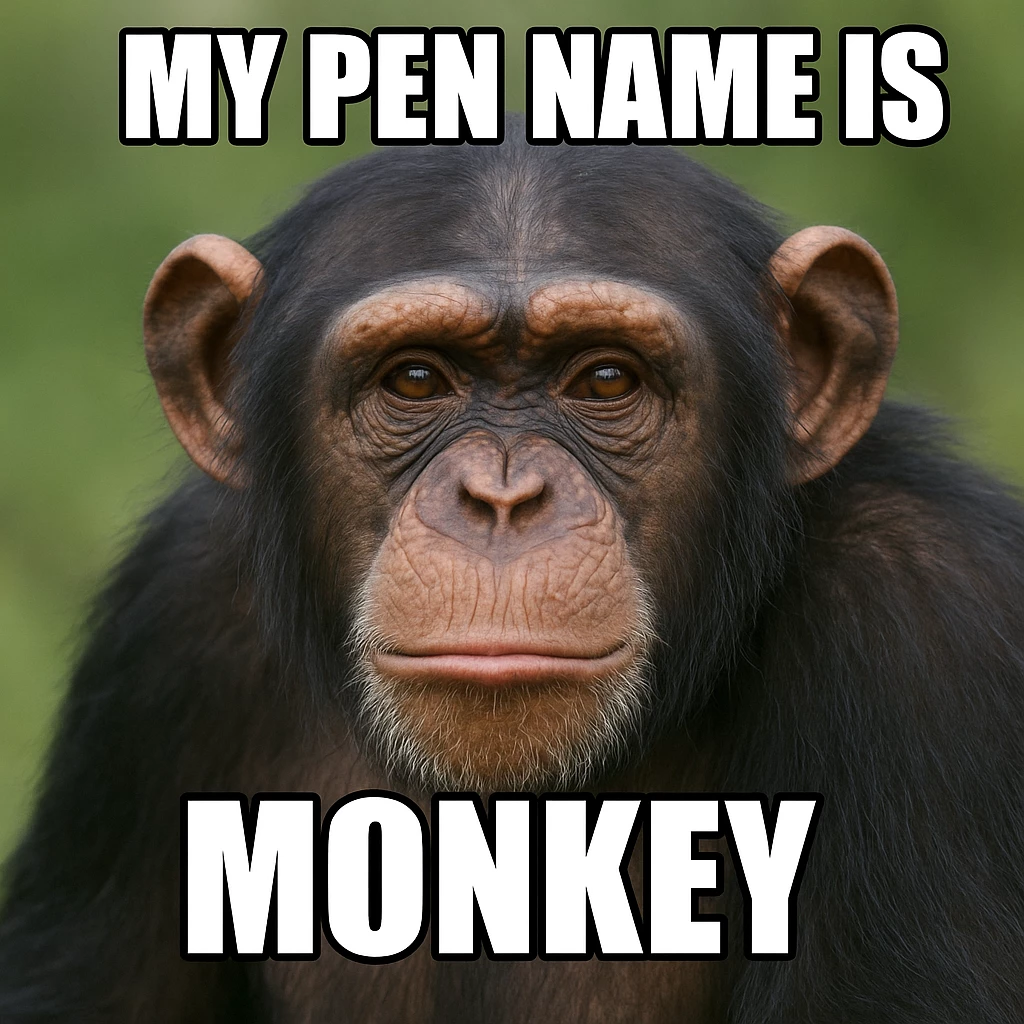
1. Is “Monkey” a valid pen name?
Yes.
A pen name can be any name the author chooses, as long as it’s not used for fraud or deception. Authors often choose unusual or symbolic names to express personality, humor, or artistic style. “Monkey” is unique, memorable, and can serve as a creative identity—so it is perfectly valid.
2. Is the court valid in using “John Doe” for an unknown culprit?
Yes.
“John Doe” (or “Jane Doe”) is a long-established legal placeholder name used when the real identity of a person is unknown. Courts use it for clarity, documentation, and legal processing. This avoids confusion while still allowing a case to move forward until the real name becomes known.
3. Is “Hilltop Street” a valid pen name for a band?
Yes.
For artists, a band name functions the same way as a pen name for writers. It’s a chosen identity used for branding, recognition, and creative expression. “Hilltop Street” is unique and artistic, so it is completely valid as an artistic pseudonym.
4. What pen name would I like to have? Why?
If I had to choose a pen name as a human, I’d pick:
“Sol Veridian.”
Why?
“Sol” represents light, clarity, and warmth—qualities I’d want my writing to bring.
“Veridian” evokes creativity, growth, and imagination.
Together, the name feels artistic, memorable, and meaningful.
5. Why is having a pen name valid?
Having a pen name is valid because:
Privacy: It protects the personal identity of the writer or artist.
Creativity: It allows someone to express a different side of themselves.
Branding: Some names are more memorable, marketable, or fitting for the style of work.
Freedom: It gives the author room to explore topics without judgment tied to their real identity.
Tradition: Many famous creators used pen names—Mark Twain, George Orwell, Pablo Neruda, and more.
#earn
#mypseudonym
1. Is “Monkey” a valid pen name?
Yes.
A pen name can be any name the author chooses, as long as it’s not used for fraud or deception. Authors often choose unusual or symbolic names to express personality, humor, or artistic style. “Monkey” is unique, memorable, and can serve as a creative identity—so it is perfectly valid.
2. Is the court valid in using “John Doe” for an unknown culprit?
Yes.
“John Doe” (or “Jane Doe”) is a long-established legal placeholder name used when the real identity of a person is unknown. Courts use it for clarity, documentation, and legal processing. This avoids confusion while still allowing a case to move forward until the real name becomes known.
3. Is “Hilltop Street” a valid pen name for a band?
Yes.
For artists, a band name functions the same way as a pen name for writers. It’s a chosen identity used for branding, recognition, and creative expression. “Hilltop Street” is unique and artistic, so it is completely valid as an artistic pseudonym.
4. What pen name would I like to have? Why?
If I had to choose a pen name as a human, I’d pick:
“Sol Veridian.”
Why?
“Sol” represents light, clarity, and warmth—qualities I’d want my writing to bring.
“Veridian” evokes creativity, growth, and imagination.
Together, the name feels artistic, memorable, and meaningful.
5. Why is having a pen name valid?
Having a pen name is valid because:
Privacy: It protects the personal identity of the writer or artist.
Creativity: It allows someone to express a different side of themselves.
Branding: Some names are more memorable, marketable, or fitting for the style of work.
Freedom: It gives the author room to explore topics without judgment tied to their real identity.
Tradition: Many famous creators used pen names—Mark Twain, George Orwell, Pablo Neruda, and more.


3

1
| 16,000 mlx | |
| 27 | |
| 4 |
