#crimescenes @amjadali #earn g/studio #crimescenes This…

4 reactions
#crimescenes
#earn
#crimescenes
This fictional case shows how dishonesty, poor decisions, and loss of emotional control can destroy multiple lives.
1. Who bears the greatest responsibility for this tragedy?
I believe Ayesha bears the greatest moral responsibility because she knowingly deceived both Ali and Bilal for months. However, Ali is responsible for choosing to continue the confrontation instead of walking away. While Bilal's role may depend on what he knew, every person involved made choices that contributed to the outcome.
2. Is hiding the truth in a relationship only a moral issue, or can it contribute to criminal consequences?
It begins as a moral issue, but serious deception can create anger, conflict, and situations that may lead to violence or other crimes. While dishonesty itself is not always a crime, it can become a factor that contributes to tragic events. Honesty and respectful communication help prevent such situations.
3. If you were the judge, how would you assess Ali's actions?
I would carefully examine the evidence and the law. If Ali did not intend to kill Bilal but acted recklessly during the confrontation, he should still be held legally accountable for his actions. At the same time, I would consider the emotional circumstances without treating them as a complete excuse. Justice should be fair, balanced, and based on facts.
4. What lesson can society learn from this case?
The biggest lesson is that trust is built on honesty, and lies eventually cause pain. When emotions become overwhelming, people should step away, calm down, and resolve conflicts peacefully instead of reacting with anger. One honest conversation can prevent years of suffering, while one moment of uncontrolled anger can change lives forever.
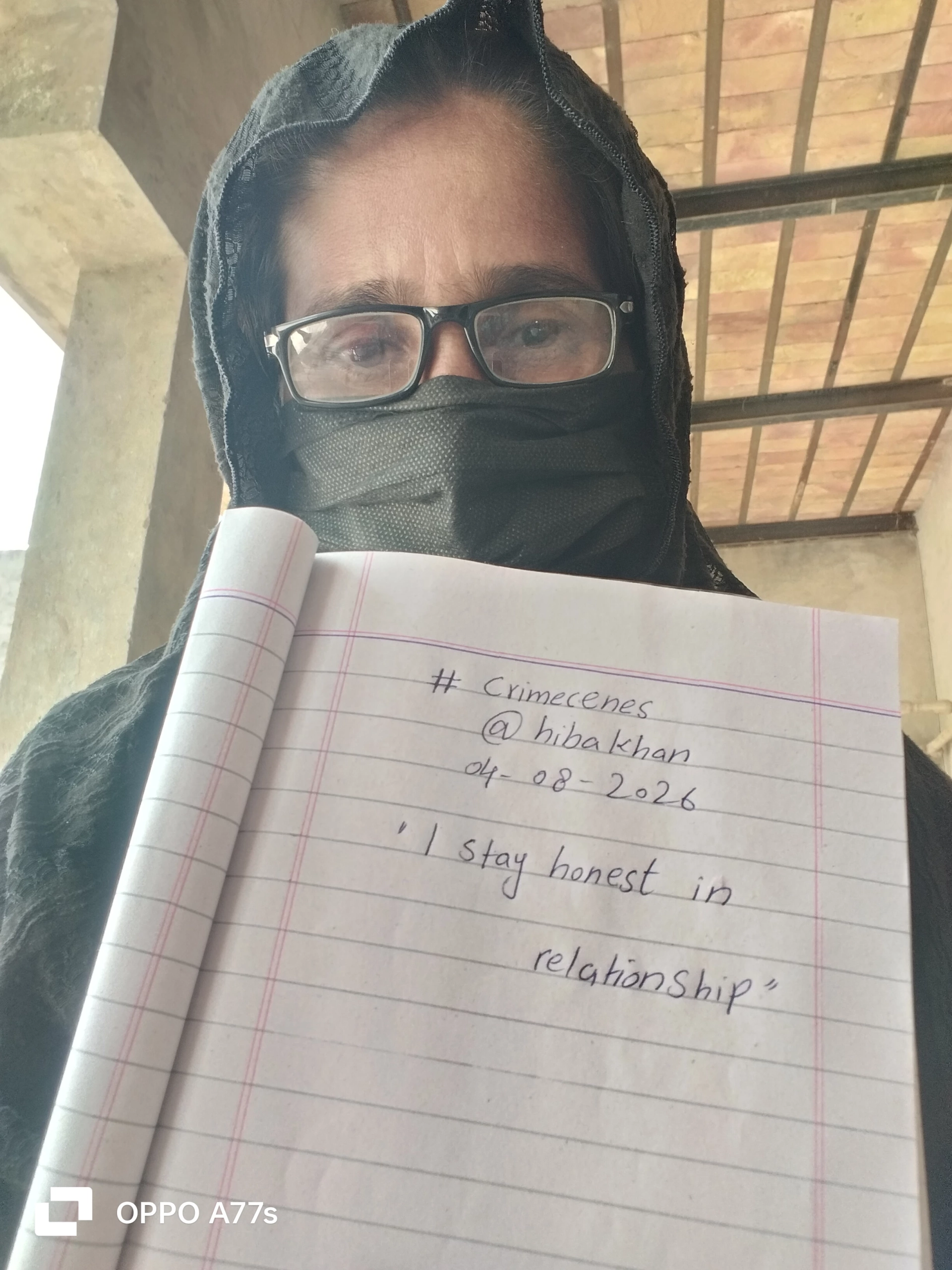
"Honesty builds trust. Trust protects relationships. Emotional control protects lives."
Tagged
#earn
#crimescenes
This fictional case shows how dishonesty, poor decisions, and loss of emotional control can destroy multiple lives.
1. Who bears the greatest responsibility for this tragedy?
I believe Ayesha bears the greatest moral responsibility because she knowingly deceived both Ali and Bilal for months. However, Ali is responsible for choosing to continue the confrontation instead of walking away. While Bilal's role may depend on what he knew, every person involved made choices that contributed to the outcome.
2. Is hiding the truth in a relationship only a moral issue, or can it contribute to criminal consequences?
It begins as a moral issue, but serious deception can create anger, conflict, and situations that may lead to violence or other crimes. While dishonesty itself is not always a crime, it can become a factor that contributes to tragic events. Honesty and respectful communication help prevent such situations.
3. If you were the judge, how would you assess Ali's actions?
I would carefully examine the evidence and the law. If Ali did not intend to kill Bilal but acted recklessly during the confrontation, he should still be held legally accountable for his actions. At the same time, I would consider the emotional circumstances without treating them as a complete excuse. Justice should be fair, balanced, and based on facts.
4. What lesson can society learn from this case?
The biggest lesson is that trust is built on honesty, and lies eventually cause pain. When emotions become overwhelming, people should step away, calm down, and resolve conflicts peacefully instead of reacting with anger. One honest conversation can prevent years of suffering, while one moment of uncontrolled anger can change lives forever.
"Honesty builds trust. Trust protects relationships. Emotional control protects lives."
Tagged


1
| 18,000 mlx | |
| 10 | |
| 4 |
