#FunFacts #Week4 #Challenge 🤔 🗯️ 11,625,000 #millix in…

61 reactions
#FunFacts #Week4 #Challenge 🤔 🗯️
11,625,000 #millix in prizes
Subject: #MarineAnimals 🌊🐟🐙🐋🪸🦐🦑🐬🌊
🧠 Comment Below with a cool, interesting, thought-provoking, or just plain fact about 1 (one) #MarineAnimal ! You must include an image or video!
🌀 We will spin the wheel from all the submissions and pay the winners this time, this day, next week!
ℹ️ RULES : You must have a verification badge PLUS a Purchased badge from the marketplace .
1st Place #earn 3,000,000 #millix
2ndPlace #earn 2,500,000 #millix
3rd Place #earn 2,000,000 #millix
4th Place #earn 1,500,000 #millix
5th Place #earn 1,000,000 #millix
11,625,000 #millix in prizes
Subject: #MarineAnimals 🌊🐟🐙🐋🪸🦐🦑🐬🌊
🧠 Comment Below with a cool, interesting, thought-provoking, or just plain fact about 1 (one) #MarineAnimal ! You must include an image or video!
🌀 We will spin the wheel from all the submissions and pay the winners this time, this day, next week!
ℹ️ RULES : You must have a verification badge PLUS a Purchased badge from the marketplace .
1st Place #earn 3,000,000 #millix
2ndPlace #earn 2,500,000 #millix
3rd Place #earn 2,000,000 #millix
4th Place #earn 1,500,000 #millix
5th Place #earn 1,000,000 #millix


43

4

3

2

2
| 300,000 mlx | |
| 453 | |
| 61 |
comments


The Olive Ridley Sea Turtle in India is famous for its mass nesting events, where thousands of females lay eggs together on beaches like Gahirmatha in Odisha. Their synchronized nesting is essential for marine ecosystems.


Sharks have been around for hundreds of millions of years, appearing in the fossil record before trees even existed. But what did they evolve from, are they 'living fossils', and how did they survive five mass extinctions?
Sharks belong to a group of creatures known as cartilaginous fishes, because most of their skeleton is made from cartilage rather than bone. The only part of their skeleton not made from this soft, flexible tissue is their teeth.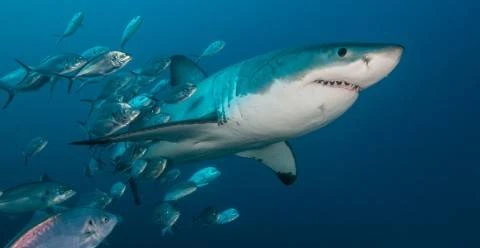
Sharks belong to a group of creatures known as cartilaginous fishes, because most of their skeleton is made from cartilage rather than bone. The only part of their skeleton not made from this soft, flexible tissue is their teeth.
Olive Sea Snake 1. Olive sea snakes are one of the most commonly found sea snakes on Australia’s coral reefs.
2. Olive sea snakes can be found up to 230feet (70 m) below sea level, but typically live in shallow reef flats 32 to 131 feet (10 to 40 m) deep.1
3. Olive sea snakes can grow to be 6.5 feet (2 m) long.
4. Olive sea snakes can spend up to two hours underwater before returning to the surface to breathe.
5. Like land snakes, olive sea snakes must shed their skin and do so by rubbing it against hard coral or rocks to loosen it first. Skin shedding is not only helpful for growth, but also rids olive sea snakes of algae, barnacles and bryozoans.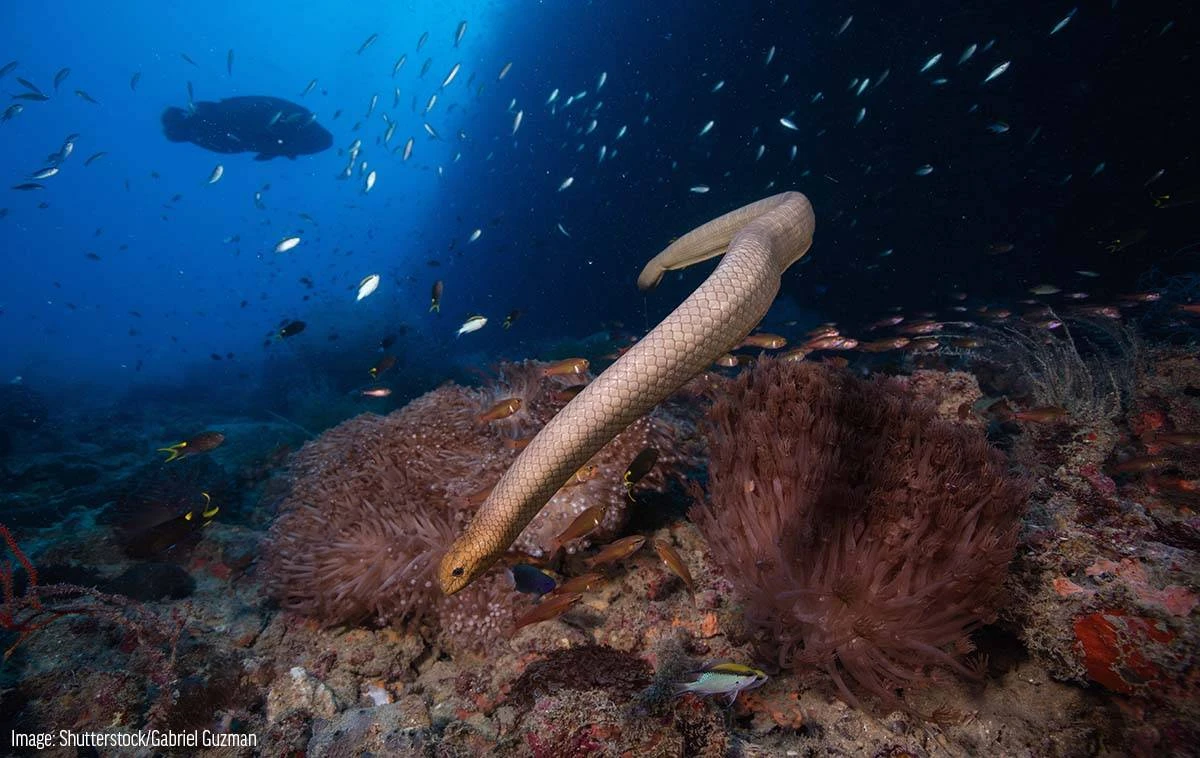
2. Olive sea snakes can be found up to 230feet (70 m) below sea level, but typically live in shallow reef flats 32 to 131 feet (10 to 40 m) deep.1
3. Olive sea snakes can grow to be 6.5 feet (2 m) long.
4. Olive sea snakes can spend up to two hours underwater before returning to the surface to breathe.
5. Like land snakes, olive sea snakes must shed their skin and do so by rubbing it against hard coral or rocks to loosen it first. Skin shedding is not only helpful for growth, but also rids olive sea snakes of algae, barnacles and bryozoans.
Sea cucumbers are animals that live on seabeds and coral reefs. The texture of their body can be lumpy, bumpy, or even spiky. They are amazingly flexible, becoming as pliable as wax or as stiff as a board within minutes or even seconds. Such flexibility allows sea cucumbers to wriggle their way into tiny crevices and then stiffen so that predators cannot pull them out.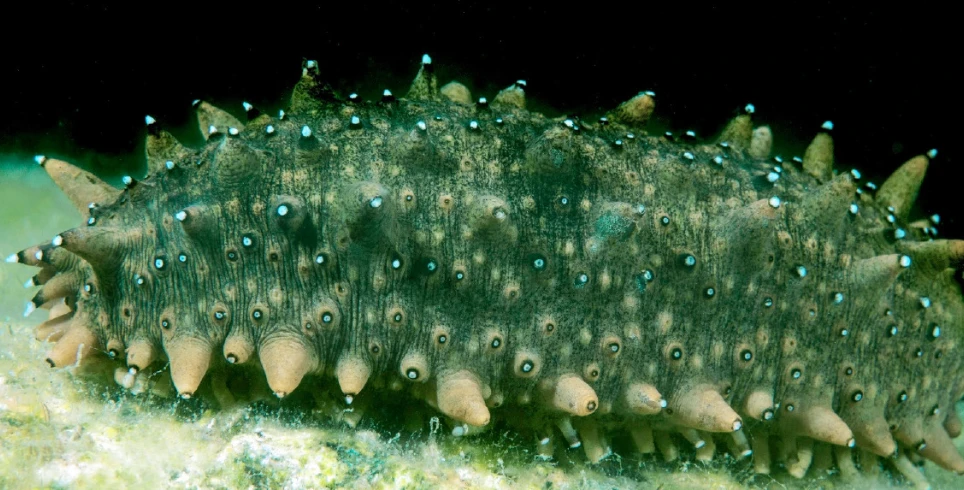

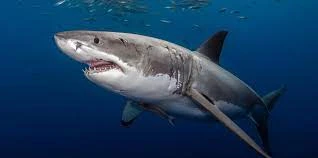
Sharks are covered with tiny little teeth called dermal denticles.
That’s why their skin feels like sandpaper.
That’s why their skin feels like sandpaper.
ELECTRIC EEl
They are one of the 500 species that can generate electricity and are a member of the knife fish family. The eel’s skin protects it from its electric attack, but if it is injured, it may shock itself. A horse can be brought to its knees by an eel’s electric shock, which is also deadly to humans. Some eels can generate ten light bulbs’ worth of electricity!...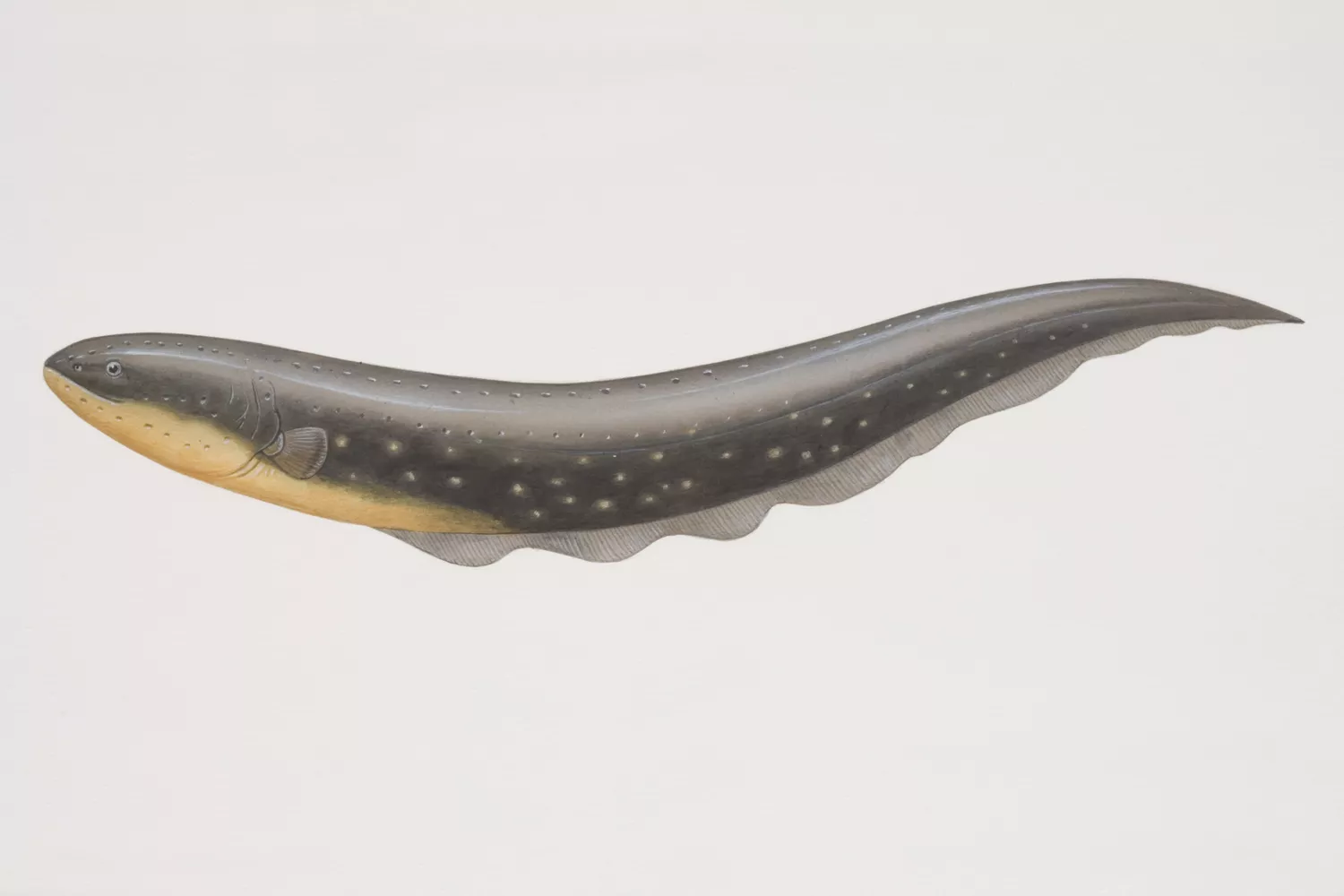
They are one of the 500 species that can generate electricity and are a member of the knife fish family. The eel’s skin protects it from its electric attack, but if it is injured, it may shock itself. A horse can be brought to its knees by an eel’s electric shock, which is also deadly to humans. Some eels can generate ten light bulbs’ worth of electricity!...
Manta rays are strong candidates for this title. They have one of the highest brain-to-body mass ratios of any fish. While this figure - the "encephalization ratio" - can be unreliable when comparing very different types of animals, when you compare manta rays to other fish, it's clear that their brains are a head above the rest.
They also show behavioral signs of intelligence on par with many mammals. They are curious and seem to maintain close social bonds. Captive captive manta rays are also among the few animals that seem to recognize themselves in mirrors. This doesn't necessarily mean they have self-awareness as is often claimed, but I think it at least shows a higher level of awareness. Divers note the curiosity and playfulness of mantas. They are also very polite to each other. They make circles under divers and rub their bodies from head to toe. They are beautiful and gentle creatures.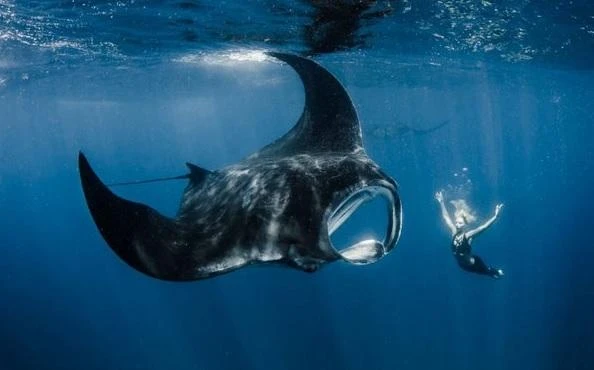
They also show behavioral signs of intelligence on par with many mammals. They are curious and seem to maintain close social bonds. Captive captive manta rays are also among the few animals that seem to recognize themselves in mirrors. This doesn't necessarily mean they have self-awareness as is often claimed, but I think it at least shows a higher level of awareness. Divers note the curiosity and playfulness of mantas. They are also very polite to each other. They make circles under divers and rub their bodies from head to toe. They are beautiful and gentle creatures.
The electric rays are a group of rays, flattened cartilaginous fish with enlarged pectoral fins, composing the order Torpediniformes. They are known for being capable of producing an electric discharge, ranging from 8 to 220 volts, depending on species, used to stun prey and for defense.There are 69 species in four families.
Perhaps the best known members are those of the genus Torpedo. The torpedo undersea weapon is named after it. The name comes from the Latin torpere, 'to be stiffened or paralyzed', from the effect on someone who touches the fish.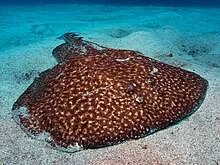
Perhaps the best known members are those of the genus Torpedo. The torpedo undersea weapon is named after it. The name comes from the Latin torpere, 'to be stiffened or paralyzed', from the effect on someone who touches the fish.
Despite their size and stubbly snout, manatees seem cute and cuddly to many ocean visitors. These large, slow-moving marine mammals hang out in coastal areas and rivers where Florida spring-breakers can easily see them and think that it is a good idea to hop on for a ride. Not only is this and other forms of harassment such as hugging the sea creatures illegal (the West Indian manatee is listed as endangered in the United States), but it can also impact manatees’ natural behavior, changing the way they interact with humans.
All three species of manatee—the Amazonian manatee, West Indian manatee, and West African manatee—and the related dugong are considered vulnerable (defined as facing a high risk of extinction in the wild) by the IUCN Red List of Threatened Species. This is due to a variety of threats including boat collisions, hunting, habitat destruction, and toxic red tides.
Manatees are typically found in shallow coastal areas and rivers where they feed on sea grass, mangrove leaves, and algae. These herbivores munch on food for almost half the day, eating ten percent of their body weight in plant mass every day. With weights of up to 1,200 pounds, that is a whole lot of greenery!
Manatees go to the surface of the water every three to five minutes to breathe although they can remain underwater longer, holding their breath for up to 20 minutes. When they do take a breath, 90 percent of the air in their lungs is replaced (whereas humans tend to replace about 10 percent).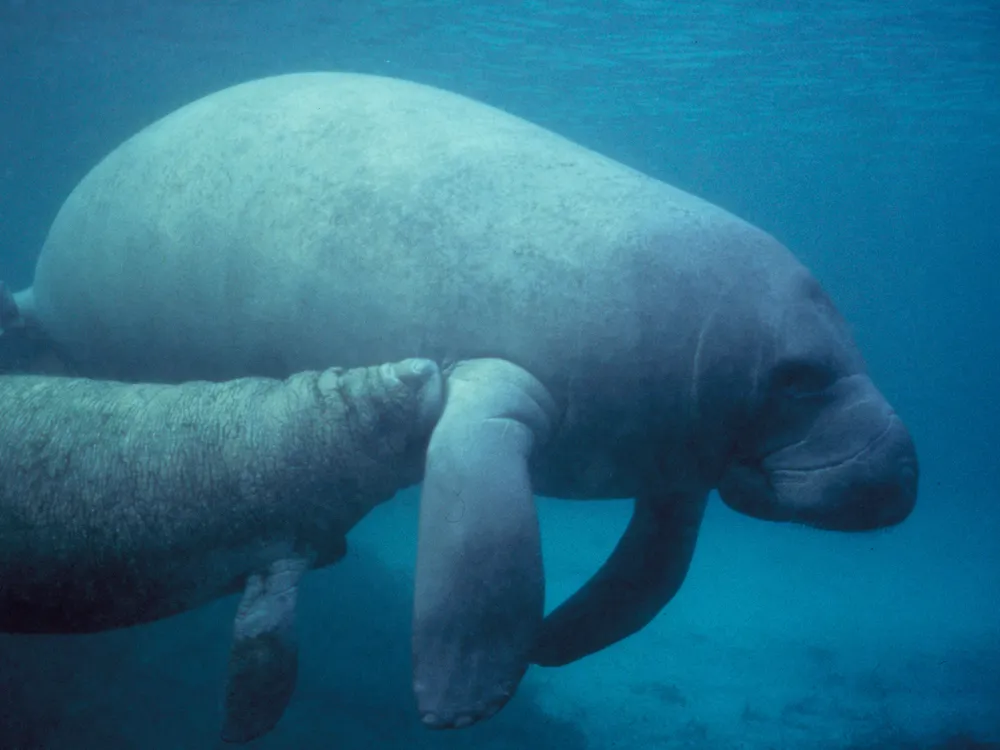
All three species of manatee—the Amazonian manatee, West Indian manatee, and West African manatee—and the related dugong are considered vulnerable (defined as facing a high risk of extinction in the wild) by the IUCN Red List of Threatened Species. This is due to a variety of threats including boat collisions, hunting, habitat destruction, and toxic red tides.
Manatees are typically found in shallow coastal areas and rivers where they feed on sea grass, mangrove leaves, and algae. These herbivores munch on food for almost half the day, eating ten percent of their body weight in plant mass every day. With weights of up to 1,200 pounds, that is a whole lot of greenery!
Manatees go to the surface of the water every three to five minutes to breathe although they can remain underwater longer, holding their breath for up to 20 minutes. When they do take a breath, 90 percent of the air in their lungs is replaced (whereas humans tend to replace about 10 percent).
There is a certain species of jellyfish which can live forever(Benjamin jellyfish)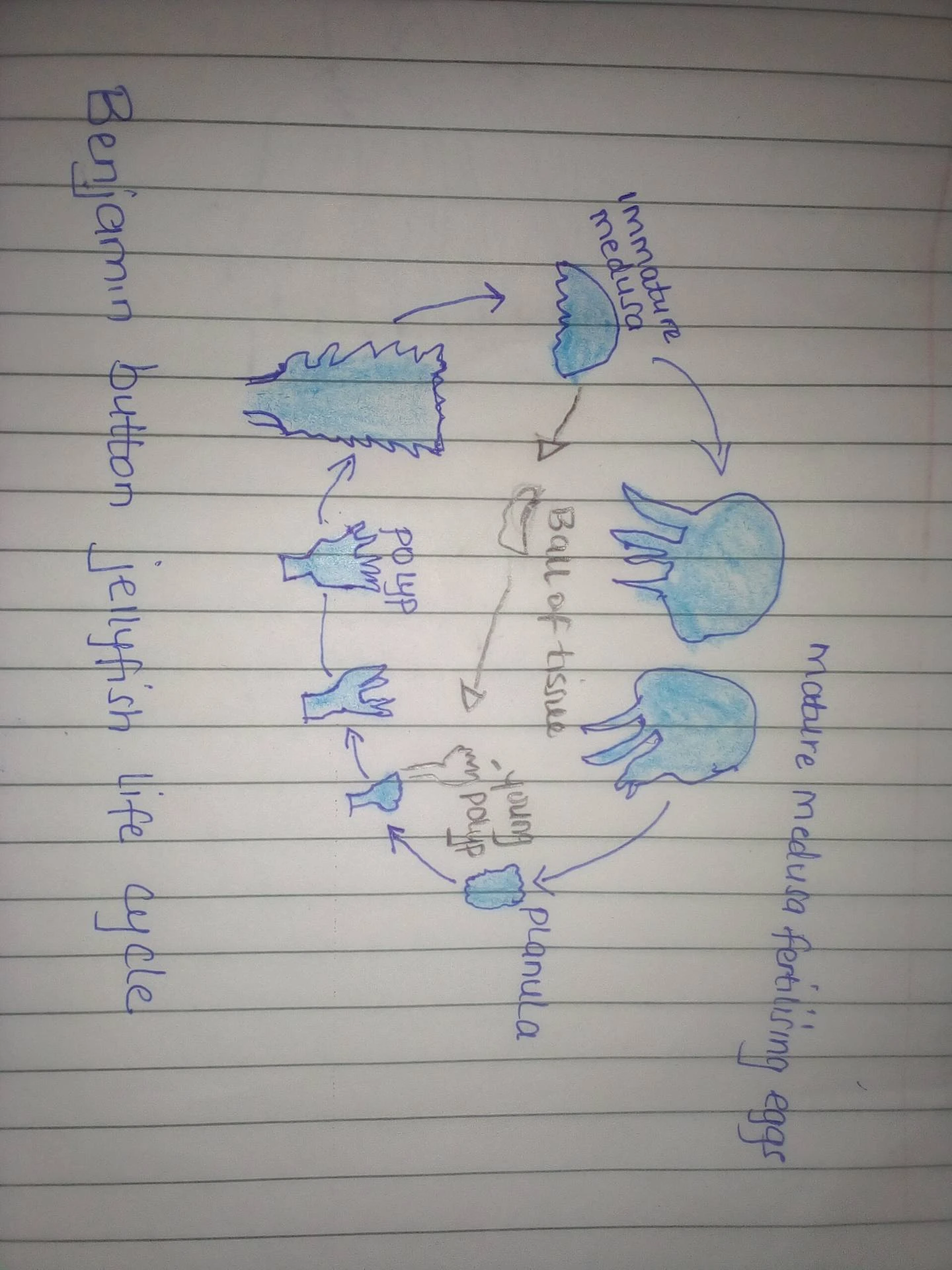
CRAB 🦀
Why wouldn’t the crab share his toys? Because he was shellfish.
But moving past the dad jokes, crabs are super cool critters! How much to do you know about them?
Let’s dive in to their fascinating lives with this list of facts about the cutest shellfish we know!
There are more than 4,500 species of crabs.
Most species live in coastal areas of salty, fresh or brackish water.
Crabs are super old! They showed up during the Jurassic period, 200 million years ago.
The Pea Crab is the smallest known species. It measures between 0.27 and 0.47 inches long.
The Japanese Spider Crab is the biggest, measuring about 12 feet between its claws!
Crabs have an “exoskeleton” made of chitin. It protects their soft tissue.
Crabs walk and swim sideways.
Crabs eat both meat and plants, making them omnivores.
Pregnancy in female crabs only last one or two weeks. Then they lay between 1,000 and 2,000 eggs!
Groups of crabs living together are known as “casts.”
The average lifespan of a crab is 3 to 4 years.
Crabs are important characters in many shows and movies, too! For starters, there’s Mr. Krabs, owner of the Krusty Krab on Spongebob.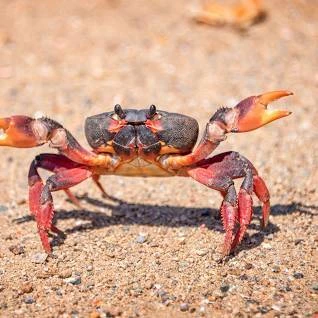
Why wouldn’t the crab share his toys? Because he was shellfish.
But moving past the dad jokes, crabs are super cool critters! How much to do you know about them?
Let’s dive in to their fascinating lives with this list of facts about the cutest shellfish we know!
There are more than 4,500 species of crabs.
Most species live in coastal areas of salty, fresh or brackish water.
Crabs are super old! They showed up during the Jurassic period, 200 million years ago.
The Pea Crab is the smallest known species. It measures between 0.27 and 0.47 inches long.
The Japanese Spider Crab is the biggest, measuring about 12 feet between its claws!
Crabs have an “exoskeleton” made of chitin. It protects their soft tissue.
Crabs walk and swim sideways.
Crabs eat both meat and plants, making them omnivores.
Pregnancy in female crabs only last one or two weeks. Then they lay between 1,000 and 2,000 eggs!
Groups of crabs living together are known as “casts.”
The average lifespan of a crab is 3 to 4 years.
Crabs are important characters in many shows and movies, too! For starters, there’s Mr. Krabs, owner of the Krusty Krab on Spongebob.
SEA URCHAINS .
THEY LIVE IN ALL 5 OCEANS
The 950 different species of sea urchins live in water of all temperatures, warm or cold. Some species prefer to live in the shallows, on coral reefs or among kelp forests, while others find their home in deep, rocky seabeds.
The Sea urchin population has grown by 10,000% in the last five years, which saw purple sea urchins ravage the coasts of California and Oregon in 2019. Scientists believe it could take 15-20 years to remove almost 100 million pounds of sea urchin from one large Oregon reef alone!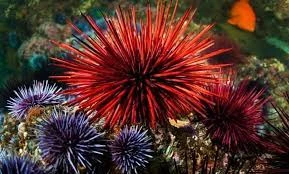
THEY LIVE IN ALL 5 OCEANS
The 950 different species of sea urchins live in water of all temperatures, warm or cold. Some species prefer to live in the shallows, on coral reefs or among kelp forests, while others find their home in deep, rocky seabeds.
The Sea urchin population has grown by 10,000% in the last five years, which saw purple sea urchins ravage the coasts of California and Oregon in 2019. Scientists believe it could take 15-20 years to remove almost 100 million pounds of sea urchin from one large Oregon reef alone!
Octopus did not always have eight arms. In 2022, researchers published a study on a vampyropod fossil with ten functional limbs. It is the oldest known octopus ancestor at 328 million years old. Its scientific name is Syllipsimopodi Bideni, after the US President Biden.
Octopus did not always have eight arms. In 2022, researchers published a study on a vampyropod fossil with ten functional limbs. It is the oldest known octopus ancestor at 328 million years old. Its scientific name is Syllipsimopodi Bideni, after the US President Biden.
Octopus did not always have eight arms. In 2022, researchers published a study on a vampyropod fossil with ten functional limbs. It is the oldest known octopus ancestor at 328 million years old. Its scientific name is Syllipsimopodi Bideni, after the US President Biden.
Octopus did not always have eight arms. In 2022, researchers published a study on a vampyropod fossil with ten functional limbs. It is the oldest known octopus ancestor at 328 million years old. Its scientific name is Syllipsimopodi Bideni, after the US President Biden.
Octopus did not always have eight arms. In 2022, researchers published a study on a vampyropod fossil with ten functional limbs. It is the oldest known octopus ancestor at 328 million years old. Its scientific name is Syllipsimopodi Bideni, after the US President Biden.
1
1
The sea otter (Enhydra lutris) is a marine mammal native to the coasts of the northern and eastern North Pacific Ocean. Adult sea otters typically weigh between 14 and 45 kg (30 and 100 lb), making them the heaviest members of the weasel family, but among the smallest marine mammals. Unlike most marine mammals, the sea otter's primary form of insulation is an exceptionally thick coat of fur, the densest in the animal kingdom. Although it can walk on land, the sea otter is capable of living exclusively in the ocean.
Fact: The sea otter is one of the few mammal species on Earth to use a tool to help it hunt and feed. It wedges a rock between its chest and the “armpit” of a foreleg and pounds shells against it to open them up. The sea otter also hammers rocks against strongly gripping abalone shells to pry them off of rocks and feed on their tasty insides.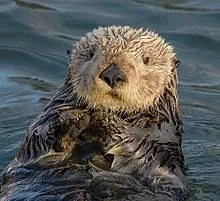
Fact: The sea otter is one of the few mammal species on Earth to use a tool to help it hunt and feed. It wedges a rock between its chest and the “armpit” of a foreleg and pounds shells against it to open them up. The sea otter also hammers rocks against strongly gripping abalone shells to pry them off of rocks and feed on their tasty insides.
Steller sea lions (Eumetopias jubatus) can be found along the North American coast, ranging from southeastern Alaska to central California, and all the way to eastern Russia. They hunt for prey in the water and frequently haul-out to rest on islands with rocky shorelines, beaches, and docks. During the summer months, they congregate at rookeries or breeding grounds where they breed, give birth, and nurse their pups. In Alaska, it was found that females return to the rookery where they were born in order to breed.
Facts:
Their preferred prey in Washington state is fish such as Pacific hake, rockfish, skates, flounders, herring, salmon, smelt, shad, and cod.
Steller sea lions are the world’s largest species of sea lions. The adult male Steller sea lion can weigh up to 2,400 pounds and will grow to be 3 times the size of an adult male grizzly bear.
Steller sea lions communicate with one another by hissing and belching. The bulls, or adult males, are usually responsible for the loud noises, which are meant to ward off other males during mating season. They also communicate underwater, using clicks, barks, and low-frequency pulses.
The main predators of Steller sea lions are Transient, or Bigg’s killer whales, Pacific sleeper sharks, and historically, humans.
In 1979, the Steller sea lion population was at an estimated number of 18,313 animals. In 1990, they were federally listed as a threatened species. This listing, in addition to the protection afforded by the Marine Mammal Protection Act of 1972, has increased their population to more than 70,000 animals.
The eastern distinct population segment, which includes Steller sea lions originating from rookeries east of Cape Suckling in Alaska, has since recovered and as of 2013 was no longer listed federally and in 2015 no longer listed in Washington State—a significant achievement under the Endangered Species Act. The western distinct population segment (DPS) remains endangered.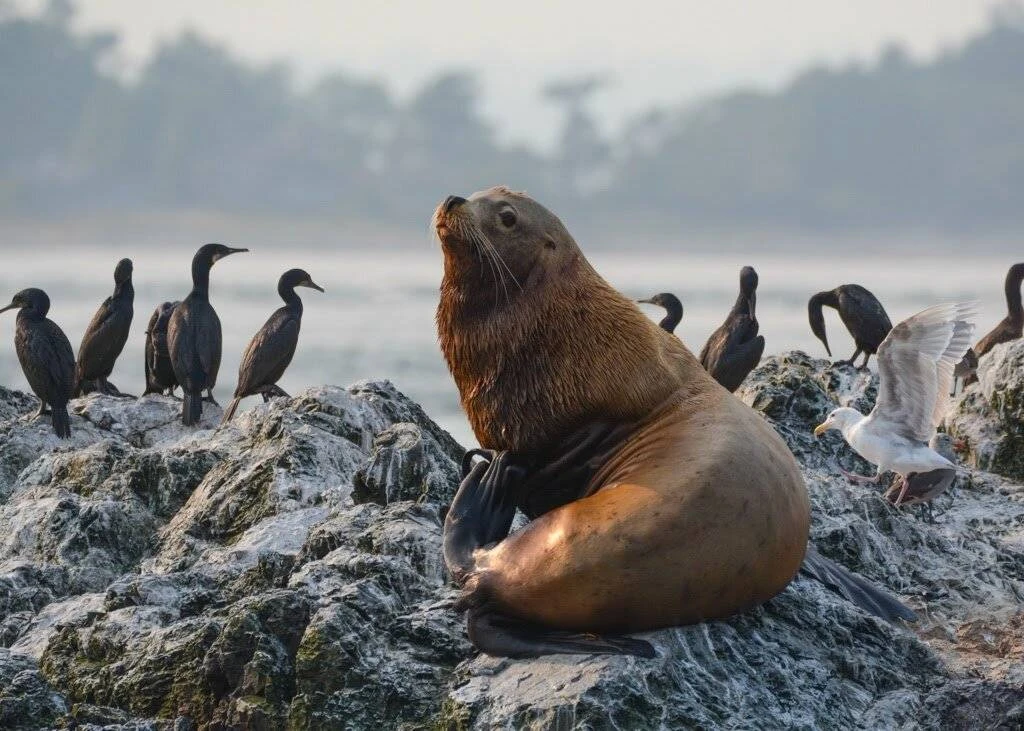
Facts:
Their preferred prey in Washington state is fish such as Pacific hake, rockfish, skates, flounders, herring, salmon, smelt, shad, and cod.
Steller sea lions are the world’s largest species of sea lions. The adult male Steller sea lion can weigh up to 2,400 pounds and will grow to be 3 times the size of an adult male grizzly bear.
Steller sea lions communicate with one another by hissing and belching. The bulls, or adult males, are usually responsible for the loud noises, which are meant to ward off other males during mating season. They also communicate underwater, using clicks, barks, and low-frequency pulses.
The main predators of Steller sea lions are Transient, or Bigg’s killer whales, Pacific sleeper sharks, and historically, humans.
In 1979, the Steller sea lion population was at an estimated number of 18,313 animals. In 1990, they were federally listed as a threatened species. This listing, in addition to the protection afforded by the Marine Mammal Protection Act of 1972, has increased their population to more than 70,000 animals.
The eastern distinct population segment, which includes Steller sea lions originating from rookeries east of Cape Suckling in Alaska, has since recovered and as of 2013 was no longer listed federally and in 2015 no longer listed in Washington State—a significant achievement under the Endangered Species Act. The western distinct population segment (DPS) remains endangered.
The sea pig may get its name from its pink-colored body and love of the muddy seafloor, but it's actually a type of sea cucumber. The odd-looking, but surprisingly adorable, creature has tube feet on its underbelly, back, and surrounding its mouth. The sea pig spends its days snuffling through the muddy sediments on the seafloor, eating bits of dead algae and animals that have fallen from the surface. When something big, like a whale fall, sinks to the seafloor, huge herds of sea pigs gather nearby to feast on the rich organic sediments from the decaying carcass.
They were first discovered by Swedish zoologist Hjalmar Théel in 1882. Théel discovered about 65 new species by the British research ship HMS Challenger during her round-the-world expedition of 1872-1876.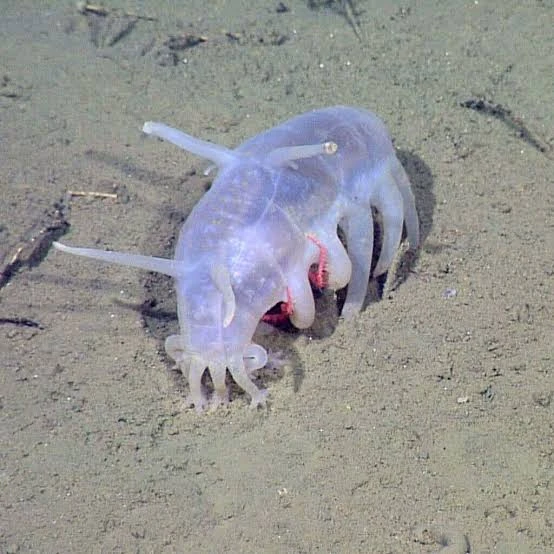
They were first discovered by Swedish zoologist Hjalmar Théel in 1882. Théel discovered about 65 new species by the British research ship HMS Challenger during her round-the-world expedition of 1872-1876.