32 reactions
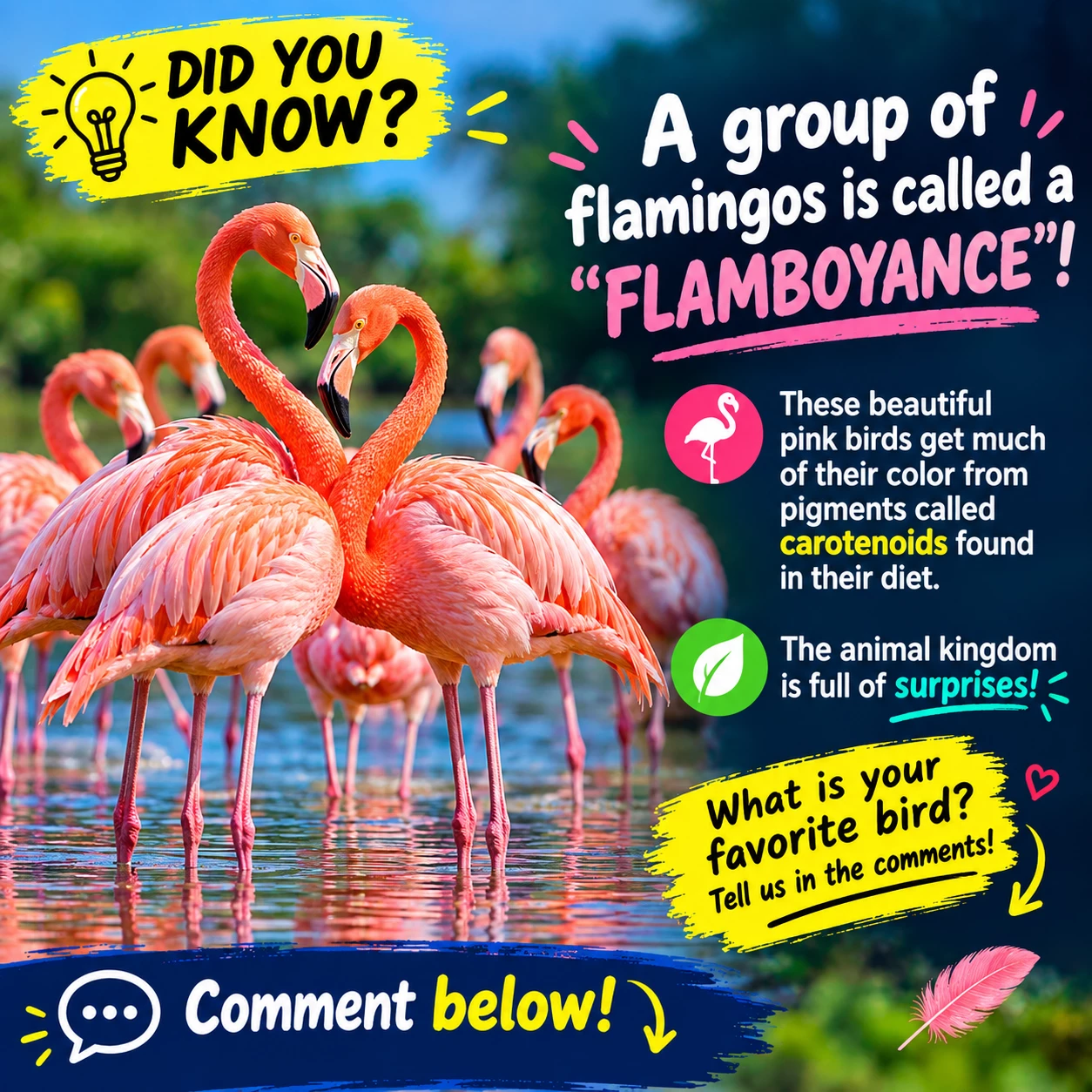
🦩 DID YOU KNOW? A group of flamingos is called a “flamboyance”! 😍💗
Their beautiful pink color comes from pigments called carotenoids found in their food. Nature is full of amazing surprises! 🌿✨
💬 What's your favorite bird? Tell us in the comments! 👇
#AmazingFacts #AnimalFacts #DidYouKnow #NatureFacts #Wildlife #BirdLovers #InterestingFacts #FunFacts
Their beautiful pink color comes from pigments called carotenoids found in their food. Nature is full of amazing surprises! 🌿✨
💬 What's your favorite bird? Tell us in the comments! 👇
#AmazingFacts #AnimalFacts #DidYouKnow #NatureFacts #Wildlife #BirdLovers #InterestingFacts #FunFacts


8

5

5

5

2

42 reactions
Good morning, my dear friends! 🌞🐙💜
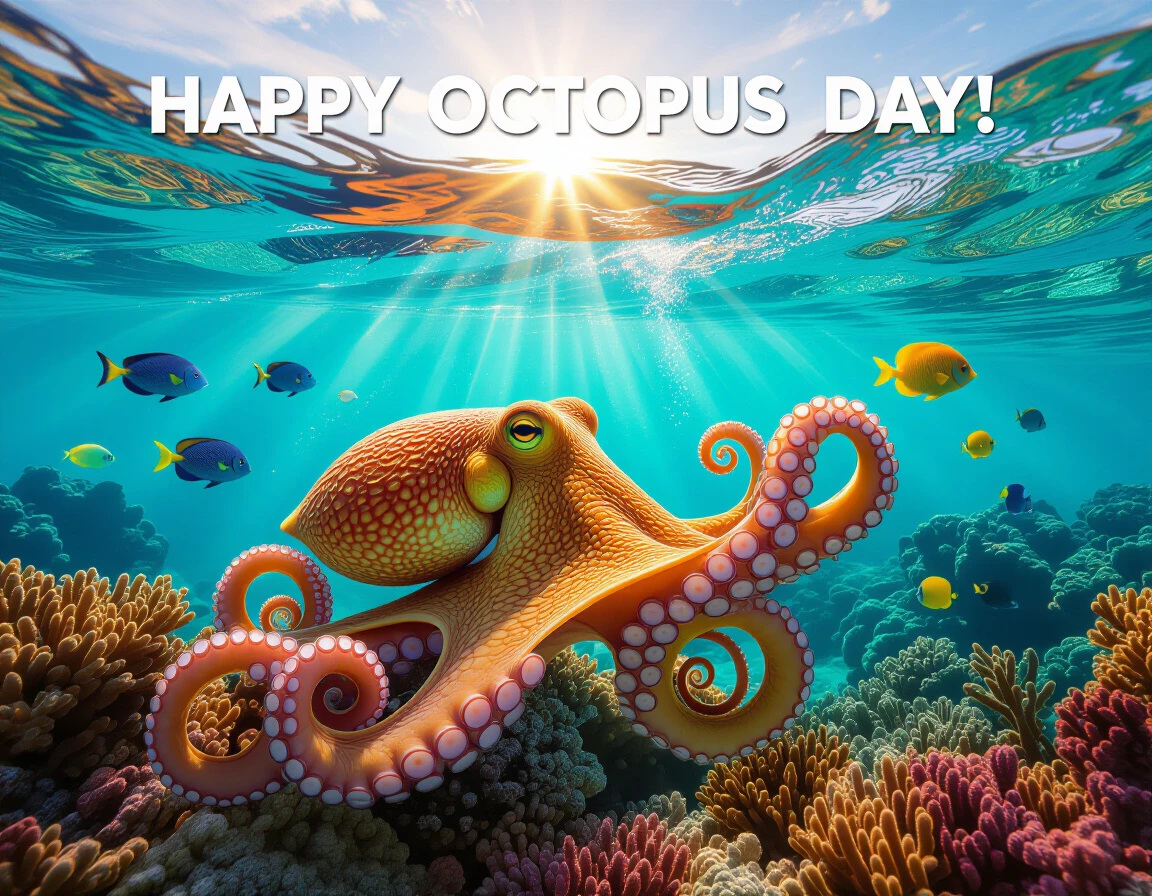
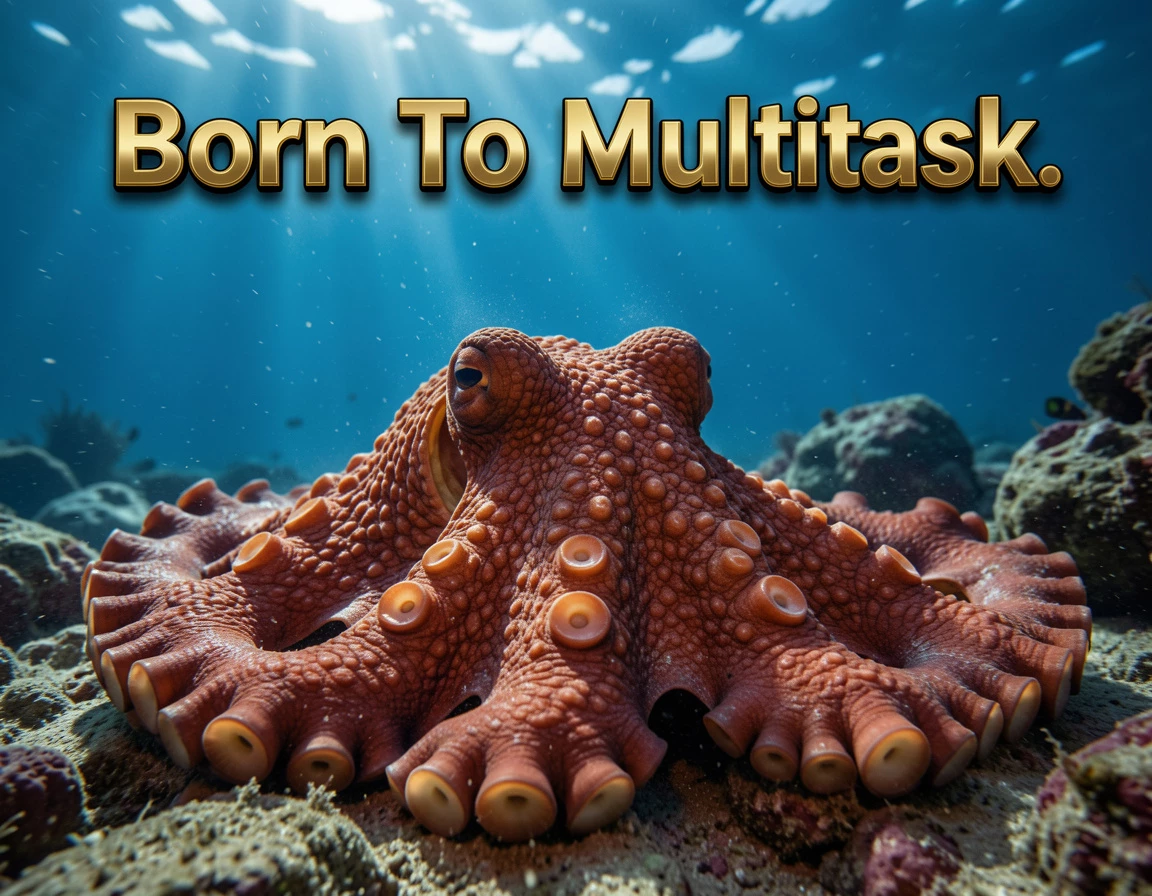
Apparently, today is International Octopus Day! 😂🐙
Yes, even the octopus has its own special day! At this rate, I’m starting to wonder what my tentacle needs to do to get a public holiday. 🤣 Meanwhile, I’m still waiting patiently for International “Leave Me Alone, I Need Coffee” Day. ☕😂
But honestly, octopuses deserve some appreciation because they are absolutely fascinating!
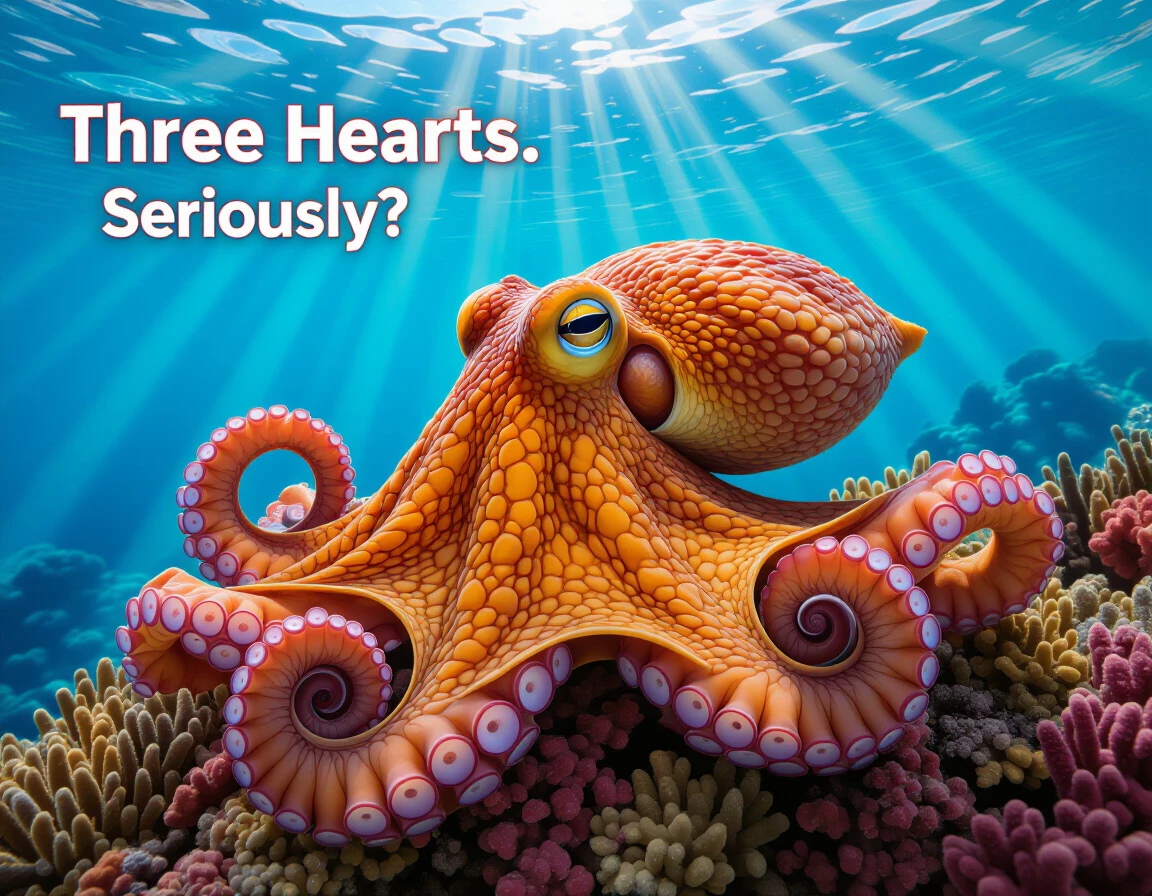
🐙 Fun fact: An octopus has three hearts , and when it swims, two of them stop beating! 😱❤️❤️❤️
No wonder they prefer crawling, even their hearts are like, “Swimming? Absolutely not!” 😂
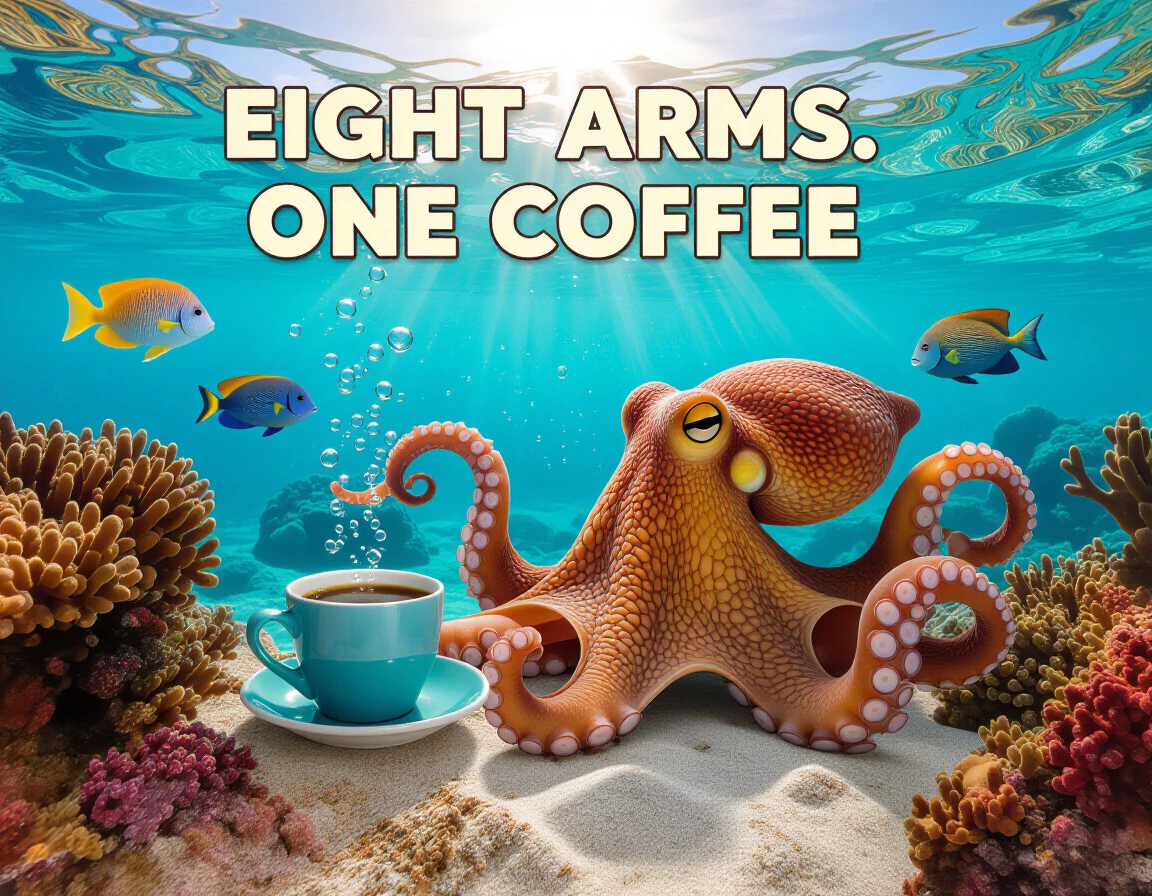
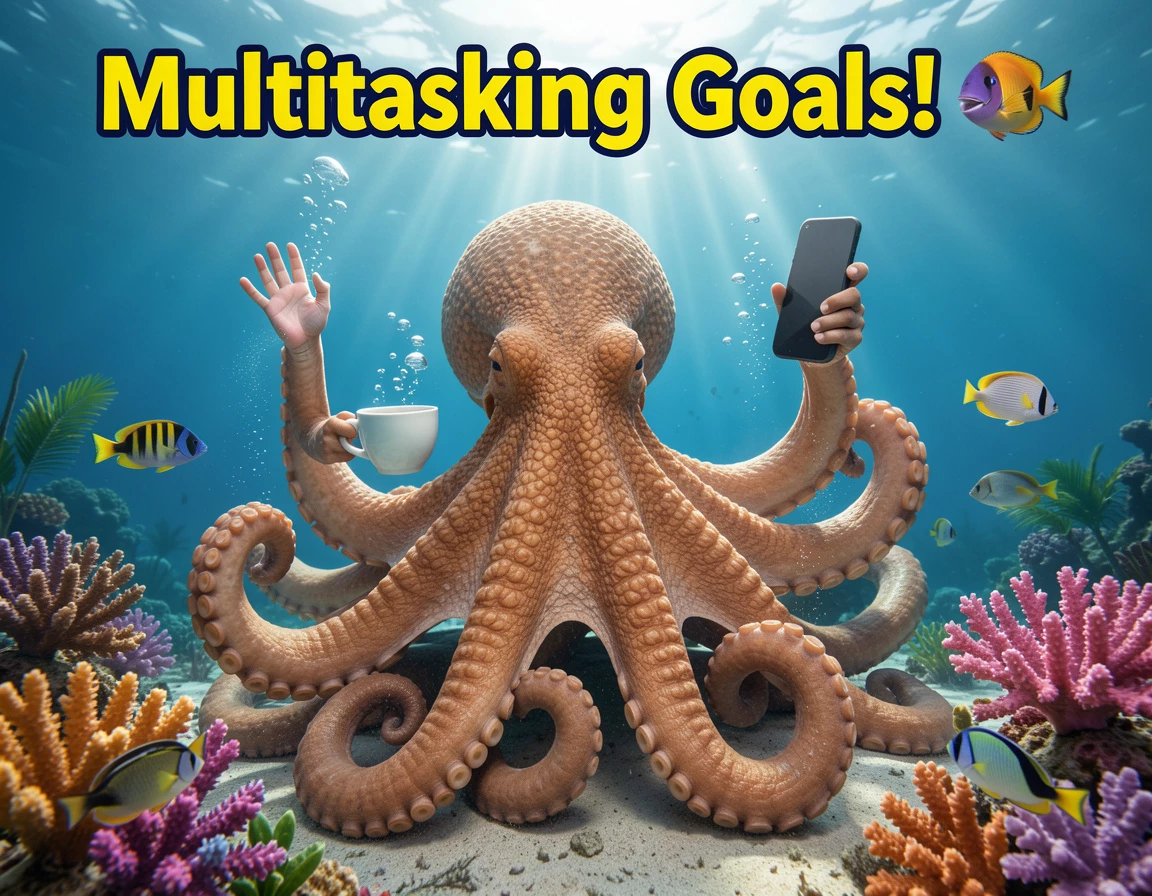
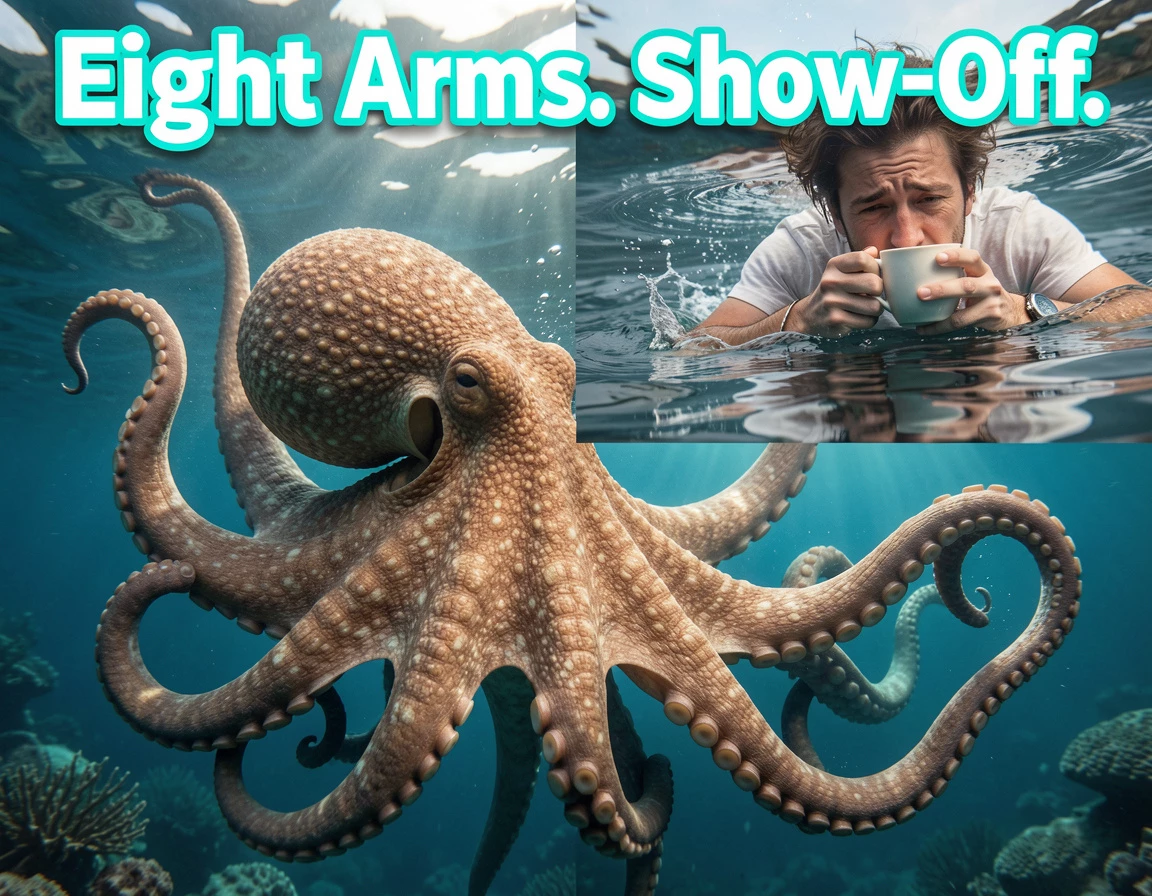
And let’s not forget they have eight arms , which means they could probably multitask better than all of us combined. Imagine cooking breakfast, cleaning, answering messages, doing the laundry, scrolling Tangled and drinking coffee all at once! 🤣
Meanwhile, I have two hands and still manage to put something down and immediately forget where I put it. 😂🤦🏻♀️
So today, let’s give a little love to these clever, fascinating creatures of the sea! 🌊🐙💜
Happy International Octopus Day! 🎉
May your day be as flexible as an octopus, your coffee as strong as your determination, and your problems have fewer than eight arms! 😂☕❤️
Have a wonderful day, everyone! 🌸✨
#InternationalOctopusDay #Octopus #FunFacts #DidYouKnow #OceanLife #MarineLife #UnderTheSea #SeaCreatures
Apparently, today is International Octopus Day! 😂🐙
Yes, even the octopus has its own special day! At this rate, I’m starting to wonder what my tentacle needs to do to get a public holiday. 🤣 Meanwhile, I’m still waiting patiently for International “Leave Me Alone, I Need Coffee” Day. ☕😂
But honestly, octopuses deserve some appreciation because they are absolutely fascinating!
🐙 Fun fact: An octopus has three hearts , and when it swims, two of them stop beating! 😱❤️❤️❤️
No wonder they prefer crawling, even their hearts are like, “Swimming? Absolutely not!” 😂
And let’s not forget they have eight arms , which means they could probably multitask better than all of us combined. Imagine cooking breakfast, cleaning, answering messages, doing the laundry, scrolling Tangled and drinking coffee all at once! 🤣
Meanwhile, I have two hands and still manage to put something down and immediately forget where I put it. 😂🤦🏻♀️
So today, let’s give a little love to these clever, fascinating creatures of the sea! 🌊🐙💜
Happy International Octopus Day! 🎉
May your day be as flexible as an octopus, your coffee as strong as your determination, and your problems have fewer than eight arms! 😂☕❤️
Have a wonderful day, everyone! 🌸✨
#InternationalOctopusDay #Octopus #FunFacts #DidYouKnow #OceanLife #MarineLife #UnderTheSea #SeaCreatures
4
3

2
1

1
1

1

1

1

1

1

1

1

1

1

1

1
110 reactions
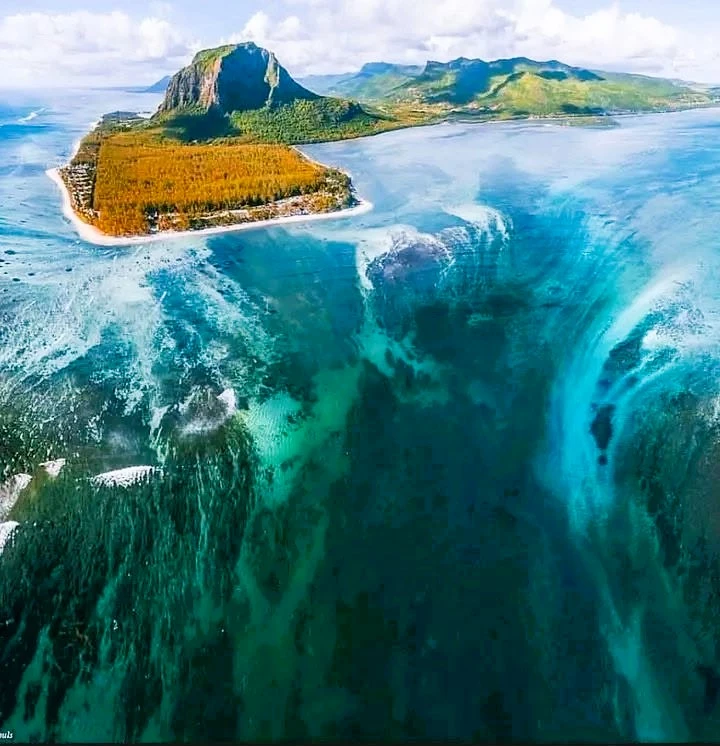
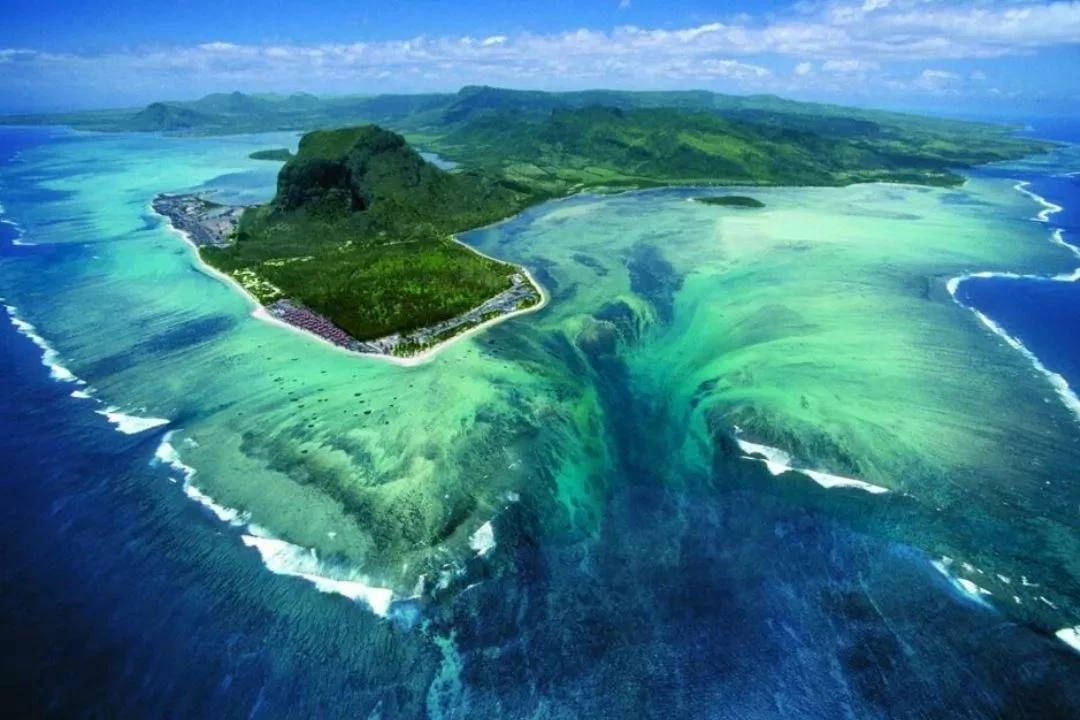
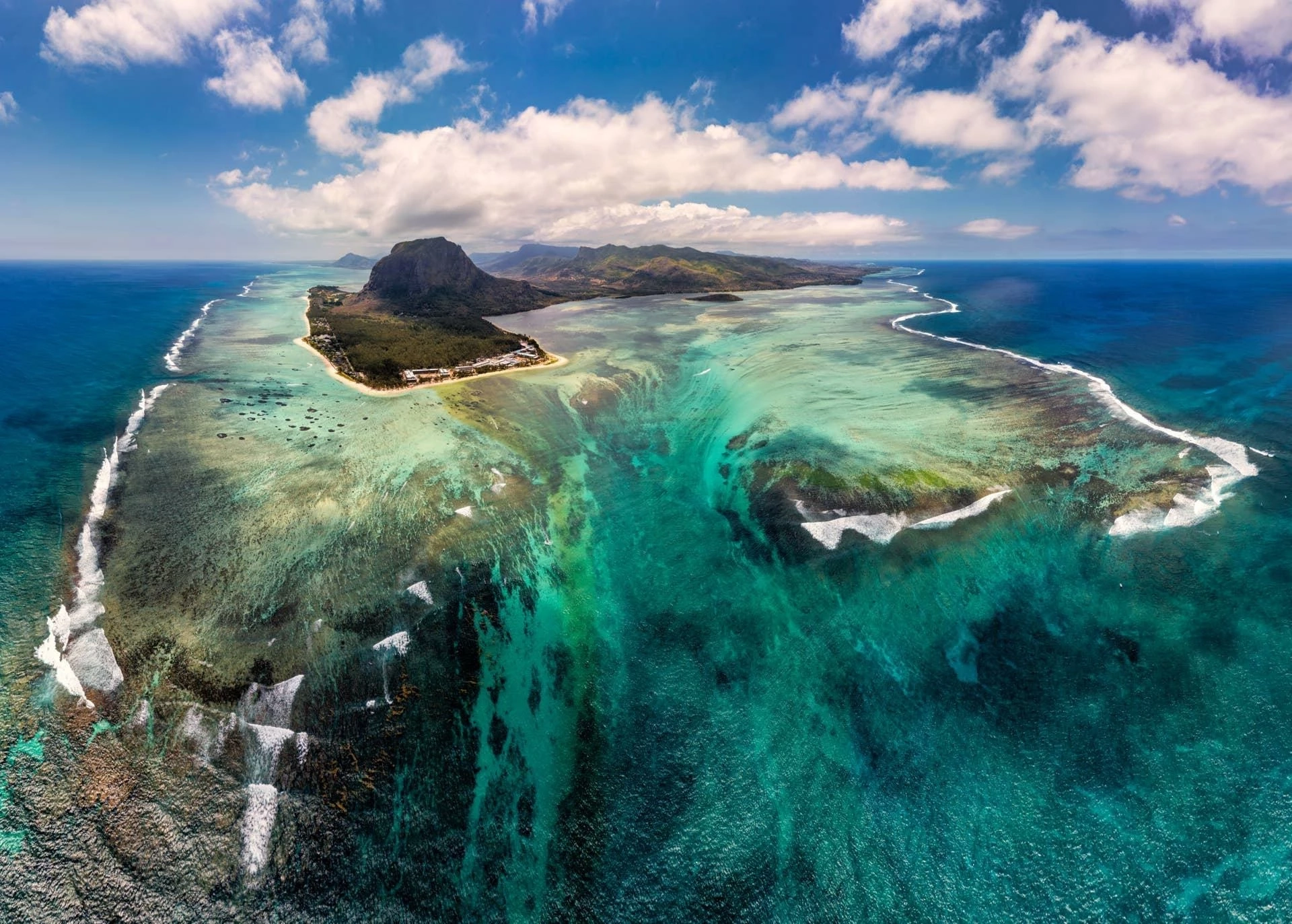
Mauritius has a waterfall under the ocean. Well, kind of! 🌊😂
Welcome to the famous “Underwater Waterfall” of Mauritius , just off the coast of Le Morne Brabant.
At first glance, it looks like the ocean is literally falling off the edge of the island . 🌊⬇️ But before you start looking for a giant underwater Niagara Falls, there’s a little plot twist. 😂 It’s not actually a waterfall!
What you’re seeing is a spectacular natural illusion created by sand and silt being carried by ocean currents over the underwater slopes.
Mauritius sits on a huge underwater plateau. Around Le Morne, the shallow turquoise lagoon eventually gives way to much deeper ocean. As currents move sand and sediment toward this drop-off, they create those incredible swirling patterns, and when you look at it from high above, BOOM! 💥
It looks exactly like the ocean is pouring into a giant underwater hole. Basically, Mother Nature said: “Let’s confuse the tourists a little.” 😂
The effect is best seen from the air, especially from a helicopter or seaplane, because from above you can see the different shades of blue, the underwater contours and the moving sediment all at once.
So no, Mauritius doesn't have a secret waterfall hiding underneath the Indian Ocean. 😄 Just some ocean currents + sand + underwater topography + a very convincing optical illusion .
And honestly, it might be even cooler that way. 💙
#UnderwaterWaterfall #MauritiusIsland #FunFacts #NaturalIllusion
Welcome to the famous “Underwater Waterfall” of Mauritius , just off the coast of Le Morne Brabant.
At first glance, it looks like the ocean is literally falling off the edge of the island . 🌊⬇️ But before you start looking for a giant underwater Niagara Falls, there’s a little plot twist. 😂 It’s not actually a waterfall!
What you’re seeing is a spectacular natural illusion created by sand and silt being carried by ocean currents over the underwater slopes.
Mauritius sits on a huge underwater plateau. Around Le Morne, the shallow turquoise lagoon eventually gives way to much deeper ocean. As currents move sand and sediment toward this drop-off, they create those incredible swirling patterns, and when you look at it from high above, BOOM! 💥
It looks exactly like the ocean is pouring into a giant underwater hole. Basically, Mother Nature said: “Let’s confuse the tourists a little.” 😂
The effect is best seen from the air, especially from a helicopter or seaplane, because from above you can see the different shades of blue, the underwater contours and the moving sediment all at once.
So no, Mauritius doesn't have a secret waterfall hiding underneath the Indian Ocean. 😄 Just some ocean currents + sand + underwater topography + a very convincing optical illusion .
And honestly, it might be even cooler that way. 💙
#UnderwaterWaterfall #MauritiusIsland #FunFacts #NaturalIllusion
9
6
3